
You and one companion chasing a quieter weekend in the woods shouldn’t have to wrestle with saggy poles or cramped nylon. A two-person tent is a small thing, but it shapes every hour of the trip, from how fast you unpack to how dry you stay at 3 a.m. The lineup below balances weight, weather protection, and setup speed, so you spend less time fiddling with fabric and more time by the fire.
A Closer Look At The Lineup

Coody Premium Inflatable Tent for Camping

ALPS Mountaineering Lynx 2-Person Backpacking Tent

Coleman Sundome 2-Person Tent
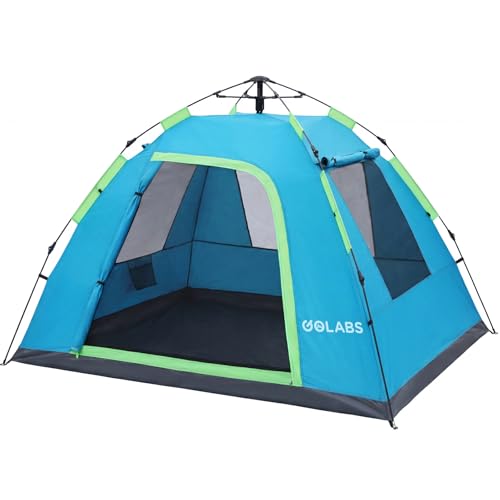
Golabs Pop Up Camping Tent 2/3 Person

Golabs CT1 2 Person Camping Tent
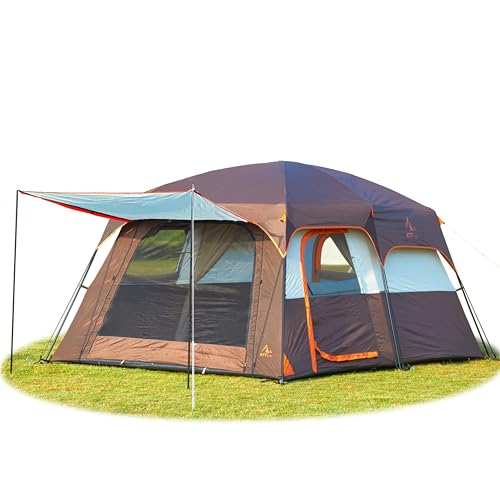
KTT Extra Large Family Cabin Tent (Style-B)
Taking A Closer Look At The Options
The Coody Premium Inflatable Tent trades traditional fiberglass poles for a pressurized airframe, which is genuinely useful when you arrive at camp after dark and your hands are cold. You pump it up, walk inside, and the tent is essentially a small canvas cabin with a stove jack built into the wall.
Compared to the dome-style options elsewhere in this list, the Coody feels like a different category of shelter. Canvas breathes better than thin polyester (that’s the trade-off where heavy fabrics let humid air pass instead of trapping condensation against your sleeping bag), so shoulder-season mornings stay less clammy. You also get genuine headroom, which matters when you’re sitting up reading or sorting gear.
Where It Excels
- Inflatable air tubes replace rigid poles, so setup skips the awkward pole-fed-through-sleeve dance
- Built-in stove jack allows a safe pipe pass-through for wood stoves on cold nights
- Canvas construction manages condensation more gracefully than the ultralight nylon on smaller backpacking tents
- Walk-in height makes changing clothes and moving around noticeably less cramped
Honest Caveats
- Airframe requires a pump, sold separately in many configurations, so add that to your packing list
- Canvas weighs more than nylon, making this a car-camping shelter rather than a trail option
- Larger packed size demands a vehicle with real cargo space
Quick Facts
Whose Campsite It Belongs On
Two-person glamping setups and cold-weather campers who want real insulation and stove heat without a permanent structure.
Where Another Pick Suits Better
Backpackers covering real trail miles will find the ALPS Mountaineering Lynx far easier to carry into the backcountry.
The ALPS Mountaineering Lynx is built for people who carry their shelter, with aluminum poles (lighter and tougher than the fiberglass rods found on entry-level tents) and a two-pole dome shape that pitches quickly on rocky, rooty ground.
Two vestibules (the covered storage areas attached to either side of the tent) keep your boots and pack out of the sleeping area, and mesh panels on half the wall surface keep airflow moving during warm summer nights. Compared to the Coleman Sundome below, this one shaves noticeable weight and feels more trail-appropriate.
The Upside
- Aluminum poles drop weight without sacrificing strength on windy ridgelines
- Two-door, two-vestibule layout means two campers don’t crawl over each other
- Mesh-heavy walls push warm air out, which helps in muggy conditions
- Freestanding design (the tent stands up without stakes) lets you reposition on a slanted platform without starting over
Trade-Offs
- Two-person footprint is tight for taller sleepers or anyone with a wide pad
- Rainfly coverage is fine for showers but thin under sustained downpours
Who Should Grab It
Trail hikers and weekend backpackers who want a freestanding two-person shelter that doesn’t punish their pack weight.
A Better Fit Elsewhere
Car campers prioritizing livable space over weight will appreciate the standing height in the KTT family cabin tent.
The Coleman Sundome is the kind of tent that shows up at state park campgrounds everywhere for a reason. It pitches fast, it costs less than a serious backpacking shelter, and the WeatherTec system (Coleman’s name for its tub-style floor and welded rainfly seams) keeps you dry through the kind of summer storms that ruin lesser tents.
The dome shape uses continuous pole sleeves, and the door is snag-free, so you won’t fight zippers at the end of a long drive. For two campers car-camping at an established site, the Sundome is straightforward and dependable. It is, however, a step behind the Coody and the KTT when it comes to livable space.
A Few Strong Suits
- Two-pole dome design sets up in roughly ten minutes, even for first-time campers
- WeatherTec rainfly and welded floor seams handle summer storms reliably
- Available in 2- and 3-person configurations, so you can size up if a dog or a kid joins
- Window and ground vent work together for cross-breeze on warm evenings
Points To Note
- Fiberglass poles are heavier than aluminum and more prone to splintering on hard impacts
- Headroom is limited; expect to crawl rather than sit upright
- Single door means one camper has to climb over the other for midnight exits
Made For
Casual campers heading to drive-in sites who want a familiar, no-fuss two-person dome that handles rain without drama.
Reach For A Different Pick When
Two campers who prize airflow and separate doors will get more comfort from the ALPS Mountaineering Lynx.
The Golabs Pop Up is the closest thing on this list to instant shelter. The pole is pre-attached to the tent body, so you lift the center pole, press down, stake four corners, and you’re camping. Sixty seconds from bag to standing is realistic if your site is level.
It packs into a smaller bag than you’d expect for the interior room, which is genuinely useful for festival trips or quick overnights where you’re not unloading the whole car. Compared to the Coleman Sundome, you’re trading the dome’s headroom for setup speed and a more compact footprint on the ground.
The Helpful Details
- Pre-attached pole means no assembly sequence to memorize
- Compact pack-down size fits in a car trunk next to coolers and chairs
- Exterior dimensions around 81 by 61 inches leave usable space for two short adults
- Single-pole hub design stands up cleanly on grass, dirt, or pavement
Things To Weigh
- Low profile leaves little headroom, so plan on crawling
- Lightweight fabric handles mild weather best; serious storms need a more substantial rainfly
Best Suited To
Festival-goers, weekend car campers, and anyone who values a one-minute pitch over standing height.
Not Your Match When
Two adults carrying full backpacking loads will want the roomier interior and vestibules of the ALPS Mountaineering Lynx.
The Golabs CT1 leans into simplicity. Outer dimensions run roughly 84 by 65 inches with an inner sleeping area just under 60 inches wide, so two adults fit comfortably for a couple of nights. Setup reportedly takes about three minutes using 190D polyester taffeta (a midweight coated fabric that balances weight and abrasion resistance) over fiberglass poles.
Mesh across the top and door panel keeps airflow moving in warm conditions, which matters more than people expect when summer nights stay muggy. Compared to the pop-up Golabs option above, the CT1 trades one-touch setup for more interior room and a taller ceiling.
A Strong Showing
- Three-minute pitch keeps the frustration factor low for newer campers
- Mesh roof and door panels push warm air out overnight
- Compact carry bag makes storage in a closet or car trunk painless
- 190D fabric is a respectable middle ground between featherweight nylon and heavier canvas
A Few Limitations
- Fiberglass poles are heavier than aluminum and more likely to snap on hard impacts
- Limited interior height; sitting upright takes a slouched posture
Feature Snapshot
Who It Suits Best
Casual campers on a tighter budget who want a simple two-person shelter for warm-weather weekends.
Swap It Out When
Glampers and four-season campers should consider the canvas Coody instead, since the fabric handles cold and humidity far better.
The KTT Extra Large Family Cabin is the obvious choice when two adults is just the starting count. Inside dimensions around 12.5 by 8.5 feet and a 6.2-foot ceiling mean you stand up, walk around, and fit several air mattresses without elbow-bumping the walls.
The straight-wall design (vertical sidewalls rather than sloping dome sides) maximizes usable floor space, and a divider curtain splits the interior into two rooms, which is genuinely useful when one person sleeps early and another stays up reading. Three doors and three mesh windows keep cross-breeze moving, which is essential when you have multiple bodies in the tent.
What Makes Sense
- Two-room layout via divider curtain offers privacy without splitting the party
- Three doors prevent midnight bottlenecks when nature calls
- Standing-height ceiling lets adults move around without stooping
- Oxford polyester shell is a tougher, more abrasion-resistant fabric than thin nylon
Practical Considerations
- Larger footprint demands a generous tent pad or open ground
- Setup involves more poles and more time than a two-person dome
- Heavier carry weight makes this strictly a vehicle-camping shelter
Technical Sheet
Perfect Match For
Family camping trips and base-camp setups where standing room and two-zone privacy outweigh pack-down convenience.
Look Elsewhere When
A solo hiker or tight two-person backpacking trip will find the ALPS Mountaineering Lynx much more carry-friendly.
Picking The Right Fit For Your Trips
Weight Versus Livable Space
Two-person tents split into two camps: lightweight trail shelters and roomier car-camping cabins. Backpacking picks like the ALPS Lynx keep packed weight low, which matters when every pound is on your shoulders. Cabin-style shelters like the KTT deliver standing height and gear-storage room, but only make sense when a vehicle carries the load.
Fabric And Weather Behavior
Polyester and nylon dominate the ultralight end. Both are light, but neither breathes particularly well, so expect interior condensation on cold nights. Canvas and heavier Oxford polyester (tougher woven polyester with a denser weave) manage humidity more gracefully, which is why options like the Coody and KTT feel less clammy when temperatures swing.
Setup Style And Pole Material
Pre-attached pole designs like the Golabs Pop Up trade height for speed. Aluminum poles flex under wind and resist splintering; fiberglass poles are cheaper and heavier, and they snap more easily when bent. Inflatable frames skip rigid poles entirely, which speeds setup but demands a pump.
Ventilation And Door Count
Single-door tents force one camper over the other. Dual doors and vestibules (covered areas beside the tent where boots and packs stay sheltered but outside the sleeping space) give two campers independence, and mesh panels let warm air escape in summer. Storm flaps and rainflies pull double duty, sealing the mesh when weather turns.
Common Slip Ups And Where The Premium Goes
Pitfalls Shoppers Hit
Buying a “two-person” tent for two adults plus gear is the classic mistake. The stated capacity usually means two sleeping bodies pressed shoulder-to-shoulder, not two adults with backpacks. Add a vestibule, a gear loft, or simply size up if storage matters. Another trap is ignoring pole material: fiberglass feels fine on a calm weekend, but splinters on the first hard gust.
Where The Extra Money Goes
Stepping up to canvas or higher-denier polyester (the “denier” rating is a measure of fabric thread thickness, higher numbers mean tougher material) costs more because the material is heavier to ship and slower to produce. Inflatable airframes and welded seams add manufacturing complexity, which shows up in the price. The honest read is that premium tiers buy longevity and weather margin, not just brand polish. Pick the upgrade when conditions demand it, skip it when weekends stay calm.