
Two-person camping means different things to different people. A backpacker wants the lightest shell that keeps a body dry through a coastal storm. A car camper wants to stand up while changing clothes and stash a duffel inside. A festival-goer wants something pitched in under a minute before the headliner starts. The right tent quietly disappears into the background of a trip; the wrong one echoes in every soaked sock and bent pole.
The lineup below covers lightweight backpacking shelters, instant pop-ups, and a hybrid that splits the difference. Each pick is mapped to a real use case, with honest trade-offs called out where they actually matter.
The Lineup, Simplified

ALPS Mountaineering Lynx 2-Person Backpacking and Camping Tent

ALPS Mountaineering Zephyr 2-Person Tent

Featherstone Backpacking Tents for Camping & Hiking 1-2 Person
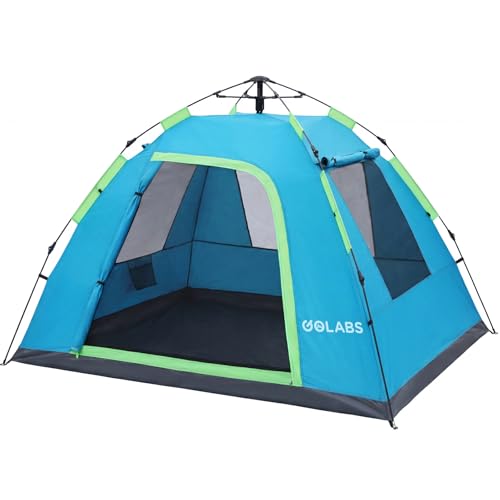
Golabs Pop Up Camping Tent for 2/3 Person

Golabs CT1 2 Person Camping Tent

AOPEC Pop Up Camping Tent with Front Porch
Why These Options Stand Out
The Lynx is the kind of shelter first-time backpackers end up keeping for a decade. Two aluminum poles (the same metal used in aircraft frames and ski poles for its strength-to-weight balance) form a rectangular dome that snaps together with clips instead of sleeves, so the pitch sequence stays simple in fading daylight.
Half-mesh panels on the walls trade privacy for airflow, which matters on muggy summer nights above treeline. For weekend trips along the Appalachian or Sierra trails, it reads as a sensible starting point that doesn’t punish rough handling.
Useful Strengths
- Aluminum poles keep weight reasonable while handling wind and accidental bending.
- Pole clips speed setup so the pitch takes minutes, not a puzzle.
- Half-mesh walls pull heat out during still, humid evenings.
- Rectangular floor plan uses interior space more efficiently than a tapered dome.
Worth Noting
- Two-person floor space feels snug once sleeping pads and a pack go inside.
- Owners commonly report that the rainfly takes careful staking to stay taut in heavy rain.
Who Will Love This
New backpackers heading into temperate shoulder seasons who want a forgiving shelter with traditional pole geometry.
Look Elsewhere When
The ALPS Mountaineering Zephyr 2-Person Tent fits hot, low-elevation summer trips better thanks to its full mesh walls.
Where the Lynx trades mesh for wall, the Zephyr goes all in on airflow. Pre-bent aluminum poles force the fabric into steeper, more vertical walls, which translates directly into shoulder room and the ability to sit upright while sorting gear.
Full mesh sidewalls turn the tent into a bug-proof screened porch when the rainfly is rolled back. On sweltering July trips in the Southeast, that single feature can be the difference between decent sleep and a damp, restless night.
The Case For It
- Full mesh walls maximize cross-ventilation on muggy, low-elevation trips.
- Pre-bent poles create near-vertical walls, adding usable living space.
- Aluminum hardware keeps packed weight friendly for moderate mileage.
- Interior volume handles two wide sleeping pads without forcing shoulders together.
Trade-Offs
- Mesh-first design offers limited privacy at busy, well-lit campsites.
- Pre-bent poles add complexity at first pitch; the geometry takes a couple of tries to memorize.
Best Suited To
Hot-weather campers chasing airflow and standing-up comfort over storm-rated privacy.
Consider Something Else When
The AOPEC Pop Up Camping Tent with Front Porch handles sustained rain and front-porch lounging more convincingly.
When every gram counts on the trail, the Featherstone earns attention. A sil-nylon PU fly (silicone-coated nylon treated with polyurethane for waterproofing) wraps a single-pole frame that pitches fast and packs small. Trail weight lands near four pounds, which puts it in the conversation with much pricier ultralight brands.
The shape works for a solo hiker who wants room for a pack inside, or two friends willing to share a snug sleeping layout. It’s a smart pick for thru-hikers clocking real mileage each day.
Positive Takeaways
- Near 4-pound trail weight keeps long-distance packs from feeling overloaded.
- Compact packed size frees up space for food bags or a down jacket.
- Sil-nylon fly handles coastal mist and summer showers reliably.
- Simple pole geometry makes pitch practice nearly unnecessary.
Points To Consider
- Two-person floor space is genuinely tight once pads and boots go inside.
- Sil-nylon can stretch when wet, so drying and re-tensioning after rain is part of the routine.
Key Attributes
Made For
Thru-hikers, section hikers, and ultralight enthusiasts who count every ounce on the trail.
Swap It Out When
The ALPS Mountaineering Lynx 2-Person Backpacking and Camping Tent suits casual weekend overnights where durability outweighs weight savings.
The Golabs pop-up collapses the setup process into a single motion: lift, press, secure four corners. Pre-attached poles (rigid tent supports pre-threaded through fabric sleeves so nothing has to be assembled on-site) live inside the tent body, which is a genuine time-saver for festival entry lines or late-night arrivals at a packed trailhead.
The shell stretches to cover two adults with room for a small pack. For campers who care more about being inside the tent than pitching it, this is the easiest entry on the list.
The Upside
- Lift-and-press pitch completes in roughly a minute, no instruction manual required.
- Pre-attached pole structure removes lost-part headaches at the campsite.
- Generous footprint fits two adults plus a shared pack without forcing elbow contact.
- Packs down compactly enough for car trunks and motorcycle luggage.
Honest Caveats
- Lower profile means limited headroom for changing clothes inside.
- Pop-up frames are flexible by design, so heavy wind calls for careful staking.
- Not aimed at serious backpacking distances; it’s at its best steps from a vehicle.
Whose Shelf It Belongs On
Festival campers, casual weekenders, and anyone who’d rather not spend their trip wrestling with poles.
A Better Fit Elsewhere
The Featherstone Backpacking Tents for Camping & Hiking 1-2 Person carries easier on multi-mile hikes where weight matters more than pitch speed.
The CT1 leans toward car-camping comfort. A mesh top and mesh door pull air through the shelter on warm nights, while fiberglass poles keep the build simple and the price approachable. Setup is closer to three minutes than ten, which matters after a long drive.
The 190D polyester taffeta fly (a dense polyester weave that resists abrasion and light wear) handles weekend use with reasonable grace. Think state-park loops and overnight drives to a trailhead, not multi-week expeditions.
What Works In Its Favor
- Mesh top and door combine for steady cross-breeze through the cabin.
- 190D taffeta fabric takes everyday scuffs from gear and gravel.
- Fiberglass pole structure keeps the price accessible for new campers.
- Compact carry bag stows neatly in a sedan trunk or RV storage bay.
Where It May Fall Short
- Fiberglass poles add weight and can crack if flexed in cold weather.
- Storm performance leans fair-weather; owners in wet climates sometimes upgrade the fly tension.
Feature Snapshot
Right Fit For
Weekend car campers, beginner households, and state-park trips where easy setup matters more than weight.
Skip It When
The ALPS Mountaineering Zephyr 2-Person Tent fits serious warm-weather backpacking better with its aluminum poles and full-mesh walls.
The AOPEC pop-up gets serious about rain. Heat-sealed seams, taped waterproofing (pressure-applied tape over stitched seams to block water ingress), and a 190T polyester fly with a PU4500mm coating (a polyurethane layer rated to withstand a 4500mm column of water) push the rating well above budget tents. A small front porch adds covered storage for muddy boots and packs.
Pre-assembled poles and an instant setup make this a friendly entry for newer campers who don’t want to learn pole geometry on a stormy night.
What Stands Out
- PU4500mm coating and taped seams shrug off sustained summer storms.
- Front porch adds sheltered space for boots, packs, and a wet dog.
- Reinforced pegs and guylines give the frame wind resistance on exposed sites.
- Pre-assembled pole structure pops up fast in fading daylight.
Things To Consider
- Pop-up frames trade rigidity for speed, so anchoring really matters on gusty nights.
- Storm-rated coatings usually mean slightly heavier packed weight than mesh-first designs.
Perfect Match For
Wet-weather campers, family weekends in rainy shoulder seasons, and anyone tired of waking up in a puddle.
Reach For A Different Pick When
The Featherstone Backpacking Tents for Camping & Hiking 1-2 Person travels much lighter on long-distance routes where storm rating matters less than grams.
Choosing The Right Shelter For Two
Match The Tent To The Trip
Two-person tents split into three families: ultralight backpacking shelters, classic pole-and-fly designs, and instant pop-ups. Backpacking tents keep weight low with single-pole geometry and thin fabrics; classic designs balance comfort and durability; pop-ups trade pole rigidity for speed of pitch. The honest read is that no single category wins every scenario.
Capacity Claims Deserve A Second Look
A “two-person” floor is sized for two sleeping pads, not two adults plus gear. Solo campers get real space to sprawl, while couples often end up tucking packs at the foot end. If the goal is comfort rather than technical fit, sizing up makes for far better mornings.
Materials And Weather Ratings
Aluminum poles handle bending better than fiberglass; fiberglass is cheaper but heavier and colder-prone. Hydrostatic head ratings above 1500mm (the millimeter water-column measurement standard for waterproof fabric) handle steady rain comfortably, while 3000mm and up covers serious storms. Mesh-heavy walls help in summer but cost privacy and warmth when temperatures drop.
Ventilation Vs. Privacy Trade-Off
Full-mesh walls breathe beautifully but expose the interior at lit campsites. Mostly-fabric walls feel cozier and warmer but can trap humidity. Trips to humid lowlands usually reward mesh; shoulder-season trips at altitude usually reward fabric.
Key Considerations Across These Picks
Where Shoppers Go Wrong
Picking the lightest shelter and expecting it to double as a storm-rated basecamp. Ultralight fabrics and minimal pole structures shine on mild thru-hikes but punish campers in exposed weather. Matching the tent to the climate, distance, and group size prevents most disappointments.
What The Higher Tier Buys
Premium poles, taped seams, and heavier denier fabrics (denier measures fiber thickness; higher numbers mean tougher, heavier material) raise weight and cost, but they also extend the tent’s life through real storms and repeated trips. Spending up makes sense for campers who log weekends year-round, less so for occasional fair-weather outings.