
Cold-weather camping lives or dies by how well you manage heat. A well-chosen heater turns a shivering night under canvas into a comfortable base camp, whether you’re car camping with family or pushing into shoulder-season conditions where temperatures dip below freezing. The seven picks below cover every layer of the warmth equation, from the propane unit that actually does the heating to the shelter upgrades, ground insulation, and air circulation that keep that heat where you need it.
A Fast Comparison Of The Options

VOSFEEL 20000mAh Camping Fan with LED Lantern

Coody Premium Inflatable Tent with Stove Jack

AquaQuest Defender Waterproof Tarp 20,000mm
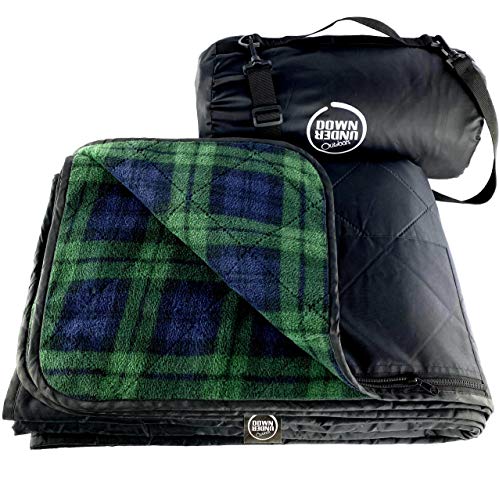
DOWN UNDER OUTDOORS 350 GSM Waterproof Blanket
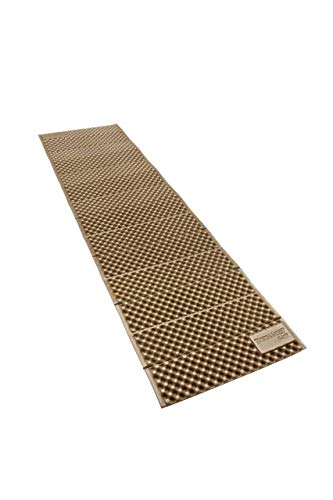
Therm-a-Rest Z Lite Original Sleeping Pad

Gazelle T4 Pop Up Camping Tent 4-Person

Mr. Heater 540-Degree 45,000 BTU Tank Top Heater
Inside Each Recommended Option
Heat without airflow turns a tent into a stale, uncomfortable box, and that’s where a portable fan earns its place on a cold-weather gear list. The VOSFEEL Camping Fan pairs a 20,000mAh rechargeable battery with a built-in LED lantern, giving you both air movement and area light from a single unit.
The included hanging hook lets you suspend it from a ridge line or tent ceiling, and a wireless remote means you can tweak the speed from inside your sleeping bag. It doubles as a power bank in a pinch, which is the kind of multipurpose thinking that earns space in a packed car.
A Few Strong Suits
- Large 20,000mAh battery supports extended runtime, useful on multi-day trips away from outlets.
- Four speed settings plus a remote control let you fine-tune airflow without leaving your bag.
- Integrated LED lantern removes the need for a separate tent light, saving pack space.
- Built-in USB output ports charge a phone or headlamp during an emergency.
Things To Consider
- This is a circulation fan, not a heater, so pairing it with a real heat source is essential in cold conditions.
- Higher speeds drain the battery noticeably faster, so mid-tier settings tend to be the practical sweet spot.
Who It Suits Best
Campers who already use a primary heat source and want a single device to handle air movement, lighting, and emergency phone charging.
Consider Something Else When
The Mr. Heater 540-Degree 45,000 BTU Tank Top Heater suits you better if your real need is serious radiant heat in a sheltered outdoor space rather than air circulation.
Most tents are sleep-only shelters, but the Coody inflates into something closer to a small cabin. The canvas construction breathes better than nylon, which helps with condensation when you’re running a stove inside, and the integrated stove jack is the key detail that makes wood-burning heat a real option.
Unlike the quick-pitch Gazelle T4 below, this shelter is built for longer stays. Think family basecamps in shoulder seasons, not a quick overnight. The inflatable beams replace the pole structure of traditional canvas tents, so setup is faster than the old-school style without losing the durability.
Where It Helps
- Built-in stove jack enables a wood or gas heater inside, a major upgrade over unheated tents.
- Canvas material manages condensation and humidity better than most synthetic shells.
- Inflatable beam structure shortens setup compared to traditional rigid-pole canvas tents.
- Generous interior volume creates a livable space, not just a sleeping area.
Honest Caveats
- Canvas is heavy and bulky, so it’s a poor match for backpackers or anyone counting ounces.
- Running a stove inside demands real attention to the jack seal and ventilation to stay safe.
Core Details
Made For
Car campers and glampers who want a real living space with the option to run a stove heater through long, cold nights.
Look Elsewhere When
The Therm-a-Rest Z Lite Original Sleeping Pad fits your kit better if you’re backpacking light and need ground insulation that weighs almost nothing.
Wind-driven rain steals body heat faster than cold air alone, so a serious rain fly does real work in your heating setup. The AquaQuest Defender tarp carries a 20,000mm waterproof rating, which puts it in storm shelter territory rather than fair-weather tarp.
The 70D nylon with a heavy dual coating takes abuse, and the reinforced webbing and bar-tacked tie-outs hold under tension when the weather turns. Pitch it over the Coody tent for an extra weather layer, or set it up standalone for a covered cooking area where you can run a Mr. Heater outside the sleeping space.
Key Advantages
- 20,000mm hydrostatic head rating handles sustained, heavy rainfall without seepage.
- Heat-taped seams eliminate the most common leak path in budget tarps.
- Dense tie-out grid lets you pitch tight, low, and stable in serious wind.
- 70D nylon with a thick dual coating resists punctures from branches and rough ground.
Worth Noting
- Heavier than ultralight silnylon tarps, so it’s a better fit for car and base camp setups.
- A tarp alone won’t retain heat; pairing it with a tent or windbreak is necessary in cold conditions.
Right Fit For
Storm-season campers and bushcraft travelers who need dependable waterproofing as part of a broader cold-weather shelter system.
Not Your Match When
The Gazelle T4 Pop Up Camping Tent suits you better if you want a fully enclosed family shelter with mesh and a rain fly built in, rather than configuring a tarp by hand.
Personal warmth is a layer problem, and a heavy stadium blanket earns its keep when you’re sitting still in cold air. The DOWN UNDER OUTDOORS model weighs in at 350 GSM (grams per square meter), a density that puts it well above the typical fleece throw and into true outdoor blanket territory.
The added toggle and loop let you wear it cape-style, which matters more than it sounds when you need both hands free at a tailgate or campsite chair. It’s a personal insulation layer that complements a tent heater rather than replacing one.
Where It Delivers
- 350 GSM fabric delivers noticeably more warmth than a standard fleece throw.
- Wearable cape design frees your hands for cooking, binoculars, or a phone.
- Waterproof backing keeps you dry on damp bleachers or snow-dusted ground.
Trade Offs
- Too bulky to pack as a primary backcountry insulation layer.
- Designed for stationary use, not as a sleeping bag replacement inside a tent.
Quick Facts
Best Suited To
Spectators, tailgaters, and car campers who sit in cold air for long stretches and want wearable warmth alongside a primary heat source.
Skip It When
The Therm-a-Rest Z Lite Original Sleeping Pad fits your trip better if you need ground insulation under your sleeping bag on backcountry nights.
The ground pulls heat from your body faster than the air does, which is why a sleeping pad belongs on every cold-weather list. The Therm-a-Rest Z Lite uses closed-cell foam (a firm, non-inflatable pad that resists compression and moisture) in an accordion fold that’s been a backpacking standard for decades.
Unlike inflatable pads, it can’t pop on a thorn or a sharp rock, and the dimpled surface pattern traps warm air under you. It’s a piece of gear you can abuse, wash off, and keep using for years.
Why It Works Well
- Closed-cell foam construction eliminates the risk of punctures that plague inflatable pads.
- Lightweight and packs small, fitting easily beside a framed pack.
- Dimpled pattern retains warmth by trapping still air against your body.
- No inflation or pump needed, so setup is instant and silent.
Points To Note
- Thinner than high-end inflatable pads, so the warmest sleep comes from pairing it with a reflective ground sheet.
- Firm surface feel takes some getting used to for campers coming from plush air mattresses.
Feature Snapshot
Who Will Love This
Backpackers, thru-hikers, and anyone who values a bombproof sleeping surface over plush comfort on cold trips.
Another Choice May Suit
The Coody Premium Inflatable Tent with Stove Jack fits your style better if your priority is a livable base camp with real internal heating rather than a minimal backcountry setup.
Most family camping trips fall apart at setup time, especially after a long drive. The Gazelle T4 uses a pre-assembled hub system, basically a folding frame that pops open as one unit, so you go from car to standing tent in around 90 seconds with no loose poles to sort.
For cold-weather family camping, the removable floor and mesh windows give you ventilation control, which is critical when you’re running any kind of heater inside. Unlike the Coody’s canvas bulk, this tent folds back into a portable bag that fits in a trunk.
Positive Points
- Hub-style pop-up design gets the tent standing in under 90 seconds.
- Removable floor simplifies cleaning after muddy trips and helps with ventilation in dry conditions.
- Mesh screen windows and rain fly allow airflow control in changing weather.
- Sleeps four adults comfortably for car camping with kids or friends.
Soft Spots
- Polyester shell is lighter than canvas, so it holds less heat and benefits from pairing with a portable heater in cold weather.
- Not designed for stove jacks, so internal combustion heaters are off the table.
Whose Shelf It Belongs On
Families and casual campers who want a shelter that goes up fast, packs down small, and works well with a freestanding electric or radiant heater placed safely outside the tent body.
Reach For A Different Pick When
The Coody Premium Inflatable Tent with Stove Jack fits you better if extended winter trips with internal wood heat are the actual plan.
When the question is real, serious heat output in a sheltered outdoor space, propane radiant heaters like the Mr. Heater are the traditional answer. This tank-top model screws onto a standard propane cylinder and pushes between 30,000 and 45,000 BTU (British Thermal Units, a measure of how much energy a heater delivers per hour) depending on the setting.
The swiveling burner head rotates 540 degrees, letting you direct heat in a wide arc. It’s the right call for ice fishing shelters, work tents, and large family setups where the Gazelle T4 above needs real heating muscle to stay comfortable.
Real Benefits
- 45,000 BTU output handles genuinely cold conditions in well-ventilated shelters.
- Swiveling head aims heat where you need it rather than wasting it in one direction.
- Tip-over shutoff adds a layer of safety in active camp environments.
- Quieter operation than forced-air electric heaters, a plus in quiet outdoor settings.
Points To Keep In Mind
- Produces carbon monoxide, so it must never run in a fully enclosed tent without ventilation.
- Requires a propane tank sold separately, adding to total trip cost and pack weight.
At A Glance
Who Should Grab It
Ice fishers, hunters, and anyone running a well-ventilated outdoor shelter who needs serious radiant heat from a portable propane source.
Where A Sibling Pick Shines
The Coody Premium Inflatable Tent with Stove Jack is the better system if you want internal wood heat in a canvas shelter rather than a freestanding radiant unit outside.
Matching Gear To Your Cold-Weather Setup
Heating a tent is really a system problem, not a single product decision, so thinking through the whole stack matters more than zeroing in on the heat source alone. Start with shelter: a canvas tent with a stove jack handles internal wood heat in a way no pop-up polyester tent can, and that choice ripples through every other gear pick. Run a tank-top propane heater in an open shelter like the Gazelle T4 with adequate ventilation, not in a sealed nylon dome.
Ground insulation is the second pillar, and it’s where backpackers often lose the most heat without realizing it. A sleeping pad like the Therm-a-Rest Z Lite breaks the conductive heat loss between your body and frozen soil, which is invisible from inside the sleeping bag but real on the thermometer. The pad is the layer you don’t notice until you skip it.
Air circulation and personal warmth are the supporting cast. A VOSFEEL-style fan moves hot air away from the ceiling and back down to sleep level, and a heavy stadium blanket keeps you comfortable during the gap between turning in and the bag warming up. The Mr. Heater rounds out the system when ambient cold is severe enough that personal insulation alone won’t cut it. Match each layer to your trip type: a 7,000-foot shoulder-season backpacking night has different needs than a tailgate in November.
Heat Output And Fuel Type
Higher BTU ratings matter most in larger, less insulated spaces. A Mr. Heater at 45,000 BTU is overkill for a four-person pop-up tent but well matched to an ice fishing shelter. Wood stoves and propane each have trade-offs: propane is portable and clean-burning, while wood delivers longer burn times where fuel is available. Match fuel type to the trip length and your ability to refill or resupply.
Ventilation And Safety
Any combustion heater (propane, white gas, wood) produces carbon monoxide (CO), a colorless, odorless gas that becomes dangerous in enclosed spaces. Even with a stove jack, you need cross-ventilation, and you should never run a tank-top heater inside a fully sealed tent body. Carbon monoxide detectors designed for camping add an extra margin and weigh almost nothing.
Weight, Packability, And Trip Style
Backpackers should weight-protect every layer: a 350 GSM stadium blanket and a heavy canvas tent are right out. Car campers and base-campers can trade weight for comfort and durability. Match each pick to how far you’re carrying it and how long you’re staying in one place.
Key Considerations Across These Picks
Where Shoppers Go Wrong
The most common error is buying a heater before thinking about the shelter that holds the heat. A 45,000 BTU propane unit in a single-wall nylon tent is both unsafe and wasteful, while a properly jacketed canvas tent paired with a modest wood stove can feel tropical at 20°F. The other trap is underestimating ground heat loss, where campers buy a great sleeping bag and skip the pad, then wonder why they wake up cold. Air leaks around zippers, seams, and floor edges quietly drain warmth, so a quick pass with seam tape and a properly staked rain fly often does more than upgrading the heater.
The Upgrade Payoff
Premium tiers in this category pay you back in durability, weather resistance, and safety margins. A 20,000mm tarp shrugs off conditions that destroy a budget fly. A canvas tent with a properly engineered stove jack handles internal heat that polyester simply can’t. Higher BTU heaters with tip-over shutoffs and quality regulators run more safely in challenging conditions. The extra weight and cost earn their place on longer, more serious trips, but for occasional fair-weather camping, mid-tier picks cover most needs without the bulk.
Frequently Asked Questions
What is the safest way to heat a camping tent?
A battery-powered electric heater designed for indoor use, paired with a properly ventilated tent, is among the safer options. For combustion heaters, always follow manufacturer clearances and ensure fresh air intake and exhaust venting. Never run any fuel-burning heater while sleeping.
Can you use a propane heater inside a regular tent?
Most standard backpacking and family tents are not designed for internal propane use due to carbon monoxide risk. Tents specifically built with stove jacks, like the Coody, or fully ventilated shelters with documented clearances are required.
How many BTU do you need to heat a tent?
A rough starting point is 1,000 BTU per square foot of tent floor, adjusted for insulation, outside temperature, and ventilation. A small two-person tent may only need 5,000 to 10,000 BTU, while a four-person family shelter in deep cold may benefit from 20,000 BTU or more.
Do sleeping pads really make that much difference?
Yes. The ground conducts heat away from your body far faster than air does, and a quality pad is often the single biggest upgrade for cold-night comfort. Even an inexpensive closed-cell foam pad like the Therm-a-Rest Z Lite makes a measurable difference.
How do you keep a tent warm without electricity?
Layer personal insulation, use a properly rated sleeping pad, manage moisture and condensation, and add a tent cover or tarp to block wind. Reflective ground sheets and warm beverages before bed also help retain body heat through the night.
Closing Remarks
Warmth in a tent is built from layers, not from a single gadget. Match your shelter to your heat source, your pad to your bag, and your personal insulation to the conditions you actually camp in, rather than the conditions you wish you camped in. Start with the most universal pick for your trip type and add the rest as your trips get more ambitious.