
A well-packed camp feels different the moment you arrive. The right flashlight, fan, and first-aid setup turns a sweaty tent into a livable one, and turns a scraped knee into a minor annoyance. This roundup focuses on six dependable pieces of gear for family trips, weekend car camping, and emergency use at home, with honest notes on what each one does well and where it falls short.
The Shortlist At A Glance

KeepGoing Daniel Tiger’s Travel First Aid Kit for Kids – 130 Pc. Mini TSA-Approved

KeepGoing Large Home First Aid Kit for Kids – 270 Pc. (Signature)

EVERLIT Care Rescue Pack First Aid Kit for Kids 200 Pcs (Rainbow)
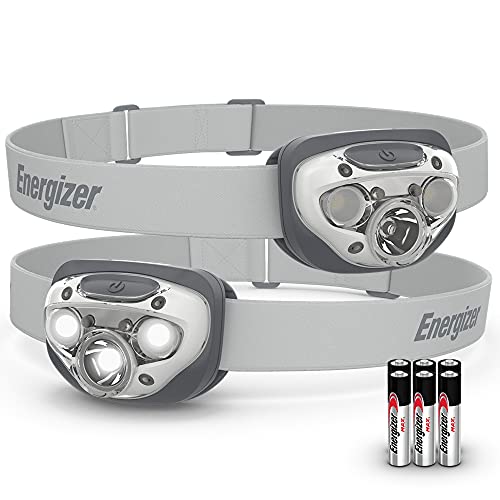
Energizer LED Headlamp PRO (2-Pack), IPX4 Water Resistant

Socool 40000mAh Camping Fan Rechargeable 136Hrs with Light & Timer

Socool Camping Fan with Light 20000mAh 112Hrs 8 Speeds Remote
Inside Each Recommended Option
Little ones tend to come back from a park outing with at least one scrape, which is exactly the moment this compact kit earns its place in your daypack. The Daniel Tiger theme turns a clinical-looking box into something kids recognize, and the 130-piece count covers the basics you reach for first: assorted bandages, gauze, antiseptic wipes, and a small set of instruments for splinter removal.
The case is sized for a diaper bag, stroller pocket, or carry-on, and the TSA-friendly format makes airport security simpler. Compared to the larger KeepGoing home kit covered next, this one trades depth for portability. You won’t outfit a full family vacation from it, but for a toddler’s everyday bumps, it’s a tidy grab-and-go option.
Strong Points
- Familiar character design lowers a child’s anxiety during first-aid moments
- Compact size slips into a diaper bag, stroller pocket, or carry-on without fuss
- Latex-free bandages suit sensitive skin and reduce reaction risk
- TSA-approved layout keeps airport screening stress-free
- Wide-enough bandage selection to handle the everyday variety of toddler scrapes
Things To Consider
- Piece count leans toward minor incidents rather than anything urgent on a long trip
- Themed exterior may not appeal to older kids who outgrow the character quickly
- Case material is lightweight, so overstuffed bags can stress the zip over time
Who It Suits Best
Parents of toddlers and preschoolers who want a small, recognizable kit for short outings, daycare backups, and car rides.
Look Elsewhere When
Road-tripping families with multiple children should consider the KeepGoing Large Home First Aid Kit for Kids (Signature) instead, since its deeper supply list covers more kids and more incidents in one box.
When the household has more than one child in the mix, the 130-piece Daniel Tiger kit can run thin faster than you’d expect. The Signature kit doubles down with 270 pieces, including burn relief, a fuller bandage assortment, and enough consumables to last through a season of ordinary bumps.
Unlike the smaller sibling, this one is built to stay home or ride in the family car. The Signature styling is also more grown-up, which helps when the kit sits on a kitchen counter or mudroom shelf rather than inside a character-themed backpack. For a household managing multiple ages, the depth matters more than the cute factor.
A Favorable Mix
- 270-piece count covers a busy family’s typical scrapes, burns, and splinters
- Mature Signature styling fits naturally in a kitchen or mudroom shelf
- Broader bandage and dressing variety reduces the need for separate refills
- Useful as a central kit that smaller travel kits can pull from
Worth Noting
- Size makes it awkward to toss in a daypack
- Some specialized items may expire before you use them if the kit sits untouched
Feature Snapshot
Made For
Families with multiple kids who want a single, central kit that handles everything from kitchen burns to playground injuries.
Reach For A Different Pick When
Frequent flyers should grab the KeepGoing Daniel Tiger’s Travel First Aid Kit, since its TSA-friendly size handles airports more comfortably.
Camping with kids changes the first-aid list. Splinters from firewood, tick checks at the end of a hike, and the occasional blister from new boots all show up on the same weekend. The EVERLIT Care Rescue Pack leans into that reality with a 200-piece count and a few outdoor-specific touches like moleskin for blisters and a tick removal tool.
Colorful waterproof bandages add a small bit of fun for kids who care about such things, and the compact storage bag is sized to fit in a backpack’s top pocket. Compared to the home-focused KeepGoing Signature kit, this one is built for travel and trails first, and home use second.
Noteworthy Benefits
- Moleskin pads address the most common hiking complaint: blisters
- Tick remover handles a concern that’s standard on wooded trips
- Colorful waterproof bandages stay put through stream play and sweaty hikes
- 200-piece count balances depth with a manageable pack size
Honest Caveats
- Outdoor extras mean fewer pure “boo-boo” bandages than the KeepGoing kids kits
- Internal organization is functional but not as tidy as a fully labeled home kit
Best Suited To
Camping families and casual hikers who want kid-friendly supplies with the outdoor-specific items a backyard kit usually skips.
Swap It Out When
Households that mostly handle kitchen and playground injuries at home should keep the KeepGoing Large Home First Aid Kit for Kids instead, since it carries more general-purpose supplies for indoor life.
Once the campfire dies down, the only light source you can count on is the one strapped to your head. The Energizer Vision HD+ headlamp is a familiar name in the category, and the two-pack format solves the “who took the other one” problem that always shows up on a second night of camping. IPX4 water resistance means a steady rain or a splash from the dish basin won’t kill the beam.
It’s a hands-free workhorse for setting up a tent, walking to the outhouse, or rummaging through a car trunk in the dark. Compared to the two Socool fans covered later, this is the unglamorous tool you’ll use more often than you expect on any trip.
Real-World Strengths
- Two-pack covers every member of a small group without splitting one unit
- Hands-free design handles tent poles, cooking, and trail walking after dark
- IPX4 rating shrugs off rain, splashes, and humid nights
- Adjustable strap fits adults and older kids without slipping
Soft Spots
- Battery compartment needs spares for longer trips
- Beam pattern favors distance over close-up flood, which can be too narrow for reading in a tent
Feature Rundown
Right Fit For
Campers, night-walkers, and anyone whose car emergency kit is overdue for an upgrade beyond the basic flashlight.
Not Your Match When
Trip planners focused on tent climate should pair this headlamp with the Socool Camping Fan with Light, which combines illumination and airflow in one unit for cramped sleeping setups.
Multi-day trips and hot-weather camping share one problem: a stuffy tent by midnight. The Socool 40000mAh fan is built to outlast those nights without daily recharging, and the 40000mAh cell (milliamp-hours, a battery capacity measurement) is the largest of the two Socool models on this list.
Four speeds, oscillation, a built-in light, and a timer turn it into a small climate unit rather than a simple fan. It works as well during a hurricane power outage as it does on a remote campsite, which broadens its role beyond pure camping. Compared to the smaller 20000mAh Socool model covered next, this one is the heavyweight with longer runtime and a more powerful motor at the cost of extra size.
The Upside
- Up to 136 hours of runtime extends across a long weekend without recharging
- 40000mAh battery doubles as a power source for small devices in a pinch
- Remote control adjusts speed from inside a sleeping bag
- Built-in light and timer reduce the need for a separate lantern or alarm clock
Points To Note
- Larger footprint than a personal fan, so plan car space around it
- Higher speeds drain the battery noticeably faster than the low setting
Quick Facts
Who Should Grab It
Overlanders, RV travelers, and homeowners preparing for hurricane season who want one fan that handles both base camp and emergency use.
Skip It When
Backpackers counting ounces should consider the Socool Camping Fan with Light (20000mAh), since it’s lighter and still handles tent duty for shorter trips.
Where the 40000mAh Socool fan is the overlander’s choice, this 20000mAh sibling is the tent dweller’s friend. It’s smaller, lighter, and packs more granular control with 8 speeds instead of 4, plus a digital display that shows the speed and timer at a glance.
The 270° pivot and auto oscillation move air across a wider arc than most portable fans, which matters in a tent where a fixed-direction breeze only cools one corner. A built-in hook lets it hang from a tent loop or tree branch when shelf space runs out. The trade-off versus the larger Socool fan is battery capacity: 112 hours at the lowest setting is solid, but heavy users will recharge sooner.
Points In Its Favor
- 8 speeds allow finer tuning between a whisper and a strong breeze
- 270° pivot covers more of a tent without moving the unit
- Hanging hook offers placement options when floor space is tight
- Digital display reads cleanly in low light, so you don’t have to guess the speed
Less Ideal Details
- Shorter battery life than the 40000mAh Socool for power-outage use
- More features mean a slightly steeper learning curve for the remote and timer
Whose Shelf It Belongs On
Tent campers and weekend trip planners who care more about airflow precision than multi-day battery endurance.
A Better Fit Elsewhere
Anyone prepping for extended blackouts should pick the Socool 40000mAh Camping Fan instead, since the larger battery gives longer coverage when there’s no power at all.
Choosing Camping Supplies That Actually Get Used
Match The Kit To Your Trip Type
The right gear depends less on what’s “best” in a vacuum and more on what kind of trips you actually take. A family doing weekend car camping needs different coverage than a backpacker counting ounces, and a household prepping for hurricane season lives in a third reality altogether. Start by listing the three or four trips you take most often, then let that list drive which supplies matter.
For households with small children, a layered first-aid approach works best. A central home kit handles the daily grind, while a smaller themed kit covers daycare, the car, and the playground. The two KeepGoing kids kits and the EVERLIT Rescue Pack all serve different spots in that layered setup, so the “right” answer often involves two of them rather than just one.
Consider Runtime And Battery Reality
Battery-powered gear is only as good as its runtime on the settings you’ll actually use. Manufacturers list maximum runtime at the lowest speed, which is quieter than what most people run at night. Halve the headline runtime as a working estimate for medium settings, and you’ll have a more honest picture of how long a fan or headlamp truly lasts.
IPX4 water resistance, the rating on the Energizer headlamp, means the device handles splashes and rain from any direction but is not built for full submersion. That’s the right level for camping and outdoor work, though it’s not a substitute for a truly waterproof enclosure near water sports.
Build A Real Pre-Trip Checklist
Once you’ve picked your core supplies, write down what each item is for before you pack. Camping supplies have a way of staying in the bag unused, which means they expire quietly or run out of charge at the wrong moment. A short checklist tied to specific scenarios (blister, power outage, night walk) makes each piece of gear earn its weight on the trip.
Key Considerations Across These Picks
Where Shoppers Go Wrong
The most common mistake is buying a single “do-everything” kit and expecting it to cover home, car, and trail equally well. No single box can be deep enough for the kitchen and light enough for a backpack at the same time. A layered setup, with a central home kit and a smaller travel kit, handles real life much better than one overloaded box.
Another slip is ignoring battery reality. Headlamp and fan runtime numbers are usually quoted at the lowest setting, so a fan rated for 112 hours may only run half that at medium speed. Plan for the speed you’ll actually use, not the spec sheet’s best-case number.
When Paying More Pays Off
The step up from the smaller Socool fan to the 40000mAh model buys you longer runtime and a heavier-duty motor, which matters during power outages and multi-day trips where recharging isn’t an option. For occasional weekend camping, the 20000mAh version is plenty, but anyone prepping for storm season will feel the difference. The same logic applies to first-aid kits: a 270-piece Signature kit replaces the need for several restocking trips over a busy season, which justifies the larger case for families.
Frequently Asked Questions
What should always be in a family camping first-aid kit?
A solid family kit covers adhesive bandages in multiple sizes, gauze pads, antiseptic wipes, a tick remover, moleskin for blisters, and a digital thermometer. The EVERLIT Care Rescue Pack covers most of that list out of the box, while the larger KeepGoing Signature kit adds burn relief for kitchen incidents at home.
How many lumens do you need in a camping headlamp?
For campsite tasks, tent reading, and short trail walks, 200 to 300 lumens is plenty. The Energizer Vision HD+ headlamp sits in that range and reaches far enough for most night-time needs. Backcountry runners and night hikers often want more, but for family camping the middle of the range is the sweet spot.
How long should a portable camping fan run per charge?
For a two-to-three-day weekend, 20 to 30 hours of usable runtime on medium speed is the practical minimum. Both Socool fans clear that bar on lower settings, and the 40000mAh model stretches into multi-day territory for users who run it gently.
Can a camping fan double as a power source?
Some larger battery-powered fans, including the Socool 40000mAh model, can top off phones and small electronics in a pinch. The smaller 20000mAh version has less reserve for that, so plan your device charging around the larger unit during extended trips.
Is a kids-specific first-aid kit worth it over a standard one?
For families with toddlers and preschoolers, a kid-themed kit reduces anxiety during first-aid moments and tends to be sized better for diaper bags and stroller pockets. Households with older kids often do fine with a general-purpose kit, but the character-friendly exterior has real value when little ones need wound care.
Closing Remarks
The right camping supplies come down to the trips you actually take and the people in your group. A small themed kit, a layered home setup, a reliable headlamp, and a fan that matches your climate are the four anchors most families end up needing. Pick from these six with your specific trips in mind, and the gear will earn its space on every outing.