
Cold nights in a tent or a small cabin get old fast, especially when the temperature dips below freezing and your sleeping bag stops cooperating. A portable electric heater turns that drafty shelter into a usable basecamp, drying wet socks and keeping gear from frosting over. The lineup below focuses on compact units that play nicely with camp power setups, small tents, and indoor spaces that just happen to be chilly.
The Leading Options At A Glance

DREO Space Heater 1500W PTC Ceramic Heater
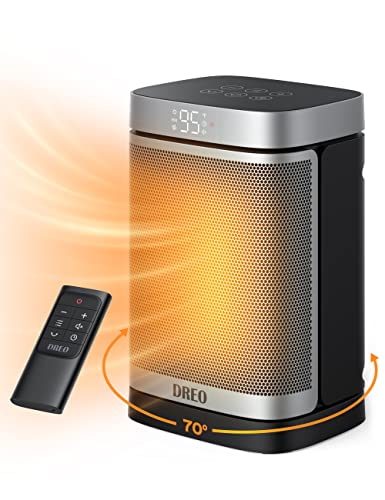
DREO Space Heater, Portable Electric Heater with Thermostat

DREO Quiet Space Heater 1500W with Remote

DREO Space Heater 1500W with 60° Adjustable Tilt
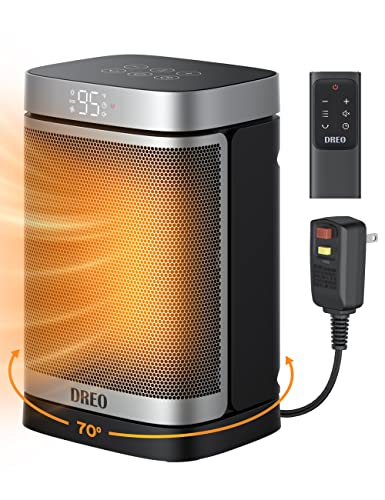
DREO Space Heater for Bathroom and Indoor Use

Ontel Handy Heater Pure Warmth 1200W Ceramic Heater
Ontel Handy Heater Turbo Wall Outlet Heater
What Each Pick Brings To The Table
PTC ceramic heaters use a positively temperature-sensitive element that self-regulates as it warms, which keeps the surface from running away hot. That safety story, paired with a tilt sensor and a quiet 34 dB output, makes the DREO 2026 Upgraded a sensible choice for a tent or a pop-up camper where the floor shifts underfoot.
With 1500W on tap and a claimed 2-second heat-up, it pushes warm air fast enough to take the chill off a small shelter before bedtime. The 12-hour timer lets you set it before turning in, and five operating modes cover low, high, eco, fan-only, and a thermostat target.
A Strong Showing
- Tilt-detection sensor cuts power if the unit tips, a real plus on uneven tent floors.
- Five modes including eco let you throttle output and stretch a portable power station.
- 12-hour timer handles overnight runs without manual babysitting.
- Remote control means you can adjust from inside a sleeping bag.
Things To Consider
- 1500W draws roughly 12.5 amps at 120V, so most small inverter generators and Jackery-style stations handle it only for short bursts.
- Owners commonly report the gold finish showing dust on the intake grille, so a quick weekly wipe helps airflow stay clean.
Feature Snapshot
Whose Shelf It Belongs On
Campers running a mid-size portable power station who want overnight warmth in a 4-season tent.
Reach For A Different Pick When
You mostly heat a humid basecamp bathroom, in which case the DREO Space Heater for Bathroom and Indoor is the more honest choice.
The DREO Atom One sits a step below the newer 2026 upgrade in features, but the heating core is essentially the same Hyperamics 1500W PTC platform. That means you trade the tilt sensor and 34 dB claim for a slightly lower cost, which matters when a heater lives in a gear bin between trips.
For cabin rentals, van builds, and indoor spaces that double as a basecamp, the Atom One covers the basics: a thermostat, a timer, and a carry handle that actually fits a gloved hand. Compared with the upgraded model above, the casing is a touch taller and the fan profile runs a bit louder, but the air output still pushes well past the front grille.
What It Does Well
- Hyperamics 1500W platform delivers consistent warmth across small to mid-size rooms.
- Built-in thermostat reduces cycling noise once the room hits the set temperature.
- Compact tower footprint fits next to a cot or a slide-out without hogging floor space.
Worth Noting
- Lacks the tilt sensor found on the upgraded DREO, so placement on a level surface matters more.
- Some owners mention the display brightness at night, and a piece of tape over the panel is a common workaround.
Right Fit For
Weekend campers outfitting a small cabin, van, or garage conversion who want reliable thermostat control without premium extras.
Skip It When
You camp in cold, high-wind conditions where directional aim matters, since the DREO 60° Adjustable Tilt model handles that better.
When the priority is sleeping through the night without a fan droning in your ear, a low-decibel heater earns its keep. The DREO Heater 319 keeps the same 1500W Hyperamics output as the rest of the line, but the blade geometry and motor tuning are dialed for a quieter burn.
For tent camping with a partner or a light sleeper in the next bunk, the difference between a 40 dB and a 34 dB fan profile is more dramatic than the spec sheet suggests. The remote also matters more than it sounds when the heater sits across a small shelter and you want to bump the thermostat without unzipping your bag.
Why It Works Well
- Tuned blade design keeps output noise closer to a desk fan than a hair dryer.
- Remote control is genuinely useful in a tent where the heater sits at ankle height across the floor.
- Carries the same Hyperamics platform, so warmth delivery matches the louder siblings.
Points To Note
- At 1500W it still pulls meaningful amps, so a true off-grid run requires a substantial battery bank.
- The remote uses a coin-cell battery that owners commonly forget to check between trips.
Key Product Details
Best Suited To
Light sleepers and couples sharing a tent who want warm air without a constant fan hum.
Consider Something Else When
You heat a damp space like a cabin shower, where the DREO Bathroom and Indoor model fits the wet-location bill.
Most tower heaters blast warm air straight forward, which wastes heat on the far wall of a long shelter. The DREO 1500W tilt head pivots manually from 0° up to 60°, so you can aim the output across a tent ridge instead of into empty canvas.
Pair that aiming with three operating modes and eight listed safety protections, and the unit starts to look like a small piece of kit rather than a generic appliance. Compared with the Atom One above, the air delivery is reported at 10.5 ft/s, which is faster than the typical tower fan and noticeably better at pushing heat across a drafty space.
Reasons It Performs
- Manual 60° tilt lets you direct warmth along a cot line or toward a wet gear corner.
- Eight safety protections add redundancy for unattended overnight runs.
- Faster air velocity than typical tower units, which helps in larger tent footprints.
Small Caveats
- The tilt is manual, not motorized, so adjusting means reaching the unit by hand.
- At full tilt some owners report a slight wobble on soft tent floors, so a flat hard surface still works best.
Who It Suits Best
Group campers running a 6 to 8-person tent who want to aim heat down a centerline rather than at one corner.
Look Elsewhere When
You only heat a personal footwell, since the DREO Quiet Space Heater 1500W covers that with less hardware.
An ALCI (Appliance Leakage Current Interrupter) plug is the difference between a heater that belongs in a tent and one that can stand next to a steamy shower. This DREO model cuts power instantly if the plug detects a fault or contact with water, which makes it the obvious call for damp basecamps, boat cabins, and tent-shower setups.
The trade-off is the same 1500W platform with slightly fewer headline features than the tilt model, since the ALCI circuit and waterproofing take up the engineering budget. For campers who keep a humid shower tent or a wet-entry cabin, that focus is worth more than a 60° pivot head.
Strengths Worth Knowing
- ALCI safety plug trips on contact with water, a real safeguard in a steamy shower tent.
- Runs quiet enough to keep on through a post-hike rinse without drowning out conversation.
- Compact tower shape fits on a small bathroom counter or shower bench.
Honest Caveats
- ALCI plugs are bulkier than a standard plug, so outlet clearance matters in older camp wiring.
- Owners commonly note the ALCI test button needs a monthly press to stay in working order, similar to a GFCI outlet.
Made For
Campers with a wet basecamp, a boat cabin, or a four-season tent vestibule that doubles as a shower space.
A Better Fit Elsewhere
You only need dry-camp warmth with no water nearby, since the DREO 2026 Upgraded is more feature-dense for that scenario.
Ontel positions the Handy Heater Pure Warmth as a personal ceramic unit rather than a room heater. At 1200W it sits below the DREO 1500W models on raw output, but the trade shows up in a smaller body that fits on a desk, a side table, or a crate between cots.
The included True Shield filter is a small but practical addition for campers dealing with dust, campfire smoke, or pollen drifting into the tent. Compared with the wall-plug Turbo model below, this one needs a free outlet or extension cord, which actually keeps the heater farther off the floor and away from tent debris.
Everyday Wins
- Ceramic heating element preserves moisture better than coil heaters, which helps avoid that dried-out tent nose feel.
- True Shield filter catches particulates that ride in on boots and gear.
- Lower 1200W draw is easier on smaller inverter generators and entry-level power stations.
Points To Note
- Not sized for whole-tent heating, so a 4-person canvas shelter will only warm a personal bubble.
- Owners commonly report that the filter needs a monthly rinse to keep airflow steady.
Feature Card
Who Should Grab It
Solo campers and van dwellers who only need a personal warm zone near a cot or a workstation.
Where Another Pick Suits Better
You want to free up floor space in a tight shelter, in which case the Ontel Handy Heater Turbo plugs directly into the wall outlet.
Plug-in wall heaters trade cable management for zero footprint, and that matters in a tent where the floor is also your storage surface. The Ontel Handy Heater Turbo plugs directly into a wall outlet and stays out of the way of boots, packs, and sleeping pads.
The unit claims coverage for rooms up to 250 sq. ft., though in a camp context that translates to a small cabin or a three-season tent rather than an open wall tent. An adjustable thermostat from 60 to 90°F and a 12-hour timer give you the same overnight control as a tower model in a much smaller package.
Bright Spots
- Wall-outlet design keeps the floor clear of cords and heater bodies.
- Adjustable thermostat in 1° steps lets you match the camp’s overnight temperature.
- 12-hour timer handles full-night runs without manual shutdown.
Less-Strong Areas
- Requires a properly grounded wall outlet, which is not always available in older camp structures.
- Owners commonly report the front grill running warmer to the touch than tower units, so placement away from sleeping bags matters.
Right Fit For
Campers packing into small shelters, bunkhouses, or van conversions where every square foot of floor counts.
Wrong Turns To Avoid
You have the floor space for a tower unit, since the DREO 2026 Upgraded handles larger tents with better airflow and stronger safety sensors.
Choosing Camping Space Heaters That Actually Fit Your Setup
Match Wattage To Your Power Source
Most portable heaters on the market pull 1200W to 1500W, and that number dictates everything from inverter sizing to battery runtime. A 1500W unit at 120V draws around 12.5 amps, so your camp power station needs a continuous rating above that or the inverter will shut down mid-cycle. Smaller 1200W models like the Ontel Pure Warmth ease that load by 20%, which adds up across an overnight run.
Decide Between Tower And Wall Outlet
Tower heaters push warm air farther and run quieter, but they take floor space you may not have in a tent. Wall-outlet models like the Ontel Turbo free up that floor but require a properly grounded receptacle and tend to run warmer at the outlet. The right pick depends on whether floor space or wall access is your tighter constraint.
Look For Real Safety Sensors
Tip-over sensors, ALCI plugs, and overheat cutoffs are not interchangeable, and the safest setup for a camp is the one that matches your environment. A tilt sensor handles uneven tent floors, while an ALCI plug protects wet basecamps and boat cabins. Skipping this check is the most common reason a portable heater ends up returned after one trip.
Plan For Noise And Sleep
Anything above 40 dB starts to compete with the sound of rain on a tent fly, and most heaters advertise their fan profile right on the spec sheet. Quieter models like the DREO 34 dB line make a real difference for light sleepers, even when the heating capacity is identical to a louder sibling.
Key Considerations Across These Picks
Common Buying Slip Ups
Plenty of campers buy a 1500W heater and a 1000W inverter, then wonder why the unit keeps cutting out. Match the heater’s continuous draw to your power station’s continuous output, not its peak. Another trap is assuming any indoor heater is safe for a tent, since outdoor-rated sensors and ALCI protection are not standard across the category.
Where The Extra Money Goes
Premium heaters earn their cost through sensors, quieter fans, and longer warranties on heating elements. The DREO 2026 Upgraded, for example, adds a tilt sensor and a 34 dB fan over the older Atom One, and that combination matters more in a tent than a 10% bump in raw output. Spend up when a feature solves a specific camp problem, and save when it does not.
Frequently Asked Questions
What size heater do I need for a small tent?
A 1500W ceramic heater covers most two to four-person tents, since the canvas walls hold heat close to the occupants. A 1200W unit works for solo setups or vestibules where you only need personal warmth.
Can I run a portable heater off a power station?
Yes, but the station needs a continuous inverter rating above the heater’s running draw. A 1500W heater needs roughly a 2000W continuous inverter to avoid mid-cycle shutdowns, and battery capacity dictates how long the heat actually lasts.
Are wall-outlet heaters safe for tent use?
Plug-in models like the Ontel Handy Heater Turbo are fine in tents with a grounded camp outlet, but they should never be used with extension cords or adapters. The front grill also runs warmer than a tower unit, so keep fabric and sleeping bags clear of the outlet face.
How quiet is a 34 dB heater in practice?
A 34 dB heater sits between a whisper and a quiet library, which most campers find easier to sleep through than a typical 45 to 50 dB tower fan. The actual sound depends on the mode you select, with eco settings running noticeably softer than high heat.
Do ceramic heaters dry out the air?
Ceramic elements tend to preserve moisture better than traditional coil heaters, though any electric heat source will lower humidity over a long run. Placing a shallow water dish nearby is a common workaround in small tents.
Wrap Up
A camping space heater is one of those upgrades that changes how a cold trip actually feels, especially once you stop dreading the hour before bed. The right pick depends on your shelter size, your power source, and how much floor space you can spare. Match the wattage to your inverter, decide between tower and plug-in, and pick a unit whose safety profile fits your camp environment. From there, the rest is just packing warm socks.