
A weekend off the grid used to mean rationing headlamp batteries and reading by sunset. Today’s portable panels let you recharge phones, camera batteries, power stations, and even small 12V rigs without a single outlet. The hard part is sorting foldable panels from rigid modules, and matching watts to what you actually need at camp. This shortlist covers seven options across beginner, mid-range, and high-output setups so you can pick the one that fits how you camp.
The Shortlist At A Glance
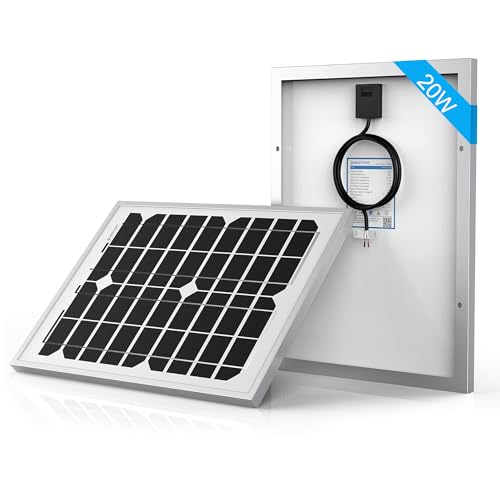
ACOPOWER 20W Mono Solar Panel for RVs and Boats
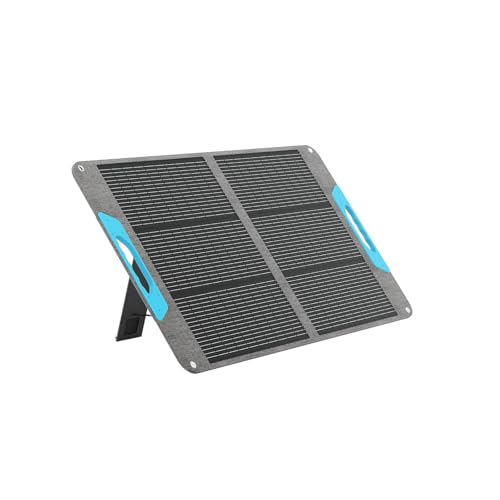
RENOGY REGO 100W Portable Solar Panel, Foldable

Callsun 200W Bifacial Solar Panel for 12V Systems

TWELSEAVAN 200W ETFE Foldable Solar Panel Charger

TWELSEAVAN 500W Portable Solar Panel for RV Backup

Traver Force 100W 12V Monocrystalline Solar Panel

TWELSEAVAN 250W Portable Solar Panel, HPBC Cell
More Details On Our Top Picks
Tiny, lightweight, and refreshingly simple, the ACOPOWER 20W mono panel is built for people who just want a small trickle-charge solution for a 12V battery. Toss it in a car trunk and prop it against a rock at camp; that low output is exactly the point.
The included blocking diode is a quiet but useful touch. It stops current from flowing back into the panel at night, which protects a battery bank from slow discharge while you sleep. For backpackers and tent campers charging phones and small power banks, it does the job without taking up space.
Standout Benefits
- Compact size makes it easy to carry in a daypack or vehicle door pocket.
- Built-in blocking diode prevents overnight battery drain.
- Waterproof construction handles dew, light rain, and morning condensation.
- Plugs straight into common 12V battery setups with no extra controller for basic use.
Things To Consider
- 20 watts is genuinely small; running a larger portable power station will be slow.
- Rigid design is less forgiving in uneven campsite terrain.
Feature Snapshot
Made For
First-time campers and weekend travelers who want an inexpensive entry into solar without a learning curve.
Consider Something Else When
The RENOGY REGO 100W Portable Solar Panel is a better match for anyone needing to recharge a mid-size power station on a multi-day trip.
The REGO 100W hits a sweet spot that the tiny ACOPOWER 20W can’t reach: enough power to refill a 500Wh portable power station in a long afternoon, yet still light enough to carry in one hand to a clearing in the woods.
Renogy built this one to fold down and unfurl fast. No roof mounting, no brackets, just lay it on a picnic table or hang it from a tree. For overlanders and road-trippers who move sites every couple of days, that portability is the whole reason to choose it.
Benefits That Matter
- 100 watts covers phones, lights, and small power stations in a single sunny day.
- Foldable design with integrated handles makes transport easy between campsites.
- Brand familiarity with off-grid installers means parts and add-ons are widely available.
Worth Noting
- You may find real-world output falls short of rated wattage in late afternoon or partly cloudy weather.
- The included cable length can feel short for setups where the panel sits away from the power station.
Best Suited To
Car campers and casual RVers who want dependable 100W output without committing to a permanent rooftop install.
Look Elsewhere When
The Callsun 200W Bifacial Solar Panel is a stronger call for full-time RVers ready to bolt a panel down for good.
The Callsun 200W is built differently from the foldable crowd. It’s a rigid glass-faced module with N-type cells and 16BB busbars, designed for permanent mounting on a van roof or a cabin. That bifacial design picks up reflected light from below, which matters when the panel is elevated off the ground.
For people running a real 12V house battery bank, the dual-module parallel anti-shade layout is a quiet advantage. One shadowed cell won’t choke the whole panel the way cheaper layouts can. Owners commonly report steady output even when a branch partially shades one corner.
Useful Highlights
- Bifacial design captures light reflected from ground or roofing material.
- Rigid aluminum frame handles years of sun, wind, and vibration on a vehicle roof.
- N-type cells maintain higher output in hot weather than older P-type modules.
- Parallel wiring design keeps the panel producing when part of the surface is shaded.
Trade Offs
- Heavier and bulkier than foldable options, so it’s not a panel you grab for tent camping.
- Requires proper mounting hardware and a charge controller for safe battery hookup.
Core Details
Whose Shelf It Belongs On
Long-term RVers, van-lifers, and off-grid cabin owners who mount once and harvest for years.
A Better Fit Elsewhere
The TWELSEAVAN 200W ETFE Foldable Solar Panel Charger suits people who need the same wattage without a permanent install.
This TWELSEAVAN panel is the foldable counterpart to the rigid Callsun above, and it leans hard into convenience. The ETFE laminate (a tough, UV-resistant polymer layer) handles heat and abrasion better than older PET coatings, which is a big reason the 24% conversion rate holds up across long days.
The built-in ports set it apart from simpler panels. QC3.0 and Type-C 60W outputs let you skip a power station entirely for phone and laptop top-ups. The MC4 connector on the back still drives a portable power station when you want to refill the big batteries.
The Case For It
- 24% efficiency with ETFE laminate gives reliable output in midday sun.
- Multiple ports charge small devices directly, reducing dependency on a power station.
- IP65 rating handles rain and dust at campsites without a cover.
- MC4 output stays compatible with most mainstream portable power stations.
Honest Caveats
- Folding panels can develop creak or fabric wear at hinge points after many setup cycles.
- Peak wattage assumes ideal sun angles, so you may see closer to 140-160W in real use.
Right Fit For
Power station owners who want one panel to handle both direct device charging and battery bank top-ups.
Skip It When
The TWELSEAVAN 500W Portable Solar Panel is worth the upgrade for anyone running a large 1kWh+ station at base camp.
This is the panel you bring when 100 or 200 watts feels like rationing. The HPBC cell tech (a back-contact cell design that moves electrical contacts to the rear of the cell for more light-catching surface area) keeps output steady even when clouds roll in, which is the kind of detail that matters on multi-day trips where weather changes daily.
The 42V high-voltage design also shifts more efficiently through longer cable runs to a power station, so you can place the panel in full sun while the station sits in the shade. For serious van setups and small off-grid cabins, that flexibility changes how you use solar day to day.
A Strong Showing
- 500W handles large power stations and small household battery banks.
- HPBC cells maintain roughly 10% output in low-light conditions like overcast skies.
- Higher voltage design reduces line loss on longer cable runs to the power station.
- Well matched to full-time RV and van life energy demands.
Points To Consider
- Bigger folded footprint and weight make it less suited to backpack or paddle trips.
- Best paired with a high-capacity power station to absorb the full output.
Who Will Love This
Full-time van dwellers and cabin owners running refrigerators, lights, and charging hubs off solar.
Reach For A Different Pick When
The RENOGY REGO 100W Portable Solar Panel is a smarter size for occasional weekend trips where 500W feels like overkill.
The Traver Force 100W is a classic rigid panel for permanent or fixed-position mounting. The 10BB cell design (10 thin conductive ribbons running across each cell) bumps efficiency over older 5BB layouts, and every panel reportedly passes electroluminescence testing to catch microcracks before shipping.
Mount it on a cabin roof, bolt it to a boat deck, or set it on a ground frame at base camp. It’s the kind of workhorse panel that disappears into the background and just produces power, which is exactly what most off-grid setups need.
A Few Strong Suits
- 10BB cell layout improves energy capture over older 5BB designs.
- Rigid aluminum frame is built for years of outdoor mounting.
- Works directly with common 12V battery banks in RVs, boats, and cabins.
- EL-tested panels reduce the chance of shipping a unit with hidden cell damage.
Small Caveats
- Rigid form factor means it needs a flat mounting surface or frame.
- You may find glass surfaces need occasional cleaning in dusty or pollen-heavy areas.
Feature Card
Perfect Match For
Traditional RVers and cabin owners who prefer rigid permanent panels over foldable designs.
Where A Sibling Pick Shines
The TWELSEAVAN 250W Portable Solar Panel fits better when you need similar reliability in a packable form factor.
The 250W TWELSEAVAN sits between mid-size foldables and the heavy-duty 500W unit. What sets it apart is the IP68 rating, which is one step beyond the IP65 common on competitors, meaning the panel tolerates full submersion briefly and handles coastal spray and rain without flinching.
Pair that with the HPBC cells and you get a panel that produces at dawn, dusk, and through overcast mornings when other panels sit idle. For shoulder-season campers and rainy-climate travelers, those extra hours of usable light can be the difference between a charged power station and a quiet night.
What Stands Out
- IP68 sealing handles heavy rain, spray, and damp storage conditions.
- HPBC cells maintain steady power through low-light windows.
- ETFE surface with 95% light transmittance protects cells from scratches.
- Hot-spot shield reduces long-term cell damage risk in shaded conditions.
A Few Limitations
- Folded size is larger than a 100W panel, so it eats more trunk or storage space.
- Pairs better with mid-to-large power stations than small battery banks.
Key Product Details
Who Should Grab It
Wet-climate campers, shoulder-season travelers, and coastal boaters who need reliable output beyond midday sun.
Swap It Out When
The Traver Force 100W 12V Monocrystalline Solar Panel is a more affordable option for fair-weather trips with lighter power needs.
Picking The Right Camping Solar Panels For Your Trips
Solar panel shopping feels overwhelming at first because every spec is a tradeoff. Wattage, weight, foldability, and weather resistance each push against each other, so the right answer depends on how you actually camp.
Match Wattage To Your Power Station
Most portable power stations accept a range of input wattage, and pairing the panel to the station matters more than chasing the highest watt number. A 100W panel works well for 300-500Wh stations, while 200-250W panels keep larger 1kWh banks fed through a long day. Oversizing a panel to a small station mostly wastes money.
Decide Between Rigid And Foldable
Rigid panels like the Callsun 200W and Traver Force 100W reward permanent mounting with longer service life. Foldable panels like the RENOGY REGO 100W and TWELSEAVAN 200W trade some durability for the freedom to chase the sun and pack the panel away when you drive. Your trip style usually makes the choice for you.
Pay Attention To Cell Type And Efficiency
Monocrystalline cells are the standard for good reason. N-type cells, HPBC designs, and higher busbar counts (the thin metal ribbons that carry current across each cell) all add up to better output per square inch, especially in heat or low light. The headline efficiency number, typically 23-26% on these picks, gives a quick comparison point between models.
Look At Weather Sealing Honestly
IP65 is enough for most rain. IP68, like on the TWELSEAVAN 250W, adds confidence for coastal spray, snow, and damp storage. Think about where you camp and how you store the panel between trips before paying for protection you won’t use.
Smart Considerations Before You Buy
Mistakes Worth Dodging
Buying more wattage than your power station can accept is the most common slip. The second is ignoring cable length, which forces awkward placement in full sun while the station sits too far away. A third trap is choosing a rigid panel for trips where you’ll move sites every few days, then wishing you had a foldable one instead.
When Paying More Pays Off
Higher-tier panels like the TWELSEAVAN 500W and Callsun 200W earn their place through better cells, stronger weather sealing, and more consistent output in imperfect sun. You feel that value most on longer trips and permanent installs. For weekend tent camping with light charging needs, a budget-friendly 100W covers the basics without stretching the wallet.
Frequently Asked Questions
How Many Watts Do You Need For Camping Solar Panels?
A 100W panel handles phones, headlamps, and small power banks on weekend trips. For a portable power station above 500Wh, step up to 200W or more. Full-time van or cabin setups usually want 300-500W to keep batteries topped up through variable weather.
Can Camping Solar Panels Charge A Power Station Directly?
Most modern portable power stations accept solar input through a built-in MPPT controller. You connect the panel’s MC4 or Anderson plug to the station’s input port and let the station manage the battery. No separate charge controller is required for everyday use.
Do Solar Panels Work In Cloudy Weather?
Cloud cover reduces output but doesn’t stop production. HPBC and N-type cells hold up better than older designs, sometimes producing 10-25% of their rated wattage in overcast conditions. Realistic expectations matter more than the headline rating on partly cloudy days.
How Long Do Camping Solar Panels Last?
Quality portable panels typically last 5-10 years with reasonable care. Foldables benefit from being stored dry between trips. Rigid panels last longer because there are no fabric hinges to wear out. UV exposure gradually reduces efficiency on any panel, so covering them when stored extends service life.
Are Folding Solar Panels As Good As Rigid Ones?
Folding panels trade some long-term durability for portability. For trips where you move the panel daily or weekly, that’s a worthwhile trade. For permanent rooftop installs on a van or cabin, rigid panels usually last longer and produce more consistently over years of service.
Final Take
The best camping solar panel is the one that matches your wattage needs, your trip style, and your climate. Start with the power station you own or plan to buy, then choose a panel that fills it in a realistic sun window. Foldable for movement, rigid for permanence, and HPBC cells when weather is unpredictable. Any of these seven will serve you well on the right trip.