
A good night’s sleep in the backcountry hinges less on your tent and more on what sits between you and the ground. The right camping sleeping mat balances warmth, cushion, packed size, and weight, and the wrong one ends a trip with sore hips and a cold back. This guide breaks down seven mats across self-inflating, closed-cell, and hybrid foam-and-air designs so you can match your next purchase to your terrain, your pack, and the way you sleep.
A Closer Look At The Lineup

Sea to Summit Camp Plus SI Sleeping Mat
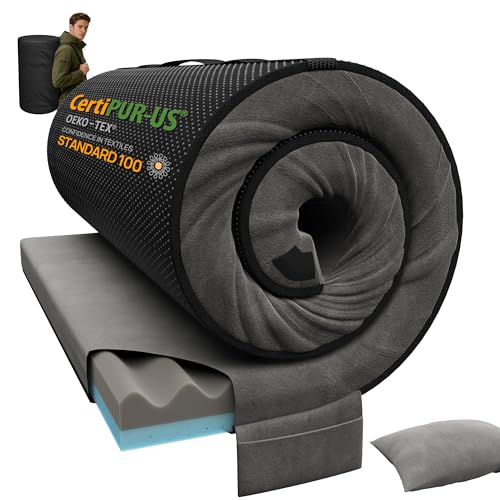
Releep 3-Inch Dual-Sided Memory Foam Camping Mattress

Therm-a-Rest Z Lite Original Sleeping Pad

Elegear Self-Inflating Sleeping Pad with Pillow
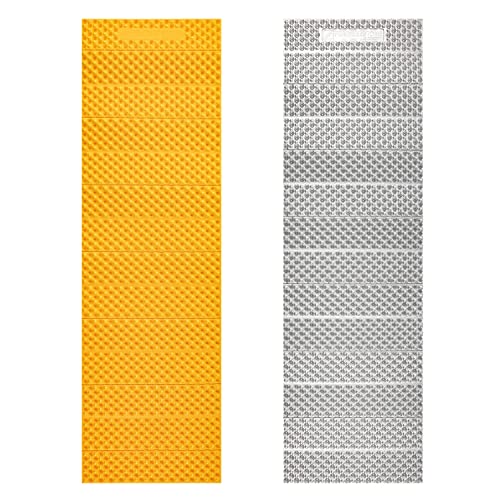
Featherstone El Cordion Insulated Closed-Cell Foam Pad

Elegear Air & Foam Self-Inflating Pad with Electric Pump
Elegear Air & Foam Camping Mattress with Air Pump
Why These Options Stand Out
Built for shoulder-season trips and cold nights, this self-inflating mat pairs a 2.6-inch foam core with a 4.3 R-value (an R-value measures a pad’s ability to resist heat loss to the ground; higher numbers mean more insulation), which keeps warmth between you and frozen ground far longer than thinner rivals. The tapered shape shaves weight for backpackers who don’t need a wide platform, and the multi-function reversible valve lets you top off firmness with a few breaths after the foam does most of the work.
Compared to the Releep memory foam pick that follows, this one packs down smaller and inflates on its own, so it suits trips where carry weight and storage space matter. Side sleepers and restless tossers get genuine cushion from the dense foam, and the tapered cut leaves room inside two-person tents without crowding your partner.
What Helps Most
- Self-inflating foam saves breath and patience after a long hike
- 4.3 R-value handles frosty ground through most of the year
- 2.6-inch thickness cushions hips and shoulders without a soft, sinking feel
- Tapered profile trims packed weight and fits narrow tent floors
- Reversible valve makes fine-tuning firmness fast and pack-up quick
Trade-Offs To Consider
- Bulkier roll than ultralight closed-cell foam for fast-and-light missions
- Premium price tier that may not suit casual weekend budgets
Built With In Mind
Campers tackling spring, fall, and winter trips on snow or frozen ground who want real insulation without carrying an air pad.
Look Elsewhere When
Thru-hikers counting every ounce should consider the Therm-a-Rest Z Lite Original instead, which shaves significant weight for the trail.
If your idea of roughing it includes a pillow, the Releep brings a portable pillow along with a 3-inch foam profile that feels closer to a guest bed than a backcountry pad. The dual-sided design layers memory foam over denser support foam, which cradles pressure points and keeps your spine lined up on uneven tent floors. It rolls up into the included carry bag for transport between car and campsite.
Unlike the Sea to Summit pick above, this one stays in car-camping and base-camp territory since the bulk and weight would frustrate anyone carrying it far. The waterproof surface shrugs off condensation and the occasional spilled coffee, and the roll-up format also doubles as a spare guest bed for visiting friends.
Useful Touches
- 3-inch dual-layer foam delivers plush, supportive sleep
- Built-in portable pillow saves packing and setup time
- Waterproof surface handles condensation and spills without damage
- Carry bag keeps the roll tidy in trunks and gear closets
Points To Keep In Mind
- Too bulky and heavy for backpacking beyond a short walk from the car
- Memory foam holds body heat, so warm-sleepers in summer may feel too toasty
Whose Shelf It Belongs On
Car campers, SUV overlanders, and hosts who want one mat that pulls double duty as a guest bed or tent platform.
A Better Fit Elsewhere
Backpackers chasing trail miles will prefer the Featherstone El Cordion Insulated Pad for its lighter carry and warm closed-cell construction.
The accordion-folded Z Lite has earned its place on trail registers and PCT (Pacific Crest Trail) packs for decades. Closed-cell foam means it cannot pop, leak, or deflate at altitude, which is exactly the kind of reliability thru-hikers need when resupply towns are days away. Dimples in the surface trap a thin layer of warm air beneath you, softening the cold bite of bare ground on chilly evenings.
Compared to the Elegear memory foam pad below, the Z Lite trades plush cushion for toughness and packability, folding into a brick that ties to the outside of any pack. You sacrifice comfort for absolute dependability, and for many miles that trade feels right.
Where It Helps
- Closed-cell foam survives rough ground, sharp rocks, and careless packs
- Accordion fold deploys in seconds and stows on a pack exterior
- Trusted by mountaineers and long-distance hikers across generations
- Budget tier that fits a starter kit without cutting corners on reliability
Some Limits To Know
- Thinner profile means side sleepers feel pressure on hips and shoulders
- Modest warmth suits three-season use but may fall short in deep winter
Right Fit For
Thru-hikers, section hikers, and alpinists who need a no-fail mat for trips where a puncture would end the adventure.
Swap It Out When
Campers prioritizing cushioned sleep at base camp should consider the Elegear Self-Inflating Sleeping Pad with Pillow, which adds real loft and a headrest.
With 26D (a density rating where higher numbers mean firmer, more durable foam) memory foam and a 3.15-inch loft, this self-inflating mat sits between the plush Releep and the firmer Sea to Summit in feel. The integrated pillow section saves you from stuffing a jacket under your head, and the foam expands on its own once you crack the valve, which removes the lung-bursting routine of older inflatables.
Unlike the Therm-a-Rest Z Lite above, this pad adds comfort that families and casual campers actually notice on the first night. It works well for weekend trips at state parks and scout outings where setup ease matters more than shaving ounces.
Well-Handled Touches
- 26D foam density distributes body weight and eases pressure points
- Built-in pillow eliminates one more item to pack and inflate
- Self-inflating core simplifies setup for new campers and kids
- 3.15-inch loft suits side sleepers better than thinner pads
Honest Caveats
- Bulky packed size rules out serious backcountry use
- Foam-only warmth leaves cold-weather campers wanting more insulation
Who Should Grab It
Family campers, scout leaders, and weekend outdoor folks who want comfort and convenience without learning valve tricks.
Consider Something Else When
Backpackers tackling shoulder-season trails should look at the Sea to Summit Camp Plus SI Sleeping Mat for stronger insulation in a tighter roll.
Key Product Details
The El Cordion trades the Z Lite’s classic egg-crate texture for hexagonal nodes that the brand says lift you higher off the ground and trap more warm air. Cross-linked polyethylene foam paired with a heat-reflective film gives this mat a tested 2.1 R-value, which is enough for cool three-season nights in the mountains. It folds small enough to slip behind a backpacker’s shoulder strap without unbalancing the load.
Where the Therm-a-Rest Z Lite feels minimalist, this one leans into engineering, and the upgrade shows up in warmth-per-ounce numbers that thru-hikers care about. It still carries the same indestructible closed-cell feel, so punctures stay a non-issue across long trails.
Why It Works Well
- ASTM F3340-rated 2.1 R-value (a standardized warmth rating) holds warmth on cool nights
- Hexagonal nodes lift the sleeper higher than flat foam competitors
- Closed-cell construction eliminates puncture worries on rugged trails
- Lightweight build suits ultralight pack setups and long routes
Where It May Fall Short
- Less cushion than self-inflating mats, so restless sleepers may notice the ground
- Reflective film may crinkle audibly when shifting positions during the night
Best Suited To
Thru-hikers and ultralight backpackers chasing three-season routes where every gram and every degree of warmth matters.
Where A Sibling Pick Shines
Car campers wanting plush comfort should consider the Releep 3-Inch Dual-Sided Memory Foam Camping Mattress instead, which trades warmth-per-ounce for thick foam cushion.
Feature Snapshot
For campers who want thick comfort without the workout, this 4-inch pad inflates at the push of a button. The built-in electric pump pulls air in and pushes it back out for pack-up, and the foam layer adds insulation and stability that pure air mats often lack. The full-size format suits couples or anyone who sprawls in their sleep.
Compared to the Elegear Air & Foam Camping Mattress with Air Pump that follows, this model leans on electric power rather than a manual pump, which means a charged source matters. It works best in RV parks, cabin tents, and driveway camping where convenience outweighs minimalism.
The Case For It
- One-touch electric inflation removes the lung-bursting inflation routine
- 4-inch loft delivers mattress-like comfort on tent floors
- Hybrid foam-and-air design improves stability compared to pure air pads
- Vacuum compression storage shrinks the packed size for transport
Practical Considerations
- Electric pump needs a power source, limiting off-grid use
- Heavier than air-only or foam-only rivals, so backpackers should look elsewhere
- Reported pump runtime limits mean long trips require a backup inflation plan
Who Will Love This
RV campers, glampers, and families with car-side power who want plug-and-play comfort without manual inflation.
Reach For A Different Pick When
Backcountry travelers without electricity should consider the Therm-a-Rest Z Lite Original for a manual, no-fail option.
Quick Facts
This single-person mat stacks 26D memory foam over an air chamber base to balance plush feel with the lighter carry of an inflatable. The included manual air pump lets you inflate without batteries or a power outlet, which keeps the setup portable for tent sites without electricity. At 4 inches of total loft, it gives side sleepers the hip and shoulder cushion they usually miss on thinner pads.
Unlike the electric Elegear model above, this one trades automatic inflation for manual pumping, which means a few minutes of effort at bedtime. The hybrid design earns its keep on trips where you want foam comfort without the bulk of a fully foam-filled roll.
Useful Highlights
- Foam-over-air construction supports side sleepers and pressure points
- Manual air pump works anywhere without needing power or batteries
- 4-inch loft softens rocky and root-strewn tent floors
- Lighter than full foam mats while offering similar cushion
Trade-Offs To Consider
- Manual pump adds setup time versus electric and self-inflating rivals
- Foam-and-air hybrid carries more weight than pure closed-cell options for backpackers
Made For
Side sleepers and campers who want foam comfort with easier storage than full memory foam rolls.
Not Your Match When
Ultralight backpackers should consider the Featherstone El Cordion Insulated Pad, which trades loft for trail-friendly weight.
Feature Rundown
What Matters Most Before Choosing Camping Sleeping Mats
Warmth And R-Value. An R-value measures how well a pad blocks heat loss to the ground, and the rule is simple: colder trips demand higher numbers. Three-season backpacking usually calls for an R-value between 2 and 4, while winter snow camping often requires 5 or more. Pair your pad’s R-value with your sleeping bag’s comfort rating so the system as a whole handles the temperature you expect.
Thickness And Sleep Position. Side sleepers benefit from pads at least 3 inches thick to keep hips and shoulders off the ground, while back and stomach sleepers can manage with thinner profiles. The Sea to Summit and Elegear foam picks land in the comfort zone for side sleepers, while the Therm-a-Rest Z Lite prioritizes packability over loft.
Weight And Packed Size. Backpackers measure gear in ounces, and a one-pound difference adds up across a week of hiking. Closed-cell foam pads like the Z Lite and Featherstone El Cordion shave weight, while self-inflating and hybrid foam mats trade grams for thicker cushion. Match your pack size to your trip: car camping forgives bulk, and thru-hiking does not.
Inflation Style And Convenience. Self-inflating mats do most of the work once you crack the valve, hybrid pads need a pump, and closed-cell foam unfolds in seconds. For campers who hate bedtime routines, electric or self-inflating picks simplify setup. For minimalist travelers, foam pads never fail and never need repair patches.
Common Slip-Ups And Smart Trade-Ups
Mistakes Worth Dodging
Picking a pad based on thickness alone ignores R-value, and cold ground can sap body heat even through a thick foam pad. A common trap is choosing a self-inflating mat for long-distance backpacking without checking packed size, since self-inflating rolls run larger than closed-cell rivals. Another misstep is trusting a high R-value without confirming the rating standard, because older numbers from pre-2020 testing can read optimistic.
Where The Extra Money Goes
Premium pads earn their cost through denser foam, ASTM-verified warmth ratings (the standardized R-value test from ASTM International), and valves that actually seal after hundreds of inflations. Higher-tier models also tend to use cross-linked or irradiation-treated foam (foam strengthened by exposure to radiation for durability and consistency) that resists permanent compression, so the pad keeps its loft season after season. The upgrade makes sense for cold-weather campers, frequent backpackers, and anyone who values a deeper, more restorative night’s sleep over the entry-level price gap.
Frequently Asked Questions
What R-value do I need for camping?
For summer camping above freezing, an R-value around 2 handles most nights. Shoulder seasons call for 3 to 4, and snow camping usually needs 5 or higher to stay warm.
Are thicker sleeping mats always more comfortable?
Not always, because support and foam density matter as much as thickness. A 3-inch pad with dense memory foam can feel more stable than a 4-inch pad with soft, airy fill that bottoms out under your hips.
Can I use a self-inflating mat for backpacking?
Yes, if you can tolerate the larger packed size. Self-inflating mats add comfort at the cost of pack volume, which works for short routes but frustrates long-distance hikers.
How do I store a foam sleeping mat between trips?
Store foam mats unrolled or loosely folded in a dry place to help the foam recover its shape. Tight compression for long periods can permanently reduce loft.
Are closed-cell foam pads warm enough for winter?
Most closed-cell pads handle cool three-season nights, but winter camping usually demands higher R-values found in insulated self-inflating or hybrid air pads. Stack a closed-cell pad under an insulated inflatable for a redundant winter setup.
Closing Remarks
Camping sleeping mats shape the way a trip ends and how the next one starts, so the right match pays back every night you spend outside. Walk through warmth, weight, and setup before you commit, and the mat that earns a place in your pack will quietly do its job while you sleep. For trail-light missions, lean on closed-cell foam; for base-camp comfort, give yourself the loft of foam or hybrid designs.