
A good night’s sleep in the outdoors depends less on fancy gear lists and more on how well your sleeping bag matches the conditions and your body. Cold snaps, damp tents, and restless kids each demand something different, so the right pick varies widely. This roundup walks through four options built for distinct scenarios, from winter expeditions to toddler nap time.
The Choices Worth Comparing

deuter Exosphere -10° SL Sleeping Bag for Women
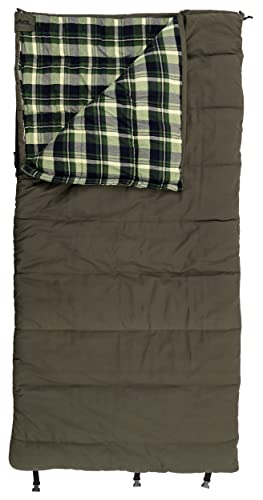
ALPS OutdoorZ Redwood -25 Sleeping Bag

Stephen Joseph Toddler Nap Mat with Blanket and Pillow

PTEROMY Lightweight Water-Resistant Sleeping Bag
Meet The Standout Selections
The deuter Exosphere -10° SL takes aim at backpackers who run cold and prefer gear cut to their frame rather than downsized from a unisex template. The “SL” label signals Deuter’s women-specific fit, meaning a shorter overall length and added insulation around the kidneys and feet, the two zones where women tend to lose heat fastest on chilly ridgelines.
For shoulder-season trips where temperatures dip below freezing but weight still matters, the synthetic fill offers a dependable balance. You’ll spend less time fussing over condensation than you would with a down bag, and a damp night in a poorly sealed tent won’t leave you shivering until dawn.
Key Advantages
- Body-mapped insulation concentrates warmth where you lose it most, which matters more than overall fill weight for restless sleepers
- Synthetic fibres tolerate damp conditions better than down, so a wet pack cover won’t ruin your night
- Elastic seam construction moves with you during side sleeping, useful for anyone who shifts positions a lot
- Women’s-specific length suits campers up to roughly 175 cm, eliminating the dead air space that makes unisex bags feel drafty
- Versus the ALPS OutdoorZ Redwood -25 reviewed below, this bag trades extreme cold ratings for a far lighter pack weight
Points To Note
- Synthetic fill packs bulkier than equivalent down, so your compression sack will work harder
- Rating targets shoulder seasons; deep winter camping demands a heavier-weight bag
Whose Trail It Belongs On
Women backpackers tackling three-season routes who want warmth dialed to their body rather than a unisex fit.
Reach For A Different Pick When
The ALPS OutdoorZ Redwood -25 serves sub-zero car campers better, since its oversized cut handles heavy winter layering.
The ALPS OutdoorZ Redwood -25 is built for nights when mummy bags feel like sleeping in a body bag. Its oversized rectangular shape gives you room to wear a base layer, stash a water bottle inside, or simply stretch out after a long day of breaking trail through snow.
Techloft Insulation (multi-hole siliconized synthetic fibres) fills the loft, trading some compressibility for warmth that holds up when humidity creeps in. For car camping, hunting trips, and base-cabin shoulder seasons, the trade-off usually favours comfort over pack size.
What Stands Out
- Rectangular profile allows free movement and clothing layers, which heavier sleepers and side-loungers appreciate
- Techloft fill resists moisture better than untreated down, helpful in wet snow or condensation-heavy tents
- Rated for serious cold, so late-season hunters and winter campers get genuine overnight protection
- Compared to the deuter Exosphere -10° SL, this bag handles substantially colder conditions at the cost of packability
Trade-Offs To Consider
- Bulky when stuffed, meaning limited appeal for anyone counting grams on a backcountry trek
- More material equals more drying time once the bag gets wet, so plan for airing it out on multi-day trips
- The rectangular shape sacrifices some thermal efficiency compared to a contour-hugging mummy
Technical Sheet
Built With In Mind
Winter car campers, hunters, and anyone camping in sub-zero conditions who values room to move over packability.
Swap It Out When
The PTEROMY Lightweight Sleeping Bag suits backpackers who’d rather save weight and only need three-season warmth.
The Stephen Joseph Toddler Nap Mat handles a category the others in this roundup don’t touch: preschoolers who need a self-contained nap mat for daycare, preschool, or visits to grandparents. Unlike the adult-oriented bags above, this is a single connected piece with a built-in blanket and a removable pillow.
Polyester construction holds up to repeated washing, a real concern when little ones drag their nap gear across playground floors. The camo print is just one of several designs, and the carry handle plus hook-and-loop closure makes it simple for small hands to manage on their own.
Features That Help
- Connected design means no lost blanket or pillow, a common frustration with separate nap sets
- Hook-and-loop straps and a carry handle let kids tote it independently, building confidence at daycare drop-off
- Polyester fabric handles frequent machine washing, which matters when spills and messes are daily events
- Front pocket stores small comfort items like a stuffed animal or pacifier
- Compared to adult camping bags in this list, the value here sits in age-appropriate sizing rather than thermal performance
Honest Caveats
- Not designed for outdoor camping in cold temperatures; this is an indoor nap solution
- Polyester can feel warm in non-air-conditioned rooms, so lighter pajamas help on hot days
Right Fit For
Parents of toddlers and preschoolers needing a washable, kid-friendly nap mat for daycare, preschool, or travel.
A Better Fit Elsewhere
The PTEROMY Lightweight Sleeping Bag suits families introducing older kids to real tent camping in mild weather.
The PTEROMY Sleeping Bag targets backpackers and casual campers who want a do-most-things option for spring through fall. The comfort range sits between roughly 50°F and 80°F, covering the majority of fair-weather trips without dragging extra weight up the trail.
At 7 feet 2 inches long and 2 feet 7.5 inches wide, it accommodates taller adults comfortably, and the machine-washable shell saves you from paying for specialty cleaning after a dusty desert weekend. Water-resistant outer fabric adds peace of mind when condensation beads on tent walls overnight.
Strengths Worth Knowing
- Lightweight construction suits backpackers who’d rather not sacrifice pack space for sleep comfort
- Machine-washable design simplifies post-trip cleanup, which matters when the bag sees frequent weekend use
- Water-resistant outer fabric handles light moisture and tent condensation without soaking through
- Roomy dimensions fit adults up to 6’7″ without compressing shoulders
- Versus the ALPS OutdoorZ Redwood -25, this bag packs down far smaller for multi-day treks
What To Weigh
- Three-season rating means late fall or winter camping pushes beyond its comfort range
- Water resistance handles light moisture, not submersion, so a proper rain fly still matters
Who Should Grab It
Spring-to-fall backpackers and casual campers who want one versatile, packable bag for fair-weather trips.
Look Elsewhere When
The deuter Exosphere -10° SL fits women who camp into shoulder-season cold snaps and need more thermal headroom.
What To Know Before Choosing Camping Sleeping Bags
Temperature Ratings Versus Real Conditions
A sleeping bag’s temperature rating tells you the lowest air temperature at which an average sleeper stays warm, but real campsites rarely match lab conditions. Ground temperature, wind chill, and humidity all steal heat faster than the rating suggests, so most experienced campers pick a bag rated 10°F colder than the lowest forecast temperature they expect. The ALPS OutdoorZ Redwood -25 covers serious cold, while the PTEROMY handles mild nights comfortably.
Insulation Type and Climate Match
Down fill offers the best warmth-to-weight ratio but loses loft when wet, making it a poor choice for damp climates or beginners still learning tent ventilation. Synthetic insulation, used in the deuter Exosphere and the Redwood, holds warmth even when damp and dries faster, though it packs bulkier. Your typical forecast and terrain matter more than marketing claims here.
Fit, Shape, and Sleep Style
Mummy bags trap heat efficiently but feel restrictive if you shift positions. Rectangular bags like the Redwood let you stretch out but sacrifice thermal efficiency. Women-specific cuts (like the Exosphere -10° SL) reduce dead air space and add insulation where you need it most. Picking a shape that matches your sleep style makes the difference between restless tossing and waking up actually rested.
Weight and Packability Trade-Offs
Backpackers count every gram, so lightweight picks like the PTEROMY shine on multi-day routes. Car campers can afford bulkier, warmer bags since weight matters less than comfort. Match the bag’s packed size to your trip type, not just its warmth rating.
Key Considerations Across These Picks
Where Shoppers Go Wrong
The most common slip-up is choosing a bag based on its lowest temperature rating alone, ignoring shape, fit, and insulation type. A -25°F rectangular bag feels heavenly for a car camper but punishes a backpacker hauling it up a mountain. Match the bag to your trip type, not just the forecast.
Where The Extra Money Goes
Higher-priced bags typically spend the difference on better fill power, refined shell fabrics, and women-specific patterning. The jump pays off for serious backpackers who camp often in variable weather, but casual weekend campers rarely notice the upgrade. Spending up makes sense when weight, repeated use, or specific fit features matter to your trip style.
Frequently Asked Questions
What temperature rating should I look for?
Pick a bag rated 10°F below the coldest forecast you expect, since ground and wind chill reduce effective warmth. Three-season bags around 20-40°F handle most spring and fall trips.
Are synthetic sleeping bags better than down?
Synthetic fill handles moisture and costs less, while down packs lighter and lasts longer with care. Choose synthetic for damp climates and beginners; choose down for dry, weight-conscious trips.
Can I machine wash any sleeping bag?
Most synthetic bags tolerate gentle machine washing, including the PTEROMY featured above. Down bags need front-loading washers and careful drying to protect the fill.
How do I store a sleeping bag long term?
Store it loosely stuffed in a large cotton sack, never compressed in its stuff sack for months. Compression damages loft over time and reduces warmth.
Do women’s sleeping bags really run warmer?
Women’s-specific bags add insulation in the kidneys and feet, where women tend to lose heat faster. The cut also suits smaller frames, eliminating drafty dead air.
Closing Remarks
The right sleeping bag depends on where you’re going and how you sleep, not just a single temperature number. Match the shape, fill, and fit to your trip style, and you’ll sleep better regardless of the forecast. Start with the conditions you actually camp in, then pick the bag that solves for those.