
A flat, cold patch of dirt can ruin a trip faster than a leaky tent. The right camping sleep pad matters because ground heat loss sneaks up on you long before sunrise, and a flimsy pad makes side sleeping feel like lying on a board. After breaking down seven solid options across foam, self-inflating, and air-chamber designs, this list pulls together the pads most worth your attention for backpacking, basecamps, and car camping alike.
A Side-By-Side Look

Sea to Summit Camp Plus SI Sleeping Mat (Tapered Regular)
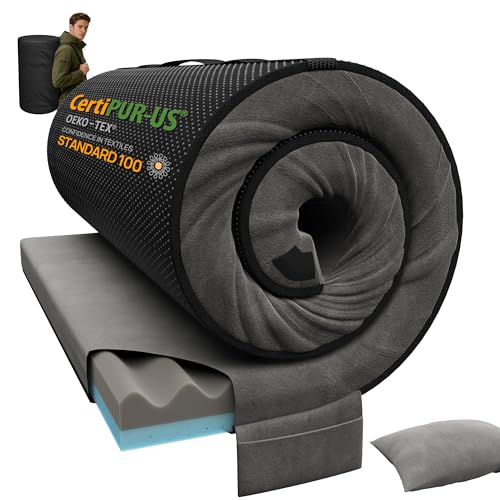
Releep 3-Inch Dual-Sided Memory Foam Camping Mattress

Therm-a-Rest Z Lite Original Sleeping Pad
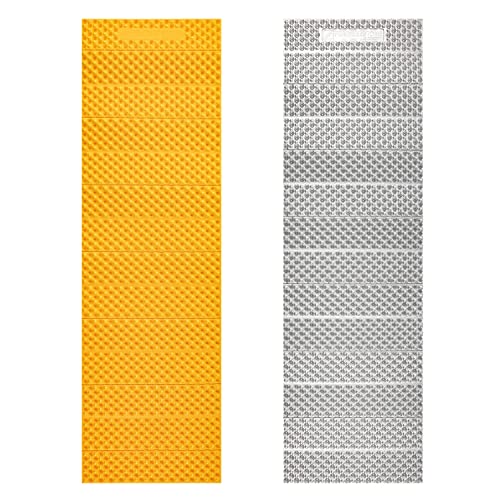
Featherstone El Cordion Insulated Foam Pad

INVOKER Self-Inflating Sleeping Pad (Green)

INVOKER Connectable Sleeping Pad 4-Inch (Blue)

INVOKER Connectable Sleeping Pad 4-Inch (Green)
The Picks, Examined More Closely
The Sea to Summit Camp Plus SI is built for nights when the thermometer drops faster than you expected. With 2.6 inches of foam wrapped in a tapered regular cut, it trades a bit of shoulder room for a tighter pack profile, which most backpackers happily accept. The 4.3 R-value (R-value measures a pad’s ability to resist heat loss to the ground; higher numbers mean more insulation) pushes it firmly into four-season territory, making it a smart match for shoulder-season hikers and winter basecampers who refuse to shiver through sunrise.
Compared with the budget foam pads further down this list, the Camp Plus inflates itself thanks to a high-density foam core, then fine-tunes with a few breaths. The reversible valve handles inflation, fine-tuning, and one-way deflation, so packing up takes seconds rather than wrestling with stubborn fabric.
The Value In It
- The 4.3 R-value holds warmth through frosty alpine nights without layering extra pads underneath.
- Self-inflating core means most of the setup is hands-off after you crack the valve.
- Tapered regular shape cuts weight where your shoulders and hips don’t need the extra width.
- Updated valve design packs down tighter than older versions, saving real estate in a 50-liter pack.
- 2.6-inch thickness absorbs sharp rocks and roots better than most ultralight foam pads.
Things To Consider
- Heavier than the closed-cell options like the Therm-a-Rest Z Lite, so thru-hikers may feel the bulk.
- The tapered shape feels snug for restless side sleepers who rotate during the night.
- Self-inflating foam can take a couple of minutes to fully expand before you top it off.
Key Product Details
Made For
Backpackers and basecampers chasing four-season warmth who want a self-inflating pad that genuinely handles cold ground without stacking extra foam underneath.
Skip It When
The Therm-a-Rest Z Lite Original is a smarter match for thru-hikers counting every ounce, since closed-cell foam eliminates inflation steps entirely and weighs much less on long routes.
The Releep mattress shows up where comfort matters more than packed size. Built with a gel-infused memory foam top layer over a high-density support base, it does what a 3-inch foam pad is supposed to do: hide the bumps in the tent floor and keep your spine aligned when you sleep on your side. The waterproof shell and included pillow make it feel closer to a guest bed than a backcountry pad, which fits car campers and rooftop sleepers perfectly.
Where the Sea to Summit above favors backpackers, this one leans into car camping, sleepovers, and SUV setups. The roll-up design still fits a trunk, but it’s noticeably chunkier than the inflatable picks later in the list.
The Upside
- 3 inches of dual-layer foam cradles pressure points that leave you sore on thinner pads.
- Memory foam top helps side sleepers wake without the usual shoulder stiffness.
- Waterproof cover handles tent condensation and damp ground at basecamps.
- Carry bag and pillow are bundled, so you aren’t buying extras separately.
Worth Noting
- Foam construction adds bulk that backpackers probably won’t want strapped to a pack.
- Memory foam softens in warm weather, which can feel too sink-in for stomach sleepers.
Feature Snapshot
Best Suited To
Car campers, SUV sleepers, and hosts who want a plush, roll-up pad that doubles as a guest bed without needing electricity or pumps.
Consider Something Else When
The INVOKER Connectable Sleeping Pad 4-Inch is a better pick for campers chasing more height and linkable sizing, especially for couples who want to span two pads together.
The Therm-a-Rest Z Lite is the kind of gear that shows up on a dozen gear lists for a reason. The accordion-style closed-cell foam design (closed-cell foam means tiny sealed air pockets trapped inside the material, so it can’t absorb water and never needs inflating) folds down small, weighs almost nothing, and shrugs off the kind of abuse that would puncture an air pad. For thru-hikers logging long distances, this is the pad that never gives you trouble.
The trade-off shows up in comfort. Foam at this thickness won’t hide pointy rocks the way a 3-inch memory foam or air-chamber pad does, and the dimples that trap warmth also create a slightly bumpy surface underneath you.
What Pays Off
- Closed-cell foam can’t be punctured, so rough campsites stop being a concern.
- Accordion fold packs down compact and slips easily against a backpack frame.
- Heat-trapping dimples add modest warmth without adding weight.
- Trusted by mountaineers for years, which speaks to long-term durability.
Points To Note
- Thinner profile transmits lumpy ground, so side sleepers may want to layer a softer pad.
- Folding it back up takes more care than stuffing an inflatable into a sack.
- Bulkier than ultralight air pads in absolute pack volume.
Right Fit For
Thru-hikers, alpinists, and anyone who needs a near-bombproof pad that never needs air top-ups on wet, cold, or unpredictable trips.
Look Elsewhere When
The Releep 3-Inch Dual-Sided Memory Foam Camping Mattress delivers much thicker cushioning for campers who want guest-bed comfort and don’t mind the extra pack size.
The Featherstone El Cordion takes the familiar closed-cell foam concept and pushes it toward genuine cold-weather duty. Cross-linked polyethylene foam paired with a dual-density heat-reflective film lifts the R-value to 2.1, and the hexagonal nodes add 40% more coverage and height than the old egg-crate foam designs. You still get a near-bulletproof pad, but with insulation that handles frosty shoulder-season nights.
Compared to the Therm-a-Rest Z Lite just above, this one offers more warmth per ounce and a slightly more comfortable surface under your hips. The honest read is that ultralight backpackers on a thru-hike route may prefer the Z Lite’s tighter folding geometry, but anyone chasing more warmth in a similar weight class should pay attention here.
The Helpful Details
- ASTM-tested 2.1 R-value insulates well into shoulder-season temperatures.
- Hexagonal nodes lift you off wet, cold ground more than traditional egg-crate foam.
- Heat-reflective film bounces body heat back toward you instead of sinking into the dirt.
- Closed-cell foam can’t absorb water, so wet nights don’t ruin your sleep setup.
Trade Offs
- Thinner than air-chamber pads, so sharp rocks still come through on really lumpy sites.
- Foam pads feel firmer than memory foam or air pads, which side sleepers notice fast.
- Slightly larger pack footprint than rolled inflatable designs of similar warmth.
Quick Facts
Who It Suits Best
Ultralight backpackers and thru-hikers who need real warmth in a closed-cell foam pad that won’t quit on rocky or wet terrain.
Reach For A Different Pick When
The Sea to Summit Camp Plus SI Sleeping Mat is a stronger fit for campers chasing a true four-season R-value and a self-inflating core, even if it adds some weight to the pack.
The INVOKER self-inflating pad lands in the sweet spot for casual campers who want comfort without ceremony. At 3.15 inches thick and 75 by 24 inches, it gives you real off-the-ground distance and enough length for most sleepers. The 30D knit fabric feels softer against your skin than slick nylon shells, and the waterproof TPU layer underneath blocks condensation from soaking through on humid nights.
For weekend trips where weight matters less than setup speed, the dual-valve self-inflating core handles most of the work on its own. You crack the valve, walk away, and come back to a fully lofted pad that just needs a few breaths of fine-tuning.
Well-Handled Touches
- 3.15-inch thickness cushions your hips and shoulders better than thin foam pads.
- Knit outer fabric feels gentler against bare arms than standard nylon shells.
- Self-inflating foam core means most of the inflation happens without you.
- Waterproof TPU layer handles damp grass and wet tent floors.
Honest Caveats
- Larger packed size than air-only pads, so backpackers may hesitate at the bulk.
- Knit fabric can snag on rough tent floors if dragged during setup.
Core Details
Perfect Match For
Weekend campers, festival sleepers, and casual basecampers who want a comfortable pad with minimal setup fuss and don’t mind the extra bulk.
A Better Fit Elsewhere
The Therm-a-Rest Z Lite Original is a smarter match for backpackers focused on cutting pack weight, since foam-only pads skip inflation and weigh a fraction of self-inflating designs.
The blue INVOKER Connectable pad brings serious height to the lineup. At 4 inches of horizontal air chambers, it cradles your body more like a mattress than a typical sleeping pad, and the built-in foot pump means you never blow into a valve after a long day on the trail. Where the green INVOKER below focuses on simplicity, this one leans into shared-sleep versatility: the side rails snap together with another pad to span a wide sleeping surface for two campers.
The 40D nylon and TPU coating handle tent-floor abrasion and damp ground, which matters when kids, pets, or restless sleepers climb in and out all night.
Noteworthy Benefits
- 4-inch thickness delivers mattress-level comfort on rocky or uneven tent sites.
- Built-in foot pump inflates the pad without mouth-blowing or external pumps.
- Connectable sides let you link two pads together for shared sleeping setups.
- 40D nylon with TPU coating resists scratches and ground moisture.
Some Limits To Know
- Higher loft means more air volume, so leaks would be harder to ignore than on a thin foam pad.
- Bundled size and weight suit car camping more than multi-day backpacking.
- Foot-pump inflation takes more effort than a self-inflating foam core.
Built With In Mind
Couples, families, and car campers who want a tall, linkable pad with foot-pump inflation that spares everyone the mouth-blowing step at the end of a long day.
Swap It Out When
The Releep 3-Inch Dual-Sided Memory Foam Camping Mattress is a smarter match for campers who prefer foam-based comfort and don’t need to link two pads together.
The green version of the INVOKER Connectable pad shares the same height, coating, and linkable side rails as the blue one above, but the color choice signals a slightly different buyer. With its built-in pillow and foot-pump setup, this pad is genuinely approachable for first-time campers who don’t want to wrestle with valves, pumps, or finicky inflation steps. The horizontal air chambers contour to your body so the surface feels stable, not bouncy, when you shift at night.
For anyone transitioning from borrowed gear to their first setup, this pad walks through setup with you. You unfold it, pump with your foot, and you’re done.
Practical Advantages
- Foot-pump inflation removes the mouth-blowing step entirely, which newcomers appreciate.
- Built-in pillow saves you from buying a separate camp pillow.
- Connectable sides let you add a second pad later if you start camping with a partner.
- Horizontal air chambers keep the surface stable rather than wobbly under your weight.
Where It Is Less Suited
- Pack size leans car-camping rather than lightweight backcountry travel.
- Built-in pillow runs small for side sleepers who like a thicker cushion.
Whose Shelf It Belongs On
New campers, casual basecampers, and anyone who wants a tall, easy-to-inflate pad with a built-in pillow that removes several setup decisions from the first night out.
Another Choice May Suit
The Sea to Summit Camp Plus SI Sleeping Mat is a stronger fit for backpackers chasing cold-weather R-value and a self-inflating core, since it’s built for trail mileage rather than car-friendly setup.
How To Match A Pad To Your Trip Style
R-Value And The Cold Ground Problem
The first thing worth nailing down is how warm you need to sleep. R-value measures how well a pad blocks heat transfer into cold ground, and it matters more than thickness once temperatures drop below freezing. Three-season campers usually do fine around 2.0 to 3.5, while shoulder-season and winter trips call for 4.0 and up. The Sea to Summit Camp Plus above carries a 4.3 for that reason, while the Therm-a-Rest Z Lite and Featherstone El Cordion stay closer to the 2.0 mark.
Weight Versus Comfort Trade-Off
Backpackers count every ounce, car campers count every comfort point. Closed-cell foam pads like the Z Lite weigh almost nothing and shrug off abuse, but they transmit rocky ground. Air-chamber pads like the INVOKER Connectable give you 4 inches of mattress-like loft but balloon in pack size. Self-inflating designs sit in the middle, giving up some pack compactness for genuine cushion without needing a pump.
Setup Style And Inflation Method
How a pad inflates changes how it feels at the campsite. Self-inflating cores handle most of the work after you crack a valve. Foot-pump designs let you skip mouth-blowing but take more physical effort. Closed-cell foam needs no inflation at all, which is the simplest option for wet or cold nights when your hands don’t want to fiddle with small parts.
Width, Length, And Shared Sleep Setups
Pad dimensions matter more than most shoppers realize. Standard 20-inch widths feel tight for side sleepers who rotate, while 24 to 25 inches gives your elbows room. Tall sleepers need 72 to 77 inches of length to keep feet on the pad. Linkable pads, like the INVOKER Connectable models above, snap side-by-side to create a wider sleep surface for couples without buying a double-wide pad.
Key Considerations Across These Picks
Pitfalls Shoppers Hit
A surprisingly common mistake is buying on thickness alone. A 4-inch air pad feels luxurious in a warm climate but can leave you freezing once nights drop into the 30s if the R-value is low. The opposite trap is fixating on R-value and ending up with a thin foam pad that hides warmth but punishes your hips on rough ground. Balance the two numbers against your typical trip temperatures and ground conditions.
Another slip is ignoring packed size. The plush memory foam and tall air-chamber pads are wonderful at the campsite and miserable on the trail. Match the pad to your carrying reality, not just your tent.
Where The Extra Money Goes
Higher-priced pads typically invest in tougher face fabrics, better insulation, and valves that actually work year after year. A premium self-inflating pad earns its cost by lasting through years of compression cycles, while budget foam pads rely on simpler materials that hold up because foam itself is hard to destroy. The case for spending more is strongest when you camp often in cold conditions or want faster, quieter inflation. For a few warm weekends a year, the budget foam path still makes plenty of sense.
Frequently Asked Questions
What R-Value Do I Need For Winter Camping?
For snow camping and below-freezing nights, aim for an R-value of 4.0 or higher. Three-season pads in the 2.0 to 3.5 range work fine until your first real frost, then start letting ground chill creep in. The Sea to Summit Camp Plus above is the only pick on this list that pushes into genuine four-season territory.
Are Self-Inflating Pads Better Than Foam Pads?
Neither wins outright. Self-inflating pads deliver more cushion and insulation per ounce but add weight and bulk. Closed-cell foam pads are lighter, cheaper, and indestructible, but thinner and firmer. Match the design to how far you carry it and how warm you need to sleep.
Can Two Inflatable Pads Be Joined Together?
Yes, when both pads use the same connectable rail system, like the INVOKER Connectable models above. The side edges snap together to span a wider sleep surface, which works well for couples in tents with enough floor space. Mixing brands rarely works because the connectors aren’t standardized.
How Do I Store A Sleeping Pad Long-Term?
Loosen the valves and store self-inflating and air pads unrolled or loosely folded in a dry place. Tight compression over months can damage foam cells and reduce loft. Closed-cell foam pads store however you can fit them, which is one reason thru-hikers love them.
Do Memory Foam Pads Work For Backpacking?
Memory foam camping pads work for car camping, but backpackers usually find them too bulky and heavy. They shine for guests, family camping, and SUV sleepers who want home-style comfort rather than trail-friendly packability.
Closing Verdict
The right camping sleep pad comes down to where you sleep, how cold it gets, and how far you carry it. Backpackers chasing warmth and packability should start with the Sea to Summit Camp Plus or the Featherstone El Cordion. Car campers and families get more out of the Releep memory foam pad or the INVOKER Connectable designs. Pick the pad that matches your trip, not the one with the loudest spec sheet, and you’ll sleep better for it.