
A flat, cold patch of dirt can derail an otherwise great trip, and the right sleep setup quietly decides whether you wake up sore or ready to hike. Whether you car-camp with the family, thru-hike a long trail, or just need something more dignified than a thin foam square, the pad underneath your sleeping bag does the heavy lifting. The seven options below cover the main categories you’ll see while shopping: ultralight closed-cell foam, self-inflating comfort pads, and plush memory-foam roll-ups for car camping.
The Main Contenders

Sea to Summit Camp Plus SI Sleeping Mat (Regular)
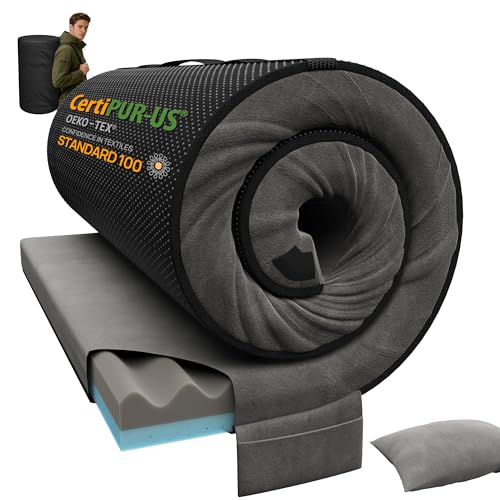
Releep 3-Inch Dual-Sided Memory Foam Camping Mattress

Therm-a-Rest Z Lite Original Sleeping Pad
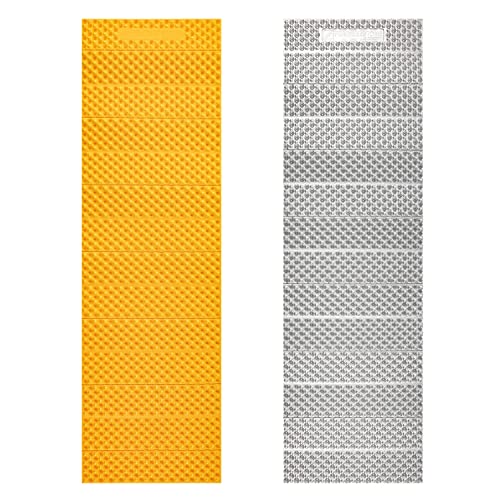
Featherstone El Cordion Closed-Cell Foam Sleeping Pad

INVOKER Self-Inflating Sleeping Pad 3.15 in

INVOKER Connectable Sleeping Pad 4 in (Blue)

INVOKER Connectable Sleeping Pad 4 in (Green)
The Sea to Summit Camp Plus earns its place at the top for anyone camping when the thermometer drops. Its 2.6-inch foam core delivers real loft between you and frozen ground, and the brand’s reversible valve lets you fine-tune firmness without re-inflating all night. Compared to the bare-bones closed-cell pads later in this list, this is the choice for shoulder-season trips where warmth matters more than pack size.
You’ll pay for that comfort in ounces and dollars, but the tapered shape trims a bit of weight off the foot end. It pairs well with a midweight bag on cold nights and rolls down smaller than you might assume.
Noteworthy Benefits
- Self-inflating foam core means no lung-blowing after a long hike
- Multi-function valve speeds up pack-up and lets you dial in pressure
- 4-season rated insulation handles frosty ground far better than budget pads
- Reversible design supports storage in tight stuff sacks
Trade-Offs Worth Knowing
- Heavier and bulkier than ultralight foam alternatives
- Tapered shape trims length, so taller sleepers may want a different cut
At A Glance
Right Fit For
Cold-weather campers and backpackers willing to carry a bit more weight for a warmer, thicker sleep platform.
Swap It Out When
The Therm-a-Rest Z Lite is the lighter, cheaper pick for fast-and-light trips where 2.6 inches of foam is overkill.
Releep’s roll-up mattress ignores the usual “rough it” rulebook. Three full inches of layered foam, including gel-infused memory foam over a denser support base, bring genuine cushion to a tent floor. The included carry bag and portable pillow turn it into a complete sleep kit, which makes it equally useful as a guest bed back home.
You won’t be hauling this up a mountain, but the trade-off lands well for car campers, SUV sleepers, and anyone whose back objects to thin pads. The waterproof surface wipes clean, which helps when sandy kids or wet dogs are involved.
Key Advantages
- Gel memory foam layer eases pressure on hips and shoulders
- High-density base layer supports the lower back and spine
- Waterproof cover handles damp ground and easy wipe-downs
- Rolls into a compact carry bag with a matching pillow included
- Doubles as a guest bed or car-camping mattress
Less-Strong Areas
- Bulky to transport; not a backpacking option
- Foam can hold odors in humid storage, so air it out between trips
- Heavier than the self-inflating pads listed above
Who Should Grab It
Car campers, SUV sleepers, and households that want one pad for both camping trips and overnight guests.
Look Elsewhere When
The Therm-a-Rest Z Lite is a better call for backpackers, while the Sea to Summit Camp Plus wins for cold-weather insulation.
The Z Lite has been a thru-hiker staple for decades, and for good reason: it’s basically indestructible. Closed-cell foam doesn’t pop, leak, or lose loft, and the accordion fold makes it fast to lay down at camp and even doubles as a seat pad on breaks. Newcomers to the trail quickly learn why seasoned backpackers stash one as a backup.
Comfort is moderate at roughly three quarters of an inch of padding, so restless side sleepers may want something plusher. For warm-weather three-season use, though, the value is hard to match.
Practical Advantages
- Virtually puncture-proof, so no overnight surprises
- Lightweight and folds to fit beside a backpack or strap to the outside
- Trusted by backpackers for generations
- Foam texture traps warm air against the body
Honest Caveats
- Thin profile lets you feel roots and rocks through the pad
- Not as warm as the Sea to Summit Camp Plus in freezing conditions
Best Suited To
Backpackers, hikers, and minimalist campers who want a reliable foam pad that shrugs off rough use.
A Better Fit Elsewhere
The Featherstone El Cordion offers similar durability with more insulation and a textured surface for cold nights.
Featherstone’s El Cordion is a closed-cell foam pad that doesn’t feel like one. Its hexagonal nodes lift you higher off the ground than traditional egg-crate foam, while a reflective film layer bounces body heat back at you. That combination pushes it into cold-weather territory without inflating weight or pack size.
It’s a strong match for thru-hikers counting grams or anyone who wants a pad they can strap to a pack and forget about. Compared to the Z Lite, the El Cordion adds real warmth for shoulder-season trips.
Everyday Wins
- Insulated closed-cell foam holds warmth in cool conditions
- Hexagonal nodes lift you higher off uneven ground
- Stays functional even with the occasional puncture
- Folds compactly for strapping to the outside of a pack
Points To Note
- Slightly bulkier than the Z Lite when packed
- Less cushion than the self-inflating pads in this roundup
Quick Facts
Made For
Thru-hikers and ultralight backpackers who need a foam pad that works in cold shoulder seasons.
Not Your Match When
Car campers craving plush cushion should skip ahead to the Releep memory-foam option.
The INVOKER self-inflating pad leans into convenience. Crack the valve and the foam core does the work, no pump or breath required. The 30D knit fabric over a waterproof TPU layer feels softer than most budget pads, which helps when bare skin hits the surface on warm summer nights.
At just over three inches thick, it sits between the ultralight foam pads above and the chunkier car-camping mattress. Weekend campers who want comfort without the hassle of blowing up an air pad will appreciate the middle-ground design.
What Works In Its Favor
- Self-inflating foam core requires no extra equipment
- 3.15-inch thickness cushions hips and shoulders well
- Soft knit top fabric feels pleasant against skin
- TPU waterproof layer handles damp tent floors
Things To Consider
- Heavier than ultralight foam pads for long-distance backpacking
- Open-cell foam can take a while to dry if soaked through
Feature Snapshot
Built With In Mind
First-time campers and weekend outdoor enthusiasts who want comfort without fiddling with inflation.
Consider Something Else When
Long-distance hikers should choose the Featherstone El Cordion to cut weight, while car campers wanting luxury should consider the Releep.
This INVOKER pad solves the classic two-person problem: how to keep couples from drifting into the gap between pads. The connectable sides lock individual pads together, and the horizontal air chambers contour to shoulders and lower back for stable support. A built-in foot pump inflates the pad without any heavy lung work or separate pump.
Four inches of cushion puts it among the thicker pads in this roundup, and the included pillow section saves you from juggling a separate pillow on the trail.
Positive Points
- Connectable sides snap into a wider shared surface
- Four inches of support handle side sleepers comfortably
- Built-in foot pump inflates without mouth or external pump
- Coated nylon fabric resists moisture and abrasion
A Few Limitations
- Heavier than solo backpacking pads
- Air construction means occasional leak checks before trips
Core Details
Whose Shelf It Belongs On
Couples and small families who camp together and want to bridge the gap between two pads without drifting apart.
Where A Sibling Pick Shines
Solo backpackers save weight by choosing the Therm-a-Rest Z Lite or Featherstone El Cordion instead.
The green version of the INVOKER connectable pad shares every spec with the blue one above, trading only the colorway. What changes is who it’s for: families and friend groups that want to build out a larger shared sleep area without each person carrying a full-size pad. Snap enough together and you’ve built a king-sized surface inside a wall tent.
The same 40D nylon shell, TPU coating, and built-in foot pump make setup quick after a long drive to camp. You may find the thickness a bit much for ultralight trips, but for car camping it’s hard to beat.
Where It Excels
- Modular design scales up to cover bigger tent footprints
- Four-inch cushion handles restless sleepers and kids
- Foot pump saves the adults from blowing up pads by mouth
- Durable coated shell handles weekend-after-weekend use
Where It May Fall Short
- Air construction requires inflation time per pad
- Bulky for solo trips without a vehicle
Feature Rundown
Perfect Match For
Group car campers, families with teens, and friend groups outfitting a wall tent with one large sleep platform.
Reach For A Different Pick When
The Therm-a-Rest Z Lite is the better match for backpackers, while the Releep memory-foam mattress suits those prioritizing plush home-style comfort.
What To Weigh Before Choosing Camping Sleep Mats
Match The Pad Type To Your Trip
Start by separating backpacking from car camping. Ultralight foam pads like the Therm-a-Rest Z Lite and Featherstone El Cordion trade cushion for low weight and zero risk of leaks. Self-inflating pads such as the Sea to Summit Camp Plus and the INVOKER pads add comfort and insulation, which matters on shoulder-season nights. For car camping or guest sleeping, the Releep memory-foam mattress delivers a home-bed feel without packing into a backpack.
Understand R-Value And Thickness
R-value (a standardized measure of how well a pad resists heat flow to the ground) tells you how warm a pad will keep you; thickness tells you how much cushion you’ll get between your body and rocks or roots. A higher R-value helps in cold weather, while more thickness helps side sleepers whose hips and shoulders press hard against the ground. Most three-season campers land comfortably around R-value 2 to 4 with two to four inches of padding.
Decide Between Foam, Self-Inflating, And Air Pads
Closed-cell foam is durable and cheap, but it sleeps thin. Self-inflating pads combine foam with air for a balance of comfort, warmth, and easy setup. Air pads inflate thick and pack small, but they need careful handling and a pump strategy. Think about whether setup convenience, pack size, or puncture resistance matters most for the trips you take.
Weight And Packability Matter More Than You Think
A pad that fits behind your driver’s seat is fine for car camping but a drag on a backpacking trail. Inflatable pads typically pack smaller than self-inflating ones, which pack smaller than foam roll-ups. Measure the trade-off against the distances you’ll carry the pad and the temperature range you expect to camp in.
Key Considerations Across These Picks
Pitfalls Shoppers Hit
One common trap is buying the thinnest pad available to save pack space, then discovering you can’t sleep through the night because you feel every root. Another is choosing an inflatable pad for a rugged trip without a repair kit. Foam pads feel indestructible, but most aren’t warm enough for true winter camping. Double-check R-value against the coldest conditions you actually expect, not the weather you’d like to have.
Where The Extra Money Goes
Higher-tier pads typically invest in better foam density, tougher face fabrics, and valves that make inflation and packing faster. The Sea to Summit Camp Plus, for instance, spends your money on insulation and a refined valve system that holds up over years of trips. A thicker face fabric like 40D nylon resists punctures better than budget 20D shells, which matters most for air pads used around rocks, sand, and pine needles. If your trips are short and gentle, a budget foam pad will probably satisfy you; for anything longer or colder, the upgrade tends to pay for itself in better sleep.
Frequently Asked Questions
How Thick Should A Camping Sleep Mat Be?
For most campers, two to three inches strikes a reasonable balance between cushion and pack size, while side sleepers often want three to four inches for hip and shoulder comfort.
Are Foam Pads Better Than Inflatable Pads?
Foam pads are more durable and cheaper, but inflatable and self-inflating pads typically sleep warmer and pack smaller, so the right choice depends on how you camp.
What R-Value Do I Need For Cold Weather?
Three-season campers usually do fine around R-value 2 to 4, while winter or snow camping typically calls for R-value 5 or higher to keep the ground from pulling heat away through the night.
Can Two Pads Be Connected Together?
Yes, modular pads like the INVOKER Connectable series snap side-to-side to form a larger shared sleep surface, which works well for couples and families.
How Do I Clean And Store A Camping Mat?
Wipe down the surface with mild soap and water, dry it thoroughly out of direct sunlight, and store it unrolled or loosely folded in a cool, dry place to extend the life of the foam and coatings.
Closing Thoughts
The right camping sleep mat depends entirely on how and where you camp, from an indestructible foam square for long trails to a thick memory-foam roll-up for car camping. Match the pad to the trip, and the rest of your gear tends to fall into place around it.