
Whether you’re fueling up at a windy switchback or slicing into a freeze-dried meal at the campsite, the right camp silverware quietly makes the whole experience feel less improvised. Lightweight kit that holds up to trail abuse, cleans in a creek, and doesn’t rattle around the pack earns its spot fast. This roundup sorts through seven distinct options, from full stainless sets with chopsticks to ultralight titanium sporks, so you can match the tool to your trip.
The Picks In Brief

Quatish Portable Silverware Set with Case

humangear GoBites Uno Titanium Spork

UCO Utility Spork 3-in-1 Combo

Hommaly Travel Camping Cutlery Set with Chopsticks

Tapirus Spork Tactical Special Edition Black
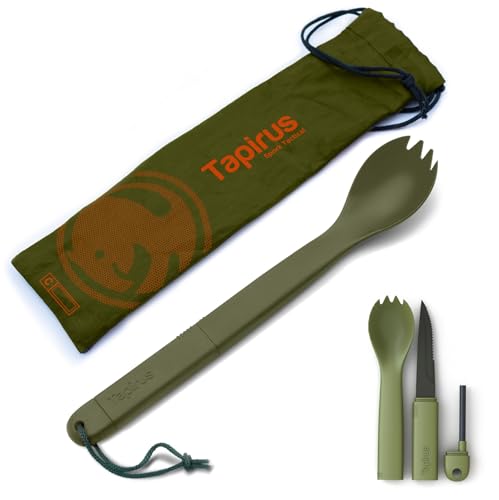
Tapirus Spork Tactical Green

Tapirus Spork Tactical Orange
A Breakdown Of The Leading Choices
A simple two-piece fork-and-spoon kit, the Quatish set trades weight for real-table feel. Each utensil is shaped closer to kitchen flatware than ultralight trail tools, so stirring oatmeal or slicing into a wrap feels familiar rather than fiddly. The included slim case slips into a laptop sleeve or daypack without bulging.
Where it shines most is the daily commute that turns into a lunch break at the park. You get enough utensil to look professional in a client meeting and still handle a backcountry ramen stop on the way home.
Strong Points
- Stainless build resists bending and holds up to years of daily washing
- Waterproof-lined case keeps crumbs off your laptop or work shirt
- Elastic strap keeps tools from rattling loose mid-transit
- Dishwasher-safe finish saves time at home after a long trail day
- Full fork and spoon sizing handles real meals, not just snacks
Things To Consider
- Heavier than titanium or plastic spork options by a noticeable margin
- No knife included, so tougher cutting needs an extra tool
- Case has no dedicated chopstick slot if you want Asian-style meals
Feature Snapshot
Made For
Office workers and weekend campers who want full-size utensils that survive both worlds.
Look Elsewhere When
The Tapirus Spork Tactical Black fits gram-counting backpackers better, since it folds eating and fire-starting into one tool.
The GoBites Uno pares eating down to one polished titanium tool that weighs barely more than a pencil. Titanium is a corrosion-resistant metal prized in backpacking gear for its strength-to-weight ratio, so the spork feels featherlight yet never flimsy in the hand. Its shape leans toward a spoon with functional fork tines, which works for most trail meals.
For thru-hikers and fastpackers trimming every gram, the Uno is the kind of upgrade that quietly disappears into your pack. Compared to the Quatish kit reviewed above, you’re giving up a full fork and a knife to save ounces, and that trade-off is the whole point here.
Positive Points
- Titanium construction handles boiling water and rough cleaning
- Single-piece design means nothing to snap, lose, or assemble
- Ergonomic curve sits comfortably during long meal breaks
- Neutral taste and smell, even with hot food
Worth Noting
- No cutting edge means tough proteins require a separate knife
- Titanium costs more than plastic or basic steel alternatives
- Shorter handle than full-size flatware, which some may find small
Feature Card
Right Fit For
Thru-hikers and ultralight backpackers who track pack weight carefully and want a tool that lasts years.
A Better Fit Elsewhere
The UCO Utility Spork 3-in-1 Combo suits casual car campers who want a serrated knife built into the handle without paying for titanium.
A favorite of scout troops and summer camp programs for years, the UCO Utility Spork crams three tools into one molded handle. One end handles spoon duty, while the other end flips into a fork with a serrated knife edge for cutting sausage, cheese, or trail snacks. The plastic build is BPA-free, meaning it avoids a chemical additive some prefer to avoid.
This is the kind of utensil you toss in a daypack or picnic basket without a second thought. It feels lighter than the Quatish stainless set reviewed earlier and tougher than disposable flatware, though it won’t match the refined feel of titanium.
Well-Handled Touches
- Serrated knife edge handles tougher cuts without a separate blade
- BPA-free plastic construction is lightweight and easy to rinse
- Bright colors tend to stay visible in a messy campsite
- Reversible design simplifies packing and cleaning
Trade Offs
- Plastic body can melt near open flames or very hot pans
- Knife edge is short, so serious food prep needs a real blade
- Shorter handle than full-size kitchen cutlery
Who Should Grab It
Car campers, picnickers, and scouts who want a no-fuss three-in-one tool without premium pricing.
Reach For A Different Pick When
The humangear GoBites Uno Titanium Spork is a smarter match for backpackers counting grams, since titanium beats plastic for weight and durability.
The Hommaly set arrives looking like a small travel kit for someone who refuses to compromise on meal variety. Inside the zippered gray case you’ll find a knife, a sheathed steak knife, fork, spoon, chopsticks, two reusable straws with a cleaning brush, and two mini spice jars. It is the most complete kit in this roundup by a comfortable margin.
Where it shines is the multi-meal trip where you’re switching between curry, salad, and noodles throughout the day. The included spice jars let you carry salt and pepper without loose bags, and the chopsticks open up meal options you cannot get with the Quatish or UCO picks.
Where It Excels
- Chopsticks and straw set cover Asian meals and drinks in one pouch
- Sheathed steak knife handles heartier camp dinners
- Waterproof aluminum-lined interior wipes clean easily
- Spice jars cut down on single-use condiment packets
Honest Caveats
- More pieces mean more chances to misplace a component in camp
- Bulkier case than minimalist kits like the Quatish set
- Sheathed knife requires care when cleaning the case interior
Quick Facts
Best Suited To
Food-focused campers and picnic regulars who carry a backpack and enjoy varied meals away from home.
Swap It Out When
The Quatish Portable Silverware Set is a leaner daily-driver pick if chopsticks and spice jars feel like overkill for your routine.
The Tapirus Tactical Spork treats eating and fire-starting as one combined mission. A spoon-fork combo on one end and a stainless steel serrated blade on the other handle meal prep, while a replaceable ferro rod, a striking tool that produces sparks when scraped, lives inside the handle. Ferro rods are a common survival backup because they work even when lighters run out.
Where it fits is the weekend overlander or solo hiker who packs for what-ifs. Compared to the UCO combo reviewed earlier, you trade plastic lightness for real knife steel and an ignition backup. The black finish is understated enough to disappear into a kit.
Points In Its Favor
- Built-in ferro rod covers ignition backup in wet or windy conditions
- Stainless steel knife handles tougher trail prep than plastic sporks
- BPA-free construction avoids plastic additive concerns
- MRE-compatible length fits standard military ration heaters
A Few Limitations
- Heavier than minimalist spork-only options
- Replaceable ferro rod requires carrying spares for long trips
- Tactical styling is more visual than some casual users prefer
Whose Shelf It Belongs On
Backcountry solo travelers and survival-minded campers who value redundancy in a single tool.
Not Your Match When
The humangear GoBites Uno Titanium Spork suits gram-focused backpackers better, since fire-starting hardware adds weight they often skip.
The green version of the Tapirus Tactical shares the same hardware as the black Special Edition reviewed above, with one practical difference: a green handle that blends into forest and brush. For hunters, anglers, and wildlife photographers, that color choice matters because shiny or bright utensils can spook game at the wrong moment.
Same ferro rod, same stainless blade, same spoon-fork layout. The trade-off versus the black edition is purely visual, and that is the point.
Positive Takeaways
- Low-visibility green finish suits hunting and wildlife-focused trips
- Fire-starting capability identical to the black tactical sibling
- Stainless knife edge handles field dressing or rope tasks
Some Limits To Know
- No visibility advantage at busy family campsites where bright colors help
- Same added weight as the other Tapirus tactical versions
- Functional overlap with the black edition if you already own one
Who It Suits Best
Hunters and field-focused campers who want their gear to disappear into the landscape.
Consider Something Else When
The Tapirus Tactical Orange is a smarter pick for group camps where keeping track of whose spork is whose matters more than blending in.
The orange Tapirus Tactical wraps the same ferro-rod-and-knife hardware in a high-visibility shell that practically glows at dawn. For trips with kids, large groups, or anyone prone to leaving tools on a boulder, this color is a small safeguard that pays off the first time someone drops it in tall grass.
It carries the same internal specs as the green and black versions reviewed above. Choosing among the three Tapirus Tactical editions is mostly about where you camp and who you camp with.
What Helps Most
- Bright orange finish reduces lost-tool moments in camp
- Same reliable ferro rod and stainless blade as the other Tapirus picks
- Helpful for assigning utensils by color across family campers
Points To Note
- Bright color is wrong for hunting or wildlife observation contexts
- Same weight profile as the green and black siblings
Feature Rundown
Perfect Match For
Family campers, group leaders, and forgetful eaters who lose tools in the grass often enough to want a safety color.
Where A Sibling Pick Shines
The Tapirus Tactical Green is a quieter match for hunters and solo travelers who prefer their gear to stay low-key.
Picking Gear That Earns Its Place In Your Pack
Material sits at the top of any camping silverware decision. Stainless steel handles years of daily washing and rough pack abuse, while titanium trades a higher cost for unmatched lightness. Plastic costs less and rinses fast, but melts near open flames and rarely lasts beyond a few seasons.
Weight matters more on long trails than at roadside camps. Backpackers chasing mileage should reach for titanium or thin steel sporks, while car campers barely notice the difference between a 4-ounce kit and a 6-ounce kit. Length affects comfort too: full-size forks and spoons feel familiar, but shorter handles pack smaller and still work for most meals.
Maintenance expectations shift the calculus. A zippered case with waterproof interior keeps crumbs off your other gear, while loose sporks rattle around and collect lint. Dishwasher-safe steel saves time at home; plastic and titanium both rinse clean in a creek. Match the tool to how often you eat out and how disciplined you are about cleanup.
For groups and families, color-coding prevents the lost-tool shuffle. Bright handles help kids and adults track whose spork is whose, while muted finishes suit hunters and wildlife photographers.
Common Buying Slip Ups In This Category
Buying the lightest option without checking the handle length often leaves you with a tool that feels awkward during real meals. Another trap is ignoring knife capability. Many sporks advertise “cutting” but only offer a short serrated edge that struggles with anything tougher than cheese. Buyers also forget case quality, ending up with rattling, crumb-leaking pouches that soil the rest of the pack.
Where The Higher Tier Buys You Real Gains
Premium materials and complete kits explain most of the price gap in camping silverware. A titanium spork outlasts several plastic replacements and saves weight on every trip, which compounds over a long season. Full kits like the Hommaly set add chopsticks, straws, and spice containers that reduce disposable plastic on the trail and let you handle varied cuisines without improvising. Paying up front usually means fewer replacements and a more comfortable camp routine for years.
Frequently Asked Questions
What material lasts longest for camping silverware? Stainless steel and titanium both hold up to years of trail abuse and repeated washing. Plastic sporks typically show wear within a couple of seasons, especially near heat sources.
Do I really need a knife built into my camp utensil? A built-in blade handles basic cutting tasks like cheese, sausage, and trail snacks, so most campers benefit. Dedicated backcountry cooking usually still calls for a separate knife.
Are titanium sporks worth the higher cost? For backpackers counting grams, titanium pays back through weight savings on every trip. Casual car campers may not notice the difference compared to stainless.
How do I keep camping silverware clean on the trail? A small bottle of biodegradable soap, a bandana, and creek water usually do the job. Waterproof-lined cases make post-meal cleanup faster.
Can kids safely use these camp utensil sets? Plastic UCO sporks and color-coded Tapirus models work well for younger campers thanks to lighter weight and easier visibility. Adult-sized stainless sets suit older kids and teens.
Closing Remarks
The right camp silverware quietly disappears into the routine, so eating on the trail stops feeling improvised. Match the tool to your trip style, and the rest of the camp kitchen tends to fall into place.