
Cooking outdoors shouldn’t mean eating cold beans from a can. The right propane setup turns a remote campsite, a tailgate, or a backyard cookout into a real meal, whether you’re brewing morning coffee for two or feeding a hungry crew at dusk. This roundup walks through six solid options across car camping, backpacking, patio cooking, and hybrid grill-plus-stove setups, so you can match the hardware to your trip, not the other way around.
A Fast Comparison Of The Options

Coleman Cascade 18 1-Burner Camping Stove
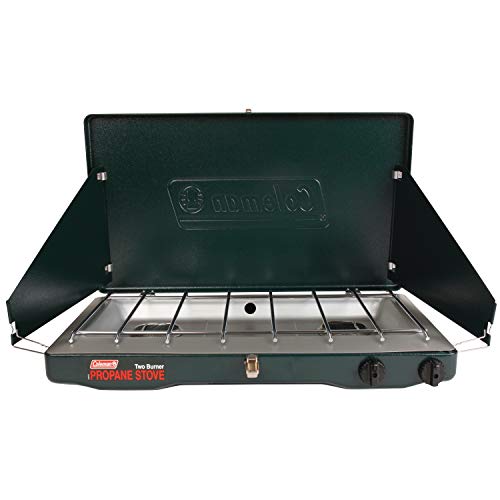
Coleman Classic Propane Camping Stove (2-Burner)

Jetboil Flash Java 1.8L Backpacking Stove

Bonnlo 2-Burner Portable Propane Patio Cooker

Coleman Tabletop 2-in-1 Grill and Stove

Jetboil Flash 1.0L Fast Boil Camping Stove
A Deeper Look At The Lineup
The Cascade 18 is built for the kind of camping where weight matters less than counter space. A single high-output burner, an integrated rotary igniter, and a 12-inch pan footprint make this a tidy companion for solo trips, truck-bed cooking, or a tailgate spread where one hot pan is plenty. It feels purpose-built for simpler meals, and for that role it delivers without ceremony.
Compared with the heavier two-burner options later in this list, the Cascade 18 trades capacity for packability. Its body collapses flatter, the grate flips for slimmer storage, and the regulator tucks away on top. For drivers setting up at a picnic table rather than hikers counting ounces, that trade usually lands in the right place.
Noteworthy Benefits
- Rotary ignition lights the burner without a match, a small but appreciated touch on a breezy morning.
- Aluminized steel cooktop wipes clean with a damp cloth after a greasy breakfast.
- Knob rotation is tuned for low-end simmer control, useful for sauces and rehydrated meals.
- Compact frame carries easily in a trunk and stores flat in a gear bin.
Things To Consider
- A single burner caps menu ambition, so simultaneous coffee and eggs is a juggling act.
- Wind shielding is minimal, so a flat, sheltered cook site helps on exposed ridges.
Feature Snapshot
Whose Trip It Matches
Solo travelers and small groups running a one-pan menu at a car camp or tailgate, where space and simplicity matter more than multi-course dinners.
Swap It For A Sibling Pick When
Two-burner meal prep is on the menu, in which case the Coleman Classic Propane Camping Stove gives you a second burner and the room to run both a pot and a pan at once.
There is a reason this stove shows up at scout camps, family RV pads, and tailgate lots across the country. Two independently adjusted burners, fold-out side tables, and a footprint that swallows a 12-inch and a 10-inch pan at the same time give the Coleman Classic a flexibility single-burner rigs simply can’t match. It looks like the camp stove you grew up with because, in many cases, it is.
Wind-blocking side panels are the feature most weekend cooks end up appreciating first. They turn a gusty afternoon into something survivable, and they keep the simmer low enough for a roux. For anyone running a base camp rather than chasing mileage, this is the long-running benchmark to measure other camp stoves against.
What Earns Its Place
- Side panels block wind and act as trivets when the stove is closed.
- Dual adjustable burners let you run a boiling pot and a frying pan at the same time.
- Pressure regulator helps flame stay steady as the canister cools.
- Wide platform fits both a 10-inch and 12-inch pan without crowding.
Trade Offs
- Heavier and bulkier than single-burner or backpacking models, so it’s a car-camp piece.
- The 1-hour high-burn runtime on a standard 16.4 oz cylinder means packing a backup for dinner-heavy trips.
The Right Fit
Family campers, scout leaders, and anyone running a real menu at a base camp with a picnic table and a parking spot.
Where Another Pick Suits Better
Stove-to-trail is the priority, so the Jetboil Flash 1.0L Fast Boil Camping Stove fits a backpacking kit far better than this two-burner workhorse.
The Flash Java isn’t just a stove with a coffee gimmick attached. It’s the regular Jetboil Flash 1.8L system, paired with a stowable French press that nests inside the cook pot, so the entire kit packs into the cup it boils in. That means your morning coffee ritual at a trail camp uses the same pot you cooked dinner in, with zero extra parts rattling around in your pack.
The integrated system approach sets it apart from the Coleman Cascade 18 covered earlier. Where the Cascade is built around a single burner and a frying pan, this is built around volume and speed. A FluxRing-style pot and an insulating cozy combine to push fuel efficiency hard, which matters when you’re boiling water four times a day for a group of two to four.
The Value In It
- Large 1.8L pot covers breakfast coffee plus freeze-dried meals for a small group.
- Integrated press nests inside the cup, so no separate French press to lose.
- Fast-boil design means less fuel in the canister over a multi-day trip.
- Cozy retains heat long enough for second cups without re-boiling.
Points To Keep In Mind
- Designed for boiling water, not searing, so it’s no substitute for a frying pan.
- Larger and heavier than the solo-focused Flash 1.0L covered later in this list.
Quick Facts
Made For
Trail groups of two to four who treat morning coffee as part of the camping experience, not an afterthought.
Consider Something Else When
You’re cooking for a crowd with big pots and skillets, in which case the Bonnlo 2-Burner Portable Propane Patio Cooker handles the volume with far more output.
Bonnlo’s patio cooker is a different animal from the camping stoves earlier in this lineup. A cast iron burner head and serious BTU output put it in the same conversation as a stockpot burner, the kind of rig you see at fish fries and crawfish boils. The legs detach, so it breaks down for storage between cookouts, but in use it stands like a small piece of outdoor kitchen equipment.
This isn’t the stove you toss in a trunk for a casual weekend. It’s the one you set up on the driveway, drop a 40-quart pot on, and feed a crowd in a single boil. Where the Coleman Tabletop 2-in-1 covered later aims for versatility, Bonnlo aims purely for power.
Standout Benefits
- Cast iron head takes high heat and shrugs off weather between uses.
- Adjustable output lets you move from rolling boil to a low simmer.
- Bracket supports accept a wide range of pot sizes and shapes.
- Detachable legs flatten the unit for off-season storage.
Honest Caveats
- Single burner, so it cooks one pot at a time regardless of the high output.
- Cast iron adds meaningful weight, so this lives at home, not in a backpack.
- Cleaning the cast head requires scraping and seasoning, not a quick wipe.
Who Will Love This
Backyard entertainers, tailgates with a real menu, and anyone running low-country boils, chili batches, or large stockpot meals.
Skip It When
You need actual frying and grilling alongside boiling, so the Coleman Tabletop 2-in-1 Grill and Stove covers a wider range of meal types in one compact box.
The Coleman Tabletop 2-in-1 is the answer to a common camp-meal problem: you want a burner for a kettle and a grill for burgers, but you don’t want to pack two separate rigs. One side runs a chrome-plated grate for grilling, the other runs a burner for pots, and both can be in use at the same time. Add a push-button igniter and wind shields, and the morning coffee-to-bacon transition becomes a one-table affair.
It splits the difference between the Coleman Classic from earlier, which is stove-only, and a full-size grill. Cleanup is straightforward thanks to the removable grate and built-in grease tray. For day trips and tailgates, it earns its keep.
Notable Upsides
- Two independently controlled burners, one dedicated to grilling.
- Push-button igniter lights both sides without a separate flame source.
- Removable grate and grease tray simplify post-meal cleanup.
- Wind shields keep flames steady on breezy tailgate lots.
A Few Limitations
- Tabletop size limits the grilling area to roughly four burgers at a time.
- Not a substitute for a full propane grill on a patio.
Feature Overview
Best Suited To
Tailgaters, day-trippers, and small camps where the meal includes both grilled and simmered components.
Look Elsewhere When
You need one serious boiling burner for a single oversized pot, which is exactly the use case the Bonnlo 2-Burner Portable Propane Patio Cooker covers with much more focused output.
The Flash 1.0L is the smaller sibling of the Java version reviewed earlier, and it leans hard into fast, simple, solo cooking. A one-step auto igniter means a half-turn of the knob is all it takes to light, so cold fingers on a frosty morning aren’t fumbling with a striker. The 1.0L pot is sized for one hungry hiker or two modest appetites, and the whole system packs into the cup it boils in.
It exists for the opposite use case from the Coleman Classic covered earlier. Where the Classic is happy on a picnic table, the Flash 1.0L belongs in a backpack, on a bikepacking rig, or in a canoe. That’s the trade: you trade cooking versatility for sub-two-minute boils and a pack size that disappears in a side pocket.
Features That Help
- One-step automatic ignition, no lighter required.
- Fast boil time keeps fuel consumption low over multi-day trips.
- Compact pot-and-burner system stores inside itself for transport.
- Isobutane-propane fuel mix performs reliably in cold conditions.
Where It May Fall Short
- Designed for boiling water only, so no real searing or frying.
- 1.0L capacity feeds one or two, not a group.
Quick Technical Notes
Built With In Mind
Solo backpackers and small-pair campers who count ounces and want hot drinks fast at the end of a long day on the trail.
Reach For A Different Pick When
You’re feeding a group that wants coffee for everyone at once, so the Jetboil Flash Java 1.8L Backpacking Stove offers the same fast-boil platform in a larger pot with a built-in press.
Choosing A Camping Propane Stove That Actually Fits Your Trip
The right stove comes down to where you’re cooking, how many people you’re feeding, and what kind of meals actually make it onto your menu. Backpackers and thru-hikers should weigh every ounce and lean toward integrated canister systems that boil water fast. Car campers can ignore weight almost entirely and pick based on burners, wind protection, and the kind of meals they want to attempt.
Meal type matters as much as group size. Boil-only menus, coffee, and freeze-dried dinners favor a Jetboil-style approach. Real cooking, pancakes at dawn, seared fish, or chili for a crew, demands the two-burner format of the Coleman Classic or the hybrid grill-plus-stove layout of the Coleman Tabletop 2-in-1. Large-batch boiling, like crawfish or stock, points toward a high-output patio burner like the Bonnlo.
Fuel logistics are easy to overlook. Propane cylinders and isobutane canisters behave differently at altitude and in cold weather, so checking compatibility with your trip conditions avoids a frustrating first night. Wind protection, pan fit, and ignition type round out the practical checklist.
Mistakes Worth Dodging
Pitfalls Shoppers Hit
Buying a backpacking stove for car camping leaves you with a tiny pot and no real cooking surface, while dragging a heavy two-burner onto a trail is the kind of regret that shows up by mile three. Match the stove category to the trip category first, then refine within it. Skipping a wind shield is the other common miss; even a moderately breezy campsite will steal flame and waste fuel.
The Case For Spending Up
Premium-tier camping propane stoves typically bring faster boils, better fuel efficiency, integrated ignition, and lighter builds made from materials that hold up to real use. For weekend campers on a tight budget, an entry-level two-burner delivers plenty of value. For backpackers who log long days orcampers who head out in cold weather, the upgrade to an integrated system like the Jetboil Flash line pays off in saved fuel, faster meals, and fewer fiddly parts to maintain.
Frequently Asked Questions
What size camping propane stove do I need for two people?
For two people cooking simple meals, a single-burner setup like the Coleman Cascade 18 works well. If you want coffee brewing while a pan simmers, step up to a two-burner like the Coleman Classic.
Can you use camping propane stoves in windy conditions?
Some models handle wind better than others. Stoves with built-in side panels, like the Coleman Classic and the Coleman Tabletop 2-in-1, perform noticeably better on breezy sites than open-burner designs.
Are backpacking stoves safe to use inside a tent?
Most backpacking stoves are designed for outdoor use only, because of carbon monoxide and fire risks. Always cook in open air, and check the manufacturer guidance before any sheltered use.
How long does a propane cylinder last on a camp stove?
Runtime depends on the stove and burner setting. The Coleman Classic, for example, is rated for roughly an hour on high from a standard 16.4 oz cylinder, while boil-only integrated systems stretch fuel further.
Do I need a regulator on a camping propane stove?
Many camp stoves include a built-in pressure regulator for steady flame output, especially as the cylinder cools. Confirm your chosen stove’s regulator setup before heading out.
Closing Remarks
The best camping propane stove is the one you actually want to pack and use, not the one with the most features on paper. Solo backpackers will find a fast, light canister system hard to beat, while family campers get more mileage out of a sturdy two-burner with wind shields. Match the rig to the trip, double-check fuel logistics, and the cookout at camp stops being a chore and starts being part of the fun.