
Car camping and weekend basecamps live or die by what you cook on. A pan that scorches your eggs or refuses to heat evenly turns a relaxed morning into a chore. The five picks below cover everything from cast iron classics to ultralight backpacking kits, so your next trip feeds you properly.
A Closer Look At The Lineup

Lodge Yellowstone Cast Iron 2-in-1 Combo Cooker, 10.5″

Lodge Pre-Seasoned Cast Iron Dual Handle Pan, 12″

Lodge Wanderlust Series Cast Iron Camper Skillet, 10.25″
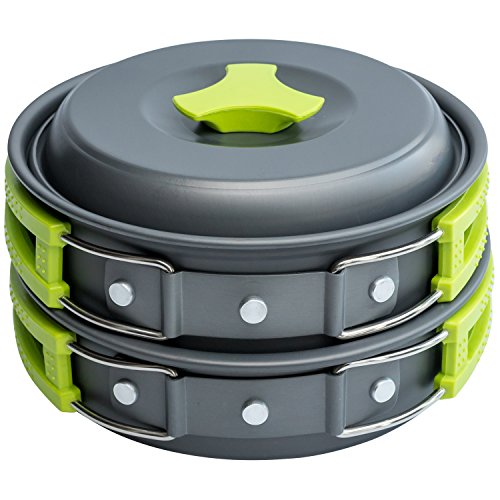
MalloMe Camping Cookware Mess Kit
Fire-Maple Fixed Star 1 Backpacking Stove System
A Breakdown Of The Leading Choices
You probably recognize the bucking bronco stamp on the lid before you recognize the brand. This Yellowstone edition pairs a deep 10.5-inch skillet with a lid that flips over into a second shallow pan, giving you two cooking surfaces from one piece of gear.
At basecamp, that second pan earns its weight. Sear chicken in the deep half while cornbread bakes in the lid-skillet over coals. The cast iron body shrugs off open flame, grill grates, and a Dutch oven lid with equal ease. Pre-seasoned with vegetable oil, the surface gets slicker the more you cook on it, though a quick wipe-and-oil after each trip keeps rust off between weekends.
Strong Points
- Dual-purpose design turns one tool into two pans, saving drawer space in your camp kitchen.
- Cast iron body tolerates stovetop, oven, grill, and open flame, so you can pivot recipes on the fly.
- Pre-seasoned finish means cooking starts the moment you unpack, no lengthy curing session required.
- Made in the USA with iron and oil, no synthetic coatings to worry about over high heat.
- Themed collector appeal for fans who want gear that doubles as display.
Worth Noting
- Heavier than aluminum kits, so it’s a car camping piece, not a backpacking one.
- Seasoning needs occasional upkeep with a thin oil coat to stay rust-free.
- The 10.5-inch size feeds two comfortably but tight for a group of four.
At A Glance
Made For
Yellowstone fans and base campers who want a themed, versatile pan for two-person meals over fire or stove.
Look Elsewhere When
You need a wider cooking surface for group dinners, where the Lodge Pre-Seasoned Cast Iron Dual Handle Pan handles a hungry crowd more easily.
The 12-inch footprint changes how a camp breakfast scales up. Hash browns, sausage patties, and a pile of eggs all spread out without crowding, which is exactly what keeps each bite crisp instead of steamed.
Two grip handles on this Lodge piece give you confident control over the heavy iron mass, so passing it from grill grate to table is less of a wrestling match than a single-handle skillet would be. Like the Yellowstone model above, it’s pre-seasoned with vegetable oil and free of PFAS or synthetic coatings. Depending on your group’s appetite, that surface area may save you from running two pans side by side at the fire ring.
Everyday Wins
- Generous 12-inch cooking surface handles full breakfasts for four to six people.
- Dual handles make a heavy pan far safer to move between heat sources.
- PFAS-free, pre-seasoned finish uses only natural vegetable oil.
- Works on every heat source from camp stove to open flame.
Trade Offs
- Bare-knuckle weight rules it out for backpacking or paddle-in trips.
- Cast iron requires deliberate drying and oiling between uses to prevent rust.
- Slow to react to heat adjustments compared to thin aluminum.
Who It Suits Best
Family campers and group trip cooks who want one substantial pan that handles big-batch meals without splitting the menu across multiple skillets.
Swap It Out When
You’re packing by the ounce and need everything nested in a single bundle, where the MalloMe Camping Cookware Mess Kit collapses into a backpacker-friendly footprint instead.
This skillet was named for a reason. The 10.25-inch pan lives for the cast iron moments: a reverse seared steak at the campsite, a one-skillet bake of cornbread, a slow pan-fry of trout over the fire ring.
Where the Yellowstone piece leans collector and the 12-inch model goes wide, the Wanderlust sits in the practical middle. You can sear, sauté, bake, broil, braise, fry, or grill on it without thinking twice. Pre-seasoned with 100% natural vegetable oil, the finish behaves the same way it does on any Lodge pan. Cast iron also delivers heat retention that aluminum can’t match, which keeps food sizzling when you slide it off the flame.
Bright Spots
- Versatile enough for nearly every campsite cooking method, from oven to open flame.
- Excellent heat retention keeps food hot through the trip from stove to plate.
- Cast iron construction lasts for decades with basic care.
- Wanderlust series design adds a touch of personality without sacrificing utility.
Soft Spots
- Requires seasoning maintenance, especially after exposure to moisture in the field.
- Single long handle gets hot during stovetop use, so you’ll want a glove or mitt handy.
- 10.25-inch surface is intimate for groups, better suited to two-pan cooking for four.
Perfect Match For
Traditionalists who want one cast iron workhorse for cooking everything from eggs to braises at a car camp.
Consider Something Else When
You’re hauling everything on your back, since the Fire-Maple Fixed Star 1 Backpacking Stove System trades pure searing power for featherweight packability.
Thru-hikers don’t carry cast iron. They carry kits like this one, where a nonstick anodized aluminum pot, lid, pan, two bowls, and a folding spork nest into a single tidy bundle that disappears into a pack.
The kit is sized for one youth scout or adult hiker, which keeps weight low but limits big-batch ambitions. Nonstick surfaces mean eggs slide with little oil, and cleanup takes just a swipe of a bandana. Anodized aluminum, a treatment that hardens the surface and resists corrosion, conducts heat quickly so you aren’t waiting forever for water to boil. Everything tucks together so nothing rattles around your pack on mile seven.
Real Benefits
- Nesting design fits pot, pan, bowls, and utensil into one compact kit.
- Lightweight anodized aluminum reduces pack strain on long routes.
- Nonstick surfaces ease cooking and cleanup in the backcountry.
- 10-piece bundle covers solo meal prep without buying extras.
Possible Compromises
- Sized for one person, so two campers would need a second kit.
- Thin aluminum cools faster than cast iron once removed from flame.
- Nonstick coating needs gentle care to avoid scratching on rough trail cleanup.
Best Suited To
Solo backpackers and scouts who want a complete, minimal cook system for one-pot meals on multi-day trips.
Skip It When
You’re settled at a car camp and want a heavier pan that holds heat through long cooks, where the Lodge Yellowstone Cast Iron Combo Cooker delivers better sear and retention.
Sometimes you want more than just a pan, you want a complete heat system. The Fixed Star 1 integrates a backpacking stove with a 1-liter cook pot, with all the parts tucking into the pot body for a clean, rattle-free pack.
The integrated heat exchanger pulls efficiency out of the fuel canister, so a rolling boil comes faster than it would under an open-flame burner. Weight lands around 18 ounces in total. Note that this set does not include a fuel canister, and it isn’t compatible with Coleman-style canisters, so check what you already own before committing. For alpine starts and freeze-dried dinners, the system earns its keep.
Practical Pluses
- All-in-one design nests stove, pot, and accessories into a compact bundle.
- Integrated heat exchanger speeds boil times compared to traditional stoves.
- Lightweight at roughly 18 ounces, friendly to longer mileage days.
- Sturdy pot doubles as a mug or bowl for short solo trips.
Points To Note
- Fuel canister sold separately, adding to your initial gear cost.
- Not compatible with Coleman-style fuel canisters, which limits flexibility.
- 1-liter pot is sized for solo meals, not group cooking.
Whose Shelf It Belongs On
Alpine backpackers and fastpackers who value low weight and a tight, integrated cook setup for solo use.
Reach For A Different Pick When
You want a pan-first setup with more flexibility on heat sources, where the Lodge Wanderlust Series Cast Iron Camper Skillet plays nicely with grills, ovens, and open flame alike.
What To Weigh Before Choosing Your Cookware
The right pan depends on how you camp, not just what’s for sale. Start by separating car camping from backpacking, since the weight penalty of cast iron rules it out for trail mileage but rewards you at basecamp with unbeatable heat retention.
Material matters more than brand once you filter by trip style. Cast iron (iron alloyed with carbon, cast in a sand mold) holds heat beautifully but weighs a ton. Anodized aluminum heats fast and stays light, though it cools quickly once you remove it from the flame. Match the metal to the meal: long sears and bakes favor cast iron, boil-and-go meals favor aluminum.
Size maps to appetite. A 10-inch pan covers solo or duo meals comfortably. Groups of four to six want a 12-inch surface so the cook isn’t juggling pans over the fire. Backpackers should look for nesting kits where pot, pan, and utensils collapse into one bundle to save pack volume.
Heat source compatibility closes the deal. Open flame and grill work for cast iron and most aluminum. Stovetop or integrated canister stoves demand flat, stable bases. Confirm before you pack.
Key Considerations Across These Picks
Pitfalls Shoppers Hit
The most common mistake is buying a heavy cast iron piece for a backpacking trip. Cast iron belongs in the trunk, not on the trail. Another misstep is picking a nonstick pan without checking the coating type: anodized aluminum kits handle trail abuse better than budget nonstick that flakes after a season. Lastly, ignoring pot-to-stove compatibility leaves you holding a pot that won’t sit on your burner, so confirm fit before checkout.
What The Higher Tier Buys
Spending up usually means longer-lasting materials, more even heat distribution, and integrated features like heat exchangers that cut fuel use. A premium cast iron skillet outlasts a decade of trips when cared for, while a budget aluminum pan may dent or warp after a rough season. The honest read: for casual weekend camping, a mid-tier cast iron or anodized kit delivers most of the value, while frequent backpackers and expedition cooks gain real payoff from premium integrated systems.
Frequently Asked Questions
What’s the best pan material for camping? Cast iron holds heat best for searing and slow cooks, while anodized aluminum wins for weight savings and fast boils on backpacking trips.
How do I stop cast iron from rusting at camp? Dry the pan thoroughly after washing, then wipe a thin layer of cooking oil onto the warm surface before storing it in a breathable bag.
Can I use these pans on a campfire? Cast iron handles open flame directly, but aluminum pans need a grate or stable surface to avoid warping from concentrated heat.
Do backpacking cookware sets include utensils? Kits like the MalloMe bundle include a folding spork and bowls, while stove systems like the Fire-Maple typically ship with just the pot and burner.
How big should a camping pan be for two people? A 10 to 12-inch pan gives two campers enough surface area for most breakfasts and dinners without crowding the food.
Bottom Line
The best camping pan is the one that matches how you actually travel. Cast iron earns its place at basecamp, while ultralight kits shine on the trail. Pick based on your trip style, your heat source, and the appetite you’re feeding, and any of these five will serve you well.