
Side sleepers know the drill: a thin pad turns the shoulder and hip into a pressure point by midnight, and dawn arrives with a sore spine instead of rest. The right camping pad cushions those contact zones, spreads weight evenly, and keeps the chill of the ground from stealing warmth through the night.
The Lineup, Simplified

Sea to Summit Camp Plus SI Sleeping Mat (Tapered Regular)
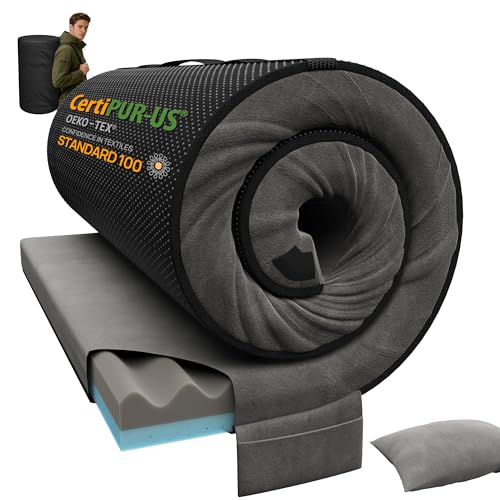
Releep 3 Inch Dual-Sided Memory Foam Camping Mattress

Therm-a-Rest Z Lite Original Sleeping Pad

Elegear Self Inflating Sleeping Pad with Pillow
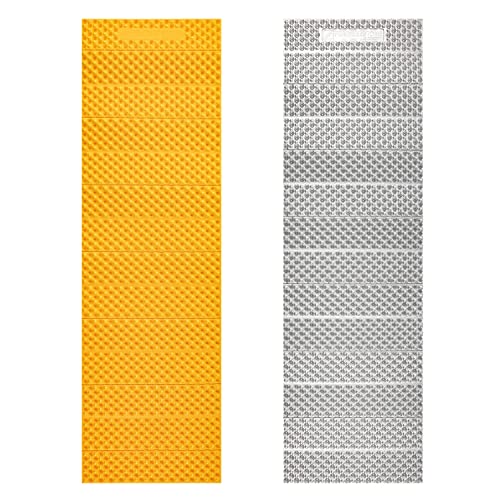
Featherstone El Cordion Insulated Sleeping Pad

Elegear Air and Foam Self Inflating Pad 4 Inch
Elegear Air and Foam Camping Mattress 4 Inch
What Each Pick Brings To The Table
Backpackers chasing serious warmth without dragging a heavy pad into the woods will appreciate how this Sea to Summit model layers foam insulation with a self-inflating core. The 2.6-inch loft gives shoulders and hips a soft landing, and the tapered shape trims grams where you don’t need the extra width.
R-value measures a pad’s ability to resist heat flow to the ground; at 4.3, this one covers everything but the coldest winter camps. Compared to lighter summer pads in the lineup, like the Therm-a-Rest Z Lite, the Camp Plus trades pack size for genuine shoulder-season performance.
Points In Its Favor
- Foam-and-air hybrid cushions pressure points that wake side sleepers at night.
- High insulation rating handles frosty ground when temperatures drop below freezing.
- Multi-function valve simplifies fine-tuning firmness without leaking air.
- Tapered shape cuts weight for hikers counting every ounce.
Things To Consider
- Bigger packed volume than a pure foam pad, which can crowd smaller packs.
- Tapered geometry leaves shoulders overhanging for broad-framed sleepers.
Feature Snapshot
Made For
Thru-hikers and backpackers tackling shoulder-season routes who want warmth without hauling an air-pad system.
Consider Something Else When
Base-weight fanatics should look at the Featherstone El Cordion for a closed-cell alternative that packs flatter.
The Releep leans into comfort over compactness, and side sleepers who value pressure relief over weight savings will love what that delivers. A three-inch foam sandwich cradles shoulders and hips in a way inflatable pads rarely match.
Dual-layer construction pairs memory foam with a denser support base, so your spine stays aligned while you sink into the cushy top. It’s the kind of pad that doubles as a guest bed or car-camping upgrade, not a backcountry tool.
Useful Highlights
- Memory foam top eases shoulder and hip pressure that thins side sleepers struggle with on firm ground.
- Three-inch profile reads more like a guest mattress than a camping pad.
- Roll-up design with a carry bag keeps transport simple for car trips.
- Waterproof surface resists tent condensation and spilled drinks.
Trade Offs
- Bulky rolled footprint makes backpacking impractical.
- Foam only, no insulation rating, so cold ground bleeds warmth quickly.
Right Fit For
Car campers, overlanders, and anyone hosting an extra guest who wants real mattress comfort in the tent.
Skip It When
Long-distance hikers should reach for the Therm-a-Rest Z Lite, which trims weight and packs small to the trail.
The Z Lite is the kind of pad your trail mentor probably used, and it’s still earning its reputation decades later. Closed-cell foam means you never worry about punctures, and the accordion fold slips behind any pack without a pump or valve drama.
Side sleepers should know what they’re getting: a firm, supportive surface that prevents bottoming out on rocky ground. The dimpled texture traps warm air pockets, which helps on cool nights even though the R-value sits lower than inflatable competitors like the Sea to Summit Camp Plus.
Well-Handled Touches
- Closed-cell foam survives abuse that would pop inflatable pads.
- Accordion fold packs tight against a backpack frame for fast deployment.
- Dimple pattern adds measurable warmth in mild conditions.
- Time-tested build appeals to traditional backpackers.
Worth Noting
- Thin profile means hipbones press into lumpy ground on uneven sites.
- Bulk size even when folded crowds packs already loaded with gear.
Quick Facts
Best Suited To
Entry-level backpackers and minimalists who want a no-fuss pad that survives rough handling.
A Better Fit Elsewhere
Side sleepers craving cushy comfort should consider the Releep 3 Inch Memory Foam Mattress for plush support.
Elegear builds this pad around 26D memory foam, which is denser than typical 19D camp pads, and that density makes a real difference the moment you lie down. The foam distributes weight across a wider area, easing pressure where side sleepers usually feel it most.
The integrated pillow is a small but useful touch for tent sleepers who hate packing extra gear. At just over three inches thick, this pad fits a comfortable middle ground between the minimalist Z Lite and the air-and-foam hybrids further down the list.
A Strong Showing
- High-density foam spreads body weight evenly across pressure points.
- Integrated pillow saves packing space and aligns your head naturally.
- Self-inflating design removes the lung-power workout at the campsite.
- 3.15-inch loft cushions shoulders without the bulk of air-pad hybrids.
Points To Keep In Mind
- Heavier than pure foam pads like the Z Lite, so backpacking weight adds up fast.
- Memory foam needs air-drying after humid nights to prevent odor.
Feature Rundown
Whose Shelf It Belongs On
Campers who want plush comfort without the bulk of a true air pad and don’t mind carrying a little extra weight.
Look Elsewhere When
Counting-gram backpackers will prefer the Featherstone El Cordion for a lighter closed-cell option.
The El Cordion pushes closed-cell foam technology past the egg-crate basics of older pads. Cross-linked polyethylene pairs with a reflective film layer, giving you better warmth-per-gram than the Z Lite’s dimpled surface.
Hexagonal nodes lift you higher off the ground and add meaningful warmth without much weight penalty. For thru-hikers logging hundreds of miles, that balance matters more than the plush feel of memory foam alternatives like the Elegear.
Key Advantages
- R-value of 2.1 handles cool nights at altitude better than typical closed-cell pads.
- Reflective film layer circulates body heat back toward the sleeper.
- Hexagonal node pattern adds loft and coverage compared to flat foam.
- Impervious to punctures that ruin inflatable competitors.
Minor Gripes
- Thinner feel compared to memory foam pads leaves hips pressing on rocky ground.
- Reflective film can develop a crinkle sound when shifting at night.
Tech Sheet
Perfect Match For
Long-distance backpackers and thru-hikers who need warmth and durability in a featherlight package.
Not Your Match When
Anyone craving soft cushioning should look at the Elegear Self Inflating Pad for thicker memory foam comfort.
Car campers and glampers who refuse to blow up a pad by mouth will find a lot to like here. The built-in electric pump handles inflation and deflation at the touch of a button, which beats lung-powered setups after a long drive.
Four inches of loft goes well beyond the typical self-inflating pad, sinking side sleepers’ shoulders and hips into foam that actually feels plush. Compared to the slimmer Elegear 3.15-inch model, this one trades pack size for genuine bed-like comfort.
Everyday Wins
- Electric pump inflates and deflates without manual effort, a real perk at the campsite.
- Four-inch profile delivers bed-like cushioning that thinner pads can’t match.
- Vacuum compression storage trims packed size for car trunks.
- Foam-plus-air hybrid balances softness with stable support.
Honest Caveats
- Heavier and bulkier than backpack-friendly options.
- Pump endurance is limited per cycle, so quick top-ups require patience between uses.
Who Should Grab It
Car campers, overlanders, and tent glamorpers who value easy setup over ultralight packability.
Reach For A Different Pick When
Backpackers counting grams should consider the Featherstone El Cordion for a much lighter trail-ready pad.
The army-green color signals its outdoor identity, but the construction is what really matters: a 26D memory foam top layered over an air chamber base. That hybrid design adapts to your curves while the air layer handles the heavy lifting underneath.
Side sleepers land on the foam first, so the cushioned feel shows up right where pressure builds. The included air pump keeps setup fast, and the result is a mattress that handles weekend trips without the sluggishness of pure foam rolls.
Bright Spots
- Hybrid foam-and-air build softens contact zones without sacrificing support.
- Included air pump cuts setup time compared to mouth-inflation models.
- Four-inch thickness reads as a real mattress, not a thin camp pad.
Small Caveats
- Packed size grows larger than closed-cell pads, limiting backpacking use.
- Air chamber introduces puncture risk that pure foam designs avoid.
Spec Overview
Built With In Mind
Side sleepers who want a hybrid feel between plush memory foam and stable air support on car-camping trips.
Where A Sibling Pick Shines
Thru-hikers watching weight should pivot to the Therm-a-Rest Z Lite for a much lighter foam option.
Matching A Pad To Your Sleep Style
Thickness and pressure relief matter most for side sleepers, so look for pads in the 2.5-inch range or thicker to keep your hip and shoulder from bottoming out on uneven ground. R-value, which grades insulation against heat loss, becomes critical once nights dip below 50°F; aim for at least 2.0 for shoulder-season trips and above 4.0 for winter camping.
Pack size and weight decide whether a pad belongs on the trail or stays in the car. Closed-cell foam rolls flat and survives abuse but feels firm, while air-and-foam hybrids deliver plush cushioning at the cost of puncture risk and extra ounces. Hybrid self-inflating pads hit a comfortable middle ground for weekend trips.
Sleep surface also affects comfort. Wider pads stop shoulders from hanging off the edge, tapered designs trim grams for ultralight hikers, and built-in pillows cut packing lists for travelers who hate extra gear.
Quick Tips Before You Click Add To Cart
Traps First Timers Fall Into
Buying a thin summer pad for shoulder-season trips leaves you shivering once temperatures drop. Match the R-value to your typical conditions rather than the warmest forecast you’ve camped in.
Choosing a narrow mummy pad to save weight sounds smart until your shoulders hang off the side and press into the ground. Side sleepers generally need at least 20 inches of width, and rectangular cuts give more usable surface.
What The Extra Money Buys
Premium pads tend to layer foam and air for better pressure relief without bulk. That hybrid construction costs more, but the comfort upgrade matters most for side sleepers who wake sore on basic foam. Higher R-values, thicker lofts, and integrated pumps all add to the final tab, and each one delivers real value if your trips demand it.
Frequently Asked Questions
What thickness works best for side sleepers?
A pad at least 2.5 inches thick cushions the hip and shoulder without bottoming out, and three inches or more feels best for most side sleepers on hard ground.
Does a higher R-value mean a warmer pad?
Yes, R-value measures insulation against heat loss to the ground, so higher numbers keep you warmer on cold nights and matter most for shoulder-season and winter camping.
Are self-inflating pads good for side sleepers?
Self-inflating pads combine foam with air for solid pressure relief, and thicker models like four-inch hybrids handle side sleeping very well for car camping.
How wide should a side-sleeping pad be?
Aim for at least 20 inches wide to keep shoulders from hanging off, and consider 25 inches or rectangular cuts if you shift around during the night.
Can a closed-cell foam pad work for side sleepers?
Closed-cell foam pads can work for side sleepers on smooth ground, but rocky or uneven campsites tend to create pressure points that thicker pads handle better.
The Takeaway
Side sleepers thrive on pads that cushion without sinking, and the right thickness plus insulation makes every trip feel like a real night’s rest. Match the pad to your trip style: ultralight foam for trails, plush hybrids for car camping, and thicker self-inflating designs for the comfortable middle ground. Sleep well out there.