
A thin pad between your hips and hardpack turns a good trip into a sleepless one. Car campers hauling coolers have different needs than ultralight hikers chasing base weight, and a self-inflating bed rarely suits either. This roundup sorts the standouts by use case: plush memory foam for car camping, featherweight closed-cell pads for thru-hikers, roomy air mattresses for basecamp, and a synthetic bag for those who want a complete sleep system in one piece. Each pick here is paired with a clear buyer profile, honest caveats, and the closest sibling in this list if your needs lean elsewhere.
Your Options, Compared
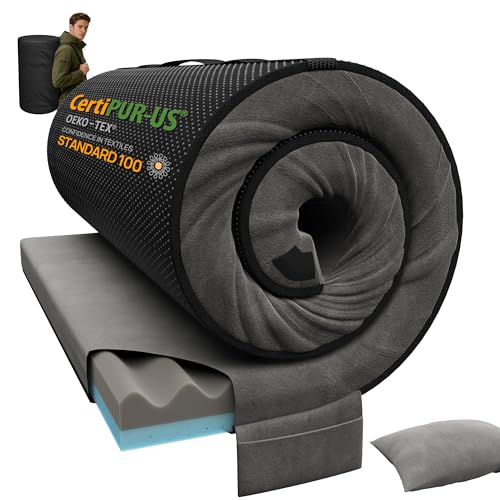
Releep 3 Inch Dual-Sided Memory Foam Camping Mattress

Therm-a-Rest Z Lite Original Sleeping Pad

MalloMe Sleeping Bag for Adults Cold Weather
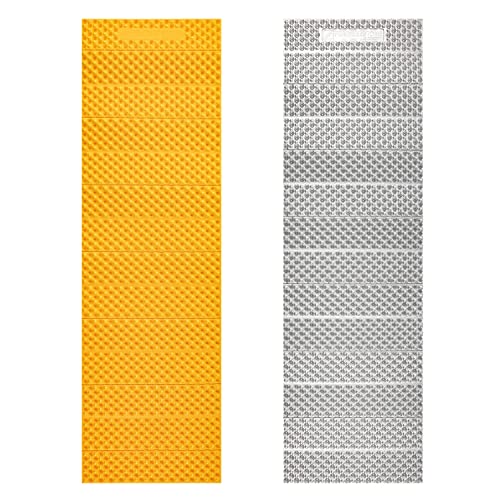
Featherstone Outdoor El Cordion Insulated Sleeping Pad

MalloMe Inflatable Camping Pad with Foot Pump

Lost Horizon Option3 Self-Inflating Mattress 4.5″
Inside Each Recommended Option
Where the Releep separates itself from the Therm-a-Rest is sheer cushiness. A three-inch profile built from dual-layer foam lets you forget you are sleeping on tent floor, and it doubles as a guest bed at home when unexpected visitors arrive. The waterproof shell shrugs off damp grass and surprise condensation, while the included pillow and carry bag keep setup genuinely simple.
Side sleepers and restless tossers will appreciate the contouring most, since the foam cradles shoulders instead of pushing back. Compared to a closed-cell pad later in this list, you trade pack size for nightly comfort, and that equation favors anyone with a car between trailhead and campsite.
Well-Handled Touches
- Three inches of dual-layer foam, which for most adults means pressure points disappear on rocky ground
- Waterproof cover handles dew-soaked tent floors without leaking through to the foam
- Rolls tight enough to stash in a trunk or back seat, then unrolls flat without wrestling corners
- Bundled pillow eliminates one more piece to pack, useful for first-time campers
- Doubles as a spare bed at home, so the investment stretches beyond a single season
Things To Consider
- Far too bulky for a backpack; this one lives in the car, not the pack
- Foam can hold moisture long-term if stored damp, so owners commonly air it out before rolling up
- Heavier than the air and closed-cell alternatives later in this roundup
Who It Suits Best
Car campers, SUV-based families, and anyone wanting guest-bed versatility from a single piece of gear.
Where Another Pick Suits Better
Thru-hikers should reach for the Featherstone Outdoor El Cordion Insulated Sleeping Pad instead, since pack weight matters far more than three inches of foam on a multi-day trail.
The Z Lite has earned its reputation over decades by doing the boring things well. Closed-cell foam is the simplest pad technology: no inflation, no leaks, no valves to babysit. You unfold it, you lie down, you sleep. The accordion fold packs small enough to strap outside a pack, and the dimpled surface traps a layer of warm air beneath your bag.
What the Z Lite lacks in plushness it returns in durability and zero-maintenance ownership. Where the Releep ahead of it prioritizes comfort, this one prioritizes reliability: drop it on gravel, leave it in a hot car, hand it to a friend with no instructions. Nothing breaks.
What Stands Out
- Closed-cell foam cannot pop, leak, or fail at altitude, which makes it the safest bet for remote trips
- Accordion-style folding stows compact and slips behind a backpack’s brain panel
- Trusted design used by mountaineers and scouts for generations
Worth Noting
- Noticeably thinner and firmer than the foam pad from Releep above
- No insulation rating claimed, so cold-weather campers may need extra layers below
Right Fit For
First-time backpackers, scouts, and minimalist hikers who want a pad that survives being abused in a pack.
Swap It Out When
Winter campers chasing real warmth should grab the Featherstone Outdoor El Cordion Insulated Sleeping Pad, which offers a stated R-value suited to colder ground.
The MalloMe bag lands in this roundup as the bundled option: a synthetic mummy with a weather-resistant shell, sized for adults but available for younger campers too. Where the other picks focus on what is under you, this one solves what is around you. For families new to camping, it removes the most intimidating gear decision by replacing it with a single complete piece.
It also makes sense as a backup or car-camp bag, since the synthetic fill dries faster than down after a damp night. Compared to the pads ahead, this is more about warmth rating than sleep surface, and it pairs naturally with any of the mattresses in this list.
A Few Highlights
- Polyester shell with a double-layer build for weather resistance on damp nights
- Available in adult and youth sizes, useful for parent-child trips
- Synthetic insulation handles moisture better than down when packing up wet
Honest Caveats
- Heavier and bulkier than an ultralight down bag for the same temperature rating
- Sleeping bags alone do not address ground insulation; pairing with one of the pads here is wise
Made For
First-time family campers and scout troops who want one bag that handles cool-weather weekend trips without separate layering systems.
Consider Something Else When
Backpackers counting ounces should pick the Therm-a-Rest Z Lite Original Sleeping Pad paired with a lighter mummy, since the MalloMe is built for campground use, not trail mileage.
The El Cordion is the Z Lite’s colder-weather cousin. It uses irradiated cross-linked polyethylene foam with a heat-reflective film, which gives it a claimed R-value of 2.1. R-value is the standardized measure of a pad’s resistance to heat flow: the higher the number, the more it insulates you from cold ground. That rating puts this pad in spring-to-fall shoulder-season territory.
Where the Therm-a-Rest is bare closed-cell foam, this one adds hexagonal nodes for more height and a claimed 40% more coverage between you and the dirt. The tradeoff is similar to the Z Lite’s, but with a real insulation number behind it for hikers who chase elevation and shoulder-season temperatures.
Reasons It Performs
- Stated R-value of 2.1, useful for shoulder-season and high-elevation trips where ground temperature matters
- Hexagonal nodes increase height, so your hips and shoulders stay lifted off uneven ground
- Closed-cell foam design means no inflation step and no leak risk on long trails
Points To Keep In Mind
- Still firm compared to the Releep’s memory foam, since closed-cell foam cannot cradle pressure points
- Packed size grows longer than the Therm-a-Rest Z Lite, so pack real estate is a factor on tighter loads
Best Suited To
Thru-hikers and section hikers tackling spring, fall, and alpine routes where ground warmth is part of the survival math.
Not Your Match For
Car campers craving plush comfort should pick the Releep 3 Inch Dual-Sided Memory Foam Camping Mattress, since foam depth outweighs insulation rating when you are sleeping 30 feet from the trunk.
Key Specs
This is the pad for people who never want to blow into another plastic valve. The MalloMe uses a built-in foot pump, so you step on it a few dozen times and walk away with a fully inflated sleeping surface. The Chevron-shaped air cells aim to spread weight evenly across the pad, which the brand describes as helping prevent the middle sag that ruins inflatable pads overnight.
Against the closed-cell options earlier in this list, the air pad wins on cushioning. Against the foam pads above, it wins on pack size when deflated. The honest tradeoff is durability: any inflatable carries a small leak risk, and rough ground plus a pet-friendly campground can shorten its lifespan.
Where It Helps
- Foot pump removes mouth-to-valve setup, helpful at altitude or for campers with lung sensitivity
- Deflates to a small stuff sack for car camping or shorter backpacking trips
- Air-cell pattern aims to limit sagging compared to flat-channel inflatables
- Available in single and double sizes for couples or parents sharing a tent
Possible Compromises
- Air pads carry a small puncture risk that closed-cell foam simply does not
- Heavier than the Featherstone El Cordion for the same backpacking mileage
Who Will Love This
Car campers and tent-based travelers who want inflatable comfort without owning or forgetting a separate pump.
Look Elsewhere When
Multi-day backpackers counting grams should grab the Therm-a-Rest Z Lite Original Sleeping Pad, which has zero inflation steps and zero leak risk over hundreds of trail miles.
Feature Snapshot
The Option3 is what happens when you treat a camping mattress like a real bed. A 4.5-inch profile with internal foam filling inflates itself once the valve opens, and the brand claims support up to 440 pounds, with foam distributed evenly to reduce pressure points. In practice, this is the closest item in the roundup to a guest-room mattress you can roll out next to the campfire.
It is too heavy for backcountry use, but that is not the point. Compared to the Releep earlier, the option trades portability for thickness and full-size coverage. Compared to the MalloMe inflatable, it adds foam insurance against a single puncture ruining the night.
What Works In Its Favor
- 4.5-inch foam-filled thickness feels closer to a home mattress than a traditional pad
- Self-inflating setup means no pump and no huffing, just open the valve and wait
- Full-size footprint fits two campers or one restless sleeper who sprawls
- Internal foam structure aims to distribute weight evenly across the surface
Less-Strong Areas
- Far too heavy and bulky for any backpacking use; this lives in a car trunk
- Self-inflating pads can take longer to fully expand in cold weather, so patience at altitude is required
Whose Shelf It Belongs On
Glampers, families car camping in comfort, and anyone outfitting a rooftop tent or van build for steady basecamp use.
Skip It When
Hikers chasing long-mileage days will find the Therm-a-Rest Z Lite Original Sleeping Pad a far better pack mate, since ounces matter more than thickness on the trail.
Technical Highlights
What Matters Most Before Choosing Camping Mattresses
Sleep warmth starts from the ground, not the bag. Foam and air both insulate, but only if the pad’s thickness matches the season and the sleeper. A 3-inch foam pad that feels plush in July can feel punishing in March, which is why R-value, the standardized measure of insulation, matters more than cushion thickness for cold trips. Backpackers chasing grams should weight closed-cell foam, while car campers can ignore the scale entirely.
Thickness drives comfort far more than people expect. Side sleepers and restless movers feel hip and shoulder pressure on anything under 2.5 inches, while stomach and back sleepers tolerate thinner pads fine. Air-filled pads with vertical sidewalls behave more like a bed, while horizontal-channel pads feel hammock-like in the middle.
Pack size dictates use case. A full-size self-inflating mattress is glorious next to a fire and impossible on a trail. Match the packed footprint to where you actually camp, not where you wish you camped.
Durability varies by construction. Closed-cell foam survives abuse but feels firm. Air pads pack small and feel great until a thorn finds them. Foam-filled self-inflating pads split the difference, with extra insurance against leaks.
Key Considerations Across These Picks
Common Buying Slip Ups
Shoppers often chase thickness and forget insulation, which leaves them cold on shoulder-season trips even on a 3-inch pad. Others pick an air pad without owning a patch kit, then discover the first puncture ends the trip. Match the pad to the season first, then worry about comfort layers.
Why Top Tier Costs More
Higher-tier pads in this category add real insulation ratings, thicker foam, and stronger shell fabrics that resist abrasion over years of use. The upgrade matters most for campers who chase cold nights, long trips, or family use where a single pad failure ruins everyone’s sleep. For fair-weather car campers, mid-tier pads often deliver everything needed without the premium.