
Nothing wrecks a weekend faster than waking up sore because the ground won. Camping mattress queens solve that by giving car campers and tent sleepers a roomy, cushioned surface that fits two adults side by side. The seven picks below cover foam pads, self-inflating mats, and air options, each tuned for a different kind of outdoor sleeper.
How The Shortlist Stacks Up
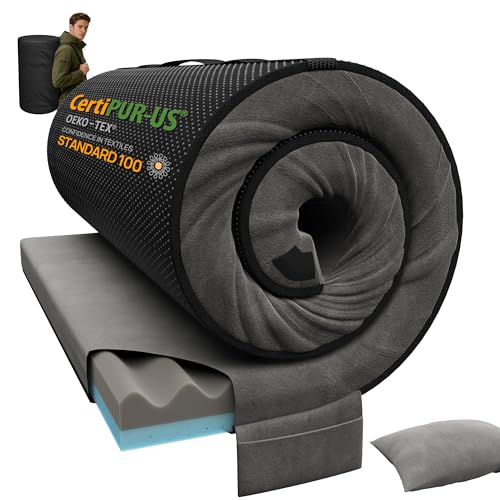
Releep 3 Inch Dual-Sided Memory Foam Camping Mattress

Lost Horizon Self-Inflating Foam Camping Mattress for Model Y

Lost Horizon Self-Inflating Foam Camping Mattress, Single, 3″ Thick

EnerPlex Queen Air Mattress with Built-in Pump

Kingfun 3 Inch Memory Foam Camping Mattress Pad

Lost Horizon Option3 Self-Inflating Foam Camping Mattress, Twin, 4.5″

Lost Horizon Option3 Self-Inflating Foam Camping Mattress, Full, 4.5″
What Each Pick Brings To The Table
Releep leans into plush comfort with a 3-inch profile that feels closer to a dorm futon than a typical roll-up pad. The dual-layer construction pairs gel-infused memory foam against a denser support base, so the top cradles shoulders and hips while the bottom keeps your spine from sinking on uneven ground. A waterproof shell and bundled travel pillow make it a tidy one-package solution for car campers who unpack once and stay put.
Compared to the self-inflating options from Lost Horizon further down, this Releep trades a bit of pack-down size for a noticeably softer feel. It rolls into a carry bag that fits a back seat or trunk without drama.
Well-Handled Touches
- Gel-infused memory foam top layer softens pressure points at the shoulders and hips, useful for side sleepers who wake up stiff on thinner pads.
- Waterproof outer cover shrugs off condensation and minor spills, which matters in humid camps or tent setups where moisture sneaks in overnight.
- Three inches of loft raises you off cold ground, adding real insulation from chilly soil in spring and fall trips.
- Bundled pillow and carry bag cut down on packing, so the whole sleep kit lives in one strap-ready bundle.
- Dense base foam resists bottoming out, so heavier sleepers stay better supported than they would on a basic foam roll.
Soft Spots
- Foam rolls up larger than self-inflating alternatives, so backpacking and tight trunk storage both get tighter.
- Memory foam can trap warmth in hot summer weather, leaving warm sleepers searching for ventilation.
- The waterproof cover needs occasional spot cleaning, and moisture that sneaks past the shell can take time to air out of dense foam.
Who It Suits Best
Car campers, weekend cabin sleepers, and tent hosts who want a soft, residential-style surface rather than a tight backpacking mat.
Skip It When
Thru-hikers and ultralight travelers should look at the lighter, packable Lost Horizon Single pad instead.
This Lost Horizon pad is a purpose-built oddity: shaped to fit the cargo area of a 2-row Tesla Model Y, turning the back of an EV into a makeshift camper. Open the valve, the foam core pulls air in on its own, and the 4.5-inch thickness plus 9-pound foam fill delivers a flat, supportive surface that feels closer to a home mattress than a backseat blanket.
The 440-pound capacity makes it workable for two adults on shorter trips, and the foam-air hybrid structure spreads pressure evenly. Where the Releep lead pick is soft and portable, this one is large, structured, and tied to one specific vehicle footprint.
Strengths Worth Knowing
- 4.5 inches of foam-and-air loft lets taller side sleepers settle in without hips digging into the floor.
- Self-inflating design saves the lungs after a long drive, with a few breaths of topping off usually enough.
- Custom dimensions match the Model Y cargo area, so the pad sits flat without curling at the edges.
- High load capacity handles a couple plus gear, which matters for road-trip sleepovers.
Honest Caveats
- Fit is vehicle-specific, so anyone without a 2-row Model Y gets no real benefit from the custom shape.
- Larger packed size than a typical pad, and the foam takes longer to fully dry if it absorbs moisture.
- Self-inflating foam performs best when the valve is left partly open overnight, which can let a slow draft in on cold nights.
Made For
Tesla Model Y owners who camp out of the cargo area and want a tailored sleeping surface that fills the floor cleanly.
Look Elsewhere When
Shoppers without a Model Y should consider the EnerPlex air mattress for a more universal queen-sized sleep platform.
For solo campers who want a thicker pad without hauling a queen, this Single 3-inch from Lost Horizon splits the difference between ultralight air mats and full foam pads. At 5.5 pounds of foam fill, it adds meaningful cushion without dominating a pack, and the self-inflating valve means setup is mostly hands-off after you crack it open.
Side by side with the Releep pad above, this one feels firmer and cooler, since the foam is denser and there is no gel-infused layer on top. The 220-pound capacity makes it a better fit for solo trips than shared sleep setups.
Practical Pluses
- Self-inflating core removes the need to carry a pump or huff into a valve for several minutes.
- 3-inch profile works well for side sleepers who need shoulder and hip loft without going full thickness.
- Single-person footprint suits small tents, bivy shelters, and hammock tents where a queen pad would crowd gear.
Trade-Offs
- Not sized for two adults, so couples will need a larger option like the Full 4.5-inch Lost Horizon later in this list.
- 220-pound capacity may feel firm for heavier solo sleepers who want more give.
Right Fit For
Solo backpackers, bikepackers, and tent campers who want a thicker, more forgiving surface than a basic inflatable mat offers.
Consider Something Else When
Couples or larger sleepers should jump to the Lost Horizon Option3 Full 4.5-inch pad for the room and loft they need.
The EnerPlex Queen plays a different game than the foam pads on this list. It rises 16 inches off the floor, has a built-in pump, and inflates in roughly two minutes, which makes it useful at home, in a tent, or as a spare bed in a guest room. The PVC construction is waterproof, and the coil-beam interior is designed to spread weight so two adults don’t roll into each other.
Where the Releep and Lost Horizon options trade slower pack-down for thicker foam, this EnerPlex deflates fast and stores in a closet. That flexibility comes with the usual air-mattress trade-offs, so it suits campers who set up at a base camp rather than hike to their spot.
Useful Highlights
- Built-in pump speeds up setup, so you skip hauling a separate inflator or pedal pump.
- 16-inch raised profile mimics a real bed, helping campers with joint stiffness who struggle to get up off low pads.
- Doubles as a guest bed at home, stretching its use beyond weekend trips.
- Waterproof PVC shell handles tent moisture and the occasional spill without soaking through.
Factors To Consider
- Air mattresses can lose a little firmness overnight, so top-offs are part of the routine on longer trips.
- Larger packed size than a self-inflating pad, which matters for small cars and limited trunk space.
- Vinyl surfaces can feel clammy in cool weather without a fabric sheet or topper layered on top.
Who Will Love This
Campers and household hosts who want a single bed that pivots between backyard, guest room, and family tent use.
Reach For A Different Pick When
Backcountry campers should pick the Lost Horizon Single 3-inch foam pad for a lighter, more packable sleep surface.
Kingfun aims to deliver the soft, cradling feel of memory foam without the luxury-tier price, and the 3-inch profile gives it the kind of loft you’d expect from a guest futon. It rolls up into a removable travel bag that slides into a closet or trunk, and the waterproof cover handles the dew and condensation that build up inside tents overnight.
Compared to the Releep pad up top, this Kingfun trades the dual-layer construction for a simpler foam block. You still get the slow sink-in feel, but the response and contouring are a touch less refined.
Points In Its Favor
- 3-inch foam profile cushions shoulders and hips, which helps side sleepers waking up sore on thinner pads.
- Waterproof shell keeps the foam dry through dew-heavy mornings and damp tent floors.
- Roll-up design stores compactly in a trunk or gear closet between trips.
- Memory foam construction stays quiet at night, unlike air mattresses that creak when you shift.
Some Limits To Know
- Single foam block lacks the layered support of the Releep, which can feel less balanced under heavier sleepers.
- Memory foam retains warmth, so summer campers in hot climates may run hot without airflow.
- Foam needs a day or two to fully re-expand after long-term compression in the bag.
Best Suited To
Tent campers and guest hosts looking for plush memory foam feel at a friendlier cost than premium dual-layer pads.
Not Your Match When
Sleepers wanting more advanced layered support should look at the Releep 3-inch dual-sided pad earlier in this list.
The Lost Horizon Option3 Twin goes thicker than most pads at this length, with 4.5 inches of foam-and-air hybrid fill that holds its shape under restless sleepers. At 8.5 pounds of foam and a 300-pound capacity, it’s a sturdy option for one adult who wants room to sprawl, or for a parent sharing tent space with a kid.
Compared to the Single 3-inch pad earlier in this list, the Option3 Twin feels more like a bed and less like a sleeping pad. Setup is still mostly hands-off thanks to the self-inflating valve.
Practical Advantages
- 4.5-inch loft isolates sleepers from cold, rocky ground better than thinner pads.
- Self-inflating core removes the need to carry a separate pump on most trips.
- 300-pound capacity handles heavier sleepers and active kids without bottoming out.
- Twin dimensions fit standard family tents without crowding vestibule space.
Where It Is Less Suited
- Foam-heavy construction packs larger than ultralight inflatables, so it’s not ideal for backpacking.
- Self-inflating foam performs best with the valve cracked, which can let a slight chill in during shoulder-season nights.
- Twin size limits couple use; the Full version on this list handles two adults more comfortably.
Whose Shelf It Belongs On
Solo campers and parents who want a thick, supportive twin pad for car camping or family tent setups.
A Better Fit Elsewhere
Couples sharing a tent should skip to the Lost Horizon Option3 Full 4.5-inch pad for a true two-person sleep surface.
The Full 4.5-inch Option3 is the roomiest of the Lost Horizon lineup, with a 12-pound foam fill that lays flat across a family-sized tent floor. Two adults can sleep side by side without rolling into a shared trench in the middle, and the 440-pound load capacity means the pad holds its shape even with kids joining on weekend trips.
Where the EnerPlex air mattress above uses inflation for height, this Option3 uses dense foam and a self-inflating valve to reach the same loft. The trade-off shows up in packed size, which leans toward car camping rather than backpack carry.
A Strong Showing
- Full footprint fits two adults comfortably without forcing partners into a shared sleep trench.
- 4.5-inch profile insulates against cold ground, important on shoulder-season family trips.
- 440-pound capacity handles two adults plus a child or pet without sagging.
- Self-inflating valve simplifies setup, so bedtime doesn’t turn into a pump workout.
Practical Considerations
- Full-size packed volume needs a large trunk or cargo area, which is fine for SUVs but tight in compact cars.
- Foam dries slowly if it absorbs moisture, so wet tent floors during rain can leave the pad damp for a day.
- Heavier 12-pound fill rewards car campers more than backpackers hauling gear over distance.
Built With In Mind
Couples and families who car camp in larger tents and want a flat, supportive full-size surface rather than two smaller pads pushed together.
Swap It Out When
Solo travelers should pick the lighter Lost Horizon Option3 Twin 4.5-inch pad to save packed space and weight.
What To Weigh Before Picking A Camping Mattress Queen
Size and shape matter more than most shoppers expect. A true queen footprint gives two adults shoulder room, but the pad still has to fit inside your tent’s floor plan. Measure tent dimensions before committing, since some “queen” pads run long or wide for the listed size.
Thickness is the second biggest factor. Anything under 3 inches will let you feel rocks and roots, especially if you sleep on your side. Self-inflating pads in the 4-inch range strike a nice balance between loft and pack-down size.
Material affects comfort, weight, and warmth. Foam pads run quiet and warm but pack larger, while air mattresses deflate fast and store small but can creak and lose firmness overnight. Hybrid foam-and-air designs aim to balance both, which is why most of the options above use that approach.
Inflation method shapes the setup routine. Built-in pumps are fast but need power, while self-inflating valves are hands-off but slower. If you camp off-grid, plan around that.
Where Shoppers Slip Up And Where The Extra Money Goes
Pitfalls Shoppers Hit
A common mistake is buying on thickness alone. A 4-inch pad that packs down to the size of a beach ball is great for car campers and miserable for backpackers. Match the packed volume to your vehicle or pack first, then worry about loft. Another slip is forgetting about insulation. A thick pad that compresses under your hips won’t keep you warm, so pay attention to the loft the pad actually delivers under your weight.
When Paying More Pays Off
Higher-tier camping mattress queens tend to spend the extra on foam density, cover materials, and valve quality. Denser foam resists compression over years of use, better covers shed tent moisture and clean up easier, and sturdier valves hold air and foam without leaking. For frequent campers, that adds up to a pad that still feels right in year three rather than one that flattens out after a season.