
Introduction
Lumpy ground can wreck an otherwise great trip, and your back does not care how scenic the campsite is. The right camping mattress pad turns restless tossing into the kind of sleep that leaves you functional the next morning. Car campers with room to spare, backpackers counting every ounce, and guests crashing on a cot for the weekend all have different needs. These seven picks cover foam, inflatable, and hybrid pads, each matched to the scenario it actually solves.
The Shortlist At A Glance
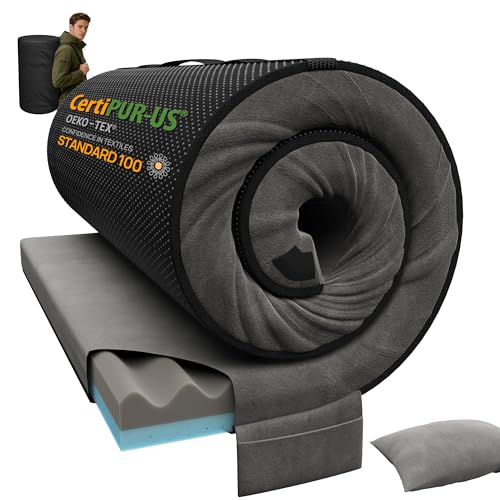
Releep 3 Inch Dual-Sided Memory Foam Camping Mattress

Therm-a-Rest Z Lite Original Sleeping Pad

OGERY Self Inflating Sleeping Pad with Electric Pump

OGERY Self-Inflating Sleeping Pad, 3″ Memory Foam

OGERY Double Sleeping Pad for Camping, 6″ Extra-Thick
OGERY Sleeping Pad for Camping, 6″ Extra-Thick Reinforced

OGERY Sleeping Pad, Ultralight Inflating Camping Pad 6″
Inside Each Recommended Option
The Releep pad earns its spot first because it crosses categories. You can roll it out in a tent, lay it across a pickup bed, or unroll it in a spare room when a friend needs a place to crash for the weekend. The 3-inch profile borrows from home-mattress construction rather than the thin foam tradition of camp pads.
Unlike the Therm-a-Rest Z Lite coming up next, this is not a minimalism play. It carries more bulk and weight, but the trade-off is actual cushioning. You feel it the moment you lie down on packed dirt, and that extra comfort matters on long trips where sleep debt piles up.
Benefits That Matter
- Dual-sided design lets you flip between a softer memory foam feel and a firmer support side.
- At 3 inches thick, it buffers hips and shoulders far better than standard 1-inch closed-cell pads.
- Rolls into a carry bag for transport, so cleanup and storage stay tidy between trips.
- Doubles as a guest bed at home, expanding usefulness beyond camp weekends.
- Includes a portable pillow, saving you from packing a separate one.
Worth Noting
- Bulkier than closed-cell pads, so backpacking trips with strict pack volume will feel the squeeze.
- Foam construction needs time to dry fully before storage to prevent mildew in humid climates.
Key Attributes
Whose Setup It Belongs On
Car campers, RV travelers, and hosts who want a reliable guest-bed solution will appreciate the comfort-first design.
Swap It Out When
Backpackers counting grams should reach for the Therm-a-Rest Z Lite Original Sleeping Pad instead, since closed-cell foam shaves significant weight and pack space.
The Therm-a-Rest Z Lite is the closest thing to a category default. Closed-cell foam, accordion folds, decades of trail service. It does not inflate, it does not leak, and it survives being strapped to the outside of a pack for hundreds of miles.
Compared to the Releep pad reviewed first, this one feels austere. No plush memory foam, no pillow bundled in. The trade-off is weight and durability, which is why thru-hikers and ultralight travelers keep coming back to it.
What Pays Off
- Closed-cell foam resists punctures and holds up to rough terrain.
- Accordion folds compress to a slim profile that fits along a pack or attaches outside.
- Trusted by mountaineers across generations, so you inherit a proven design.
- Dimple pattern traps warm air, helping retain body heat on cold nights.
Trade-Offs
- Thickness and cushioning run thin compared to foam or inflatable pads.
- No self-inflating convenience, so comfort depends entirely on how flat your campsite is.
Feature Rundown
Right Fit For
Backpackers, thru-hikers, and anyone whose pack weight matters more than plush cushioning will appreciate this pad’s simplicity.
A Better Fit Elsewhere
Car campers chasing a softer sleep surface should consider the OGERY Self-Inflating Sleeping Pad with Electric Pump, since the extra thickness and pump-driven setup suit stationary comfort better.
Setup speed is the headline here. The OGERY pad pairs 3.15 inches of memory foam with a detachable electric pump, so inflation becomes a matter of pressing a button rather than huffing into a valve after a long drive.
This sits between the Releep memory foam pad above and the bulkier double option coming later. It is aimed squarely at campers who do not want to wrestle with air at the end of the day, especially when the kids are hungry and the tent is already up.
Why It Works Well
- Detachable pump inflates and deflates in under two minutes total.
- USB-C rechargeable pump charges from a car adapter or power bank.
- Memory foam layer adds cushioning beyond standard inflatable pads.
- Self-inflating core means even manual top-ups stay quick.
Things To Consider
- The pump is another piece to keep charged and to remember at teardown.
- Self-inflating foam can take longer to fully dry than pure air mattresses in damp conditions.
Who It Suits Best
Car campers and RV travelers who value quick setup and a real foam feel will find this pad a strong fit.
Not Your Match When
Ultralight backpackers should look at the OGERY Sleeping Pad, Ultralight Inflating Camping Pad 6″ instead, since shedding weight matters more than pump-driven setup on long trails.
Where the previous OGERY pad focuses on convenience, this sibling model leans further into comfort. The 3-inch memory foam stack reads like a portable mattress, and self-inflation handles the heavy lifting once you crack the valve.
It plays a similar role to the Releep pad reviewed first, though the foam formulation and brand-specific geometry feel different when you actually lie down. For campers who chase cushion more than pack size, this belongs near the top of the shortlist.
Real-World Strengths
- Thick memory foam cradles hips and shoulders without the ground-press feeling.
- Self-inflating design minimizes lung effort at the end of the day.
- Suits a range of terrain, from tent floors to guest-room setups.
Honest Caveats
- Heavier and bulkier than the air-only OGERY pads further down the list.
- Self-inflating foam can feel firmer than expected until it fully expands.
Quick Facts
Made For
Campers and travelers chasing hotel-level sleep on trips will appreciate the thick foam profile.
Look Elsewhere When
Backpackers focused on weight should consider the Therm-a-Rest Z Lite Original Sleeping Pad, since closed-cell foam compresses smaller and carries less.
This is the double-wide option in the roundup. Built for two sleepers sharing a tent, the 6-inch reinforced profile reads closer to a guest bed than a standard pad. Tubular air columns spread weight across the surface so neither partner sinks toward the middle.
Unlike the single OGERY models earlier in this list, you trade packability for a roomier sleep plan. Couples and parents camping with kids tend to value that space more than they value shaving ounces off the trunk weight.
Everyday Perks
- 6-inch thickness adds serious loft and ground insulation.
- Reinforced tubular air structure supports both sleepers without sagging.
- Wide format gives restless sleepers room to roll without falling off.
Points To Keep In Mind
- Larger packed size demands more cargo room than single pads.
- More air volume means longer inflation times than thinner single pads.
Feature Card
Who Should Grab It
Couples and families who camp together and want a shared sleep surface will find this format ideal.
Reach For A Different Pick When
Solo campers should consider the OGERY Sleeping Pad for Camping, 6″ Extra-Thick Reinforced, since the single-person version trims bulk without sacrificing the 6-inch loft.
This is the solo sleeper’s answer to the double pad reviewed just above. Same 6-inch reinforced build, just sized for one person. Side sleepers especially tend to appreciate the deeper loft, since hips and shoulders no longer press against packed ground.
The trade-off shows up in packability. It is thicker than the 3-inch memory foam pad earlier in the list, so trunk space and storage at home both expand. For car campers with room to spare, that rarely matters.
Where It Excels
- Generous 6-inch loft cushions pressure points for side sleepers.
- Reinforced internal structure resists bottoming out on rocky ground.
- Provides better ground insulation than thinner 3 to 4 inch pads on cold nights.
- Inflated dimensions around 79 by 27.5 inches suit most adult sleepers.
Softer Spots
- Thicker profile inflates slower than compact pads.
- Heavier and bulkier than minimalist backpacker options.
- Setup benefits from letting the pad rebound fully between inflate stages.
Spec Overview
Best Suited To
Side sleepers and car campers who want generous cushioning without upgrading to a double-wide pad will benefit most.
Consider Something Else When
Backpackers focused on pack weight should pick the OGERY Sleeping Pad, Ultralight Inflating Camping Pad 6″, since it targets the same loft with a trimmer build.
The final entry tries to bridge two worlds. You get 6 inches of loft with an internal tubular air belt for support, while the ultralight framing keeps pack weight closer to backpacking territory than to car camping.
Compared to the bulkier 6-inch single pad just above, this one aims lighter and trimmer. Depending on your hiking style, you may find the weight savings meaningful on multi-day trips where every gram adds up.
What Earns Its Place
- 6-inch loft without the heaviest pack footprint in the category.
- Internal tubular air belt distributes weight and reduces bottoming out.
- Targets backpackers who want real cushioning beyond thin pads.
- Suits both tent floors and bivy setups.
Room For Improvement
- Still heavier than true ultralight pads if you count every gram.
- Higher air volume means more time inflating than 3-inch alternatives.
Perfect Match For
Hikers and campers who want thick comfort without giving up packability will appreciate this balanced design.
Skip It When
Purist thru-hikers counting every ounce should default to the Therm-a-Rest Z Lite Original Sleeping Pad, which remains the lighter, lower-profile standard.
What Matters Most Before Choosing Camping Mattress Pads
Thickness And Insulation
Thickness shapes both comfort and warmth. A 3-inch pad like the Releep or OGERY foam model cushions hips and shoulders well, while 6-inch options add real ground insulation on cold nights. Backpackers on warm-weather trips often get away with thinner pads, but cold-sleepers should treat loft as a warmth proxy as well as a comfort proxy.
Inflation Style And Packability
Closed-cell foam pads like the Therm-a-Rest inflate nothing; they just unroll. Self-inflating foam and air pads trade setup time for better sleep feel. If you camp out of a car, the slower setup rarely matters. On a long hike, it absolutely does.
Size, Weight, And Sleep Position
Side sleepers benefit from deeper loft because their hips and shoulders bear more pressure. Double-wide pads solve shared-sleep scenarios but expand packed volume significantly. Match the pad to the trip, not the other way around.
Build And Durability
Reinforced air columns and coated fabrics resist wear better than thin stock models. Owners commonly report that thicker pads handle rocky ground more gracefully, though no inflatable is puncture-proof. Carry a patch kit regardless of which pad you pick.
Key Considerations Across These Picks
Where Shoppers Go Wrong
A common slip is choosing a pad based on inflated thickness alone, then discovering the packed size will not fit a backpack or trunk shelf. Measure your storage space before falling in love with a 6-inch profile. Another trap is ignoring sleep position, since side sleepers usually need deeper loft than back sleepers to feel supported through the hips.
Where The Extra Money Goes
Higher-tier pads invest in better foam formulations, reinforced air structures, and pumps or self-inflating cores that reduce setup effort. The upgrade pays off for campers who sleep on rough ground often, and for anyone whose back complains after a night on a too-thin pad. For occasional fair-weather campers on flat ground, the basic tier handles the job just fine.
Frequently Asked Questions
How Thick Should A Camping Mattress Pad Be?
Most campers sleep well on pads between 3 and 6 inches thick. Thinner pads pack smaller and weigh less, while thicker pads cushion pressure points and add ground insulation on cold nights.
Are Self-Inflating Pads Better Than Closed-Cell Foam?
Self-inflating pads offer more cushioning and a softer feel, while closed-cell foam pads resist punctures and weigh less. The better choice depends on whether comfort or weight matters more for your trip.
Can I Use A Camping Mattress Pad Indoors?
Yes. Foam models like the Releep pad work well as a guest-bed layer, and inflatable pads suit sleepovers or temporary bedding setups. Storage is the main thing to plan for.
How Do I Clean And Store A Camping Mattress Pad?
Wipe down the surface with mild soap and water, then let the pad dry completely before rolling it up. Storing damp pads can lead to mildew, especially with foam-based designs.
Do Double-Wide Pads Sleep Two People Comfortably?
Yes, when the pad is reinforced with internal air columns to prevent sagging toward the middle. Solo users can also spread out across the wider surface for a roomier sleep.
Closing Remarks
Sleep shapes how the rest of the trip feels, so picking the right pad pays back every morning. Match thickness to your sleep position, inflation style to your setup routine, and size to your storage plan. From the trail-tested simplicity of the Therm-a-Rest Z Lite to the cushioned comfort of the 6-inch OGERY models, the right pick depends on how and where you camp. Trust your scenario, not just the spec sheet, and the rest takes care of itself.