
A reliable tent light changes everything on a campsite. Instead of fumbling with a headlamp while sorting dinner gear, you hang a lantern from the ridge, set it on low, and the whole tent fills with usable light. The right pick should match how you actually camp: car-camping weekends, backcountry tent nights, or backyard sleepovers with the kids.
These nine covers span tight budgets, rechargeable powerhouses, hurricane-ready emergency lanterns, and tiny palm-size lights. Each one earned its spot for a specific reason, and the writeups call out honest trade-offs alongside the highlights.
How The Shortlist Stacks Up

FLY2SKY Portable LED Gear Camping Light
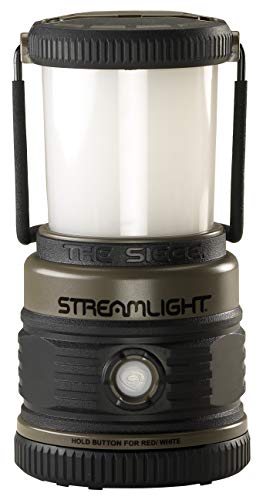
Streamlight 44931 Siege Compact Lantern (Coyote)
Consciot CL1 Mini Dual Light Sources LED Lantern

Yonktoo Rechargeable Camping Lantern, 6400mAh

Lepro 1000LM Battery Powered LED Camping Lantern
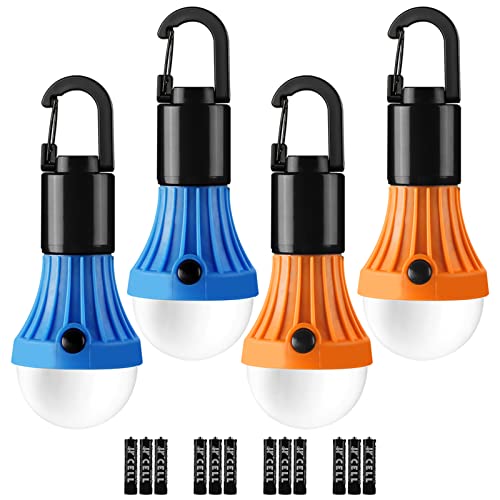
Lepro LED Camping Lantern, 3 Modes, 4-Pack
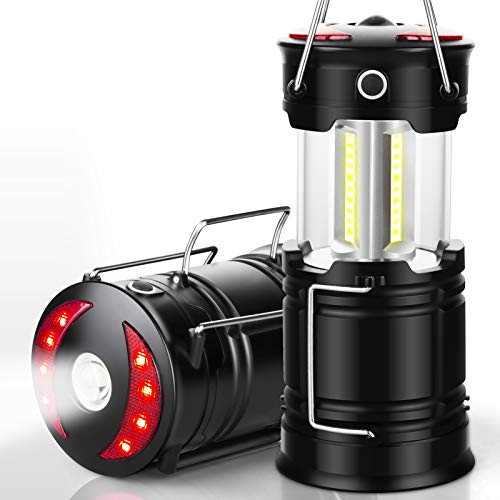
EZORKAS 2-Pack Camping Lanterns
FLY2SKY Rechargeable 2000mAh Camping Light

Lepro Collapsible LED Camping Lantern, IPX4
What To Look For Before Buying Tent Lights
Battery type decides the rest. Rechargeable lithium packs are great for repeated weekend trips and power outages, but they need a power source. AAA or D-cell lanterns (standard cylindrical batteries) keep working with a fresh pack of alkalines from the truck stop, which matters when you’re deep in the woods for days.
Lumens tell you how bright a light is, but runtime matters just as much. A 1000-lumen setting that drains in two hours forces you back to the off position before bedtime. Look for lanterns with multiple modes so you can dim them for reading and crank them up for cooking.
Weight and footprint matter more than spec sheets suggest. A lantern that fits in your palm slips into a side pocket of a backpack; a chunky one hogs main compartment space. Clip hooks and magnetic bases are surprisingly useful inside tents where flat surfaces are scarce.
Water resistance matters even for fair-weather campers. Morning dew, spilled drinks, and surprise rain all reach the tent floor. IPX4 (resistant to splashed water from any direction) handles the basics, while IPX5 (resistant to low-pressure water jets) survives real downpours.
The Strengths Of Each Pick
This is the kind of tent light you toss in a kid’s backpack without thinking twice. The FLY2SKY Portable LED Gear Camping Light measures roughly 5.7 by 2.1 inches, slips into a jacket pocket, and runs on three AAA batteries, the kind you can find at any gas station. A clip hook on top lets it hang from a tent ridge, a backpack loop, or a low branch, so you get hands-free light without needing a flat table to set it on.
For first-time campers or anyone buying a backup light, the value here is hard to argue with. It pumps out around 150 lumens (a unit measuring how much visible light a source emits) on its top setting, which is more than enough for a small two-person tent. Compared to the pricier Streamlight Siege reviewed next, it sacrifices raw brightness, but it also weighs almost nothing and costs a fraction of the price.
What It Does Well
- Palm-size body weighs next to nothing, so it slips into kid packs or backup pouches without complaint.
- Clip hook design frees up your hands for cooking, sorting gear, or reading maps.
- AAA battery power means you can refresh spares at any convenience store.
- Runs roughly 10 to 15 hours on high, covering a full overnight without a swap.
Worth Noting
- 150 lumens works for solo tents but feels thin in larger family shelters or group setups.
- Plastic housing is fine for gentle use but not designed for hard drops on rock.
- Batteries are not included, so budget a few dollars extra for a starter pack.
Right Fit For
Solo backpackers on a tight budget, parents teaching kids the basics, or anyone who needs a small throw-in backup light.
Look Elsewhere When
You camp with three or more people and want a single lantern to flood the whole tent; the Streamlight 44931 Siege Compact Lantern handles that scale better.
The Streamlight 44931 Siege is the lantern you grab when one cheap plastic light isn’t going to cut it. The Coyote colorway blends with desert and woodland sites, and the rubberized base takes real abuse on rocky picnic tables. It’s noticeably heavier than the FLY2SKY pick above, but you can feel the difference the moment you pick it up.
Output tops out near 540 lumens, which floods a four-person tent or even a picnic shelter with usable light. Multiple modes (high, medium, low white, plus a red LED with steady and SOS flash) make this a true dual-purpose pick. The red setting preserves night vision (your eyes’ ability to see in low light without being blinded by bright white) when you step out for a midnight bathroom break, and the SOS strobe earns its place in hurricane and emergency kits.
Strong Points
- 540-lumen ceiling handles big tents and group cooking sessions without straining.
- Red mode preserves night vision and doubles as an emergency signal.
- Rubber base and rugged build shrug off drops better than entry-level plastic lanterns.
- Multiple brightness tiers let you stretch runtime on overnight trips.
Trade Offs
- Heavier and bulkier than compact picks like the FLY2SKY, so it hogs pack space.
- Price sits well above basic budget lanterns.
- Owners commonly report the rubber base collecting dust and grit, which needs an occasional wipe-down.
Key Product Details
Made For
Car campers, prep-focused households, and anyone who wants one durable lantern that handles both base camp and blackouts.
Consider Something Else When
You need a featherweight pack light to drop in a backpack pocket; the FLY2SKY Rechargeable 2000mAh model reviewed later in this list weighs almost nothing.
The Consciot CL1 leans into the warm, vintage lantern look instead of going full tactical. The retro exterior sets a different mood than the hard-plastic Streamlight and is a nice fit for anyone who camps with a touch of style. It runs cool-to-warm LEDs (light-emitting diodes that produce bright, efficient light with minimal heat) and includes a top flashlight beam alongside the main globe, so it covers two jobs in one body.
Inside a tent, the soft glow feels like a real campfire lamp without the fire risk, which is exactly the vibe you want for a slow evening of cards or maps. Step outside to find a trail marker or root through a pack, and the top beam handles that without grabbing a second flashlight.
A Favorable Mix
- Retro styling earns compliments around the picnic table, a rare trait in this category.
- Dual light sources (main glow plus top beam) cover ambiance and spot tasks in one unit.
- Compact size slips into a side pocket or day bag.
Honest Caveats
- Not the brightest in the roundup, so large family tents may feel underlit.
- Decorative exterior prioritizes looks over rugged impact resistance.
Who Should Grab It
Couples and small families who want warm tent ambiance over raw brightness, plus a top flashlight for quick grab-and-go tasks.
Skip It When
You run a group campout and need floodlight-level output; the Lepro 1000LM Battery Powered LED Camping Lantern covers that need more comfortably.
The Yonktoo is the lantern to grab when you want one tool that does triple duty: campsite light, emergency lantern, and phone charger. The 6400mAh (milliamp-hour, a measure of how much charge a battery can hold) pack delivers long runtime claims up to 300 hours on the lowest mode, which covers a full weekend without a wall outlet in sight. IPX5 water resistance (protection against sustained low-pressure water spray) shrugs off rain and spilled drinks with no drama.
Compared to the battery-only picks earlier in this list, the rechargeability means fewer battery-store runs and less waste. The USB output also charges a phone in a pinch, which is genuinely useful when you’re using GPS maps all day and your phone hits single digits by dinner.
Advantages To Know
- Rechargeable battery removes the recurring cost and hassle of alkaline swaps.
- USB output tops off a phone or GPS unit during multi-day trips.
- IPX5 rating handles rain, condensation, and the occasional puddle drop.
- Five light modes including red for night vision and SOS for emergencies.
Potential Drawbacks
- Heavier than simple battery lanterns, depending on your tolerance for pack weight.
- Needs a USB power source to recharge, so remote weeks need a power bank (a portable charger for topping up devices on the go) or solar panel on hand.
Feature Snapshot
Best Suited To
Multi-day campers, van-lifers, and households that want a single lantern ready for both weekend trips and storm-related blackouts.
A Better Fit Elsewhere
You want the cheapest possible light for a one-night car-camping trip; the Lepro 4-Pack reviewed later delivers that without the rechargeable premium.
The Lepro 1000LM is the brightest entry in this roundup, and that ceiling makes it a natural fit for group campsites. Four light modes (daylight white, warm white, full brightness, and flashing) cover cooking, reading, and signaling without swapping lanterns. A long press dims the output smoothly, which is a small detail that makes a real difference at midnight.
It runs on three D-cell batteries, the larger cylindrical size that delivers far more capacity than AA. That trade-off cuts both ways: you get serious runtime but you also carry heavier spares. Compared to the Streamlight pick above, the Lepro pushes more raw lumens but lacks the red night-vision mode.
Everyday Wins
- 1000-lumen max output floods group tents and picnic shelters without strain.
- Smooth dimming via long-press adjusts brightness without cycling through modes.
- D-cell power stretches runtime well beyond AA-based lanterns.
- Flashing mode covers emergency signaling needs.
Where It May Fall Short
- D-cell batteries are heavier than AA or rechargeable lithium packs.
- No dedicated red mode for preserving night vision.
- Batteries not included, so factor that into your budget.
Who It Suits Best
Group campers and car-camping families who want the brightest tent light in the kit and don’t mind the extra battery weight.
Where Another Pick Suits Better
You camp solo or as a pair and want a lighter rechargeable option; the Yonktoo Rechargeable Camping Lantern reviewed above trades some peak output for USB recharging.
For stocking emergency kits, glove boxes, and grab-and-go bags, a 4-pack solves a problem most single lanterns can’t. Each Lepro runs on included batteries, weighs around 55 grams, and measures smaller than a standard A19 light bulb, so it disappears into drawers and totes without complaint.
Three modes (cool white, soft white, and high-output) cover the basics without overwhelming anyone who just wants a light during a power outage. Spread them across the house, the camper, and the car, and you’ve covered most realistic outage scenarios. The honest read is that none of these single units matches the Streamlight on output, but together they form a versatile network of backup lights.
The Value In It
- Four units in one purchase covers multiple rooms, vehicles, and kits.
- Batteries included, so they’re ready to use straight out of the box.
- Sub-60-gram weight slips into pockets, drawers, and glove boxes without complaint.
- Three-mode switch covers most household and camping tasks.
A Few Limitations
- Single-unit brightness trails the single-lantern picks in this list.
- Plastic shell prioritizes low cost over heavy-duty drop resistance.
Perfect Match For
Households stocking blackout kits, scout troops, and anyone who wants a small light in every car and drawer without buying them one at a time.
Swap It Out When
You want one serious lantern that does everything rather than four compact units; the Streamlight 44931 Siege Compact Lantern covers a single household’s main needs with more power per unit.
The EZORKAS 2-Pack leans into the collapsible COB (chip-on-board, a tightly packed LED arrangement that produces wide, even light) design that’s been a campground favorite for years. You pull the body up to turn it on, push it down to collapse and stow, and the whole thing flattens into a disk that fits anywhere. The latest COB configuration throws wide 360-degree light, which is the camp-utility sweet spot for cooking, cards, and reading.
For family trips, two lanterns cover the cook tent and the sleep tent without sharing one light. Four lighting modes on each unit add versatility, though the brightness ceiling doesn’t compete with the Streamlight or Lepro 1000LM on raw output.
Real Benefits
- Collapsible form factor shrinks to backpack-friendly size when stored.
- Two-pack covers a couple’s tent or a parent-and-kid setup with dedicated lights.
- 360-degree COB output fills a tent evenly without hot spots.
- Rechargeable and battery-compatible dual power source adds flexibility.
Practical Considerations
- Brightness ceiling falls below the dedicated high-output lanterns in this roundup.
- Plastic construction feels lighter than premium picks, which you may or may not prefer.
The Right Fit
Couples and small families running a car-camping weekend who want two capable, compact lanterns without overthinking it.
Another Choice May Suit
You want the highest possible output in a single lantern; the Lepro 1000LM Battery Powered LED Camping Lantern concentrates brightness into one unit instead.
The FLY2SKY Rechargeable is the upgrade over the original FLY2SKY reviewed first, swapping AAA batteries for a built-in 2000mAh lithium pack. The body measures roughly 2.8 by 2.8 by 2.6 inches and weighs about 0.35 pounds, so it slips into a backpack side pocket, a glove box, or a kitchen drawer without reshaping how you pack.
USB recharging means you top it off from any phone charger or power bank, which removes the gas-station-battery run entirely. Compared to the Yonktoo above, it sacrifices battery capacity for a much smaller footprint, so it’s a different tool aimed at different storage constraints.
Practical Advantages
- Cubic-inch footprint fits anywhere a deck of cards would.
- USB recharging from any phone charger or battery pack.
- Light enough at 0.35 pounds to live permanently in a backpack or car kit.
- Versatile enough for tents, tent showers, or quick garage tasks.
Small Caveats
- 2000mAh capacity trails larger rechargeable lanterns on raw runtime.
- Not designed as a primary group-tent light, so solo or pairs get the most from it.
Who Will Love This
Backpackers, daily commuters with emergency kits, and anyone who wants a rechargeable light that doesn’t dominate pack space.
Reach For A Different Pick When
You’re outfitting a family tent and want long multi-day runtime; the Yonktoo Rechargeable Camping Lantern has a much larger battery for that job.
The Lepro Collapsible rounds out the list with storm-season credibility. IPX4 water resistance (protection against splashed water from any direction) covers morning dew, spilled drinks, and steady rain, which matters more than spec hunters realize once you’ve watched a cheaper lantern die from a tipped water bottle. The collapsible body flattens for storage and pops up to throw 360-degree light around a room.
Around 190 lumens lands it in the midrange, well below the Lepro 1000LM but more than enough for a family room during a multi-day outage. Compared to the Streamlight, you trade ruggedness and output for a friendlier price and a more packable shape.
Features That Help
- IPX4 water resistance handles humid nights and storm-season conditions.
- Collapsible form factor flattens for kitchen drawers and closet shelves.
- 190-lumen output fills a family room during outages without straining.
- Budget-friendly compared to premium tactical lanterns.
Things To Consider
- Brightness sits well below the high-output Lepro 1000LM in this same line.
- Plastic construction tolerates drops but doesn’t invite them.
Built With In Mind
Households in storm-prone regions, hurricane-prep families, and campers who want one reliable backup lantern for the closet.
Not Your Match When
You want the brightest possible single lantern for group campsites; the Lepro 1000LM Battery Powered LED Camping Lantern pushes far more light per unit.
Smart Choices For Different Campers
Common Buying Slip Ups
The biggest mistake is chasing lumen numbers without checking mode count. A 1000-lumen lantern with one mode is blinding at midnight but useless for reading. Look for lanterns with at least three modes so you can dim them when the family is winding down.
Another trap is ignoring battery type until you’re three days in. Alkaline lanterns (powered by standard non-rechargeable batteries) need a fresh pack at the trailhead; rechargeable lanterns need a power source. Pick the one that matches how you actually camp, not the one that looks cleaner on a shelf.
Why Higher Tier Models Cost More
Premium lanterns like the Streamlight Siege or Yonktoo Rechargeable earn their higher cost through better build materials, longer runtimes, and added features like red night-vision modes and USB power outputs. The extra money buys durability and versatility that basic plastic lanterns can’t match.
Whether the upgrade is worth it depends on use frequency. Weekend warriors who camp a few times a year usually get by with mid-tier picks. Frequent travelers and prep households benefit from the longer-term durability and emergency-ready features.
Frequently Asked Questions
How many lumens do you really need in a tent?
For a solo or two-person tent, 100 to 200 lumens fills the space comfortably. Larger family tents or group shelters benefit from 500+ lumens, but dimmable modes matter more than peak output since you’ll rarely run at full power overnight.
Are rechargeable lanterns better than battery-powered ones?
Rechargeables save money on long trips and avoid the dead-battery scramble, but they need a USB power source to top off. Battery-powered lanterns keep working indefinitely as long as you carry spare AAs or Ds, which matters in remote settings without outlets.
Can tent lights get rained on?
It depends on the water rating. IPX4 handles splashes and light rain, while IPX5 survives more sustained water exposure. Non-rated lanterns should stay dry, so store them inside the tent body or under a vestibule (the covered entry area of a tent) during storms.
How long do camping lanterns usually last per charge?
Runtime varies hugely by mode. High settings may last 5 to 12 hours, while the lowest mode on rechargeable lanterns can stretch past 100 hours. Battery lanterns on D-cells tend to outlast smaller cells at moderate brightness.
Are collapsible lanterns reliable?
Most collapsible lanterns use a simple telescoping body with a switch, and they’re generally reliable with normal care. Avoid pulling or yanking the top to extend it, since rough handling is the most common cause of switch failure over time.
Wrap Up
The right tent light depends on the way you camp. Backpackers and families with kids often do best with compact, lightweight picks like the FLY2SKY models, while car campers and prep households benefit from the heavier-duty options like the Streamlight or Yonktoo. Think about battery type, water rating, and brightness modes before you commit, and you’ll end up with a lantern that earns its spot in your pack for years.