
A good camping lamp pulls double duty: it lights the inside of your tent without blinding you at 2 a.m., and it spreads enough glow around a picnic table to keep the conversation going after sunset. The trouble is that “lantern” now covers everything from a retro desktop mood light to a high-output rechargeable powerhouse. The picks below run that whole range, from hands-free headlamps and packable tent lights to hurricane-ready emergency rigs, so you can match a lamp to how you actually camp, not just to the way it looks in a thumbnail.
The Essentials At A Glance
Consciot CL1 Mini Dual Light LED Lantern

Yonktoo Camping Lantern Rechargeable 6400mAh

Energizer PRO-260 LED Headlamp

Energizer PRO-400 Rechargeable Headlamp 2-Pack
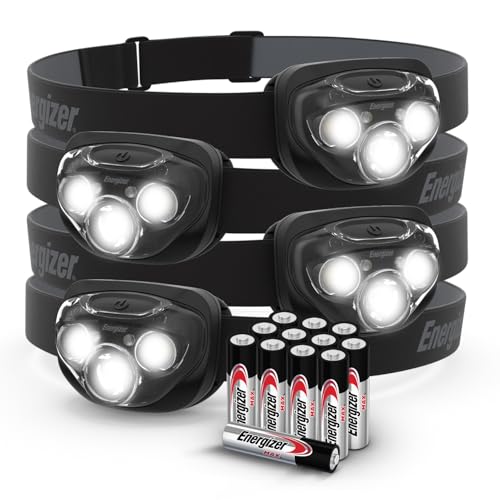
Energizer LED Headlamp PRO 4-Pack

Lepro 1000LM LED Camping Lantern
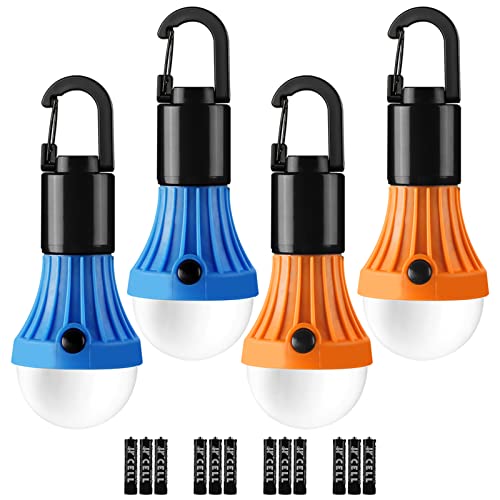
Lepro LED Camping Lantern 4-Pack
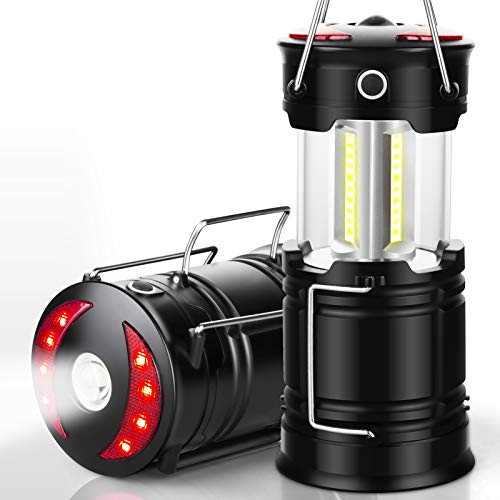
EZORKAS 2 Pack Collapsible Camping Lanterns

RadiantFlux Solar Rechargeable Camping Lantern

Lepro Collapsible LED Camping Lantern
What Each Pick Brings To The Table
The Consciot CL1 leans into vintage table-lamp styling rather than the tactical look most modern lanterns wear, which makes it a natural fit for a picnic table, a kid’s fort, or an indoor power-outage scene where you don’t want a piece of gear screaming “I am a flashlight.” Two light sources are built in: a front LED panel for directional reading light and a top SMD LED for area fill. Stepless dimming on either source lets you dial in the exact brightness you want, which is genuinely useful after sunset when full output is too much for a four-person tent.
Battery power keeps the unit cordless and packable. The form factor is small enough to live on a camp-stove shelf at home between trips, and the carry handle doubles as a hanging loop. If your camping style skews toward car camping and cozy evenings rather than long backcountry miles, the CL1 is built for that vibe.
Reasons It Performs
- Dual-light setup covers reading and ambient needs without swapping lanterns.
- Stepless dimming lets you tune brightness to a late-night conversation.
- Vintage casing looks at home on a picnic table, not just on a tarp.
- Compact enough to pack in a tote with the rest of your camp kitchen kit.
Things To Consider
- Battery-powered operation means spare cells belong in your kit for longer trips.
- The retro housing shows scuffs faster than a rubberized tactical body, so handle with a wipe-down now and then.
Who It Suits Best
Car campers, families with kids, and anyone who wants lantern light that doubles as patio ambiance.
A Better Fit Elsewhere
Backpackers counting grams should look at the Lepro LED Camping Lantern 4-Pack, which trades the CL1’s vintage body for a lighter, more packable form.
The Yonktoo lantern is the kind of unit you grab when a regular battery lantern would run out before the trip ends. A 6400mAh rechargeable cell drives the LEDs for an extended stretch on lower settings, and the built-in USB output lets the same battery top off a phone in a pinch. IPX5 waterproofing means rainstorms and splashes around the wash basin won’t kill it, which is a step up from splash-resistant IPX4 units like the Consciot CL1.
Five lighting modes cover the bases: cool white for task work, warm white for atmosphere, a natural middle tone, a red light that’s easy on night vision, and an SOS flash for emergencies. For a week-long off-grid cabin stay or a hurricane kit, that combination reads as designed rather than improvised.
Good Reasons To Consider
- Large 6400mAh battery doubles as a phone power bank on longer trips.
- IPX5 rating handles sustained rain better than basic splash-proof lanterns.
- Red light mode preserves night vision when you’re checking maps after dark.
- SOS flash is a quiet safety net for remote travel.
Worth Noting
- Rechargeable-only design means you need a power source or car adapter to top off between nights.
- It’s heavier than compact collapsible lanterns, so backpackers may leave it at base camp.
Right Fit For
Overlanders, base-camp hosts, and anyone building a serious emergency kit who values runtime over pack weight.
Reach For A Different Pick When
Solo backpackers chasing low ounces will get more from the EZORKAS 2 Pack Collapsible Camping Lanterns, which compress down to almost nothing in a pack.
Not every campsite task calls for a hanging lantern. Pitching a tent at midnight, filtering water at the bear bag, or reading a trail map with both hands occupied are exactly the jobs a headlamp was made for. The Energizer PRO-260 keeps the format simple: a 260-lumen main beam, multiple modes, and IPX4 water resistance for rain and splashes. The PRO-400 Rechargeable Headlamp 2-Pack later in this list offers USB charging, but the PRO-260 trades that feature for a lower entry cost and a battery format you can resupply anywhere.
The PRO-260 ships with the cells you need to get started, so there’s no midnight scramble for AAA batteries the first night out. A red mode preserves dark-adapted vision for stargazing or quiet tent conversations, and the housing sits light enough on the forehead for hours of wear.
Useful Strengths
- 260-lumen output covers most trail and camp chores without overwhelming close work.
- Multiple modes, including a red night-vision setting, reduce the need to swap lamps.
- Batteries are included, so you can use it the moment it arrives.
- IPX4 rating handles rain and accidental drops into wet grass.
Trade Offs
- AAA-powered, so long trips require spare cells or a rechargeable adapter setup.
Made For
Hikers, early-morning runners, and campers who need hands-free light without managing a rechargeable battery.
Look Elsewhere When
Campers who prefer USB-C recharging should consider the Energizer PRO-400 Rechargeable Headlamp 2-Pack for the same form factor with a built-in cell.
The PRO-400 takes the headlamp concept and adds USB-rechargeable convenience plus a second unit in the box, which makes it a strong match for two-person trips or couples who want their own beam. Compared with the AAA-powered PRO-260 covered earlier, the PRO-400 eliminates battery resupply as a worry and tops off from a car charger or power bank between uses. IPX4 water resistance still covers typical rain and splash conditions.
Multiple light modes let you dial back from full output to a softer close-range beam when you’re sorting gear at the tent. The included USB cable handles charging, so you don’t need to chase down a special cord the first time you plug in.
The Upside
- Built-in rechargeable cell saves you from stocking AAA spares.
- Two-pack format suits pairs or families sharing one shipment.
- Multiple modes handle distance and close-up tasks without swapping lamps.
- USB cable is included, so charging works right out of the box.
Points To Keep In Mind
- You’ll need a USB power source, like a car adapter or battery pack, to recharge away from outlets.
- Two units mean a higher upfront cost than single-lamp options.
Best Suited To
Duo campers, road-trippers, and anyone who already travels with a USB power bank for other gear.
Swap It Out When
Families needing four hands-free lights at once will get more mileage from the Energizer LED Headlamp PRO 4-Pack.
Four headlamps in one box flips the math from per-person gear to a household reserve. You can stash one in each family member’s pack, drop one in the car, and still have a spare for the dog-walking drawer at home. The 4-Pack runs on standard batteries, so anyone can grab one and figure it out without pairing or charging routines.
The IPX4 water resistance handles the same rain and splash conditions as the single-unit PRO-260 covered earlier, and the beam profile is set up for both trail distances and close camp tasks. It’s a low-fuss option for families who don’t want to keep track of which kid forgot to charge their lamp.
What Earns Its Place
- Four units let you distribute lights across packs, glove boxes, and emergency kits.
- Battery-powered operation means replacements are easy to find anywhere.
- IPX4 rating matches the conditions most family campers actually face.
Honest Caveats
- Each lamp runs on its own batteries, so a 4-Pack multiplies your cell-stocking needs.
- No rechargeable option, which adds long-term cell cost versus the PRO-400 2-Pack.
Who Will Love This
Families, scout troops, and households that want a headlamp in every drawer without fussing over chargers.
Where A Sibling Pick Shines
Campers who prefer USB recharging should look at the Energizer PRO-400 Rechargeable Headlamp 2-Pack for a more streamlined charging routine.
The Lepro 1000LM is the lantern you reach for when the group is cooking dinner and nobody wants to hunt with a flashlight. A long-press dimmer ramps the output up to 1000 lumens, which is enough to wash a picnic table, a tent interior, or a backyard power-outage scene with usable light. Four lighting modes (daylight white, warm white, full brightness, and flashing) handle most of what a family campsite needs without pulling out a second light.
Three D-cell alkaline batteries power the unit, and the runtime at full brightness is roughly 12 hours, which stretches across multiple evenings at moderate output. The trade-off is battery size: D-cells add weight compared with AA lanterns like the Lepro 4-Pack reviewed later, but they also keep you from recharging mid-trip when outlets are scarce.
Noteworthy Benefits
- 1000-lumen ceiling covers group cooking and tent illumination without an extra lamp.
- Smooth dimming tailors brightness to the moment, from reading to full-area fill.
- D-cell power keeps the lantern running through multi-day trips without recharging.
- Four modes include a flashing option for roadside or emergency signaling.
Room For Improvement
- D-cells make the lantern heavier than AA-powered options.
- No rechargeable cell, so it relies on alkaline spares for extended use.
Whose Shelf It Belongs On
Group cooks, base-camp hosts, and anyone who wants one bright lantern instead of several smaller ones.
Skip It When
Backpackers counting ounces will appreciate the lighter Lepro LED Camping Lantern 4-Pack, which trades top-end brightness for a smaller pack footprint.
Four small lanterns in a single box give you a light for every corner of camp, from the kids’ tent to the kitchen table to the portable toilet at 3 a.m. Each Lepro unit weighs roughly 55 grams with batteries, smaller than a standard A19 bulb, so they slip into a side pocket instead of hogging pack space. The trade-off versus the 1000-lumen Lepro reviewed above is real output: this set is more about spreading ambient glow than throwing a single bright beam.
Three lighting modes cover daylight white, soft white, and a higher-output cool-white setting for task work. Batteries ship in the box, which removes a friction point on the first trip. For car campers who want a light in every room of the campsite, this 4-Pack is hard to beat on a per-unit basis.
Features That Help
- Four units spread across tents, picnic tables, and emergency kits.
- Compact form fits in backpacks and even larger glove boxes.
- Batteries included, so the lights work on day one.
- Three light tones adapt to mood and task without swapping fixtures.
Some Limits To Know
- Lower lumen output means these won’t replace a single high-output lantern for group cooking.
- Battery-powered operation requires planning for spares on longer trips.
Built With In Mind
Car campers, families with multiple tents, and households building an emergency light stash on a budget.
A Better Fit Elsewhere
Solo campers who want one bright lantern should consider the Lepro 1000LM, which trades the 4-Pack’s spread for higher per-unit output.
The EZORKAS lantern collapses down flat and pops back up to a rigid COB LED panel, which is the form factor backpackers tend to appreciate. Two units in the box let you keep one in the tent and one at the cook area without splitting one lamp between spots. Compared with the heavier Lepro 1000LM reviewed earlier, these trade absolute brightness for a much smaller packed size.
COB LEDs (chip-on-board LEDs, where many small diodes share one panel) spread light at a wide angle rather than throwing a narrow beam, which works well for tent interiors and small picnic setups. Four lighting modes give you flexibility without a learning curve.
The Case For It
- Collapsible body shrinks down for backpacks and duffel bags.
- Two-pack format splits light between tent and cooking area.
- Wide-angle COB output fills small spaces evenly.
- Four modes cover typical camp scenarios.
A Few Limitations
- COB panels aren’t built to throw long-distance beams down a trail.
- The collapsible joint shows wear faster than a fixed housing if you toss it loose in a pack.
The Right Fit
Backpackers, minimalist packers, and campers who value compact stowage over peak lumen output.
Consider Something Else When
Campers running a base-camp kitchen will get more usable light from the Lepro 1000LM, which is brighter but bulkier.
The RadiantFlux is the lantern that earns its place in a hurricane kit. A 6600mAh rechargeable cell drives up to 4000 lumens of output, and a built-in USB output port lets the same battery top off a phone when the grid is down. Solar input adds a backup charging path, which matters in multi-day outages where wall power isn’t an option. The Type-C input port speeds up wall recharges when you do have them.
IP65 waterproofing means dust-tight and resistant to low-pressure water jets, which is a meaningful step up from the IPX4-rated headlamps and lanterns earlier in this list. Three lighting modes simplify operation in a stressful moment, and the included USB cable lets you start using it without hunting for accessories.
Why It Works Well
- High-capacity cell doubles as a power bank for phones and small electronics.
- Solar backup extends runtime when wall power is unavailable.
- IP65 sealing handles heavy rain and dusty storage conditions.
- Type-C input reduces charging time when you do have access to a wall outlet.
Points To Note
- Solar charging is slow in low light, so wall or power-bank top-ups are still the reliable path.
- Higher capacity makes this lantern heavier than compact tent lights, which matters for backpackers.
Who Should Grab It
Households prepping for storms, long-stay base campers, and anyone building a multi-day emergency kit.
Not Your Match When
Lightweight backpackers will prefer the EZORKAS 2 Pack Collapsible Camping Lanterns, which pack down smaller for trail carry.
The Lepro collapsible lantern sits in the practical middle of this list: 190 lumens spread over a full tent or campsite, with the IPX4 rating that covers typical rain and splash conditions. The telescoping body collapses down for storage and pulls up to a rigid lantern shape when you need light, which makes it a low-fuss option for family camping trips. Battery power keeps it cordless, and the compact form factor stows in a drawer at home between trips.
Compared with the brighter Lepro 1000LM covered earlier, this model trades top-end output for portability and a friendlier price. The 360-degree illumination pattern lights up the inside of a tent evenly rather than throwing a single beam, which is what most family campers actually want.
Practical Pluses
- Collapsible design stows flat for transport and expands when you need light.
- 360-degree illumination pattern fills tent interiors evenly.
- IPX4 rating covers typical rain and splash conditions.
- Compact body works for indoor emergency use between trips.
Less Ideal Details
- Battery-powered, so you’ll want spares for longer trips without outlets.
Perfect Match For
Family campers and households that want one versatile lantern for tent, picnic table, and indoor outage use.
Where Another Pick Suits Better
Storm-prep households needing power-bank functionality should look at the RadiantFlux Solar Rechargeable Camping Lantern for built-in charging capability.
What Matters Most Before Choosing Camping Lamps
Power Source And Runtime
A lantern’s power source drives almost every other tradeoff. Battery-only lanterns like the Lepro 1000LM are simple and reliable but require a steady supply of spares, which adds bulk over time. Rechargeable lanterns like the Yonktoo or RadiantFlux cut that dependency at the cost of needing a wall outlet, car charger, or solar input to top off between nights. For most campers, mixing both types covers real-world use: a rechargeable primary lantern for the tent and a battery backup tucked in the emergency kit.
Brightness, Modes, And Beam Pattern
Lumen counts above 1000 sound impressive but are often overkill for a small tent interior where full output washes out your night vision. Lower-output units in the 100 to 300 lumen range tend to feel more comfortable up close, especially with warm-white or red modes that preserve dark adaptation. Wide-angle 360-degree patterns suit tents and picnic tables; narrower beams suit task work like cooking or filtering water.
Portability And Form Factor
The smallest collapsible lanterns shrink to almost nothing in a pack but trade rigidity and brightness for that size. Larger lanterns throw more light but eat up cargo space and add weight. For backpacking, a collapsible COB model like the EZORKAS fits the bill. For car camping or base camps, a heavier high-output lantern pays for itself in usable light.
Weather Resistance And Durability
IP ratings tell you what a lantern can survive: IPX4 handles splashes and rain, IPX5 handles sustained water spray, and IP65 keeps out dust and low-pressure jets. For occasional fair-weather camping, IPX4 is fine. For coastal trips, rainy shoulder seasons, or emergency kits, stepping up to IPX5 or IP65 reduces the chance of a dead lantern when you need it most.
Key Considerations Across These Picks
Where Shoppers Go Wrong
A common trap is buying one bright lantern and expecting it to cover every camp task. In practice, you usually want at least two lights: a hands-free headlamp for trail and tent chores, and an area lantern for cooking and gathering. Another mistake is ignoring power sources. A rechargeable-only lantern is great until you reach day four with no outlet, at which point a battery backup earns its weight. Finally, skipping water resistance is a regret waiting to happen. Rain always shows up at camp eventually, and an IPX4 rating is the bare minimum worth accepting.
What Separates Premium From Basic
Higher-tier lanterns in this category earn their cost through larger batteries, USB-C charging, power-bank outputs, and tougher IP ratings. The RadiantFlux, for example, costs more than basic collapsible lanterns but also charges your phone, accepts solar input, and shrugs off heavy rain. The honest read is that the upgrade pays off most in two cases: long off-grid trips where power matters, and emergency kits where reliability matters more than peak brightness. For occasional weekend camping in mild weather, a value pick like the Lepro 4-Pack is plenty.
Frequently Asked Questions
How Many Lumens Do You Really Need In A Camping Lantern?
For tent and table use, 100 to 300 lumens is plenty, especially with warm-white or red modes that preserve night vision. For group cooking or larger areas, 500 to 1000 lumens is more comfortable. The Lepro 1000LM handles the latter, while the Lepro Collapsible LED Camping Lantern handles the former without overwhelming small spaces.
Are Rechargeable Or Battery Camping Lanterns Better?
Rechargeable lanterns save money over time and often add power-bank features, but they need a wall outlet, car charger, or solar panel to recharge. Battery lanterns are simpler and work anywhere, which makes them useful as backups or for emergency kits. The honest read is that combining both types covers real-world camping better than committing to one.
What Does An IP Rating Mean For A Camping Lantern?
The IP (Ingress Protection) rating describes how well a lantern resists dust and water. IPX4 handles splashes and rain from any direction, which is the common standard for outdoor gear. IPX5 handles stronger water jets, and IP65 adds dust-tight sealing for harsher conditions. For most family camping, IPX4 is the practical minimum worth accepting.
Can A Camping Lantern Charge A Phone?
Some rechargeable lanterns include a USB output port that lets the lantern’s internal battery charge a phone or other small device. The Yonktoo Camping Lantern and the RadiantFlux Solar Rechargeable Camping Lantern both offer this capability, which is a meaningful advantage during power outages or multi-day trips away from outlets.
How Do You Store A Camping Lantern Between Trips?
The simplest routine is to remove the batteries before storage to prevent corrosion, give the housing a quick wipe-down, and stash the lantern in a dry drawer or bin. For rechargeable units, a partial top-off every few months keeps the cell healthy. Collapsible lanterns like the EZORKAS store flat, which is a quiet bonus for small spaces.
Wrap Up
A camping lamp is one of those pieces of gear you stop noticing the moment you own a good one. Pick a power source that fits your trips, a brightness level that matches your typical campsite, and a weather rating that survives the climate you actually camp in, and the rest is just personal style. Run through the picks above against your own routine, and one of them will click into place.