
Camping trips live or die by how well you keep the bugs at bay, and a single swarm of mosquitoes can turn a quiet evening by the tent into a frantic swat session. Whether you’re pitching a tent deep in the backcountry, cooking dinner at a crowded campground, or just trying to keep ticks off your dog on a day hike, the right repellent shapes the whole experience. The seven items below cover personal sprays, area repellents, and a water filter that quietly matters once you’re out there for more than a day.
An Overview Of The Picks

OFF! Deep Woods Sportsmen Insect Repellent Aerosol 30% DEET 6 Oz
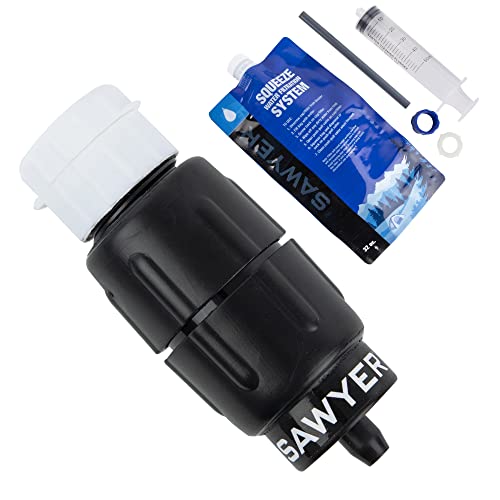
Sawyer Products SP2129 Micro Squeeze Water Filtration System

Sawyer Products SP714 Premium Maxi DEET 100% Pump Spray 4-Ounce

Sawyer Products SP576 20% Picaridin Continuous Spray 6-Ounce

SEEKDIT 20 Pack Mosquito Repellent Coils Natural Citronella

Virine Mosquito Repeller 2 Pack Portable with 4 Refills USB-C

SEEKDIT 80 Count Mosquito Defense Wipes Individually Wrapped Citronella
For most casual campers, OFF! Deep Woods Sportsmen is the can that ends up tossed into the cooler before every trip. The aerosol delivers a 30% DEET concentration, which is the middle ground most outdoor enthusiasts land on: stronger than a 7% family spray, gentler on skin than the 100% stuff later in this list. Four 6-ounce cans in one pack means you can leave one in the car, one in the tent vestibule, and still have spares for friends who forgot theirs.
The formula has been around long enough that you know exactly what to expect from application. It’s a quick-drying aerosol that doesn’t leave a heavy residue on forearms or sock cuffs. Compared with the picaridin-based pick from Sawyer coming up, this one has a stronger scent, but it carries well into evening hours when mosquitoes really get going.
Real Benefits
- 30% DEET concentration handles mosquitoes, biting flies, gnats, and sand flies on a single application.
- Four-can pack covers a family or small group for a long weekend without anyone rationing.
- Aerosol format sprays upside down briefly, which helps when you’re hitting ankles and the back of your neck.
- Familiar formula at a price most casual campers can justify year after year.
Things To Consider
- The scent is more pronounced than picaridin options, which may bother people with sensitive noses.
- Aerosol cans can’t fly in checked luggage, so backpackers should look at the squeeze filter or wipes instead.
- DEET can damage certain synthetic fabrics and watch crystals, so keep it off technical jackets.
Who It Suits Best
Car campers, families at established campgrounds, and anyone packing a cooler rather than a backpack who wants proven, budget-friendly mosquito protection without thinking too hard about it.
Where Another Pick Suits Better
For backpackers counting every gram, the Sawyer Products SP2129 Micro Squeeze Water Filtration System belongs in your pack, and the SEEKDIT 80 Count Mosquito Defense Wipes handle your repellent needs at a fraction of the weight.
A water filter doesn’t sound like an insect repellent until you realize that on a multi-day trip, the same campsite where you’re filtering creek water is the one where mosquitoes are thickest at dawn and dusk. The Sawyer Products SP2129 Micro Squeeze is one of the lightest hollow-fiber filters you can buy, weighing roughly three ounces and small enough to clip to a shoulder strap. For backpackers, it pulls double duty: hydration and the peace of mind that lets you actually relax at camp.
You fill the included pouch at any stream or lake, screw the filter on, and squeeze clean water into your bottle. The 0.1-micron hollow-fiber membrane handles bacteria, protozoa, and microplastics, which covers the threats you’d run into on North American trails. Unlike the aerosol sprays above, this one stays useful across many seasons.
What Makes Sense
- Tiny footprint means it lives in a side pocket of your pack without crowding anything else out.
- Filter membrane can be backflushed with a syringe in the field to restore flow rate when it slows.
- Versatile threading mates with standard 28mm bottles, hydration bladders, and inline gravity setups.
Points To Note
- Flow rate drops noticeably after the first hundred gallons if you skip backflushing, so set a reminder.
- Doesn’t remove viruses, so overseas travelers in regions with poor sanitation still need chemical treatment or boiling.
- Freezing damages the membrane, so winter campers should keep it inside a sleeping bag or insulated pocket.
Made For
Backpackers, section hikers, and emergency-prep households who want a single lightweight tool for safe drinking water on the move.
Look Elsewhere When
If your camping stays close to spigots and outhouses, the SEEKDIT 80 Count Mosquito Defense Wipes and the Virine Mosquito Repeller 2 Pack make a better kit by focusing solely on insect comfort.
When you head into places with relentless bug pressure, deep northern woods, salt marshes at dusk, or humid southern summer nights, half-strength repellents simply don’t cut it. The Sawyer Products SP714 Premium Maxi packs the maximum 100% DEET concentration allowed for consumer skin application in a controlled 4-ounce pump spray. The pump mechanism matters: you get a measured dose on hands or wrists instead of an aerosol mist that drifts into eyes.
The trade-off for that strength is that 100% DEET feels heavier on skin than the 30% option above and the picaridin alternative below. For most weekenders, it’s overkill. For hunters, fishermen, and out-of-state travelers heading into tick-heavy or mosquito-heavy terrain, it’s the right tool for a specific job.
The Value In It
- Maximum legal concentration for the toughest biting insect environments.
- Pump bottle dispenses a controlled dose, reducing accidental over-spray near the face.
- Works on skin, clothing, and mosquito netting, so you can treat a hammock bug net too.
Areas To Watch
- Overkill for casual campgrounds where 30% DEET or picaridin already does the job.
- Greasy feel compared with the SEEKDIT wipes or the lighter OFF! aerosol.
- Can degrade synthetic backpack fabrics, so apply it before dressing rather than after packing.
Built With In Mind
Hunters, anglers, military trainers, and anyone traveling into Alaska, the Adirondacks, or the Everglades during peak mosquito weeks.
A Better Fit Elsewhere
For most family campouts the Sawyer Products SP576 20% Picaridin Insect Repellent covers the same mosquito concerns without the heavy feel.
Key Specs
Picaridin is the DEET alternative that finally earned mainstream respect, and the Sawyer Products SP576 delivers it in a continuous-spray bottle that lays down an even mist without any aerosol propellant hitting your lungs. At 20% concentration, it covers mosquitoes, ticks, and biting flies for hours while leaving almost no scent on skin. Compared with the 100% DEET pick above, this one feels closer to a body spray than a chemical treatment.
The continuous-spray format is the sleeper feature here. You hold the button and a fine cone of mist keeps flowing, so covering a kid’s arms and legs takes seconds rather than careful pumping. For parents who used to dread the sticky spray dance, that’s a real ownership upgrade.
The Helpful Details
- Low-odor formula keeps kids from complaining about the smell five minutes later.
- Continuous spray covers large skin areas fast, which helps when wrangling a toddler before the hike.
- Won’t damage synthetic jackets, eyeglass coatings, or fishing line the way DEET sometimes can.
- Effective against ticks, which matters in regions where Lyme is a real concern.
Honest Caveats
- Reapply every few hours in heavy mosquito conditions, while 100% DEET lasts considerably longer.
Best Suited To
Families with kids, runners and hikers who hate the DEET smell, and anyone who treats expensive technical gear as a real concern.
Skip It When
For pure area defense around a picnic table or campfire, the SEEKDIT 20 Pack Mosquito Repellent Coils handle the same bugs without rubbing anything on skin at all.
Personal sprays cover your skin, but a car-camping evening around the picnic table benefits from area defense too. The SEEKDIT 20 Pack Mosquito Repellent Coils fill that gap with a plant-based citronella format that burns like a giant incense stick at the edges of your site. Twenty coils means roughly twenty evenings of slow smoldering protection, with one metal holder and two stands included so you can elevate them off the ground.
Each coil is rated for around seven hours of burn time, which covers a typical summer evening from dinner through bedtime. Set two or three around the perimeter and you create a soft scented buffer that helps keep mosquitoes from drifting in. They pair naturally with the OFF! aerosol from item one: spray your skin, smoke the perimeter.
Everyday Perks
- Plant-based citronella avoids DEET entirely for campers who prefer botanical options.
- Twenty-coil count covers a full camping season for most families before a repurchase.
- Included holder and stands keep the burning end off dry grass and pine needles.
- Slow burn means one coil handles the whole evening without babysitting.
Practical Considerations
- Citronella smoke loses effectiveness in windy conditions, so sheltered campsites work best.
- Doesn’t replace personal repellent when you’re hiking away from camp into thicker brush.
- Smoldering coils produce a small amount of smoke, which may bother campers with asthma.
Whose Shelf It Belongs On
Car campers with established fire rings, RV owners who want scent without spray, and families running a base camp with kids playing nearby.
Swap It Out When
For backpack-style trips where you can’t pack a metal coil holder, the SEEKDIT 80 Count Mosquito Defense Wipes give you single-use citronella without any smoke or fire.
If you’d rather not breathe citronella smoke or coat your skin in DEET, the Virine Mosquito Repeller takes a different approach. Each unit is a small fan-powered diffuser that pushes a repellent mist out of a refill pad, creating a claimed 30-foot zone of reduced mosquito activity around the device. The two-pack configuration means you can place one at the picnic table and another by the tent entrance, and the USB-C charging handles modern power banks without proprietary cables.
You get four refill pads in the box, and replacement cartridges are sold separately once those run out. A full charge runs around three and a half hours, or you can keep it plugged in for continuous use at base camp. It’s a quiet, scent-light alternative that fits well with families who object to sprays and smoke alike.
Bright Spots
- USB-C charging works with the same cables you already carry for phones and headlamps.
- Two-pack covers multiple zones at base camp without buying a second device.
- Refill pads use plant-derived oils rather than DEET, which suits sensitive households.
- Continuous-plug option lets you run all night when parked near a power station.
Some Limits To Know
- Effectiveness drops in open, windy sites where the mist plume disperses quickly.
- Refill pads are proprietary, so factor ongoing cartridge costs into the long-term math.
- Battery life may feel short on multi-day trips without access to USB power.
The Right Fit
Patio dwellers, glampers with power stations, and anyone who wants set-and-forget mosquito defense without touching their skin or lighting anything on fire.
Another Choice May Suit
For true off-grid base camps, the SEEKDIT 20 Pack Mosquito Repellent Coils need no charging and no cartridges, which can matter when outlets are hours away.
Single-use wipes solve a problem sprays can’t: how do you carry repellent through airport security, on a sweaty day hike, or in a stroller cup holder without leaking? The SEEKDIT 80 Count Mosquito Defense Wipes come individually foil-wrapped with a citronella-based formula, so each one stays fresh until you tear it open. Eighty count is generous enough to last an entire family vacation with spares left over.
The non-greasy finish is the standout detail. Most wet wipes leave a residue that gets on phone screens and steering wheels, but these dry down quickly and don’t transfer. Toss a handful in a day pack, glove box, or travel kit and you’ve got instant coverage whenever the bugs find you.
What Earns Its Place
- Individual wrapping prevents the whole pack from drying out after one summer of use.
- Plant-based citronella formula avoids DEET for travelers who want botanical options.
- Compact travel format passes TSA rules and fits in jacket pockets, glove boxes, and diaper bags.
- Quick-drying finish doesn’t smear phone screens, sunglasses, or camera grips.
Possible Compromises
- Citronella-based protection is milder than the DEET options earlier in this list.
- Wipes produce landfill waste compared with a refillable spray bottle.
Perfect Match For
Day hikers, festival campers, and travelers flying to destinations where carrying an aerosol isn’t practical.
Reach For A Different Pick When
For multi-day backcountry trips where weight matters most, the Sawyer Products SP2129 Micro Squeeze Water Filtration System covers hydration needs and pairs with a small DEET lotion for full coverage.
Feature Snapshot
What To Weigh Before Choosing Camping Insect Repellents
Active Ingredient And Concentration
The single biggest decision in this category is the active ingredient, and it shapes everything from skin feel to gear safety. DEET has decades of field testing behind it and works against mosquitoes, ticks, and biting flies at concentrations from 30% upward. Picaridin is the modern alternative that delivers similar mosquito and tick protection with a lighter feel and no fabric damage, which makes it the default for families and runners. Plant-based options like citronella and lemon eucalyptus fill a different role: lighter protection, cleaner feel, and better fit for short outings and area defense rather than all-day backwoods work.
Format Versus Trip Style
How you carry repellent matters as much as what’s in the bottle. Aerosol cans are fast but banned in checked luggage and bulky in small packs. Pump sprays give controlled dosing and work well for measured skin coverage. Wipes solve the leakage and air-travel problem completely. Coils and fan diffusers handle area defense around a base camp while personal sprays handle whatever you carry on the trail. Matching format to trip style keeps you from overpacking or under-protecting.
Duration, Reapplication, And Storage
Every repellent has a reapplication window, and ignoring it is how most campers end up scratching by midnight. Heavy DEET formulas stretch to eight or more hours in moderate conditions, while picaridin and plant-based options often need refreshing every three to four hours, especially when you’re sweating. Storage matters too: aerosols hate heat, so leaving a can in a hot car for a week can ruin the spray pattern even if the formula is fine.
Scent, Skin Feel, And Gear Compatibility
Low-odor picaridin and non-greasy wipes tend to win over families, while hunters and anglers often accept stronger scents in exchange for longer protection. Watch for DEET on watch crystals, fishing line, and certain synthetic jacket shells, since it can fog lenses and weaken fabrics. Testing a small swatch of clothing before a full application saves a jacket you actually like.
Key Considerations Across These Picks
Where Shoppers Go Wrong
Treating repellent like sunscreen is the most common slip-up. Sunscreen needs to go on before you head into the sun, but repellent waits until you’re actually around bugs, because sweating off a fresh application wastes the dose. Another trap is buying one mega-bottle and assuming it covers everyone: kids, pregnant campers, and people with sensitive skin often need gentler formulas like picaridin wipes rather than the strongest DEET spray you can find.
Where The Extra Money Goes
Higher-tier options like the Virine fan diffuser or the 100% DEET Sawyer pump command a premium because they solve specific problems: smoke-free area defense, or all-night protection in extreme mosquito zones. The upgrade pays off when your trip pushes one of those edge cases, like a humid July trip to the Boundary Waters or a backyard dinner where you want a quiet device instead of smoldering coils. For most weekend campgrounds, the mid-tier picaridin and citronella picks do the job without the extra spend.
Frequently Asked Questions
What concentration of DEET is enough for camping?
For most campgrounds, 30% DEET covers a full evening of mosquito exposure without the greasy feel of higher concentrations. If you’re heading into heavy tick or mosquito zones like the northwoods in June, 100% DEET is worth the trade-off in skin feel.
Are picaridin repellents as effective as DEET?
At 20% concentration, picaridin performs comparably to 30% DEET against mosquitoes and ticks in real-world conditions, with a much lighter scent and no fabric damage. The trade-off is shorter reapplication intervals in heavy sweat.
Can I bring insect repellent wipes on a plane?
Yes. Individual foil-wrapped wipes like the SEEKDIT citronella packets pass TSA rules in carry-on bags because they’re not classified as aerosols or liquids. They’re one of the easiest formats for flying campers.
How long do citronella coils actually last?
Most standard coils burn for around seven hours at a steady smolder, which covers a typical summer evening from sundown through bedtime. Wind and elevation can shorten that window significantly.
Do fan-based mosquito repellers really work?
Effectiveness depends on site conditions. In sheltered patios and tents, fan diffusers can reduce mosquito activity within a 30-foot radius. In open or windy campsites, the mist disperses too quickly to maintain a consistent zone.
The Takeaway
Camping comfort comes down to keeping the bugs manageable, and the right tool depends on your trip style more than any single spec sheet. Pair a personal spray like OFF! Deep Woods or Sawyer’s picaridin option with an area defense like the SEEKDIT coils for base camp, add the wipes for travel days, and keep the water filter in your pack for multi-day trips. With those basics covered, the rest of the campsite tends to take care of itself.