
Stepping into your first campsite with nothing but a hoodie and optimism is a rite of passage that usually ends around midnight. New campers underestimate how quickly darkness, cold, and the absence of a charging port reshape your priorities. The gear below covers the four pain points that ruin first-timers most: light, fire, information, and wood. Pick the pieces that match the trips you’re planning, not the trips you’re dreaming about, and your first season outside will feel far less improvised.
The Choices Worth Comparing

Fiskars X7 Small Hatchet Axe 14″
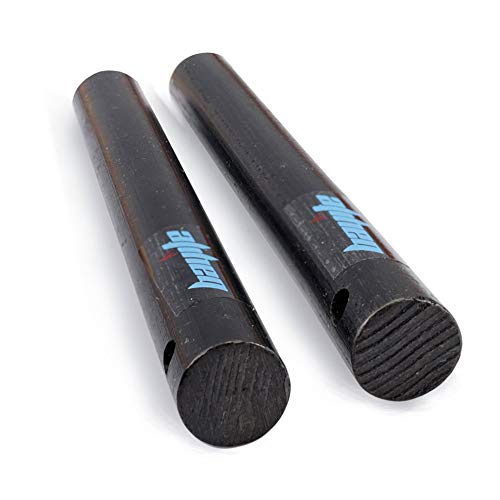
Bayite XL Ferrocerium Fire Starter Rod 1/2″ x 5″
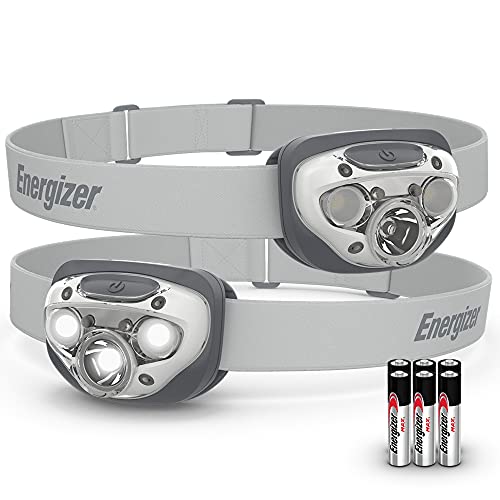
Energizer LED Headlamp PRO 2-Pack

Energizer Universal LED Headlamp 2-Pack

Energizer PRO-260 LED Headlamp
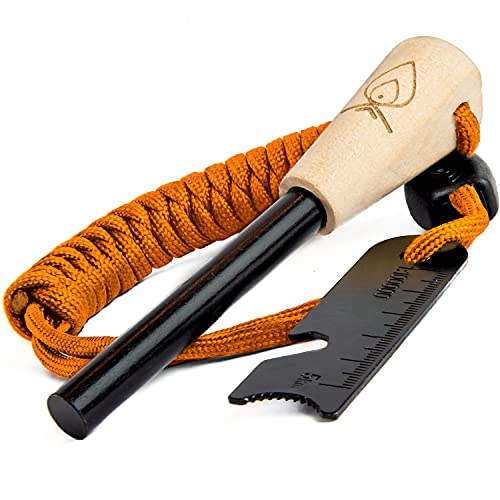
Texas Bushcraft Fire Starter 3/8″ Ferro Rod

FosPower NOAA Emergency Weather Radio A1

FosPower NOAA Emergency Weather Radio A3

FosPower NOAA Emergency Weather Radio A6

FosPower Emergency Weather Radio Model D9
A Closer Look At Each Pick
The Fiskars X7 is the kind of tool that disappears into the back of your trunk until the moment someone points at a stack of unsplit logs and says “we have to deal with that.” At 14 inches, it splits its purpose between a camp axe and a kindling hatchet: long enough to develop a real swing, short enough that newer campers won’t feel like they’re wrestling a broad axe at the woodpile. The forged steel head pairs with a fiberglass-reinforced handle that resists both weather and the inevitable drop onto gravel.
Where it really earns its reputation is the weight distribution, which lets the head do the heavy lifting instead of your shoulders. After a weekend of split-and-stack, most beginners find the X7 covers what 80% of car campers actually need from a chopping tool, even if they later pick up a folding saw for fine work.
Features That Help
- 14-inch overall length keeps swings controlled for newer users who haven’t built wrist stamina.
- Low-friction coated blade slides through fiber rather than catching it, which translates to cleaner splits and less energy per chop.
- Fiberglass handle absorbs the shock of a bad strike better than solid wood, especially in cold mornings when wood turns brittle.
- Hardened forged edge holds its geometry through a full season of weekend trips without needing a file.
- One-piece construction through the head eliminates the loose-head wobble that plagues cheaper hatchets.
Trade Offs
- Too short for felling anything larger than wrist-thickness; you will reach for a real axe or saw if your site has logs.
- Requires a sheath for safe transport in a packed car; tossing it loose against a cooler is asking for a sliced foam lid.
- Blade coating can scuff over time, which is cosmetic but worth knowing before you judge its condition visually.
Key Specs
Made For
First-time car campers and weekend families who need a reliable wood-processing tool without the bulk of a full axe.
Consider Something Else When
The bayite XL ferro rod and striker set is the better starting buy if your bigger worry is lighting wood on a wet morning, not splitting it.
The bayite XL fer rod is bigger and more aggressive than what most beginners think they need, which is exactly why it belongs in this roundup. A ferrocerium rod is a metal alloy stick that throws hot particles when scraped with a harder striker; this one measures roughly 5 inches long by half an inch thick, throwing sparks hot enough to catch even stubborn tinder in damp conditions.
The oversized diameter is the headline feature: thicker rods shed heat more slowly, so each strike produces a denser shower instead of a thin spray. For first-timers still learning their striker angle, that generous margin turns a fiddly skill into a forgiving one. Compared to the Fiskars X7 above, which handles the wood, this rod handles the moment before the wood is even lit.
Reasons It Performs
- Half-inch thickness produces a much heavier spark shower than the quarter-inch rods common in starter kits.
- Five-inch length gives you plenty of rod life before the surface wears down to the core.
- Works in rain, snow, and altitude where standard butane lighters quit on the first cold morning.
- No fuel to leak or evaporate during long storage in a pack or glove box.
Honest Caveats
- Bundled strikers vary in quality; many owners upgrade to a sturdy box-cutter spine or a dedicated 90-degree striker within a season.
- Rod stays hot briefly after heavy use, so plan storage in a small pouch rather than loose in a duffel.
Quick Facts
Whose Shelf It Belongs On
Campers who camp in shoulder seasons or wet climates and want a fire-starting tool that doesn’t depend on dry weather or fuel canisters.
Reach For A Different Pick When
The Texas Bushcraft Fire Starter is a better backpack pick if you’d rather skip the bulk and keep a smaller rod clipped to your wrist.
The Energizer LED Headlamp PRO 2-Pack is the practical answer to the question every first-time camper eventually asks: “Why does my phone flashlight feel so useless?” Each unit delivers a focused beam with enough throw to find the trail marker 50 paces ahead while leaving your hands free for trekking poles, firewood, or a cookpot.
The two-pack format matters more than the packaging suggests. One lamp lives in your tent; the other rides in the daypack. You stop fighting over a single light source and start building a routine where both partners carry a lamp, which dramatically reduces the “where’s the flashlight” scavenger hunt at 11 p.m. Compared to the smaller Universal headlamp in this list, this PRO trades a bit of compactness for a noticeably stronger throw.
What Helps Most
- Long-range beam reaches well down a dark trail, which is the difference between finding the path and guessing it.
- Two units means each person on a trip carries a backup or a designated task light.
- Adjustable elastic band fits over hats and beanies without hot spots on the forehead.
- IPX4 water resistance shrugs off light precipitation and the inevitable condensation inside a tent.
Small Caveats
- Battery life shrinks noticeably on the highest mode, so plan trips around the runtime you’ll actually use.
- Beam is focused rather than flood, so close-up tasks at a picnic table may feel narrow.
Right Fit For
Car campers, couples, and small families who want a strong trail-ready beam and a second lamp as backup or shared gear.
A Better Fit Elsewhere
The Energizer Universal LED Headlamp 2-Pack is a smarter first purchase if your trips are more campfire than trailhead, and you value a softer close-up beam over distance.
The Energizer Universal LED Headlamp 2-Pack is the gentlest of the three headlamps in this roundup, and that’s a feature, not a flaw. Where the PRO model throws a long punch of light, this Universal leans into close-up tasks: reading in the tent, sorting gear at a picnic table, and walking the short loop between your car and your fire ring.
The 2-pack brings the same redundancy advantage as the PRO bundle, but the overall profile is leaner and the carry weight lighter on a forehead already loaded with a hat and rain hood. For most first weekends in a state park, this is honestly enough lamp, and the IPX4 rating handles the surprise drizzle that catches every rookie group in the open field.
Everyday Advantages
- Lightweight construction sits comfortably on the forehead for long reading or cook-shift stretches.
- Wide, soft beam is forgiving for close-up tasks where a focused beam feels surgical.
- Two units let you stash one as a cabin or glove-box emergency light at home.
- Batteries are included, so the lamp is usable the moment the box opens.
Possible Compromises
- Throw distance trails the PRO-260, so reaching far-off trail markers is less certain.
- Plastic housing feels light, which is the point for comfort but not for rough use.
Who It Suits Best
Casual weekend campers whose main goal is hands-free light around camp rather than long trail navigation after dark.
Not Your Match When
The Energizer PRO-260 LED Headlamp is the better match if you run or hike at dusk and want stronger beam distance and multiple lighting modes.
The Energizer PRO-260 LED Headlamp is the single-unit option for campers who want one very capable lamp instead of a pair of simpler ones. The PRO-260 reaches further than the Universal and offers a mode set that adapts to the task, from a wide flood for the cook table to a narrow spot for trail navigation. A red night-vision mode sits on the dial for late-night tent reading without waking the rest of the party.
The trade-off is the price for one rather than the practicality of two. Where the 2-packs above give you redundancy and shared gear, the PRO-260 concentrates the budget into one head that does more. It’s the right shape for solo campers and trail runners who’d rather have a feature-rich lamp than an extra unit collecting dust in a drawer.
What Stands Out
- Multiple lighting modes including a red option for chart reading or tent-side navigation without ruining night vision.
- Long-throw beam handles open-field hiking after dark.
- IPX4 rating keeps the lamp functional through light rain and the steam of a boiling kettle.
- Lightweight head strap balances power with all-night wearability.
A Few Limitations
- Single-unit purchase means no automatic backup if the lamp is misplaced on a long trail.
- Higher modes drain batteries faster than the basic settings.
Best Suited To
Solo campers, hikers, and runners who want one strong, mode-rich lamp rather than two basic ones.
Skip It When
The Energizer LED Headlamp PRO 2-Pack delivers more flexibility for two-person trips where redundancy is the priority.
The Texas Bushcraft Fire Starter is the pack-friendly sibling to the bayite rod above, and the better choice for backpackers who count every gram. The 3/8-inch ferro rod is still thick enough to throw a serious spark, but the overall package is leaner, with a striker and a paracord wrist lanyard built into the kit. That lanyard sounds like a small detail until you watch a rod disappear into the leaves at a windy rest stop.
For day hikers and weekend backpackers, the integrated lanyard means the rod can clip out of the way inside the pack, then deploy to your wrist the moment you stop for a brew or a fire. Compared to the bayite XL, this rod throws fewer sparks per strike, but the easier carry makes it the smarter pick for trips where weight matters more than maximum heat output.
Advantages To Know
- Paracord lanyard keeps the rod attached to a wrist or pack loop, so it’s hard to lose in tall grass.
- 3/8-inch thickness hits a balance between compact carry and reliable spark output.
- Works in wet conditions where lighters and matches fail, including snow and persistent drizzle.
- Bundled striker ships in the package, removing the question of what to use for the strike.
Things To Weigh
- Smaller rod means fewer strikes in the rod’s lifetime compared to the bayite XL.
- Striker metal wears down and may need replacing after heavy use over multiple seasons.
Feature Snapshot
Perfect Match For
Day hikers and backpackers who want a fire starter they can attach to a wrist or pack and forget about until they need it.
Look Elsewhere When
The bayite XL Ferro Rod is the better call for car campers who want maximum spark density and don’t mind a larger rod in a kitchen box.
The FosPower NOAA Emergency Weather Radio A1 is the gentlest on-ramp into the weather-radio category, which is the kind of gear most beginners don’t think about until a storm rolls in. NOAA weather radios receive dedicated weather band frequencies that broadcast 24-hour forecasts and alerts; this A1 picks up those alerts alongside standard AM and FM, with a built-in flashlight and a power bank for topping off a phone.
Three charging sources, USB, solar panel, and hand crank, give the A1 a reassuring flexibility. A hand crank is a small lever you turn by hand to generate electricity, which sounds gimmicky until your car battery is the only thing keeping your phone alive. For most beginners, this is the right size of radio: small enough to leave on a picnic table, capable enough to cover a long weekend.
Real Benefits
- NOAA weather band access means real-time alerts for severe weather without needing cell signal.
- 7400mWh power bank tops off a phone in a pinch, enough for a map lookup or an emergency call.
- Three charging modes reduce the chance of a dead radio on a multi-day trip.
- Built-in flashlight covers the second-most-forgotten item on a new camper’s list.
Practical Considerations
- Hand crank generates a small amount of power; it supplements, rather than replaces, solar or USB charging.
- Speaker volume is fine for a tent but may struggle against wind at a noisy group site.
Feature Card
Who Should Grab It
First-time campers who want one device that covers weather alerts, a phone top-off, and a flashlight without managing multiple gadgets.
Where Another Pick Suits Better
The FosPower NOAA Emergency Weather Radio A3 is worth the step up if longer off-grid stays mean you need more battery capacity than the A1 offers.
The FosPower NOAA Emergency Weather Radio A3 is the A1’s bigger sibling, doubling the battery capacity to 14800mWh and adding an SOS alarm that draws attention in low-visibility conditions. For campers heading out for three or four nights, the larger battery means the radio can carry its own weight across the trip rather than leaning on solar and crank for daily use.
The A3 keeps the same three-source charging system, which means you can rotate between USB top-offs in the car and solar on the picnic table. Compared to the A1 above, this is the radio that grows with your trips: bigger capacity, louder attention-grabber, and a flashlight that’s still there for late-night tent chores.
Where It Delivers
- 14800mWh power bank extends runtime for radio, flashlight, and a phone or two across a long weekend.
- SOS alarm provides an audible signal that travels further than a voice call in an unfamiliar clearing.
- NOAA alerts plus AM/FM reception cover both forecast listening and entertainment around the fire.
- Three charging modes give you a real fallback when one source fails.
Things To Consider
- Size and weight are noticeably larger than the A1, so it stops being a glove-box item.
- Solar panel recharges slowly and is most useful as a maintenance top-off rather than a full refill.
Right Fit For
Campers running multi-day trips where the radio needs to last without daily wall charging and serve as a primary phone-topping station.
Where A Sibling Pick Shines
The FosPower NOAA Emergency Weather Radio A1 is the smarter pick for short weekend trips and minimal packing.
The FosPower NOAA Emergency Weather Radio A6 is the largest battery in the FosPower family, packing 19240mWh into a chassis that’s still backpack-portable. Four charging sources, USB, solar panel, hand crank, and a built-in backup, give it the most independent power supply of any radio in this roundup. For week-long trips and emergency preps, that capacity difference is the whole point.
Where the A3 above covers long weekends, the A6 pushes into the territory of base-camp duty: it can charge a phone multiple times, run a flashlight nightly, and still hold a weather-band alert ready for the morning forecast. The trade is bulk and weight, which is fine for a car-camping family but starts to feel heavy on a long backpack.
Practical Pluses
- 19240mWh power bank charges phones multiple times across a trip.
- Four charging sources reduce the chance of a dead unit when you need it most.
- NOAA weather band plus AM/FM covers both critical alerts and campsite entertainment.
- Integrated flashlight and SOS alarm handle the same emergency basics as the smaller FosPower units.
Soft Spots
- Heavier and bulkier than the A1 or A3, so it works best in a car or base camp rather than a fastpacking kit.
- Solar charging still requires hours of direct sun, which is patchy in forested sites.
Built With In Mind
Campers building a home emergency kit or planning week-long trips where the radio doubles as the primary charging station for small devices.
Swap It Out When
The FosPower NOAA Emergency Weather Radio A3 is a more pack-friendly alternative if you don’t need the A6’s extra capacity.
The FosPower Emergency Weather Radio Model D9 is the most feature-loaded radio in this roundup, layering Bluetooth 5.4 streaming, shortwave reception, and an IPX3 splash rating onto the same 14800mWh battery as the A3. Shortwave is a long-range broadcast band that picks up international stations and distant emergency transmissions far beyond AM or FM range.
For tech-forward campers, the Bluetooth option turns the radio into a campsite speaker without needing a separate device. For prep-minded campers, the shortwave band opens a wider window into distant alerts and global broadcasts. Compared to the A6, this D9 trades raw battery capacity for connectivity and broadcast variety.
The Practical Payoff
- Bluetooth 5.4 streams music or podcasts from a phone, turning the radio into a small campsite speaker.
- Shortwave reception reaches broadcasts beyond local NOAA coverage.
- 14800mWh power bank handles multi-day use and tops off small devices.
- Three charging sources plus IPX3 splash resistance add flexibility around water-prone sites.
Where It Is Less Suited
- Shortwave antennas work best with extension; tabletop reception is weaker than the marketing implies.
- More features mean more buttons to learn, which can overwhelm a true beginner who just wants alerts.
Who Will Love This
Campers who want a radio that doubles as a campsite speaker and welcomes the learning curve of shortwave exploration.
A Better Fit Elsewhere
The FosPower NOAA Emergency Weather Radio A1 is a kinder first radio if you just need alerts and a flashlight with minimal setup.
How To Pick The Right Starter Kit For Your First Season Outside
Start With Where You’ll Actually Camp
Car camping and backpacking make very different gear demands, and pretending otherwise is how first-timers end up carrying hatchets to trail camps. If your season is paved campgrounds with car-side firewood, focus on a hatchet for splitting, a forgiving ferro rod, and a headlamp built for short walks to the restroom. If you’re moving into backcountry sites, lean toward lighter ferro rods with lanyards, compact weather radios, and headlamps that handle trail navigation after dark.
Match Light, Fire, and Information To Real Conditions
Most beginners overbuy features they won’t use and underbuy on the basics. A 260-lumen headlamp is wasted on a tent-only weekend, while a low-output lamp will frustrate anyone walking a trail after sunset. A half-inch ferro rod throws more sparks than you’ll need on a dry summer trip, but it’s a lifesaver in spring rain. A weather radio seems excessive until the forecast turns severe on day two; at that point, owning one matters far more than which model you own.
Don’t Redundantly Duplicate The Same Tool
Three headlamps in a three-person tent is hoarding, not safety. Pick the configuration that matches your group: two-unit packs for shared redundancy, or one premium unit for solo trips where you want more features. Same logic applies to fire starters: one ferro rod plus one reliable lighter covers nearly every camping scenario, and adding a third sparker just adds weight to your pack.
Buy Once Where It Hurts, Save Where It Doesn’t
Headlamps and hatchets see daily use across many trips, so spending more there pays back in durability. Ferro rods are consumables that wear down over years, and any reasonable starter rod handles 95% of conditions; the difference between a basic and premium rod is rarely felt on casual trips. Weather radios sit between the two, where the A-series handles most beginners and the feature-loaded D9 only earns its keep for tech-friendly campers.
Key Considerations Across These Picks
Traps First Timers Fall Into
New campers often buy a giant hatchet for “real” wood splitting and then never use it because they end up at campsites with pre-split firewood. A 14-inch hatchet is the sweet spot; a longer axe just adds weight to the trunk.
Another common miss is grabbing a thin ferro rod because the listing sounds technical. Thinner rods produce fewer sparks and punish poor striker technique; thicker rods make the skill feel forgiving, which matters most on your first five fires.
A third trap is treating weather radios as overkill. Beginners often skip them and rely on phones that go dark at the worst moment. A basic NOAA radio with a hand crank covers that single failure mode for the rest of your camping life.
What The Higher Tier Buys
Higher-tier headlamps add mode variety and stronger beams, which only matters if you actually hike after dark. The PRO-260 earns its premium over the Universal only for runners and trail walkers; for campfire-only use, the budget option performs nearly identically.
Larger weather radios earn their cost through bigger batteries and additional charging sources, which only matters if your trips stretch past two nights. For weekend warriors, the A1 covers everything; the A6 starts to matter once you’re a week away from a wall outlet.
Premium ferro rods, similarly, mostly buy thicker rods and longer lifespan. For most beginners, any well-made starter rod is enough, and the upgrade path becomes relevant only after you’ve worn through your first one over many seasons.
Frequently Asked Questions
What is a ferro rod and why do beginners need one?
A ferro rod is a metal alloy stick that produces hot sparks when scraped with a harder striker, and it works in rain, wind, and cold where lighters quit. For first-timers, a thick ferro rod makes the strike technique forgiving.
How bright should a beginner headlamp be?
A long-throw beam around the PRO-260 level covers most trail and camp needs for beginners. Anything significantly weaker frustrates navigation after dark, and significantly brighter drains batteries faster without adding useful range.
Do I really need a weather radio for casual camping?
Casual weekend camping rarely demands one, but a basic NOAA radio with a hand crank protects you when forecasts change mid-trip. The cost is small compared to the alternative of driving blind into a storm cell.
What size hatchet is right for first-time campers?
A 14-inch hatchet balances swing power with packability, which is the sweet spot for car campers splitting kindling. Larger axes handle felling but add trunk weight that goes unused at paved campgrounds.
Can one weather radio work for an entire trip?
A radio carrying 7400mWh or more handles a long weekend when paired with a daily top-off. Longer trips benefit from radios in the 14800mWh range, which can stretch across multiple days without wall charging.
Closing Remarks
The right starter kit isn’t the biggest one; it’s the one matched to your actual trips. Pick a hatchet that fits your trunk, a ferro rod that handles your climate, a headlamp that covers your evenings, and a weather radio that won’t die when the forecast shifts. Build from there, season by season, and the gear will outlast the learning curve.