
A proper campfire meal starts with a pot that can take the heat, and not every kitchen Dutch oven is built for that job. Outdoor use demands thicker walls, flanged lids, and the kind of heft that lets you bury coals on top for even baking. The lineup below covers everything from compact cast iron for two campers all the way up to a 20-quart beast that feeds a whole crew.
A Closer Look At The Lineup

Petromax Cast Iron Dutch Oven, Pre-Seasoned, Flat Base

Velaze 10 QT Pre-Seasoned Cast Iron Camping Dutch Oven Pot
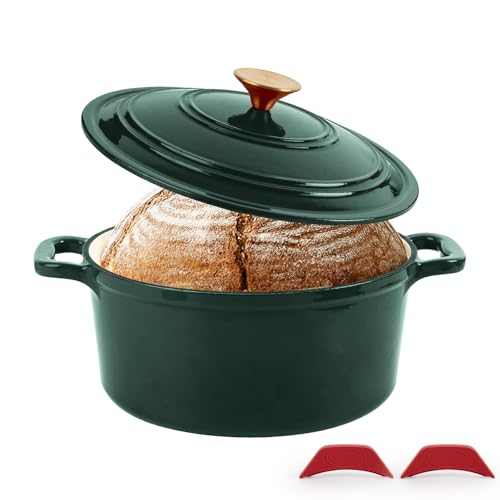
Tastedeli Enamel Cast Iron Dutch Oven, 4.7QT, Green
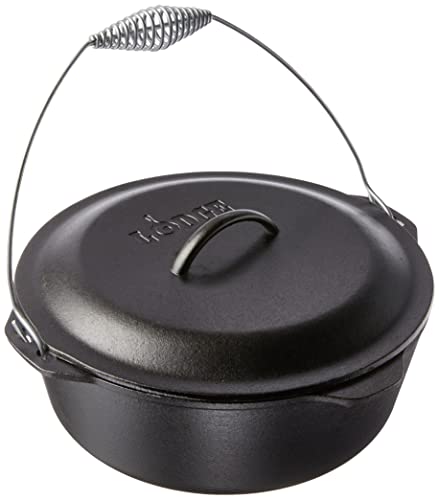
Lodge Pre-Seasoned Cast Iron Dutch Oven with Bail Handle, 9 Quart

Lodge Pre-Seasoned Cast Iron Deep Camp Dutch Oven with Lid, 8 Quart
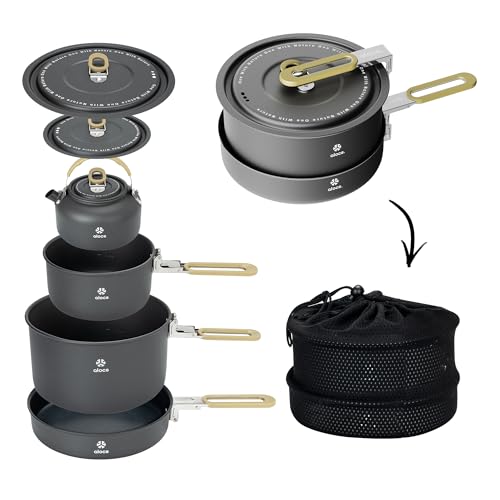
ALOCS Camping Cookware Portable Non-Stick Mess Kit
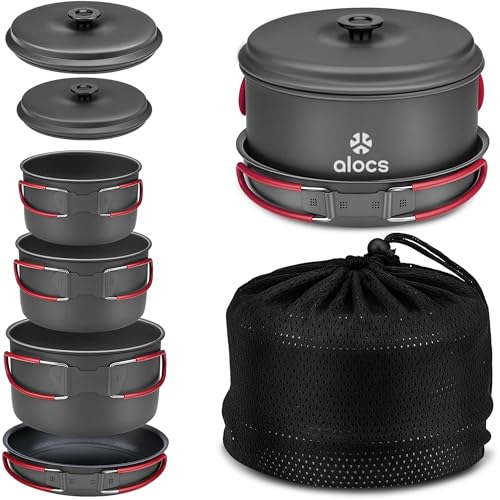
ALOCS Camping Cookware Set Compact Pots and Pans

Cajun Classic 20-Quart Seasoned Cast Iron Dutch Oven GL10491S
The Picks, Examined More Closely
The Petromax lands first because it treats the campfire as seriously as a home kitchen. The cast iron body, about 6.2 pounds at a compact 1-quart capacity, spreads heat evenly and arrives pre-seasoned, so a quick rinse is all you need before the first meal.
You can cook inside a campfire, over briquettes, or on a stovetop with this pot. A built-in thermometer hole lets you monitor internal temperature without lifting the lid, which preserves heat and moisture. For most backcountry bakers, that single feature is the difference between guessing and actually nailing a loaf.
The Helpful Details
- Pre-seasoned finish skips the initial oil-and-oven ritual that bare cast iron demands.
- Thermometer hole lets you read internal temperature without breaking the seal on the lid.
- Flat bottom sits cleanly on a stovetop burner or a level fire ring.
- Compact 1-quart size suits solo campers or a side dish alongside a larger pot.
- Compatible with charcoal piled on the lid for top-down heat, much like a backyard oven.
Honest Caveats
- The 1-quart volume is small for feeding a family of four.
- Cast iron at 6.2 pounds is heavy on a long hike, so it suits car camping more than backpacking.
Whose Pack It Belongs In
Solo travelers and couples who want a refined campfire pot for stews, small roasts, and bread, and who appreciate European cast iron craftsmanship.
Where Another Pick Suits Better
The Velaze 10 QT Pre-Seasoned Cast Iron Camping Dutch Oven Pot makes more sense for families cooking group-sized meals around a larger fire.
The Velaze steps in where the Petromax leaves off, trading refined compactness for raw cooking volume. A 10-quart cavity feeds four to eight campers from a single pot, which matters when you’re planning dinner for a group.
The flanged lid does double duty, holding hot coals for top heat and inverting into a flat griddle for pancakes or searing. An included stand support lifts the pot above the table or the coals, so you can position it without scorching your surface.
Real Benefits
- 10-quart capacity handles stews, lasagna, and whole roasts without batch-cooking.
- Flanged lid doubles as a griddle when flipped, expanding your cooking surface for free.
- Stand support keeps the oven stable above a fire pit and off your picnic table.
- Cast iron body retains heat long after you pull it off the fire, useful for serving and keeping food warm.
Worth Noting
- At full size it gets genuinely heavy, so transport favors a vehicle rather than a backpack.
- Cast iron needs drying and a thin oil coat after washing to prevent rust on long trips.
- Pre-seasoning helps, but you may want to add a personal seasoning layer for stick-resistant cooking over time.
Made For
Group campers and family outings where one pot handles the entire main course, and where the cooking surface can spare room for a sizable piece of cast iron.
Skip It When
The Cajun Classic 20-Quart Seasoned Cast Iron Dutch Oven GL10491S fits better when you regularly host ten or more people at base camp.
The Tastedeli breaks from the pack by skipping raw cast iron in favor of an enamel-coated surface. That coating means no seasoning routine, easier cleanup at the campsite, and a non-reactive pot that won’t pick up flavors between batches.
At 4.7 quarts it sits squarely between the Petromax and the Velaze, making it a versatile size for couples or a small family. Induction compatibility also lets it cross over to the home kitchen, useful when one pot pulls double duty between the stovetop and the fire ring.
What Pays Off
- Enamel coating removes the seasoning learning curve for first-time cast iron owners.
- 4.7-quart capacity suits bread baking, braises, and stews for two to four people.
- Induction compatibility expands use to modern kitchen ranges and not just camp stoves.
- Smooth interior resists sticking once preheated and lightly oiled.
Trade-Offs To Consider
- Enamel can chip if the pot is dropped or banged against rocks, so it needs careful handling.
- No flanged lid for coal placement, which limits true campfire baking compared to the Velaze.
Feature Snapshot
Right Fit For
Cabin renters and hybrid cooks who want one pot for the home oven, the stovetop, and the occasional outdoor cookout without committing to a seasoning routine.
Reach For A Different Pick When
The Lodge Pre-Seasoned Cast Iron Deep Camp Dutch Oven with Lid, 8 Quart handles true coal-top baking over an open fire more confidently.
Lodge has been making cast iron in Tennessee for over a century, and this Dutch oven leans into that heritage. The spiral loop bail handle sets it apart from the Lodge camp version below, trading in tripod legs for a hanging-friendly design suited to hearth cooking and dutch oven racks.
At 9 quarts it covers most family meals, and the tight-fitting lid locks in moisture during long braises. Unlike the Tastedeli, this is bare seasoned cast iron, so it rewards a basic maintenance routine with decades of service.
The Value In It
- Bail handle lets you hang the pot from a tripod or lift it cleanly over coals.
- 9-quart capacity is the sweet spot for feeding six to eight people.
- Pre-seasoned finish means usable right out of the box.
- Tight-fitting lid preserves moisture during slow cooks.
Possible Compromises
- Flat base without integral legs requires a separate trivet or rack to sit over coals safely.
- Bare cast iron needs drying and oiling after each wash to prevent rust over time.
Feature Snapshot
Built With In Mind
Traditionalists who cook over a hearth, a fire pit, or a tripod setup, and who value a hanging-handle design over tripod-style legs.
Look Elsewhere When
The Lodge Pre-Seasoned Cast Iron Deep Camp Dutch Oven with Lid, 8 Quart is the better match for ground-level fire cooking thanks to its integral legs.
This is the Lodge camp pot by design, with three integral legs and a flanged lid that turns the whole thing into a self-contained outdoor oven. The legs lift the pot off the coals and create airflow underneath, while the lid rim holds a layer of charcoal on top for true top-down heat.
Where the previous Lodge relies on a bail handle for hanging, this version sits firmly on the ground or on a grate. That makes it the more practical choice for tailgates, fire pits, and established camp kitchens where a tripod isn’t part of the setup.
The Case For It
- Integral legs keep the pot stable over coals without a separate trivet.
- Flanged lid holds charcoal for baking and inverts into a griddle for searing or pancakes.
- 8-quart capacity feeds a family-sized group with room to spare.
- Pre-seasoned surface is ready for cooking after a quick rinse.
Small Caveats
- Deeper profile means longer preheating before the cooking surface reaches temperature.
- Legs add weight and bulk for packing into a vehicle, so it travels best in a truck bed or cargo area.
Who Should Grab It
Backyard fire pit cooks and tailgaters who want a ground-level setup with built-in support, rather than hanging the pot from a tripod.
A Better Fit Elsewhere
The Lodge Pre-Seasoned Cast Iron Dutch Oven with Bail Handle, 9 Quart makes more sense for hanging setups or kitchen-to-campfire cooks who already own a dutch oven rack.
The ALOCS mess kit steps away from traditional Dutch ovens entirely. It’s a stacked cookware set built for hikers who count every ounce in their pack, including a 1.7L pot, a 3L pot, a small kettle, and an 8-inch frying pan that all nest into one bag.
Foldable, heat-resistant handles fold flat during transport and lock out during cooking, protecting your hands from a hot pan over a small backpacking stove. For thru-hikers and bikepackers, this kind of nesting system is the difference between carrying cookware and skipping hot meals.
Features That Help
- Nesting design packs four pieces into one compact bag for tight pack space.
- Foldable handles stay cool during cooking and fold away for storage.
- Non-stick coating reduces oil use and speeds up cleanup at the campsite.
- Lightweight enough to consider for backpacking trips where every pound matters.
Room For Improvement
- Non-stick coatings wear faster with metal utensils and high-heat cooking.
- No cast iron thermal mass, so heat recovery after adding food is slower.
- Smaller pot volumes suit one or two people, not group meals.
Best Suited To
Solo backpackers and bikepackers who want a lightweight, all-in-one cookware set rather than a heavy cast iron pot.
Where Another Pick Suits Better
The Velaze 10 QT Pre-Seasoned Cast Iron Camping Dutch Oven Pot serves car campers cooking for a group far better than this compact kit.
The second ALOCS kit trades the non-stick coating for hard-anodized aluminum, paired with food-grade silicone components. Hard anodizing is an electrochemical treatment that hardens aluminum and creates a durable, scratch-resistant cooking surface.
Three pots at 2.3, 1.3, and 1.1 quarts, plus a non-stick pan, cover most two-to-three-person meal scenarios. Compared to the other ALOCS kit above, the build skews slightly more durable but loses some of the lightweight packaging efficiency.
A Few Strong Suits
- Hard-anodized aluminum resists corrosion and scratching better than basic aluminum.
- Multiple pot sizes handle main dishes, sides, and drinks from a single kit.
- Non-stick frying pan covers breakfast eggs and quick sears.
- Compact footprint fits inside a day pack or saddlebag.
Points To Keep In Mind
- Aluminum heats faster than cast iron but doesn’t retain heat as long after removal.
- Not designed for true campfire coal-top baking the way a cast iron Dutch oven handles.
Feature Snapshot
Who Will Love This
Car campers and weekend travelers who want a more durable aluminum kit than the lightest backpacking options, but don’t need cast iron’s heat retention.
Not Your Match When
The Cajun Classic 20-Quart Seasoned Cast Iron Dutch Oven GL10491S serves large-group campfire cooks better, with no comparison in raw capacity.
The Cajun Classic closes the lineup at the opposite end of the spectrum from the Petromax. A 20-quart seasoned cast iron pot is overkill for a couple and exactly right for feeding a scout troop, a hunting camp, or a family reunion.
Big-volume cast iron brings serious weight and serious thermal mass, so it holds temperature through long cooks better than smaller pots. You may find yourself dedicating a vehicle load to transport, but at the destination you can cook an entire meal in a single batch.
Notable Gains
- 20-quart capacity handles gumbo, whole chickens, and big-batch stews without juggling pans.
- Cast iron thermal mass holds temperature steadily through long, slow cooks.
- Pre-seasoned finish cuts initial prep time before the first meal.
- Durable enough to pass down through generations with basic care.
Points To Note
- Full size is genuinely heavy and difficult to lift without two people or a hoist.
- Storage space demands a dedicated shelf in the garage or camp locker.
- Excess capacity wastes energy on small meals where a smaller pot would heat faster.
Feature Snapshot
Perfect Match For
Large gatherings, base camps, and group cooking scenarios where one pot needs to feed ten or more campers at once.
Swap It Out When
The Lodge Pre-Seasoned Cast Iron Deep Camp Dutch Oven with Lid, 8 Quart fits smaller group meals and is easier to handle for most cooks.
Choosing The Right Cast Iron Pot For The Campfire
Capacity First, Weight Second
The single biggest decision is volume, because it drives every other choice. A 1- to 4-quart pot covers one or two campers with room for a stew or a small loaf of bread. The 8- to 10-quart range handles family meals without forcing you to batch-cook, and anything above 15 quarts is built for gatherings and base camps. Match capacity to your typical group size, then accept the weight that comes with it. Bigger pots mean more thermal mass, which is great for heat retention, but they also demand two hands and a sturdy table.
Legs, Lids, And Lifting Hardware
Camp-specific pots usually include integral legs to stand above coals, and a flanged lid that holds charcoal for top heat. Home-style Dutch ovens rely on a flat bottom and a bail handle for tripod hanging. For ground-level fire pit cooking, legs and a flanged lid make life easier. For hearth or tripod setups, the bail handle design from Lodge is the more traditional fit.
Raw Cast Iron Versus Enamel
Raw cast iron rewards basic care with a naturally non-stick surface that improves over years of use, but it does require drying and a light oil coat after washing. Enamel-coated options like the Tastedeli skip the seasoning routine and wipe clean, though the coating can chip if mistreated. Both materials work over a fire, but enamel limits true coal-top baking because it isn’t designed for direct contact with embers.
Intended Heat Source
Backpackers and bikepackers will struggle with anything heavier than aluminum, which is why kits like the ALOCS sets exist. Cast iron is a car-camping and base-camp material. Lightweight aluminum gets you fed on the trail but won’t deliver the same sear, crust, or heat retention at the fire pit.
Picking With Confidence
Pitfalls First-Timers Hit
A common slip is buying a pot that’s either too small for the group or so heavy you leave it in the garage. Another is choosing a beautiful enamel piece and expecting it to handle direct coals, which can damage the coating over time. Match the pot style to your cooking method first, and the size to your group second.
What Separates Premium From Basic
Premium-tier pots like the Petromax bring tighter tolerances, refined lid fits, and details like thermometer holes that genuinely improve results. Mid-range picks focus on capacity and core cast iron quality, while budget-friendly kits lean toward aluminum convenience over heat retention. The upgrade is worth it for cooks who bake over coals regularly, since a tighter lid seal and a flanged rim change how evenly heat reaches the food.