
The first night in a new tent tells you everything. A wobbly pole, a stubborn rainfly, a door that zips the wrong way when you’re half asleep, these small frictions add up by the second evening. The right camping dome tent removes them before you ever notice, letting the trip breathe instead of the gear. This list rounds up five solid picks that suit different kinds of campers, from weekend festival regulars to families who want real living space under canvas.
An Overview Of The Picks

Coody Premium Inflatable Canvas Air Tent
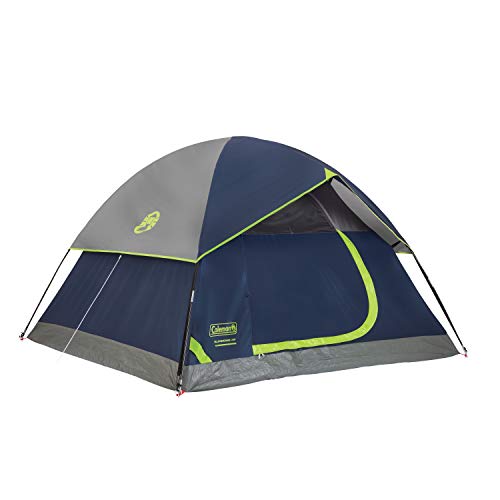
Coleman Sundome Camping Tent

Gazelle T4 Pop Up Camping Tent

EchoSmile Instant Pop Up Tent

AOPEC Pop Up Camping Tent with Porch
The Picks, Examined More Closely
The Coody takes a different path from every other tent on this list. Instead of fiberglass poles, an inflatable air frame holds the shape, and a built-in stove jack opens the door to real cold-weather camping. On a fall hunting weekend or a snowy basecamp, that one detail changes everything: you can run a small wood stove inside without melting a panel.
Canvas construction breathes better than thin polyester, so condensation stays manageable on damp nights. Where the Coleman below leans toward simple weekends, this one leans toward longer stays with actual furniture inside. For shoppers weighing comfort over pack size, the Coody earns its keep.
Real Benefits
- Air-beam structure inflates in minutes, with no pole segments to thread or lose in the grass.
- Integrated stove jack supports a wood-burning setup for cold-season trips.
- Breathable TC canvas handles temperature swings and heavy dew better than thin synthetics.
- Tall ceiling height creates a livable room rather than a sleeping pod.
Points To Note
- Bulky packed size makes it car-camp only, not a backpacking option.
- Canvas dries slowly after rain, so pack-down on wet mornings takes patience.
- Pump or inflation hardware is required and adds a setup step the other tents skip.
Feature Snapshot
Whose Campsite It Belongs On
Cold-weather campers, glampers, and anyone settling into a basecamp for a week or longer.
Reach For A Different Pick When
Lightweight backpackers should look at the Coleman Sundome for a more packable dome shape.
The Sundome is the tent many campers learned on, and for good reason. A classic three-pole dome goes up quickly with snag-free continuous sleeves, so even first-time campers can pitch it before the sun sets. The WeatherTec rain system keeps seams sealed when an afternoon squall rolls through.
Where the Coody above aims at basecamp luxury, this one aims at accessible weekend trips. Available in two, three, and four-person footprints, it scales with your group without forcing a tent upgrade. Budget shoppers and first-timers get a familiar shape that just works.
Good Reasons To Consider
- Continuous-pole sleeves eliminate the frustration of feeding individual sections.
- WeatherTec design wraps seams and floors to block wind-driven rain.
- Multiple size options let you match capacity to your group without overpaying.
- Compact pack weight suits short hikes from car to campsite.
Trade Offs
- Limited headroom keeps activities to sleeping and changing, not standing.
- Polyester build runs warmer than canvas in summer sun.
- Single door can bottleneck a four-person load-in at night.
Who Will Love This
First-time campers, families with small kids, and anyone after a no-surprise weekend tent.
Look Elsewhere When
Shoppers wanting standing room and a real porch should pick the AOPEC instead.
The Gazelle T4 trades the pole-and-sleeve routine for a pre-assembled hub that pops up in seconds. Compared to the Sundome’s traditional frame, this one is closer to opening an umbrella than pitching a tent, which matters when you arrive late or in fading light. The four-person footprint feels genuinely spacious.
A removable floor, full mesh screens, and a separate rain fly turn it into a flexible basecamp. Beach day in the morning, sleepover at night, same tent. For shoppers who want quick setup without giving up room to move, the Gazelle hits a sweet spot the standard dome shapes don’t reach.
Useful Highlights
- Hub design opens the tent in well under two minutes from bag.
- Removable floor simplifies cleaning after sandy or muddy trips.
- Mesh walls and rain fly balance airflow with weather protection.
- Spacious interior fits a family with gear bags inside.
Possible Compromises
- Heavier packed weight than a traditional dome, so it’s car-camp territory.
- Larger footprint demands more level ground than smaller tents.
- Polyester fabric can feel stuffy without full mesh deployment.
Quick Facts
Built With In Mind
Car campers, beach families, and anyone who values quick pitch over pack size.
Swap It Out When
Backpackers should consider the EchoSmile for a lighter, faster pop-up option.
Pop it out of the bag, release the strap, toss it into the air, and the EchoSmile opens on its own. That throw-and-go approach suits festival grounds, backyard sleepovers, and short overnight trips where setup stress ruins the fun. Compared to the Gazelle above, this one folds even smaller for transport.
Available in two, four, and six-person layouts, it scales for couples or small groups. The trade-off is wind performance: a spring-loaded dome handles calm evenings well, but stormy nights demand heavier staking. For shoppers who want the lowest possible setup effort, this fits.
What Makes Sense
- Automatic opening drops setup time to a single motion.
- Terylene fabric keeps the packed weight light for short hikes.
- Multiple size options cover solo to small-group use cases.
- Folds flat for storage in closets or car trunks between trips.
Honest Caveats
- Spring frame can struggle in strong wind without extra guy lines.
- Folding the tent back into its round bag takes a learned technique.
- Limited interior height restricts standing and gear organization.
Right Fit For
Festival-goers, casual campers, and anyone who wants the lowest-effort setup possible.
Consider Something Else When
Shoppers facing serious weather should pick the Coleman Sundome for its sturdier pole geometry.
The AOPEC adds something the others mostly skip: a real front porch area. That extended vestibule gives you a covered space to leave boots, store packs, or sit out a rain shower without crowding the sleeping area. Compared to the EchoSmile’s compact footprint, this one trades a little bulk for genuine livability.
A 190T polyester shell with a PU4500mm waterproof coating and heat-sealed seams handles steady rain better than most budget pop-ups. Reinforced pegs and guylines add wind margin for open campsites. For shoppers who want extra space without the Coody’s price tag, the AOPEC sits in a comfortable middle.
Points In Its Favor
- Front porch extension adds usable covered space beyond the sleeping area.
- Heat-sealed seams and PU coating boost wet-weather confidence.
- Pre-attached pole system still pops into shape quickly.
- Ventilation panels manage condensation in humid conditions.
Less Ideal Details
- Larger packed size than basic dome tents, so storage takes more room.
- Fiberglass poles are lighter than steel but can crack under hard stress.
- Porch area is open-sided, so strong wind drives rain sideways.
Perfect Match For
Budget-conscious campers who want extra covered space and solid rain protection.
A Better Fit Elsewhere
Shoppers needing year-round shelter should look at the Coody for its stove jack and canvas build.
What Matters Most Before Choosing Camping Dome Tents
Capacity vs. Real Interior Space
Manufacturer ratings assume tight sleeping, not comfort. A “four-person” tent often sleeps two adults with gear, so shoppers planning family trips should size up. The Coleman Sundome and Gazelle T4 both label as four-person, but the Gazelle’s hub geometry opens a wider floor.
Weather Protection and Coating Ratings
A PU coating rating tells you how much water pressure the fabric handles before leaking, with higher numbers meaning stronger rain resistance. The AOPEC’s PU4500mm rating sits well above basic budget tents, while the Coody’s canvas handles wet weather through breathability rather than coating. Match the build to your climate.
Setup Style and Pitch Time
Traditional pole domes like the Sundome take longer but handle wind better. Hub and pop-up designs like the Gazelle, EchoSmile, and AOPEC trade some storm stability for near-instant pitch. Backpackers usually pick poles, car campers usually pick hub designs.
Material Trade-Offs
Polyester is light and fast-drying, the practical choice for most. Canvas breathes better and lasts longer but adds serious weight. The Coody is the only canvas option here, and that single choice sets it apart from the rest of the list.
Key Considerations Across These Picks
Where Shoppers Go Wrong
Capacity labels mislead more than any other spec. A tent rated for four often fits two adults comfortably with gear, so buying tight leaves you fighting for floor space all weekend. Another common slip is ignoring pole material: fiberglass is light but cracks under stress, while steel adds weight and durability.
When Paying More Pays Off
Higher-tier models like the Coody add canvas construction, air frames, and stove compatibility, features a budget tent simply cannot match. For weekend fair-weather trips, the lower-tier picks handle the job. For shoulder-season camping, family basecamps, or cold-weather use, the upgrade delivers real comfort gains you feel every night.
Frequently Asked Questions
How long does it take to set up a camping dome tent?
Traditional pole domes like the Coleman Sundome take ten to fifteen minutes with practice. Hub and pop-up designs like the Gazelle T4 and EchoSmile drop that to under five minutes, with the EchoSmile opening automatically once unstrapped.
Are camping dome tents good for rain?
Yes, when matched to the conditions. Polyester domes with sealed seams handle moderate rain, while canvas tents like the Coody manage long wet stretches through breathability rather than waterproofing.
What size camping dome tent do I need?
Plan on one person per rated capacity only if you’re willing to sleep shoulder-to-shoulder with no gear inside. Most campers size up, treating a “four-person” label as comfortable for two adults with equipment.
Can camping dome tents handle wind?
Traditional pole designs with continuous sleeves handle wind better than spring-loaded pop-ups. The Coleman Sundome and Coody both pitch into sturdier shapes, while the EchoSmile needs extra staking in gusty conditions.
How do you store a camping dome tent between trips?
Dry the tent fully before folding to prevent mildew, then store loosely in a breathable bag rather than a tight compression sack. Keeping it in a garage or closet rather than a hot car trunk extends the fabric life.
Closing Remarks
The right camping dome tent quietly does its job and never gets in the way of the trip. Match the build to your climate, your group, and how you actually travel, and the rest takes care of itself. Any of the five picks here will serve you well when chosen for the right reason.