
Sleeping on your side puts real pressure on a cot’s shoulder zone and hip pocket. Narrow cots under 28 inches wide tend to feel like a balance beam by 2 a.m., and a stiff fabric sling can press hard on the shoulder that’s down for the night. The picks below lean toward wider sleeping surfaces, thicker or foam-supported platforms, and forgiving frames so side sleepers wake up without that familiar shoulder ache.
The Essentials At A Glance

ONETIGRIS SUPRATIROS Extra Large Camping Cot, Height Adjustable

Coleman ComfortSmart Big & Tall Cot with Mattress Pad

Slsy Folding Camping Cot with Mat & Carry Bag

Kamp-Rite Oversized Tent Cot
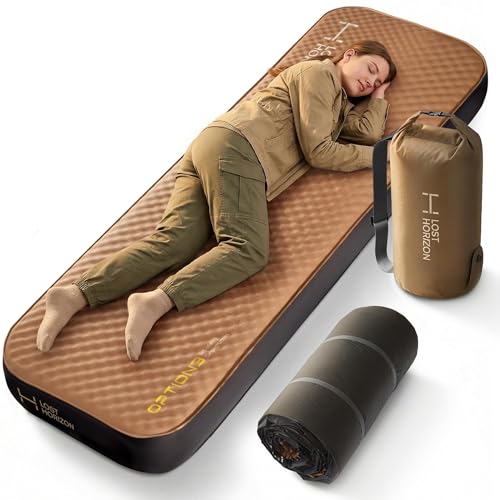
Lost Horizon Option3 Self-Inflating Foam Mattress, Cot, 4.5″

Slsy Oversized Folding Camping Cot with Pad, 32in Wide

Lost Horizon Option3 Self-Inflating Foam Mattress, Slim Single, 3″

Lost Horizon Option3 Self-Inflating Foam Mattress, Queen, 4.5″

Lost Horizon Option3 Self-Inflating Foam Mattress, Full, 4.5″
A Closer Look At Each Pick
Side sleepers who roll onto their shoulder at 3 a.m. need a sleeping platform that doesn’t pinch. The ONETIGRIS SUPRATIROS Extra Large Camping Cot stretches to 31.5 inches wide and 86.6 inches long, which is roughly the width of a twin mattress at a campground. The height-adjustable legs let you dial in a taller bed for getting in and out, or a lower setup for stability in wind.
Compared to the Coleman ComfortSmart covered below, this cot skips the built-in mattress pad and relies on a 300D Oxford fabric sling, which means a thinner feel under the shoulder unless you add a pad. For anyone who already owns a sleeping pad and wants a wider frame underneath, the trade-off works in your favor.
Where It Excels
- The 31.5-inch width gives your down-shoulder room to land without falling off the edge.
- The 400-pound capacity means it tolerates heavier sleepers without frame sag, which side sleeping can amplify.
- Height-adjustable legs let taller campers raise the platform for easier in-and-out.
- The fabric is water-resistant, so a damp tent floor won’t soak through to your sleeping bag.
- It folds down for trunk storage, useful for road-trippers juggling gear.
Things To Consider
- There’s no integrated mattress, so budget for a separate pad to cushion the shoulder zone.
- The wide footprint may not fit inside narrow one-person tents.
Who Will Love This
Broader-framed side sleepers and anyone who wants extra shoulder room without upgrading to a full-size mattress.
Swap It Out When
If you’d rather skip a separate pad altogether, the Coleman ComfortSmart Big & Tall Cot ships with a plush foam mattress already attached.
The Coleman ComfortSmart Big & Tall Cot comes with a thick foam mattress pad already bonded to the steel frame, which is the rare combination a side sleeper actually wants. The ComfortSmart coil suspension (a web of support coils that flex under weight) cushions the hip and shoulder instead of letting them press into taut fabric. It also folds flat for trunk storage, a quiet relief when packing after a long drive.
Against the ONETIGRIS reviewed just above, this one is heavier and bulkier, but the integrated padding means no extra shopping. For car campers who want a plush bed the moment they arrive, that convenience matters more than a few saved pounds.
A Few Strong Suits
- Built-in foam pad removes the need to match a separate mattress to the cot frame.
- Coil suspension softens pressure points for the down shoulder and hip.
- Steel frame handles up to 300 pounds of sleep weight.
Honest Caveats
- The setup is heavier than ultralight cots, which may frustrate backpackers.
- The plush pad adds bulk even when folded.
Right Fit For
Car campers and tall side sleepers who want a soft, supportive surface ready to use without hunting for a compatible pad.
Reach For A Different Pick When
Backpackers should look at the Slsy Folding Camping Cot, which is lighter and pops open in seconds.
Popping open a camp bed at dusk while juggling flashlights and hungry kids is no fun. The Slsy Folding Camping Cot unfolds in seconds and ships with a thin mat and carry bag, so the whole package travels as one unit. The 28-inch width is the entry point for comfortable side sleeping, and the listed 880-pound capacity means the frame won’t bow under restless tossing.
Side by side with the ONETIGRIS above, this cot is narrower but more portable. For weekend trips where you don’t want to wrestle with leg locks, the time savings are real.
Useful Touches
- Pop-open design skips complicated assembly in the dark.
- Included mat and carry bag bundle everything into one trip-ready package.
- The 880-pound rating suggests a sturdier frame than the price implies.
- Compact fold fits in a closet for use as a guest bed at home.
Trade Offs
- The bundled mat is thin, so side sleepers with sensitive shoulders may still want extra padding underneath.
- At 28 inches wide, larger-framed side sleepers may bump the edges.
Built With In Mind
Occasional campers and households that need a quick guest bed they can store in a hall closet.
Skip It When
If you want more shoulder room, the Slsy Oversized Folding Camping Cot stretches to 32 inches wide and includes a thicker pad.
The Kamp-Rite Oversized Tent Cot is a hybrid: an elevated cot with a fitted tent that zips over the top, keeping you off cold, wet ground and out of the rain. Side sleepers get the dual benefit of an elevated platform and a sheltered cocoon that blocks dew from soaking the sleeping bag overnight.
Compared to the open-frame Slsy Folding Camping Cot, this is a heavier, more involved shelter setup. It’s less of a quick overnight cot and more of a small basecamp solution for stormy weekends.
Strengths Worth Knowing
- The integrated tent keeps rain and dew off the sleeping bag.
- Elevation off the ground insulates against cold seeping up from below.
Worth Noting
- Setup takes longer than a bare cot, which may frustrate short-stay campers.
- The packed size is bulky for hikers on foot.
Who Should Grab It
Wet-weather campers and festival-goers who want a self-contained sleeping station rather than a separate tent plus cot.
A Better Fit Elsewhere
If rain protection isn’t a priority, the Lost Horizon Option3 Self-Inflating Foam Mattress in Cot form delivers thicker cushioning for side sleeping without the shelter.
The Lost Horizon Option3 Self-Inflating Foam Mattress in its Cot form uses a 4.5-inch foam layer that opens its valves and pulls in air on its own, with the foam expanding to fill the loft. For side sleepers, that thickness means the shoulder sinks in instead of bottoming out against a taut surface.
This isn’t a framed cot; it’s a sleeping pad sized for cot-style use. Set it on a tent floor or platform and you trade the elevated feel of the ONETIGRIS for deeper cushioning where pressure points matter most.
A Strong Showing
- The 4.5-inch foam depth buffers the hip and shoulder effectively.
- Self-inflating valves skip the lung-power workout of older foam pads.
Points To Keep In Mind
- Without a frame underneath, you’ll sleep at ground level.
The Right Fit
Side sleepers who camp on flat tent floors and want maximum cushion over elevation.
Where A Sibling Pick Shines
For an elevated experience, the ONETIGRIS SUPRATIROS Extra Large Camping Cot lifts you off the ground with a wider footprint.
The Slsy Oversized Folding Camping Cot takes the same pop-open frame as its smaller sibling and stretches it to 32 inches wide, with a 900-pound capacity and a thicker pad bundled in. For tall, broad-shouldered side sleepers, the extra width removes the nagging feeling that one more roll will send you to the ground.
Stacking this against the Coleman ComfortSmart above, you lose the coil suspension system but gain a wider platform and a higher listed capacity. For heavier side sleepers, the trade is usually worth it.
Noteworthy Benefits
- The 32-inch width gives larger sleepers room to turn over without falling off.
- The 900-pound rating hints at a reinforced frame for heavier campers.
- A thicker included pad eases the shoulder pressure that thinner slings cause.
Some Limits To Know
- The wider footprint may not fit narrow backpacking tents.
- Bundled pad quality can vary, so you may still want a topper for sensitive shoulders.
Whose Shelf It Belongs On
Big-and-tall side sleepers who need a wide, supportive bed they can pop open in a garage or spare room.
Look Elsewhere When
For a softer built-in feel, the Coleman ComfortSmart Big & Tall Cot has a plush mattress pad already bonded to the frame.
Side sleepers who sleep in truck beds, SUVs, or compact camper vans usually can’t fit a standard-width cot. The Lost Horizon Option3 Self-Inflating Foam Mattress in Slim Single shape measures 62 by 26 inches, fitting between wheel wells or across narrow cabin floors. The 3-inch foam depth is the trade-off for that narrow fit; it’s thinner than the 4.5-inch cot version covered earlier.
Versus the Slsy Folding Camping Cot above, this isn’t a framed cot at all. It’s pure foam-on-floor, which means less setup but also less elevation and less of a barrier between you and cold ground.
The Good Stuff
- The narrow 26-inch width slips into vehicle cabins and small tents.
- The self-inflating design saves you from blowing it up manually.
Where It May Fall Short
- The 3-inch foam is thinner than the brand’s 4.5-inch options.
- Ground-level placement exposes you to cold and damp underneath.
Made For
Vehicle-camping side sleepers who need a narrow pad for truck-bed or van-cabin sleeping.
Not Your Match When
If you want more cushioning and don’t need the narrow fit, the Lost Horizon Option3 Self-Inflating Foam Mattress in Cot form offers 4.5 inches of foam.
Couples who both sleep on their sides tend to migrate toward the center of any narrow bed, which is why a queen-sized foam surface earns its keep. The Lost Horizon Option3 Self-Inflating Foam Mattress in Queen form provides 4.5 inches of foam across a queen footprint, so each sleeper’s shoulder has room to land without bumping the other.
Side by side with the Full version reviewed next, this Queen is wider and carries a higher foam weight, which generally means more loft retention over time. For couples, that added width and material tend to pay off over multiple seasons.
Notable Upsides
- The queen footprint gives two side sleepers enough space to spread out.
- The 4.5-inch foam keeps pressure points off the shoulder and hip.
Practical Considerations
- Self-inflating pads are bulky when rolled, so storage space matters.
Best Suited To
Couples camping in a large family tent who want a shared foam bed without juggling two pads.
Consider Something Else When
Solo travelers should consider the Lost Horizon Option3 Self-Inflating Foam Mattress in Cot form, which is sized for one sleeper.
The Lost Horizon Option3 Self-Inflating Foam Mattress in Full form offers the same 4.5-inch foam depth as the Queen above, scaled down to a full-size footprint. A solo side sleeper who sprawls out at night gets more horizontal room than the Cot version, without dragging along a partner-sized pad.
Against the Slsy Oversized Folding Camping Cot reviewed earlier, you trade elevation for cushion. If cold air underneath the tent is the bigger issue, this foam layer isolates you better than a thin cot sling.
What Pays Off
- The full-size layout gives a single side sleeper room to stretch diagonally.
- Self-inflating foam setup is quicker than inflating an air mattress by mouth.
Where It Is Less Suited
- Ground-level sleeping exposes you to cold seeping up through the floor.
- Bulk when packed can be heavy for backpackers carrying other gear.
Perfect Match For
Solo tent campers who want a generous single-person foam surface and don’t mind sleeping at ground level.
Where Another Pick Suits Better
For elevated sleeping with side-sleeper comfort, the ONETIGRIS SUPRATIROS Extra Large Camping Cot lifts you off the ground with a wide 31.5-inch frame.
What Matters Most Before Choosing Camping Cots For Side Sleepers
Sleeping width is the first thing side sleepers notice, and anything under 28 inches tends to feel cramped after midnight. Look for cots and pads measured at the sleeping surface, not the outer frame, so the usable area matches the listed spec. Foam depth matters too: a 3-inch pad can work for lightweight sleepers, while heavier side sleepers usually want 4 inches or more to keep the shoulder from bottoming out.
Frame versus pad is the next big call. Framed cots like the ONETIGRIS and Slsy models keep you elevated off cold ground but deliver a firmer sleeping surface that often needs a pad on top. Self-inflating foam mattresses like the Lost Horizon series trade elevation for cushioning, which side sleepers usually prefer for pressure relief.
Pack-down size and weight shape the rest of the decision. Truck-bed and car campers can absorb the bulk of a queen-size foam pad or a wide cot. Hikers and motorcyclists should look at narrower pads like the Slim Single that fit across panniers or frame bags. Capacity ratings hint at frame strength; a higher listed weight limit generally means sturdier joints and a longer service life.
Key Considerations Across These Picks
Pitfalls Shoppers Hit
A common trap is buying a cot listed by its outer frame dimensions, then discovering the actual fabric sling is several inches narrower. Side sleepers end up with their shoulder hanging off the edge. Another slip is treating “self-inflating” as fully automatic; the foam expands most of the way, but a few breaths usually top it off, especially on cool mornings when foam stays stiffer.
Where The Extra Money Goes
Premium cots and thicker foam pads earn their higher price through wider sleeping surfaces, stronger frames, and foam that holds loft over multiple seasons. For side sleepers, the upgrade typically pays off in pressure relief and frame longevity rather than flashy extras, so spending up usually means a more comfortable shoulder and a bed that still feels supportive after a few dozen trips.
Frequently Asked Questions
How wide should a camping cot be for side sleepers?
A surface of at least 28 inches gives your shoulder room to land without rolling off, while 30 to 32 inches is a safer width for larger-framed sleepers who toss at night.
Are self-inflating foam pads better than cots for side sleepers?
Foam pads usually win on pressure relief because the foam absorbs shoulder and hip weight, while framed cots win on elevation and getting off cold ground, so the right answer depends on whether cushion or height matters more for your trips.
Do wider cots hold less weight?
Not necessarily; width and capacity are independent specs, and many wider cots like the Slsy Oversized actually carry higher listed limits than narrower models, so check both numbers separately.
Can I use a regular sleeping pad on top of a cot?
Yes, and many side sleepers do exactly that to combine cot elevation with foam cushioning, though it adds packing bulk and a few minutes of setup time.
How do I clean and store a camping cot or foam pad?
Wipe fabric slings with a damp cloth and let them air dry before folding, store foam pads unrolled or loosely rolled in a dry closet, and keep both out of direct sunlight to slow fabric and foam breakdown.
The Takeaway
Side sleepers do best on wider, well-padded platforms, whether that comes from a 32-inch cot frame or a 4.5-inch self-inflating foam mattress. The right pick depends on how you camp: framed cots for elevation and gear swaps, foam pads for cushioning and pressure relief. Match the surface to your shoulder width, your tent’s footprint, and the kind of trip you’re taking, and you’ll sleep far better than you would on a narrow taut sling.