
A cot is one of the best upgrades you can make for car camping, but the steel fabric and tight span start to feel like a park bench by the second night. A good camping cot pad turns that rigid sleeping surface into something your hips and shoulders can actually relax into, and it decides whether you wake up stiff or ready to hike. This roundup covers ten pads that fit standard camping cots, tent floors, and vehicle sleep setups, with options ranging from roll-up memory foam to self-inflating air hybrids. You’ll find pads for side sleepers, bigger bodies, backpacking-adjacent trips, and guest-bed duty at home, so you can match the pad to your actual nights outside.
The Choices Worth Comparing
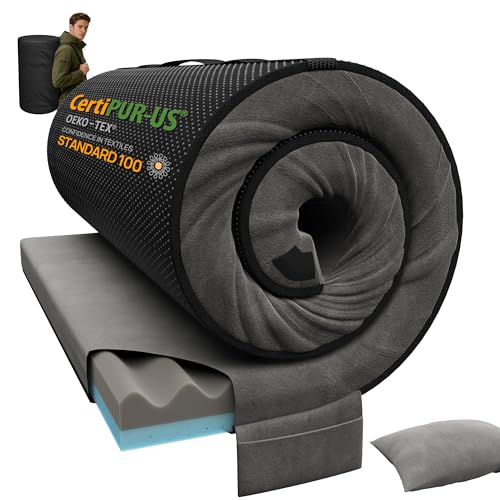
Releep 3 Inch Dual-Sided Memory Foam Camping Mattress

Teton Outfitter XXL Sleeping Pad for Cot

OGERY Self Inflating Sleeping Pad with Electric Pump, 3.15″ Memory Foam

POYNUC Memory Foam Camping Mattress, 3 Inch Waterproof

MLILY Memory Foam Camping Mattress 2.5 Inch Cot Pad

OGERY Self-Inflating Sleeping Pad, 3″ Memory Foam

OGERY Double Sleeping Pad for Camping, 6″ Extra-Thick
OGERY Sleeping Pad for Camping, 6″ Extra-Thick

Kingfun 3 Inch CertiPUR-US Memory Foam Camping Mattress Pad

OGERY Ultralight Inflating Camping Pad with 6″ Extra-Thick
More Details On Our Top Picks
The Releep pad is built around a 3-inch dual-layer construction that pairs a gel-infused memory foam top with a high-density support base. Gel-infused foam is memory foam blended with cooling gel beads or swirls, and it pulls heat away from your body so the surface doesn’t trap warmth the way traditional memory foam tends to. That matters on a cot in a warm tent, where a thick foam pad can otherwise feel like a slow cooker under your back.
You get a waterproof shell, a bundled portable pillow, and a carry bag that makes the rolled-up pad manageable for short carries from car to tent. Side sleepers in particular tend to benefit from the extra cushioning, since their hips and shoulders press harder into a cot than a back or stomach sleeper’s do. Compared to the firmer Teton Outfitter XXL that appears later in this roundup, the Releep leans softer and more contouring.
Good Reasons To Consider
- The gel-infused top layer helps reduce heat retention on warm nights.
- Three inches of layered foam cushions pressure points for side sleepers.
- The included pillow and carry bag save you from buying those separately.
- The waterproof cover lets you wipe off condensation or a wet tent floor.
- Rolls into a manageable tube for trunk storage between trips.
Things To Consider
- Foam pads this thick need time to fully off-gas after unrolling, so airing it out before a trip is wise.
- Heavier than ultralight inflatable options, which limits how far you can carry it from the car.
Key Specs
Who It Suits Best
Side sleepers and weekend car campers who want a soft, warm-feeling pad that doubles as a guest-bed topper at home.
Consider Something Else When
Backpackers should look at the OGERY Ultralight Inflating Camping Pad with 6″ Extra-Thick, which packs down smaller and weighs less for trail miles.
The Teton Outfitter XXL takes a different approach than the Releep: instead of contouring memory foam, it uses a 2.5-inch slab of poly-canvas-covered open-cell foam. Poly-canvas is a polyester-cotton blend fabric with a soft, brushed feel and the durability of canvas, which is why it shows up in workwear and military surplus. The pad feels more like a firm mattress topper than a pillowy sleep surface, and it stays put on the cot thanks to slip-resistant loops that anchor it to the frame.
You end up with a pad that prioritizes durability and a flat, stable feel over plush softness. Long-term car campers and rental-cabinet owners tend to gravitate toward this style, because it shrugs off years of stuffing into a duffel bag. The XXL footprint also suits taller sleepers and anyone who has felt standard cot pads end at their shoulders.
The Case For It
- Poly-canvas cover holds up well to repeated roll-ups and storage.
- Slip-resistant loops stop the pad from sliding off a cot during restless sleep.
- The extra-wide XXL cut fits taller sleepers without leaving shoulders on bare fabric.
- Firm foam gives you a stable, non-sinky surface that back sleepers often prefer.
Honest Caveats
- Firmer than memory foam pads, so side sleepers may need extra cushioning.
- Open-cell foam can absorb moisture if stored damp, so it needs full drying before packing away.
- Bulkier to roll than thinner ultralight options.
Built With In Mind
Back sleepers and car campers who camp two or more weekends a month and want a pad that takes abuse without complaint.
Look Elsewhere When
Side sleepers chasing a softer feel will be happier with the Releep 3 Inch Dual-Sided Memory Foam Camping Mattress, which contours around pressure points.
The standout feature on this OGERY is the detachable electric pump, which charges via USB-C and inflates the pad in roughly 40 seconds. Self-inflating pads normally expand on their own once you crack the valve, but adding air with a pump lets you dial in firmness, and a built-in pump removes the step of packing a separate inflator. You pull the trigger, the pad fills, and you skip the lung-burn that hand-pumping foam-core pads can produce at altitude.
Inside the 3.15-inch construction sits a memory foam layer that gives you the contouring the all-foam Releep offers, while the outer air shell adds adjustable firmness. For parents setting up cots at a campground or anyone who finds tent setup physically taxing, that convenience is genuinely valuable. The pad works fine on a cot frame or directly on a tent floor, depending on the trip.
Practical Advantages
- USB-C rechargeable pump recharges from a power bank or car charger.
- Three-plus inches of memory foam cradles shoulders and hips more than flat foam does.
- Adjustable firmness lets you tune the pad to your sleep style.
- The detachable pump can be stored separately to save pad thickness when packing.
Points To Keep In Mind
- Electric pumps need a charged battery to be useful, so dead cells mean hand-pumping.
- Foam-and-air hybrids weigh more than pure inflatable pads and pack larger.
- Memory foam can trap warmth on muggy nights without ventilation.
Feature Snapshot
The Right Fit
Campers who want foam comfort without the workout of blowing up a hybrid pad by mouth, especially at higher elevations where the air is thinner.
A Better Fit Elsewhere
Backpackers should consider the OGERY Ultralight Inflating Camping Pad with 6″ Extra-Thick, which trims weight and bulk for trail miles.
The POYNUC pad stands out for combining CertiPUR-US and Oeko-TEX certified foam with a ventilated open-cell design. CertiPUR-US is a foam certification program that screens for content like heavy metals and formaldehyde, while Oeko-TEX covers textiles tested for harmful substances. Both matter if you sleep close to the foam surface and want some assurance about what you are breathing in overnight.
The 3-inch profile splits into a 1-inch slow-rebound memory foam top and a 2-inch high-density support base, which mimics the layered approach of the Releep pad reviewed earlier. A waterproof shell and non-slip bottom keep the pad stable on a cot, and the breathable cover helps air move through instead of sealing in heat. It doubles nicely as a guest-bed topper when overnight visitors show up.
Standout Benefits
- CertiPUR-US foam content certification for lower chemical emissions.
- Oeko-TEX cover certification for skin-friendly textiles.
- Ventilated open-cell design improves airflow versus sealed foam pads.
- Waterproof shell protects against tent moisture and spills.
Soft Spots
- Foam pads need airing out before first use to release packaging odors.
- Not as packable as inflatable pads for long carries from the trailhead.
Spec Overview
Perfect Match For
Campers with chemical sensitivities, families with kids sleeping close to the pad, and anyone who wants foam comfort with documented material certifications.
Swap It Out When
Weight-conscious campers should consider the OGERY Ultralight Inflating Camping Pad with 6″ Extra-Thick for a lighter pack footprint.
The MLILY pad comes in at 72 by 24 by 2.5 inches, which lines up with the standard narrow cot dimensions you see on most single cots on the market. That narrow cut is the main selling point: instead of an oversized pad that overhangs the cot, you get a snug fit that stays centered and doesn’t bunch at the edges. MLILY also makes a wider Twin XL version if you need more surface area.
Inside sits a memory foam top over a Flex Support Foam base, wrapped in a 100% polyester cover with a waterproof and non-slip bottom. At 2.5 inches, it’s a touch thinner than the 3-inch pads higher on this list, which makes it lighter to haul and easier to fit in a trunk alongside other gear. Side sleepers may want to layer a blanket underneath for extra hip cushion, depending on body weight.
Real-World Strengths
- 72-by-24 footprint matches standard narrow cot dimensions for a clean fit.
- Polyester cover feels smooth against the skin and resists sticking in warm weather.
- Non-slip bottom keeps the pad centered on cot fabric overnight.
- Available in a wider Twin XL size for sleepers who want more room.
Small Caveats
- At 2.5 inches, it offers less cushion than the 3-inch pads above.
- Polyester covers can feel clammy in humid conditions.
Best Suited To
Standard single cot owners who want a pad designed to match their frame without overhang or bunching.
Another Choice May Suit
Campers with broader cots or wider shoulders should look at the Teton Outfitter XXL Sleeping Pad, which adds extra width.
This OGERY self-inflating pad strips the electric pump off the other OGERY model reviewed earlier and goes back to basics: crack the valve, the foam core pulls air in, then top it off with a few breaths. That makes it lighter and cheaper, and you lose nothing if you don’t mind a bit of lung work at setup. Inside sits a 3-inch memory foam layer that gives you the contouring you’d expect from a foam pad.
The hybrid design works well across use cases: drop it on a cot for extra cushion, lay it on a tent floor for direct ground sleeping, or pull it out when guests need a foam topper. Compared to pure memory foam pads like the Releep, you gain a smaller packed size because the foam compresses when deflated. For most weekend campers, that’s a fair trade.
A Few Highlights
- Self-inflating core means you can mostly skip hand-pumping.
- Three-inch memory foam still contours to shoulders and hips.
- Deflates to a smaller packed size than pure foam pads.
- Versatile enough for cot, tent floor, or guest-bed duty.
Things To Consider
- No electric pump means hand-topping off at higher altitudes.
- Foam core can trap heat in warm weather despite air circulation.
Who Should Grab It
Campers who want one pad that moves between cot, tent, and house without needing a pump or full foam bulk.
Reach For A Different Pick When
Anyone who dislikes manual inflation should consider the OGERY Self Inflating Sleeping Pad with Electric Pump, which automates the setup.
The OGERY Double is built for two people sleeping side by side, with a 6-inch tubular air column system that supports both bodies without sagging in the middle. Tubular air columns are vertical air chambers that run the length of the pad, similar in concept to the baffles in a high-end inflatable mattress. The result is a flat, even surface where neither sleeper rolls toward the center, which is a common complaint with cheaper double pads.
Six inches of loft also helps insulate you from cold ground, since thicker air pads trap more warmth between you and the tent floor. At that height, you essentially get a mattress-height sleep experience, and it works whether you’re setting up in a family tent or laying it across two cots pushed together. Setup is hand-pump inflation, which takes longer on a pad this size, but most campers find the comfort tradeoff worth it.
Benefits That Matter
- Tubular air columns prevent the middle sag that plagues most double pads.
- Six inches of loft insulates against cold ground and rough surfaces.
- Wide enough to share without touching elbows all night.
- Functions as a guest-bed mattress at home when not on a trip.
Worth Noting
- Hand-pumping a 6-inch double pad takes more effort than smaller pads.
- Bulky pack size means it’s car-camping only, not backpacking.
Made For
Couples and parents camping with older kids who want a shared sleep surface that doesn’t drift toward the middle overnight.
Skip It When
Solo campers will be better served by the OGERY Self-Inflating Sleeping Pad, 3″ Memory Foam, which is sized for one and packs smaller.
This single-person OGERY pad inflates to 79 by 27.5 by 6 inches, which gives you a real mattress profile rather than the thin foam-topper feel of cheaper pads. The reinforced design uses internal air columns that distribute weight evenly across the surface, so side sleepers don’t bottom out on hard ground and restless sleepers don’t trigger that hammock-like sway. It’s noticeably plusher than the 3-inch foam pads higher on this list.
The trade-off is inflation time, and the manufacturer specifically notes that you should let the air chamber fully rebound between pump strokes for better efficiency. That sounds minor, but at 6 inches of loft it adds up to a few extra minutes at setup. For campers who drive to a site and unpack once, that’s a fine trade for a sleep that genuinely rivals a home mattress.
Reasons It Performs
- Six-inch loft gives genuine mattress-height comfort on hard ground.
- Reinforced air columns keep weight distribution even across the surface.
- Side sleepers benefit from the depth, which prevents hip and shoulder pressure.
- Better ground insulation than 2- to 3-inch pads in cold weather.
Things To Consider
- Slower to inflate than thinner pads, especially without a pump.
- Larger packed size makes it car-camping only.
- Heavier than ultralight inflatables by a meaningful margin.
Quick Facts
Whose Shelf It Belongs On
Campers prioritizing sleep quality over pack size, especially side sleepers who press hard into their sleep surface.
Where A Sibling Pick Shines
Backpackers will find the OGERY Ultralight Inflating Camping Pad with 6″ Extra-Thick far easier to haul down the trail.
The Kingfun pad is a straightforward roll-up memory foam mattress with a CertiPUR-US foam certification and a waterproof shell. Roll-up foam pads have been around for decades, and the appeal is simple: no inflation, no pump, no setup beyond unrolling and giving the foam a few minutes to flatten out. The waterproof cover handles condensation and the occasional wet tent floor without soaking through to the foam.
It works equally well as a tent floor pad or as a guest-bed topper at home, which makes it one of the more versatile picks on this list. Compared to the POYNUC pad reviewed earlier, the Kingfun keeps the certification angle but skips the ventilated open-cell design, so it can run warmer in summer. Most car campers won’t notice, but hot-weather backpackers might.
Real Benefits
- No inflation needed; just unroll and let the foam expand.
- CertiPUR-US certified foam for screened content.
- Waterproof cover handles tent condensation and minor spills.
- Doubles as a guest-bed topper when not in the field.
Trade Offs
- Heavier than inflatable pads for the same thickness.
- Needs airing out before first use to release packaging smell.
Right Fit For
Car campers and guest-bed hosts who want a no-fuss foam pad that rolls up small for storage between uses.
Not Your Match When
Hot-sleepers and ventilated-foam seekers will prefer the POYNUC Memory Foam Camping Mattress, which uses an open-cell design for better airflow.
For backpackers and bike-packers, the OGERY Ultralight version delivers 6 inches of loft while cutting the weight and pack size that usually come with that thickness. The internal tubular air belt keeps the pad supportive when you’re lying on roots and rocks, and the lighter overall mass makes it easier to justify hauling into the backcountry. Most ultralight inflatables at this thickness still pack down to roughly the size of a Nalgene bottle.
You give up the contouring feel of memory foam, since this is an air-only pad with internal baffles rather than a foam core. Side sleepers and restless sleepers benefit most from that design, because the pad won’t compress asymmetrically under a hip or shoulder. Compared to the larger OGERY 6-inch pad reviewed earlier, this one is tuned for trail mileage rather than car camping.
Why It Works Well
- Six inches of loft without the bulk of a foam-core pad.
- Tubular air belt keeps support even on uneven ground.
- Packs small enough to fit in a backpack without dominating space.
- Works on a cot or directly on tent floors.
Where It May Fall Short
- Air-only construction can feel less warm than foam on cold nights without a closed-cell foam underneath.
- Hand-pumping any 6-inch air pad takes a few minutes at setup.
Key Product Details
Who Will Love This
Backpackers, hikers, and bike-packers who want real loft without the weight penalty of a foam-core pad.
Where Another Pick Suits Better
Car campers prioritizing a softer, foam-conforming feel should look at the Releep 3 Inch Dual-Sided Memory Foam Camping Mattress instead.
What To Weigh Before Choosing a Camping Cot Pad
Picking the right camping cot pad starts with your sleep style. Side sleepers press into the surface with their hips and shoulders, so they need at least 3 inches of foam or 4-plus inches of air to prevent pressure points. Back and stomach sleepers usually get away with thinner pads because they distribute weight more evenly across the surface.
Cot compatibility matters as much as the pad itself. Standard single cots run roughly 72 to 75 inches long and 24 to 25 inches wide, while wide cots push 30 inches or more. A pad that overhangs the frame bunches at the edges and looks sloppy, while a pad that’s too narrow leaves your shoulders on bare cot fabric. Measure your cot’s sleeping surface and match the pad cut to those dimensions rather than guessing.
Setup style changes the daily experience more than people expect. Self-inflating pads trade foam weight for the convenience of cracking a valve and watching the pad fill itself, while pure air pads pack smaller but require pump time. Roll-up foam pads have no inflation step at all but eat trunk space and add weight. Climate also plays a role: foam traps heat in summer, while air-only pads feel colder against the ground in shoulder seasons without an insulating layer underneath.
For frequent users, durability and certifications deserve attention. Poly-canvas covers and reinforced air baffles handle years of stuffing into duffel bags better than thin polyester shells. CertiPUR-US foam and Oeko-TEX textile certifications signal screened material content, which matters for households sleeping close to the foam surface night after night.
Key Considerations Across These Picks
Where Shoppers Go Wrong
Most pad regrets trace back to thickness underestimation. A 2-inch foam topper feels fine on a soft mattress at home but reads like a thin towel on a taut cot surface. Shoppers also assume “self-inflating” means zero manual pumping, when in reality you still top off with a few breaths to reach full firmness. Finally, picking a pad wider than the cot frame wastes material and weight without adding usable sleep surface.
When Paying More Pays Off
Higher-tier pads earn their keep through better materials and smarter construction. Reinforced air columns prevent the middle sag that cheap double pads develop within months, gel-infused foam reduces heat retention that traditional memory foam traps, and certified foam content gives you documented material screening. For campers who sleep outside more than a handful of nights per year, those upgrades tend to outlast the savings of a budget pick.
Frequently Asked Questions
How thick should a camping cot pad be?
Most side sleepers need at least 3 inches of foam or 4 inches of air to cushion hips and shoulders. Back sleepers usually get by with 2 to 2.5 inches, while stomach sleepers can go thinner without discomfort.
Can a foam camping cot pad go on a tent floor instead of a cot?
Yes. Roll-up foam pads and self-inflating pads both work on bare tent floors, which is useful for backpack-style trips without a cot frame. Foam pads add insulation against cold ground better than thin air pads alone.
Do self-inflating pads really inflate themselves?
They expand automatically once you crack the valve, but you still need to top them off with a few breaths or a pump to reach full firmness. Manufacturers often quote full inflation time including this manual step.
How do I clean a camping cot pad?
Most foam and hybrid pads wipe down with mild soap and water on the waterproof cover, then air dry fully before rolling up. Avoid machine washing, since it can damage foam cells and the waterproof laminate.
Will a camping cot pad fit a wide cot?
Only if the pad is sized for it. Standard narrow pads run roughly 24 inches wide and leave shoulders on bare fabric on wider cots. Look for wide-cut or Twin XL options if your cot spans 30 inches or more.
Closing Thoughts
The right camping cot pad comes down to how you sleep, where you camp, and how much weight you can carry. Foam pads deliver contouring comfort for car campers and guest-bed duty, air pads pack small and inflate thick for backpackers, and hybrids split the difference. Match the dimensions to your cot frame, pick the thickness your sleep style demands, and your next night outside will feel noticeably better than the last one.