
A weekend at the campsite goes south fast when the sun beats down or the rain starts sideways. The right canopy turns a sweltering, soggy pitch into a livable basecamp, and the wrong one buckles the first time the wind picks up. This guide covers seven options built for car campers, tailgaters, festival regulars, and backyard hosts who need shelter they can set up alone.
The Choices Worth Comparing

Sportneer Pop-Up Mosquito Net Tent

MFSTUDIO 10×10 Pop Up Canopy Tent

COBIZI 10×15 Heavy Duty Pop Up Canopy Tent
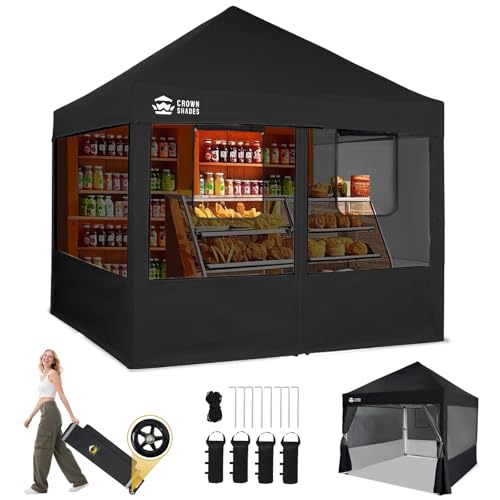
CROWN SHADES 10×10 Pop Up Canopy

COBIZI 10×10 Pop Up Canopy with Awning

COBIZI 10×20 Pop Up Canopy with Awning

Aoxun 12x12ft Pop Up Canopy Screen Tent
The Details Behind The Selections
Where most canopies start with poles and fabric, this one starts with mesh. The Sportneer Pop-Up Mosquito Net Tent is built to throw over a cot or sleeping pad and keep mosquitoes, no-see-ums, and spiders out of your face overnight. At roughly 86.6 by 33.5 by 35.4 inches, it stretches long enough to cover a standard camping cot with room to spare.
The pop-up frame means you free it from its strap, toss it in the air, and it springs into shape without a single pole to thread. It’s a different beast from the larger 10×10 gazebos below, so think of it as a sleeping accessory rather than a gathering shelter. For hammock campers and cot sleepers in buggy country, it solves the one problem a tarp can’t.
Where It Helps
- Truly instant setup: the spring steel ring snaps open the moment you let go
- Breathable fine mesh keeps airflow strong on muggy nights
- Packs down small enough for a paddle bag or daypack
- Doubles as an indoor sleep screen for guest beds or kids’ rooms
- Single sleepers get full coverage without dragging a full tent
Worth Noting
- The figure-eight fold takes practice before it feels natural
- Single-occupant design leaves no headroom for sitting upright
- Mesh offers no rain protection on its own
Made For
Cot sleepers and hammock campers who deal with relentless mosquitoes at the trailhead or backcountry cabin.
Where Another Pick Suits Better
The Aoxun 12×12 Screen Tent gives the same bug-blocking mesh with standing headroom for groups, so choose it for shared family space.
The MFSTUDIO 10×10 Pop Up Canopy earns its place by being the canopy one person can set up alone. A single central button and no-pinch height adjusters let you extend the frame, lock the trusses, and walk the legs out without a second pair of hands. For solo tailgaters, market sellers, or anyone tired of begging for help, that one-push mechanism is a real win.
The 10×10 footprint covers a standard picnic table with room for chairs around it. The fabric top is water-resistant and rated UPF 50+ (meaning it blocks over 98 percent of UV rays), so it handles both midday sun and passing showers. It’s lighter than the heavy-duty COBIZI picks further down, which makes sense for occasional use rather than commercial duty.
Real Benefits
- One-push center button removes the hardest part of canopy setup
- UPF 50+ rated top shields skin and gear from harsh sun
- Adjustable leg height adapts to uneven grass and pavement
- Light enough to fit in a hatchback with chairs and a cooler
Trade Offs
- Wind tolerance drops without added stake weight or sandbags
- No sidewalls included for sun angle or privacy
- Fabric is water-resistant, not fully waterproof in heavy rain
Who It Suits Best
Solo campers, day-event hosts, and tailgaters who set up alone and want shade in under two minutes.
Consider Something Else When
The CROWN SHADES 10×10 adds detachable mesh walls, which makes it a stronger fit for outdoor food service.
Step up from the 10×10 crowd and the COBIZI 10×15 gives you 50 percent more floor area without doubling the weight class. The frame is powder-coated steel with rectangular tubing on the legs (30 by 30 by 0.65 mm) and a beefier cross tube (13 by 25 by 0.66 mm), which the brand says supports up to 300 pounds of distributed hanging weight. That’s enough for lighting, banners, or a row of hammocks at a family reunion.
Sidewalls come in the box, so the canopy closes off into a private room once you zip them up. For vendors and crews running a booth across multiple days, that enclosed space protects product and people from crosswinds. Compare that to the MFSTUDIO above, which leaves you fully open on all sides.
Notable Upsides
- Rectangular steel frame resists flex and rust better than round tubing
- Enclosed sidewall setup blocks sun angle and prying eyes
- 150 square feet fits a six-person table spread
- Sturdy enough for hanging lights, signage, and small gear
Honest Caveats
- Bulky carry bag, so a second person helps at load-in
- Two-person setup is the realistic minimum for most users
- Stakes and weights sold separately for serious wind
Feature Snapshot
Best Suited To
Vendors, event crews, and group campers who need standing-room shelter that holds up across a full weekend.
Look Elsewhere When
The COBIZI 10×20 with awning is a stronger fit for weddings and markets where you need more covered floor and a built-in shade extension.
The CROWN SHADES 10×10 Pop Up Canopy comes with bug control baked into the design. Four detachable mesh walls arrive in the box: two mid-zip walls with pass-through windows and two standard panels. That combination is rare in this category and turns the canopy into a usable food booth or family dining room in one move.
Underneath, the brand points to an 8-way reinforced frame for stability across multiple setups. The mesh walls zip closed, so flies stay out while airflow continues. If you’re hosting a backyard dinner party, running a bake sale, or serving at an outdoor festival, this is the pick that handles the guest list and the insects at the same time.
Strengths Worth Knowing
- Mid-zip walls let servers pass food through without opening the whole panel
- Mesh keeps mosquitoes out without trapping heat
- Modular walls remove for open-sided shade when you want it
- Compact 10×10 footprint fits most driveways and decks
Things To Consider
- Mesh walls don’t block rain the way solid fabric does
- Zippered walls take longer to deploy than open frames
- Sandbags recommended for paved surfaces
Key Product Details
Who Will Love This
Backyard hosts, food vendors, and potluck organizers who need a clean, enclosed serving space outdoors.
Not Your Match When
Pick the MFSTUDIO 10×10 if you don’t need the mesh walls and want the lightest solo-setup option in this list.
Most 10×10 canopies max out at 100 square feet of coverage. This COBIZI model adds a detachable awning that extends another 23 square feet of shade, bringing total coverage to about 120 square feet. That extra rectangle is enough to park a drink station, a register table, or a row of stools outside the main canopy footprint.
The upgraded alloy steel frame and UPF 50+ top fabric handle sun and light rain, while the included sidewalls seal the perimeter when needed. It is a step up in footprint flexibility from the MFSTUDIO without jumping all the way to the 10×20 beast below.
Bright Spots
- Detachable awning expands usable space without buying a second canopy
- UPF 50+ top fabric keeps harshest UV off people and products
- Sidewalls included for full enclosure when weather shifts
- Alloy steel frame balances weight and rigidity for travel
Points To Keep In Mind
- Awning adds setup steps and a second set of stakes
- Carry bag gets heavier than a standard 10×10
- Best on flat ground for proper awning tension
Perfect Match For
Market vendors, party hosts, and small business booths who want extra shaded floor without doubling their gear.
Reach For A Different Pick When
The COBIZI 10×20 with awning is a stronger fit for events where you need maximum covered floor and don’t mind a heavier load.
The COBIZI 10×20 Pop Up Canopy is the heavyweight in this roundup. A detachable 45-square-foot awning pushes total shaded coverage to roughly 232 square feet, enough to seat a long wedding head table, line up vendor booths, or shelter a row of cots. At about 112 pounds, it earns that footprint by leaning into a thicker central support structure.
Removable sidewalls give it the same enclosed-room option as the smaller COBIZI pick above. The UPF 50+ top fabric and waterproof coating target longer events where weather shifts are real. For anyone running a wedding, a weekend market, or a large family reunion, this is the canopy that handles the guest list without forcing anyone into the sun.
What Pays Off
- 232 square feet covers full event layouts in one footprint
- Detachable awning shades a separate table or service area
- UPF 50+ top fabric protects guests and food from midday sun
- Removable sidewalls adapt to open-air or enclosed setups
Possible Compromises
- 112-pound frame weight calls for two people and a wagon
- Longest setup time in this list, plan for a 15-minute build
- Larger carry bag needs SUV or truck cargo space
Built With In Mind
Wedding hosts, large market operators, and family reunion organizers who need real square footage for many guests.
A Better Fit Elsewhere
The MFSTUDIO 10×10 is the better choice for solo tailgaters who want quick shade without hauling a重型 frame to the site.
The Aoxun 12×12 Screen Tent is the only model here that closes in fully with mesh walls on every side. Built around 300D Oxford fabric (a heavy-duty polyester weave known for abrasion resistance) for the roof and fine polyester mesh for the walls, it claims to block more than 99 percent of UV rays while letting air move freely. The 12 by 12 square footprint gives a family or small group room to spread out.
Fiberglass poles, reinforced wind ropes, and ground stakes come standard, so it leans into serious outdoor duty. Think lake weekends, state park trips, and bug-heavy backyards where a regular canopy leaves too many gaps. Compared to the CROWN SHADES 10×10 above, you trade footprint shape for full enclosure.
What It Does Well
- Four-sided mesh turns the canopy into a true screen room
- 300D Oxford roof outlasts thinner polyester tops
- Fiberglass poles stay flexible under wind gusts
- Blocks biting insects at the lake or river
A Few Limitations
- Heavier packed size than the 10×10 picks in this list
- Two-person setup is realistic for first-time users
- Mesh walls trade rain protection for airflow
The Right Fit
Family campers and lake house regulars who treat their canopy as a screened living room at the campsite.
Swap It Out When
The Sportneer Pop-Up Mosquito Net Tent is the smarter pick for solo sleepers who just want bug protection over a cot.
What To Weigh Before Choosing Camping Canopy Tents
Footprint and Group Size
Start with how many people need shade at once. A solo tailgater or small family can live inside a 10×10 footprint with room to spare, while vendor booths and weddings generally need at least 10×15. Measure your typical site in advance, including tree cover and slope, so the canopy you bring actually fits the ground you have.
For driveways and small decks, a compact 10×10 keeps neighbors happy and avoids blocking walkways. Larger 10×20 frames eat real estate fast, so the trade-off is coverage versus portability.
Frame Material and Stability
Steel frames handle weight, hanging accessories, and repeated setups but add pounds to your vehicle. Fiberglass poles flex with the wind and stay lighter, which helps on hike-in sites. Powder-coated finishes resist rust if you store the canopy in a damp garage or shed between trips.
For windy regions, look for reinforced crossbars, leg braces, and a frame warranty that goes beyond the first season. Owners commonly report that cheaper round tubing bends faster than rectangular steel under stress.
Fabric Rating and Weather Coverage
A UPF 50+ top fabric blocks over 98 percent of UV rays and keeps skin and food safer under midday sun. Waterproof coatings matter more than water-resistant ones for storms, though most pop-up canopies handle drizzle well enough. Sidewalls, whether mesh or solid, change how the canopy behaves in wind and rain.
Mesh walls like those on the CROWN SHADES and Aoxun models trade rain protection for airflow and bug control. Solid sidewalls on the heavier COBIZI models keep wind-driven rain out at the cost of trapped heat.
Setup Method and Solo Use
One-push center buttons and spring-loaded frames let a single person deploy a canopy in under two minutes. Two-person setups are realistic for the 10×15 and larger footprints, especially when awnings and sidewalls enter the mix. Practice the fold-down sequence at home before the first event so the storage bag actually closes on the way out.
Key Considerations Across These Picks
Common Buying Slip Ups
Shopping by footprint alone leads to undersized frames that buckle in the first strong gust. Always check the leg tubing thickness, the cross brace layout, and whether sandbags or extra stakes are part of the package. A 10×10 with a heavy steel frame outlasts a 10×15 with thin tubing every time.
Another common miss is ignoring sidewall and awning compatibility. Some canopies accept walls only with brand-specific kits, which adds cost later. Decide whether you need walls before you buy, not after the first buggy evening.
What The Higher Tier Buys
Premium canopies invest the extra money in heavier steel frames, reinforced trusses, and fabric with verified UPF ratings. They also include sidewalls, awnings, and roller bags that make transport easier over the long haul. You may find the upgrade worth it if you set up more than three times a season, host paying events, or camp in unpredictable weather.
For occasional backyard use, a lighter one-push model gets the job done at a lower cost. The honest read is that the jump to heavy-duty pays off when setup frequency and weather exposure both climb.
Frequently Asked Questions
How big should a camping canopy tent be?
Solo campers and small families do well with a 10×10 footprint, since it covers a picnic table and a few chairs comfortably. Vendor booths and event hosts generally need at least 10×15, and weddings or markets benefit from a 10×20 layout.
Are pop-up canopies hard to set up alone?
Modern pop-up frames with one-push center buttons are designed for solo setup, and the 10×10 models in this list typically deploy in under two minutes. The larger 10×15 and 10×20 canopies generally need a second pair of hands, especially when sidewalls and awnings go on.
What does UPF 50+ actually mean?
UPF stands for Ultraviolet Protection Factor, and a rating of 50+ means the fabric blocks over 98 percent of UV radiation. It is the clothing and shade equivalent of high-SPF sunscreen and helps protect skin and gear during long days outdoors.
Can I leave a pop-up canopy up overnight?
Pop-up canopies can stay up overnight in calm weather, but most manufacturers recommend taking them down for wind or rain. Leaving one deployed in a storm risks bent frames, torn fabric, and water pooling on the roof that no pop-up is built to handle.
Do I need sidewalls with a camping canopy?
Sidewalls add privacy, block low-angle sun, and keep insects out, which makes them worth it for dining setups and food service. Open-sided canopies work fine for shade over chairs and coolers, so the decision depends on how you plan to use the space.
Wrap Up
The right camping canopy tent depends less on brand and more on how you actually use it. Solo tailgaters and small families can stay light with a 10×10 one-push model, while event hosts and vendors step up to the heavy-duty COBIZI frames for real square footage. Match the footprint to your guest list, the fabric rating to your sun exposure, and the sidewall setup to your bug and weather reality. Pick the canopy that fits the way you camp, and the weekend gets easier before you even leave the driveway.