A bad night’s sleep on hard ground turns a great trip into a forgettable one. The right camping bed turns a tent into a comfortable retreat, whether you’re car-camping with family, hosting kids at a sleepover-in-the-yard, or squeezing in a backcountry night. This roundup covers cots with built-in tents, self-inflating foam mattresses, and lightweight pack-and-go designs so you can match your sleep setup to your trip style.
The Choices Worth Comparing
PickWhy We Picked ItBest ForAction

Comfort ChoiceReleep 3 Inch Dual-Sided Memory Foam Camping Mattress
Plush home-bed feel outdoors
Car campers and guests
Family FriendlyDisc-O-Bed Youth Double Cot Kid-O-Bunk
Stackable bunk for kids
Family trips and sleepovers
Heavy Duty PickLost Horizon Option3 Self-Inflating Foam Camping Mattress, Queen, 4.5″
Thick foam, high capacity
Couples and tall sleepers
Outdoor ReadyKamp-Rite Tent Cot Original Size Tent Cot (Green)
Elevated tent-bed hybrid
Bug-free backcountry nights
Built To LastColeman ComfortSmart Big & Tall Cot with Mattress Pad
Reinforced steel frame cot
Big and tall sleepers
Travel ReadyTIMBER RIDGE 20-Second Quick Set-Up Camping Cot
Travel ReadyTIMBER RIDGE 20-Second Quick Set-Up Camping Cot
Lightning-fast setup cot
Fast-pack campers and road trips
Compact ChoiceLost Horizon Option3 Self-Inflating Foam Camping Mattress, Twin, 4.5″
Foam comfort in a single
Solo backpackers and tent sleepers
Helpful ChoiceKamp-Rite Oversized Tent Cot
Roomy elevated shelter
Tall adults and gear storage
Solid All-RounderLost Horizon Option3 Self-Inflating Foam Camping Mattress, Full, 4.5″
Mid-size foam pad for two
Couples in midsize tents
Meet The Standout Selections
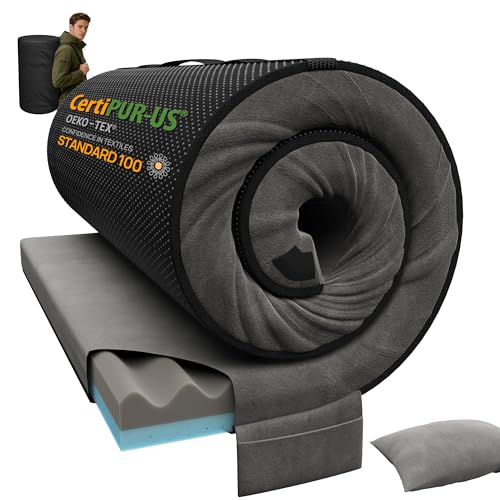
The Releep pad borrows its comfort philosophy straight from home bedding. A 3-inch profile pairs gel-infused memory foam with a denser support layer underneath, so you get the cradling feel of a residential mattress in something you can roll up and stash in a trunk.
This one shines for car campers, van-lifers, and anyone hosting guests who’d rather skip the air mattress. The waterproof shell is genuinely useful for damp ground or accidental spills, and the bundled pillow saves packing a separate one. You may find it bulky for backpacking, but for tent-based trips it behaves more like a portable guest bed than a thin sleeping pad.
Everyday Wins
- ✓Three inches of layered foam feels closer to a home mattress than a thin pad, helping side-sleepers avoid pressure-point soreness.
- ✓The waterproof cover shrugs off condensation under the tent floor and wipes clean after muddy trips.
- ✓A portable pillow and carry bag ship in the box, so you skip the accessory hunt.
- ✓Rolls up tight enough to fit a sedan trunk, which matters for families packing around four of these.
Things To Consider
- •Foam absorbs heat on warm nights, so summer campers in humid climates may find it sleeps warmer than an air-only pad.
- •It’s heavier and bulkier than ultralight backpacking options, which limits its appeal on long-mileage trips.
Feature Snapshot
| | Feature | Specification | Why It Matters |
|---|
| Thickness | 3 inches | Provides enough depth for side-sleepers and reduces the feel of roots under the tent floor. |
| Foam Type | Dual-layer memory foam and high-density support foam | Combines cradling comfort with the stable base needed for spinal alignment. |
| Cover | Waterproof outer shell | Keeps damp ground and spills from soaking through to the foam core. |
| Includes | Portable pillow and carry bag | Saves shopping for separate accessories and simplifies transport. |
Right Fit For
Car campers, family-tent campers, and anyone hosting guests who want a near-home feel without hauling a full mattress.
Skip It When
Reach for the Lost Horizon Option3 Twin instead, since backpackers and solo tent sleepers benefit more from a lighter self-inflating pad.
Most kid sleep setups are just smaller versions of adult gear, but the Kid-O-Bunk is built ground-up for campers aged roughly 7 to 12. Two individual cots stack into a bunk, and the included adapters let you run them side-by-side, single-tier, or stacked high.
The 200-pound capacity per cot leaves room for parents reading bedtime stories, and the carry bags mean the system travels as neatly as it sets up. Compared with the Releep pad above, this option prioritizes sleeping off the ground over softness, which suits restless kids who toss and turn more than they settle into foam.
Good Reasons To Consider
- ✓Stackable bunk configuration doubles sleeping space without doubling tent footprint.
- ✓200-pound per-cot capacity gives a long useful life as kids grow and as friends pile in.
- ✓Carry bags and locking straps keep everything contained during transport and overnight.
- ✓Elevated design keeps children away from cold ground and crawling critters.
Points To Note
- •The 200-pound cap won’t serve teens or adults as they grow out of the size range.
- •It needs a fairly roomy tent to fit the full bunk footprint.
Who It Suits Best
Families with elementary-age kids, plus scout troops running tent cabins and backyard sleepover hosts.
A Better Fit Elsewhere
Adults and older teens will be happier on the Coleman ComfortSmart Big & Tall Cot, which handles taller sleepers and heavier use.
The Lost Horizon Option3 in queen size is built for couples and tall sleepers who’d rather stretch out than curl up. At 4.5 inches thick and roughly 13 pounds of foam filling, it pads out ground that would otherwise telegraph every pebble and root.
Self-inflating foam pads cut setup time dramatically. You crack the valve, let the open-cell foam pull air in, then top it off with a few breaths if you want extra firmness. The 440-pound capacity handles two adults without the dreaded middle sag, and unlike the Releep above, this one sleeps cooler because the foam breathes more freely than dense memory foam.
The Case For It
- ✓4.5-inch depth delivers tent-floor comfort that older 2-inch pads can’t match.
- ✓Self-inflating design eliminates the lung-power workout of fully inflatable pads.
- ✓Queen footprint suits couples who don’t want to feel the seam between two pads.
Things To Consider
- •Rolled size is sizable, so it demands real trunk space and a patient pack-down routine.
- •13 pounds of foam filling makes it heavier than air-only alternatives for the same surface area.
Best Suited To
Couples car-camping in larger tents and tall sleepers who want legroom and shared space.
Not Your Match When
Solo backpackers should look at the Lost Horizon Option3 Twin, which carries less weight and packs down smaller for the same foam comfort.
The Kamp-Rite Tent Cot is one of the original cot-and-tent hybrids, pairing an elevated sleeping platform with an attached shelter. For campers who hate wrestling with a separate rain fly or who camp in buggy zones, the all-in-one design removes a step from the setup routine.
You’re sleeping off the ground and inside an enclosed shelter at the same time, which cuts exposure to moisture and crawling insects. The polyester build keeps weight manageable, and the cot height makes getting in and out easier on stiff backs than floor-level pads. Compared with the foam-heavy picks above, this is a more rugged, less cushioned experience.
Useful Strengths
- ✓Integrated shelter eliminates the need to match a separate rain fly to your cot footprint.
- ✓Elevated platform keeps sleepers drier on wet ground and away from insects.
- ✓Polyester fabric construction balances durability with reasonable pack weight.
Worth Noting
- •Bulkier than a plain cot, so it needs a larger vehicle for transport.
- •Less forgiving than foam pads for side-sleepers who want cushion under shoulders and hips.
Built With In Mind
Backcountry campers in buggy or wet conditions who want shelter and sleep platform in one piece of gear.
Consider Something Else When
Comfort-first tent campers will appreciate the Releep Dual-Sided Mattress more, since foam beats taut fabric for plushness.
The Coleman ComfortSmart is engineered for sleepers who feel cramped on standard cots. A wider, longer deck pairs with a steel frame, and the bundled plush pad softens the support underneath so it behaves more like a folding bed than a cot.
Coleman’s ComfortSmart coil suspension spreads weight across the frame rather than letting it pool in the middle, which matters for adults approaching the cot’s stated weight rating. It folds down and fits in most car trunks, so it doubles as an extra guest bed at home. Versus the Kamp-Rite above, this cot trades the attached shelter for a more accommodating sleep surface.
The Helpful Details
- ✓Steel frame construction supports heavier sleepers without flex.
- ✓Included plush pad softens the sleep surface, helping with shoulder and hip comfort.
- ✓Wider deck fits campers up to roughly 6 feet 6 inches without forcing knees off the edge.
- ✓Folds compactly enough to double as a household guest bed.
Points To Keep In Mind
- •Heavier than aluminum-frame cots, so it isn’t the pick for long hikes to a campsite.
- •The bundled pad is a comfort upgrade, not a true memory foam layer, so very sensitive sleepers may still want extra padding underneath.
Who Will Love This
Big and tall campers, plus anyone hosting overnight guests who’d rather skip the air mattress routine.
Look Elsewhere When
Lightweight travelers should consider the TIMBER RIDGE Aluminum Cot, which shaves pounds off the pack for the same elevated sleeping experience.
The TIMBER RIDGE cot is built for campers who arrive at a site tired and want their bed up before the campfire settles in. The pre-attached frame and zipper design let you go from carry bag to lying down in roughly 20 seconds.
The aluminum frame keeps the cot’s weight near 7 pounds, which is a noticeable difference from the steel-frame Coleman above. A 225-pound capacity handles most adults for casual trips, and the compact folded size slides into a trunk without rearranging your cooler. You’ll sacrifice the deep frame of heavier cots, but for fast-pack trips and festival weekends, the trade feels right.
Strong Points
- ✓20-second setup removes the assembly friction that turns tired campers off cots.
- ✓Aluminum frame construction keeps pack weight around 7 pounds for easy hauling.
- ✓Compact folded footprint fits smaller trunks and shared cargo spaces.
Honest Caveats
- •225-pound capacity runs lower than heavier steel-frame alternatives.
- •Aluminum tubing feels more flexible under load than steel, which matters for restless sleepers.
Made For
Festival campers, road-trippers, and anyone setting up camp after dark who values speed over plushness.
Reach For A Different Pick When
Heavier adults will appreciate the Coleman ComfortSmart’s higher capacity and steel-frame stability.
The twin-size sibling to the queen pad above targets solo tent sleepers who want the same foam comfort in a tighter footprint. At 4.5 inches thick with roughly 8.5 pounds of foam filling, it balances cushion against packability better than the larger queen version.
You open the valve, the open-cell foam draws air in, and a few breaths top it off to your preferred firmness. The 300-pound capacity handles most adults, and the twin width fits a one- or two-person tent without crowding the floor. Compared with the Releep pad earlier in this list, this one sleeps cooler and feels firmer under the body.
Points In Its Favor
- ✓4.5-inch foam depth protects sleepers from rocky or rooty tent floors.
- ✓Self-inflating setup skips the lung-bursting effort of pure air pads.
- ✓Twin footprint fits standard one-person tents without crowding vestibule space.
Worth Bearing In Mind
- •Lighter foam filling means slightly less support than the queen version for heavier sleepers.
- •Still bulkier than an ultralight inflatable for serious mileage treks.
Who Should Grab It
Solo tent campers who want foam comfort without committing to queen-size bulk.
Where Another Pick Suits Better
Couples sharing a tent will prefer the Lost Horizon Option3 Full, which gives two sleepers room without forcing a tight squeeze.
The Oversized version of the Kamp-Rite Tent Cot trades the original’s compact footprint for a longer, wider deck. Tall adults who kicked their feet against the original’s end bar get the room they need here.
You still get the integrated shelter that makes the Kamp-Rite line appealing for backcountry use, plus enough deck space to stash a daypack or boots inside the tent without giving up sleeping room. The nylon fabric construction holds up to repeated packing and unpacking. Compared with the Coleman ComfortSmart above, this one prioritizes off-ground sleeping and weather protection over plushness.
A Few Highlights
- ✓Longer deck fits adults over 6 feet without forcing knees off the edge.
- ✓Integrated tent shelter removes the need to pair with a separate rain fly.
- ✓Nylon fabric handles repeated trips without wearing through at stress points.
Trade-Offs
- •Significantly larger packed size than the original Kamp-Rite, so it demands a bigger vehicle.
- •Heavier than backpacking cots, so it suits car-camping more than trail mileage.
Whose Shelf It Belongs On
Tall adults car-camping in buggy or wet environments who want an all-in-one elevated shelter.
Swap It Out When
Plush comfort matters more than shelter integration, in which case the Releep Dual-Sided Mattress delivers better sleep quality.
The full-size Option3 lands between the twin and queen in this same foam lineup. With 4.5 inches of thickness and roughly 12 pounds of foam filling, it suits two sleepers who don’t want a queen’s bulk but need more shoulder room than a twin allows.
The self-inflating valve does the heavy lifting on setup, and the 440-pound capacity handles two adults without the dreaded middle dip. For midsize family tents or couple setups where a queen feels excessive, this lands in the practical sweet spot. Versus the Kamp-Rite Oversized Cot above, this pad prioritizes cushion over elevation.
What It Does Well
- ✓Full-size footprint fits two adults without the spread-eagle feeling of a twin.
- ✓4.5-inch foam absorbs rocky ground better than thinner pads in the same price range.
- ✓Self-inflating mechanism trims setup time for tired campers at the end of a travel day.
Possible Compromises
- •12 pounds of foam adds noticeable weight to pack-down for shorter trips.
- •Full dimensions may crowd the floor of compact two-person tents.
Perfect Match For
Couples camping in midsize family tents who want foam comfort without committing to a queen-size pad.
Another Choice May Suit
Taller sleepers should consider the Kamp-Rite Oversized Tent Cot, which adds legroom and integrated shelter for rougher conditions.
Picking The Right Sleep Setup For Your Tent
Sleeping pad thickness changes the game more than most campers expect. A 2-inch pad barely separates you from sharp rocks and roots, while a 4-inch-plus pad behaves more like a residential mattress. Foam pads generally run thicker and warmer, while air-only pads pack smaller and sleep cooler.
Think about how you actually camp before deciding. Car campers can afford the bulk of a thick memory foam pad like the Releep or a heavy steel-frame cot like the Coleman ComfortSmart. Backpackers need to weigh every ounce, which tilts the choice toward self-inflating foam pads or ultralight cots. If bugs and damp ground are your usual headaches, an elevated cot-tent hybrid removes variables you’d otherwise plan around.
Capacity ratings matter more than people realize. A cot rated for 225 pounds feels different at 220 pounds than at 150, so leave headroom for restless sleepers, kids piling in, and the weight of a sleeping bag on top of you.
Key Considerations Across These Picks
Common Slip Ups Worth Dodging
Shoppers often buy a pad sized for their body without checking tent dimensions. A queen pad eats floor space in a two-person tent, leaving no room for a dog, a pack, or dry gear. Measure your tent floor before choosing pad size.
The second trap is matching pad rating to your lightest expected temperature. Foam pads insulate even when compressed, while air pads lose warmth the moment your body weight presses them flat. Either go thicker than you think you need, or pair an air pad with a closed-cell foam layer underneath.
Why The Higher Tier Costs More
Premium camping beds earn their price through better materials and engineering. A steel frame handles more abuse than aluminum, and high-density foam resists body impressions over years of use. The extra dollars buy longevity and comfort for campers who use their gear weekly rather than twice a summer.
If your camping amounts to a couple of weekends a year, mid-tier options deliver most of the comfort at a fraction of the price. Frequent campers, big-and-tall sleepers, and anyone who treats tent sleep as a serious pursuit benefit most from the upgrade.
Frequently Asked Questions
QWhat thickness of camping pad do most tent campers actually need?
Three to four inches handles rocky ground and side-sleeping comfort for most adults. Anything thinner and you feel the terrain; anything thicker and you’re carrying extra weight and bulk you may not use.
QAre self-inflating pads easier than air-only pads for tent camping?
Self-inflating foam pads cut setup time because the open-cell foam pulls in air on its own. You still top them off with a few breaths, but you skip the lung-bursting inflation routine that air-only pads demand.
QCan a camping cot fit inside a standard two-person tent?
Most camping cots fit inside a two-person tent, but you lose floor space for gear. Measure your tent’s interior height and floor width, then compare against the cot’s dimensions to avoid a tight squeeze.
QHow do I keep my camping bed dry inside a tent?
Use a footprint or ground tarp underneath the bed to block moisture wicking up from soil, and crack a tent vent to reduce condensation dripping onto the sleeping surface overnight.
QIs a cot or a sleeping pad better for tent camping?
Cots keep you elevated and dry but feel firmer and colder underneath; pads cushion and insulate but put you on the ground. Your climate and comfort priorities decide which trade-off works for you.
Wrap Up
Your camping bed sets the tone for every night of the trip. Match the bed to your shelter and your style, and tent sleeping stops being something you endure and becomes part of the fun. Pick the option that suits your usual trips, and the rest of the gear falls into place around it.