
A good night in a tent starts long before the campfire dies down. You need something between you and the hard ground that actually supports your back, fits your tent, and packs down small enough to carry. Whether you’re car camping with a crew, solo on a long trail, or wrangling restless kids at a state park, the right sleeping setup makes the difference between waking up refreshed and waking up stiff. This roundup covers nine solid options across cots, self-inflating pads, and hybrid tent cots, so you can match the bed to the trip.
The Essentials At A Glance

Disc-O-Bed Youth Double Cot Kid-O-Bunk

ONETIGRIS SUPRAGRIS Camping Cot

Lost Horizon Option3 Self-Inflating Foam Camping Mattress, Queen, 4.5″

Kamp-Rite Tent Cot Original Size Tent Cot (Green)

Coleman ComfortSmart Big & Tall Cot with Mattress Pad
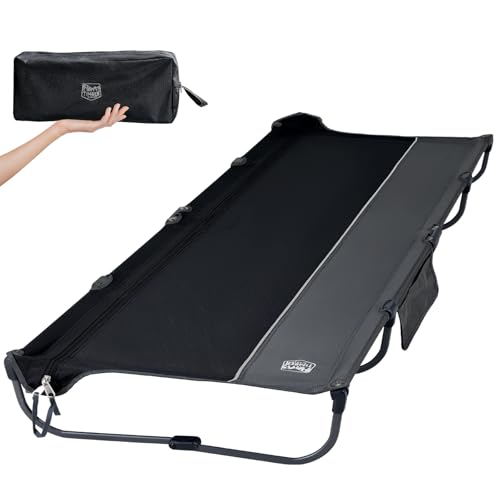
TIMBER RIDGE 20-Second Quick Set-Up Camping Cot

Lost Horizon Option3 Self-Inflating Foam Camping Mattress, Twin, 4.5″

Kamp-Rite Oversized Tent Cot

Lost Horizon Option3 Self-Inflating Foam Camping Mattress, Full, 4.5″
What Each Pick Brings To The Table
Family camping trips rarely survive contact with exhausted kids, and the Kid-O-Bunk is built for that exact moment. The system pairs two single cots that stack on included adapters, turning floor space into a vertical sleep setup that gives the whole tent more room to breathe.
Each cot has a 200 lb capacity, which covers most children well past the upper end of the suggested age range. The locking straps and stack adapters hold everything steady at night, and the carry bags let you toss the whole thing in the trunk without losing parts.
Real Benefits
- Stackable design frees up tent floor space for gear and play.
- Locking straps keep the upper cot secure through restless sleepers.
- Carry bags make transport easier when juggling kids and luggage.
- 200 lb capacity per cot extends useful life as children grow.
- Setup needs no tools, which is a relief after a long drive.
Things To Consider
- The bunk footprint is wider than two separate sleeping pads, so measure your tent floor first.
- Designed for kids, so an adult over 200 lb should look at the ONETIGRIS option instead.
Whose Shelf It Belongs On
Parents with kids roughly ages 7 through 12 camping in a family-sized tent, especially when floor space is tight.
A Better Fit Elsewhere
Adults solo camping should consider the Lost Horizon Option3 Self-Inflating Foam Camping Mattress in Twin for a lighter, lower-profile setup.
Where the Kid-O-Bunk is built for kids, the SUPRAGRIS aims at adults who push gear to its limits. The 400 lb weight rating comes from a reinforced frame paired with 300D Oxford fabric, which is the same weave used on many heavier-duty packs.
The rod-style frame folds down fast, and the whole cot stores compact enough to slide into a trunk alongside a cooler. Setup feels closer to assembling a camp chair than wrestling with a traditional cot.
Why It Works Well
- 400 lb capacity handles most adults without flexing.
- 300D Oxford fabric resists scrapes, damp ground, and dirt.
- Fold-flat frame reduces packed size for car camping trips.
- Quick setup works well at the end of a long drive.
Honest Caveats
- Lighter than steel but still bulky compared to self-inflating pads.
- For solo backpackers carrying everything on their back, the TIMBER RIDGE aluminum cot is easier on the shoulders.
Key Product Details
Best Suited To
Big-and-tall campers and car campers who want a wide, supportive surface and don’t mind a slightly heavier packed size.
Look Elsewhere When
Backpackers counting every ounce should look at the TIMBER RIDGE 20-Second Quick Set-Up Camping Cot, which sheds significant weight through its aluminum frame.
Couples camping in a six-person tent usually fight over who has to sleep on the cold side of the pad. The Queen-size Option3 solves that by stretching across both sleepers with a 4.5-inch foam-and-air hybrid. The internal foam expands as air enters, so most of the inflation happens on its own once you crack the valve.
At 13 lb of foam fill, the pad feels substantial on the ground but rolls down into a manageable cylinder for transport. You may find a quick top-off breath needed for the perfect firmness, depending on how plush you want it.
Where It Delivers
- 4.5 inches of foam-and-air cushioning handles side sleepers and restless partners.
- Queen footprint lets two adults share one pad.
- Self-inflating core saves you from manually pumping at the campsite.
- Higher foam weight adds stability, so you don’t sink to the ground.
Worth Bearing In Mind
- Heavier than a Twin pad, so solo backpackers should pass.
- Stored size is bigger than a cot, which matters for motorcycle or kayak trips.
Right Fit For
Couples or car campers using a large family tent who want a shared sleeping surface with home-style cushioning.
Swap It Out When
Solo campers should consider the Lost Horizon Option3 Self-Inflating Foam Camping Mattress in Twin for a more packable version of the same idea.
Most of the picks on this list assume you already own a tent. The Kamp-Rite Original flips that: the cot itself becomes the shelter, with an integrated fabric top that closes over the frame. You essentially get a single-person tent and a bed in one piece of gear.
It’s a classic for hunters, bikers, and base campers who want to skip a separate tent altogether. The polyester build holds up to repeated trips, and you can use it on rough ground where a freestanding tent wouldn’t pitch easily.
Good Reasons To Consider
- Integrated tent body cuts a piece of gear from your packing list.
- Elevated sleeping surface keeps you off wet, cold, or rocky ground.
- Polyester fabric handles repeated outdoor exposure.
- Useful in hunting blinds, motorcycle camping, and base camp setups.
Trade-Offs To Consider
- Single-occupancy design, so couples will need two units or a larger Kamp-Rite option.
- Taller and bulkier packed than a low-profile cot, which can be tricky in small vehicles.
Made For
Solo backcountry campers, hunters, and motorcyclists who want shelter and sleep in one package without managing two setups.
Reach For A Different Pick When
Campers who already have a family-sized tent and want a roomier sleep surface should consider the Kamp-Rite Oversized Tent Cot for more space.
Tall campers often wake up with their feet hanging off the pad, or worse, off the cot entirely. The Coleman ComfortSmart stretches long enough to fit sleepers up to 6 ft 6 in, and a steel frame gives it the kind of rigidity that aluminum cots struggle to match under heavier loads.
The ComfortSmart coil suspension adds flex under the body, paired with a plush foam mattress pad that lays over the springs. It’s heavier than most cots on this list, but if you want the closest thing to a real bed in the woods, the trade-off makes sense.
Advantages To Know
- Accommodates sleepers up to 6 ft 6 in.
- Coil suspension adds bounce and pressure relief across the body.
- Plush mattress pad softens the steel frame for side sleepers.
- Steel frame feels sturdy under load and over time.
Some Limits To Know
- Heavier than aluminum cots, so car camping suits it better than backpacking.
- Wide footprint, which means measuring your tent floor before committing.
Feature Snapshot
Who Should Grab It
Tall or heavy campers who car camp in a spacious tent and want a supportive, bed-like surface.
Where A Sibling Pick Shines
Backpackers should look at the TIMBER RIDGE 20-Second Quick Set-Up Camping Cot, which trades steel weight for aluminum portability.
Backpackers tend to avoid cots because most weigh as much as a small tent. The TIMBER RIDGE breaks that rule at 7.1 lb, with an all-aluminum frame that uses pre-attached poles. The promise is real: unfold, zip the cover closed, and you’ve got a bed in roughly twenty seconds.
The aluminum U-shape spreads weight evenly, which keeps the cot stable on uneven ground. The 225 lb capacity is lower than the SUPRAGRIS, but for solo backpackers who carry everything themselves, the lighter frame is the bigger win.
Notable Upsides
- 7.1 lb packed weight is realistic for backpackers and bikepackers.
- No-assembly setup saves energy at the end of a long day.
- Aluminum frame resists rust through wet trips.
- Compact folded shape fits in smaller packs and panniers.
Points To Keep In Mind
- Lower weight capacity than heavier steel cots.
- Aluminum can feel colder in shoulder seasons, so a small pad underneath helps.
Who Will Love This
Solo backpackers, bikepackers, and fast packers who want an off-the-ground sleep without the bulk of a steel cot.
Not Your Match When
Heavier sleepers or those wanting more cushioning should look at the Lost Horizon Option3 Self-Inflating Foam Camping Mattress in Full.
The Twin version of the Lost Horizon brings the same foam-and-air hybrid down to solo size. At 8.5 lb of foam fill, it’s lighter than the Queen, which matters when you’re carrying everything from the car to the campsite.
The self-inflating core handles most of the setup, leaving you to fine-tune firmness with a few breaths. For most solo tent campers, the comfort-to-weight ratio is hard to beat at this price tier.
Standout Benefits
- 4.5-inch thickness cushions hips and shoulders for side sleepers.
- Self-inflating valve simplifies end-of-day setup.
- Twin footprint fits common one-person tents without crowding walls.
- Lower weight than the Queen version for solo trips.
Worth Noting
- Lighter foam fill means a slightly lower feel under heavy sleepers compared to the Queen pad.
- Not as compact as an inflatable air pad if pack space is the top concern.
Quick Facts
Perfect Match For
Solo tent campers who want real cushion without hauling a cot, especially on weekend trips where weight matters but isn’t critical.
Where Another Pick Suits Better
Couples or shared sleepers should look at the Lost Horizon Option3 Self-Inflating Foam Camping Mattress, Queen for a wider sleeping area.
The Original Kamp-Rite is a tight fit for anyone over average height. The Oversized version stretches the same hybrid shelter-and-bed idea into a roomier footprint, giving taller campers or restless sleepers space to actually stretch out.
You still get the integrated tent body and elevated sleeping platform, so the trade-off compared to a separate tent and pad is a smaller packed size and faster setup. Owners commonly find the nylon fabric tough enough for repeated trips, though it does add bulk to your vehicle.
The Helpful Details
- Roomy interior fits taller or wider sleepers comfortably.
- Integrated tent body removes the need for a separate shelter.
- Nylon construction handles outdoor use and weather.
- Elevated platform keeps gear, pets, and you off wet ground.
Minor Gripes
- Larger packed size than a standard cot, so storage in small cars takes planning.
- Heavier than a basic cot, which makes it a better car-camping choice than a backpacking one.
Built With In Mind
Car campers, hunters, and festival-goers with a larger vehicle who want a tent-cot hybrid with extra room.
Skip It When
Backpackers need something lighter, like the TIMBER RIDGE 20-Second Quick Set-Up Camping Cot.
The Full-size pad slots between the Twin and Queen in the same line. Solo sleepers who want elbow room without the bulk of a Queen find this size hits the sweet spot. The 12 lb foam fill gives more cushion than the Twin without tipping into couples-territory.
The self-inflating valve handles most of the work, and you can dial in the firmness with a few breaths once the foam expands. It rolls smaller than many air-only pads at this thickness, which makes it a friendly choice for mid-size tents.
Well-Handled Touches
- Full-size footprint gives solo sleepers extra width and comfort.
- 12 lb foam fill balances cushioning and packability.
- 4.5-inch thickness reduces pressure points for side sleepers.
- Self-inflating design simplifies setup at the campsite.
- Rolls down smaller than many thicker air pads at this size.
Soft Spots
- Heavier than the Twin, so backpackers should weigh the trade-off.
- Wider than a Twin, so check tent dimensions before committing.
At A Glance
The Right Fit
Solo car campers using a mid-size tent who want more cushion than a Twin pad without the extra weight of a Queen.
Consider Something Else When
Backpackers watching every ounce should consider the Lost Horizon Option3 Self-Inflating Foam Camping Mattress in Twin instead.
Choosing The Right Camping Bed For Your Tent
Match The Bed To Your Sleep Style And Trip
Side sleepers generally need more cushioning under the hips and shoulders, which makes a 4.5-inch self-inflating pad or a cot with a foam mattress a smarter pick than a thin air pad. Back sleepers get away with less padding because weight spreads more evenly across the body. Restless sleepers and people who shift positions all night tend to sleep better on a cot because the rigid frame keeps the surface flat, while pads can bunch under movement.
Think About Pack Size And Setup Time
Backpackers and bikepackers should weigh each option carefully: an aluminum cot like the TIMBER RIDGE adds a few pounds but packs small, while self-inflating pads roll into a cylinder that often takes more space. Car campers can ignore weight entirely and focus on comfort, which is why the Coleman ComfortSmart and the Kamp-Rite Oversized are common choices for that crowd. Setup time matters more than most people expect, especially on arrival after a long drive, when nobody wants to spend an hour fiddling with poles.
Check Capacity, Frame Material, And Tent Footprint
Weight capacity covers more than just the sleeper: tossing gear on the bed at night, kids jumping on it, and a restless dog all push toward the upper end of the rating. Steel frames handle heavier loads but rust over time without care, while aluminum stays lighter and shrugs off moisture. Tent footprint is the silent killer of good setups, so measure the floor before committing to anything wider than a Twin pad or a full-size cot.
Decide Between A Cot, A Pad, Or A Hybrid
Cots keep you elevated, which is great on wet, cold, or rocky ground but bad for cold-weather camping where you want the body’s heat to warm the surface. Self-inflating pads hug the ground, which traps warmth and works better in shoulder seasons, but you feel every root and stone underneath. Tent cots like the Kamp-Rite pair the two ideas but cost you in bulk, so they’re a niche pick for hunters, bikers, and base campers rather than backpackers.
Key Considerations Across These Picks
Common Buying Mistakes
A lot of shoppers grab a cot that looks solid in the photos, only to find it doesn’t fit their tent. Measuring the tent floor before picking a sleeping platform prevents the worst version of that mistake. Another common slip is ignoring the weight of the bed itself. Car campers don’t care, but backpackers who choose a heavy cot end up cursing their decision on every hill. Picking the right size pad for your height matters more than people expect, especially for tall sleepers whose feet end up hanging off a Twin pad.
Where The Extra Money Goes
Premium cots tend to buy you better frame materials (aluminum over steel where weight matters, steel where it doesn’t), tougher fabric (300D Oxford or higher denier counts), and details like coil suspension or integrated tent bodies. Higher-end pads often add more foam fill, which translates directly into better cushioning and longer lifespan. In this category, spending up usually means trading weight for comfort or durability, so the right choice depends on how you actually use the bed.
Frequently Asked Questions
How Thick Should A Camping Bed Be For Tent Sleeping?
Aim for at least 4 inches of foam or a raised cot frame if you sleep on your side, because thinner pads leave pressure points on hips and shoulders. Back sleepers can manage with 2.5 to 3 inches if pack weight is the priority.
Can A Camping Cot Fit Inside Any Tent?
Most family tents accommodate standard cots, but you should measure the tent floor and the cot’s footprint together. Wider cots like the Coleman ComfortSmart need a spacious tent, while narrower cots fit two-person shelters more easily.
Are Self-Inflating Pads Better Than Air Pads?
Self-inflating pads combine foam with air, giving you better insulation and more forgiveness on rough ground at the cost of bulk. Air pads pack smaller and weigh less but can feel cold and need careful inflation to avoid bottoming out.
How Do I Clean And Store A Camping Bed?
Wipe down cots with a damp cloth and dry them fully before storage to prevent mildew on the fabric. Self-inflating pads benefit from being unrolled and aired out after trips, then stored loosely rolled to keep the foam from compressing permanently.
What Weight Capacity Do I Need For A Camping Bed?
Pick a bed rated at least 50 lb above your body weight to leave headroom for gear, pets, and the occasional jump from a restless kid. For two sleepers sharing a pad, the combined weight matters more than the individual rating.
Closing Remarks
Pick the bed that fits your tent, your trip, and your body, and you’ll sleep better than half the people at any given campsite. The right choice depends less on specs and more on how you actually camp, so think through your typical trip before committing. A well-matched setup turns a basic tent into a comfortable base for the whole night.