
A thin mat ruins a camping trip faster than bad weather, and rolling onto frozen ground at 3 a.m. is the fastest way to question your whole gear list. Camping bed rolls solve that problem by adding real cushion, insulation, and a flatter sleep surface inside your tent, car, or cabin. This lineup covers solo backpackers, weekend car campers, couples sharing a queen, and anyone who wants a guest bed that rolls into a closet. Each pick below was chosen for clear, real-world differences in thickness, size, weight, and storage, so the right one depends less on hype and more on how you actually sleep outside.
A Quick View Of The Lineup
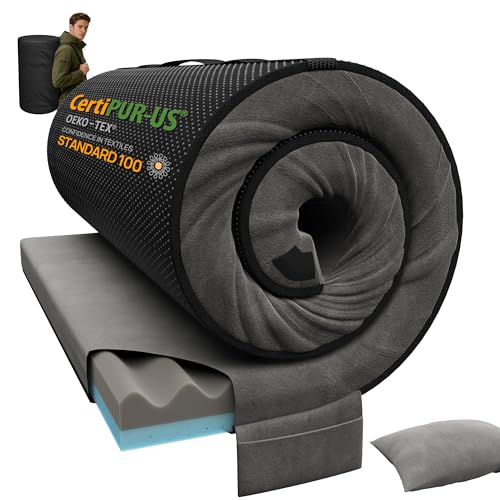
Releep 3-Inch Dual-Sided Memory Foam Camping Mattress

Lost Horizon Option3 Self-Inflating Mattress, Queen

Zzuvjoy 3.1-Inch Self-Inflating Foam Sleeping Pad
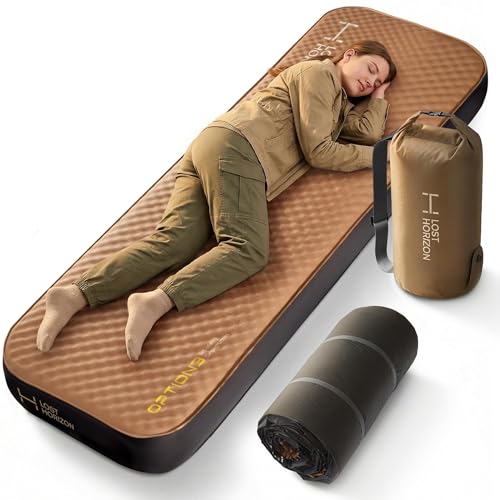
Lost Horizon Option3 Cot-Size Self-Inflating Mattress

Lost Horizon Option3 Twin Self-Inflating Mattress

Lost Horizon Option3 Slim Single 3-Inch Mattress

Lost Horizon Option3 Full Self-Inflating Mattress
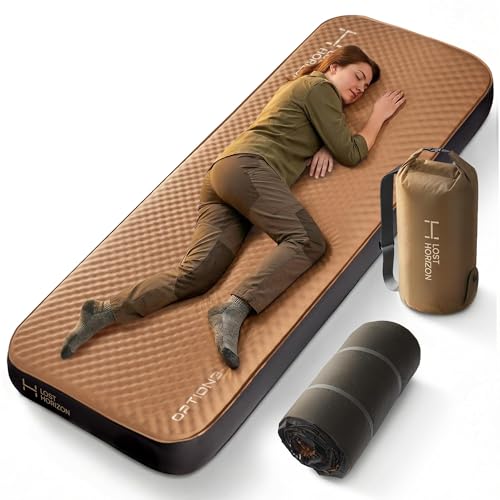
Lost Horizon Option3 Single Self-Inflating Mattress
The Picks, Examined More Closely
Where the Lost Horizon pads rely on foam that you blow up, the Releep rolls out as a slab of layered foam that feels closer to a guest-room mattress than a backcountry pad. The 3-inch profile pairs a gel-infused memory foam top layer with a denser support foam underneath, which keeps your spine from sagging into the tent floor.
The waterproof shell and included pillow make this pick especially useful indoors. Pull it out for overnight guests, unroll it in a station wagon for a road trip, or use it as a floor mat inside a large family tent. Compared with the self-inflating pads later in this list, the tradeoff is bulk when packed.
Useful Touches
- Gel memory foam eases pressure on hips and shoulders, so side sleepers wake up with fewer stiff joints
- Waterproof outer fabric handles spilled drinks, damp tents, and sandy car trunks without soaking through
- Included pillow saves you from packing a separate camp pillow for short trips
- Carry bag makes it easier to store in a closet between uses, doubling as a guest-bed solution
- 3 inches of layered foam feels closer to a real mattress than the typical 1-inch foam pad
Things To Consider
- Packed size is much bulkier than self-inflating pads, so backpackers should look elsewhere
- Memory foam comfort assumes flat, even ground, so rocky or sloped tent sites may still feel pressure points
Who It Suits Best
Car campers and hosts who want a soft, guest-worthy sleep surface that still rolls up when the weekend ends.
Where Another Pick Suits Better
Backpackers cutting every ounce should reach for the Lost Horizon Option3 Single Self-Inflating Mattress instead, which packs down much smaller.
Stepping up from the Releep foam slab, the Lost Horizon Queen is a self-inflating pad (a foam-and-air pad that expands on its own when you open the valve) built for two adults who refuse to share a narrow surface. At 4.5 inches thick with a 13-pound foam fill, this is the kind of bed you bring to a base camp or a long cabin weekend.
The internal foam structure spreads air evenly across the queen footprint, which means fewer cold spots and a steadier feel when one partner rolls over. You will need patience during setup since the larger the pad, the longer the self-inflation, and a few top-ups by mouth are common after long storage.
Everyday Perks
- Queen surface fits two adults without the shoulder-to-shoulder squeeze of a twin pad
- 4.5-inch thickness keeps you well off rocky, lumpy ground
- Heavy foam fill gives the pad a furniture-like feel under you
- Self-inflating design cuts out any external pump, so setup is largely hands-free
Worth Noting
- 13-pound foam fill makes this one of the heavier picks in the roundup
- Packed roll is large, so it takes up serious trunk or cargo space
- Air valve tuning may take a few nights to dial in to your preferred firmness
Made For
Couples and families who camp by car and want a queen-size sleep surface that inflates itself without a pump.
Skip It When
Solo travelers packing light should consider the Lost Horizon Option3 Single Self-Inflating Mattress for a smaller, lighter footprint.
The Zzuvjoy swaps the usual mouth-blown top-up for a foot-pump intake, which means no lightheadedness after a long inflation session. Open the valves for passive self-inflation, close the rear valves, then step on the front intake to firm things up. R-value is the standard rating of how well a sleeping pad resists heat loss to the ground, and a 9.5 rating here means real insulation for shoulder-season and winter trips.
The 3.1-inch profile handles side sleepers who usually bottom out on thinner pads. Owners commonly report the foot-pump takes about 20 seconds to top up after self-inflation, which is faster than blowing into a valve by mouth.
Noteworthy Benefits
- Built-in foot pump avoids the dizziness that comes from breath-inflating larger pads
- 9.5 R-value handles cold ground well past summer camping conditions
- 3.1-inch depth cushions shoulders and hips for side sleepers who press hard
- Three-valve layout speeds up both inflation and deflation at the end of a trip
Trade Offs
- Foot-pump adds a small learning curve the first couple of uses
- Stored foam can take longer to fully expand after long compression in the bag
Best Suited To
Year-round campers who sleep cold and want a thick pad with strong insulation under them.
Not Your Match When
Warm-weather backpackers chasing minimum weight will do better with the Lost Horizon Option3 Single Self-Inflating Mattress for a lighter pack.
Lost Horizon built this narrow 4.5-inch pad to drop directly onto a camp cot, where a wider twin or queen would hang off the edges and waste space. At 5.5 pounds of foam fill, it stays light enough to carry alongside the cot frame itself.
The trade-off shows up in support capacity, which tops out around 220 pounds. Lighter sleepers and kids will find plenty of cushion, while heavier adults may notice more sink than the queen version offers.
Useful Highlights
- Cot-sized dimensions match standard folding camp cot frames
- 4.5-inch profile gives genuine softness even over the hard fabric of a cot
- 5.5-pound foam fill keeps the pad easy to roll up and strap to a cot
Minor Gripes
- Lower weight rating rules out heavier adults for daily use
- Narrow footprint feels tight for restless sleepers who drift side to side
Who Should Grab It
Cot owners who want a thick, self-inflating topper that fits their frame without overhang.
Consider Something Else When
Solo backpackers without a cot will find the Lost Horizon Option3 Single Self-Inflating Mattress easier to use directly on the ground.
The twin version of the Lost Horizon splits the difference between the cot-size pad and the queen, with 8.5 pounds of foam fill and a 4.5-inch profile. It works well for one adult who wants extra room to sprawl, or for a kid’s tent where a regular twin is the right size.
Self-inflation handles most of the setup, with a few breaths through the valve to firm things up the rest of the way. Roll it up between trips and it stands upright in a closet without falling over.
Practical Advantages
- Twin surface fits a single adult with room to spare for a bag or dog
- 8.5-pound foam core keeps the pad stable under shifting sleepers
- Self-inflating valves cut out the need for any external pump
Points To Note
- Too wide for ultralight backpacking but a smart pick for car camping
- Not as supportive as the queen for two full-size adults sharing
Perfect Match For
Solo campers who want a roomier sleep surface without hauling the full queen version.
A Better Fit Elsewhere
Couples sharing a tent should look at the Lost Horizon Option3 Queen Self-Inflating Mattress for a true two-person surface.
Where the wider Lost Horizon pads dominate family tents, this slim single targets narrow spaces like a tent foot box, a small SUV cargo area, or a one-person backpacking shelter. At 62 by 26 inches with a 3-inch profile, it fits spots where most camping mattresses simply will not lay flat.
Thickness drops from 4.5 inches on the bigger Lost Horizon pads to 3 inches here, which trims packed weight and roll size considerably. Side sleepers under 150 pounds will find enough cushion, but heavier adults may feel ground texture through the night.
Real-World Strengths
- 62×26-inch footprint slips into vehicle interiors and compact tents without trimming
- 3-inch profile keeps packed roll short for tight trunks and storage shelves
- Self-inflating foam means you still skip the pump routine
Room For Improvement
- Less cushion than the 4.5-inch pads in this list, especially for side sleepers
- Narrow width feels restrictive if you tend to roll or shift during sleep
Whose Shelf It Belongs On
Urban campers, road-trippers, and small-tent owners who need a slim pad that fits where larger pads cannot.
Reach For A Different Pick When
Backcountry campers wanting more cushion should try the Lost Horizon Option3 Single Self-Inflating Mattress for a thicker solo option.
The full-size Lost Horizon pads between the twin and queen, giving one sleeper a stretched-out surface or two close friends a comfortable shared bed. A 12-pound foam fill gives this pad real heft, and the 4.5-inch thickness mirrors the other 4.5-inch Lost Horizons so the feel stays familiar across the lineup.
Setup still uses the same self-inflating valves found on the queen and twin, so existing owners of those pads will not face any learning curve here. For long base-camp weekends, the full size leaves room for gear at your feet without forcing you up against the tent wall.
Benefits That Matter
- Full surface stretches beyond twin length, giving taller sleepers real legroom
- 12-pound foam core keeps the pad stable and supportive under restless sleepers
- Self-inflating valves match the rest of the Lost Horizon lineup for easy setup
- 4.5-inch profile handles shoulder-season cold better than thinner pads
Honest Caveats
- Heavier than the twin, so solo travelers will notice the extra pack weight
- Full size may overflow smaller two-person tents, so check your floor dimensions first
The Right Fit
Frequent campers who want a full-size sleep surface for one or a shared bed for two without jumping to a queen.
Look Elsewhere When
Two adults who want maximum shared space should move up to the Lost Horizon Option3 Queen Self-Inflating Mattress.
The single rounds out the Lost Horizon family as the go-to for solo backpackers and tent campers. At 6.5 pounds of foam fill and 4.5 inches thick, it stays light enough to carry on foot while still giving real cushion compared with thin foam mats.
The 4.5-inch depth handles side sleepers better than the slim 3-inch sibling, at the cost of a slightly larger packed roll. Setup mirrors the rest of the Lost Horizon line, so the routine feels familiar from the first night out.
Where It Helps
- 6.5-pound foam core keeps pack weight manageable for backpackers
- 4.5-inch profile cushions shoulders and hips on hard ground
- Single-person size fits one-person tents and hammock setups easily
- Self-inflating valves eliminate the need for any pump or breath inflation
Things To Weigh
- Heavier than air-only pads in the ultralight category
- Not wide enough for two adults or restless spread-out sleepers
Who Will Love This
Solo backpackers and weekend campers who want a thick, self-inflating pad without hauling a full twin or queen.
Where A Sibling Pick Shines
Tall sleepers who want extra length should try the Lost Horizon Option3 Twin Self-Inflating Mattress for more legroom.
Matching the Pad to the Way You Camp
Start with the surface, not the brand. A pad that is too narrow for your shoulders will push you onto cold ground no matter how thick the foam is, and a pad too short for your height will leave your feet hanging off the edge. Measure your usual sleep position and match it to a pad footprint before anything else.
Next, think about the ground and the climate. Closed-cell foam rolls handle rocky ground without bottoming out, while self-inflating pads add comfort on smoother tent floors. R-value matters most for shoulder-season and winter trips, since lower ratings let body heat leak into cold ground faster than many campers realize.
Finally, weigh storage and transport. A bulky rolled pad works fine in a car trunk but ruins a backpack, so backpackers should favor 3-inch pads or lighter single sizes. Inflatable air pads pack smaller than foam-heavy rolls, but they require more careful handling around sharp rocks and pet claws.
Thickness And Comfort
Thicker pads cushion pressure points better, especially for side sleepers. The 4.5-inch options in this list are a noticeable step up from the 3-inch pads for adults who press hard at the hips and shoulders.
Size And Footprint
Width matters as much as length. A narrow 26-inch pad keeps weight down but feels cramped for restless sleepers, while a full or queen gives room to roll over without falling onto the tent floor.
Key Considerations Across These Picks
Common Shopping Slip Ups
Many campers buy a pad that is too thin because thinner pads look cheaper on a spec sheet. A 1-inch foam pad will not insulate against frozen ground or buffer a side sleeper’s hip, and the discomfort shows up halfway through the night, not at the trailhead.
Another frequent miss is ignoring packed size. A pad that rolls into a tight cylinder saves trunk space for coolers and chairs, and a pad that swallows half your trunk leaves no room for anything else on a family trip.
What The Higher Tier Buys
Paying more usually buys thicker foam, more supportive internal structure, and stronger outer fabric. A 4.5-inch pad with denser foam fill resists bottoming out under heavier adults and lasts longer through repeated rollouts, while a basic 3-inch pad can start to feel thin after a season of use.
Frequently Asked Questions
How thick should a camping bed roll be?
Most adults sleep comfortably on a 3-inch pad in summer, but 4 inches or more makes a real difference for side sleepers and cold-weather trips. The thicker the foam and air, the better the pad buffers hips, shoulders, and frozen ground.
Are self-inflating pads better than foam rolls?
Self-inflating pads combine foam with air for more comfort and a smaller packed size than solid foam rolls. Plain foam rolls are lighter and harder to puncture, which makes them a better match for rough backcountry use.
Can you use a camping bed roll as a guest bed?
Yes, especially memory foam options like the Releep that feel close to a real mattress. Fold-out foam pads work well on hard floors, in playrooms, or in a spare room for one or two nights.
How do you clean a camping bed roll?
Spot-clean the outer fabric with mild soap and water, then air dry before rolling it back up. Avoid harsh detergents, machine washing, and prolonged direct sunlight, since UV and agitation break down foam and coatings over time.
What size camping bed roll fits a two-person tent?
A full or queen pad fits most two-person tents, while a twin leaves extra floor space for gear. Always check your tent floor dimensions before choosing a pad size, since larger pads can crowd smaller shelters.
Closing Remarks
The right camping bed roll depends less on hype and more on how you actually sleep outside. Car campers and hosts get the most from the Releep or the Lost Horizon queen, while backpackers and small-tent owners do better with the slim single or standard single sizes. Pick the pad that matches your ground, your climate, and your trunk, and the rest of the trip gets a lot easier.