
Cooking outdoors hits different when the gear actually cooperates. Whether you’re working with a tight trunk in a state park or a full backyard setup that sees weekends year-round, the right grill shapes every meal. This list breaks down nine solid options across charcoal kettles, portable camp stoves, pellet smokers, and propane griddles, so you can match a pick to how you actually cook outside.
The Shortlist At A Glance
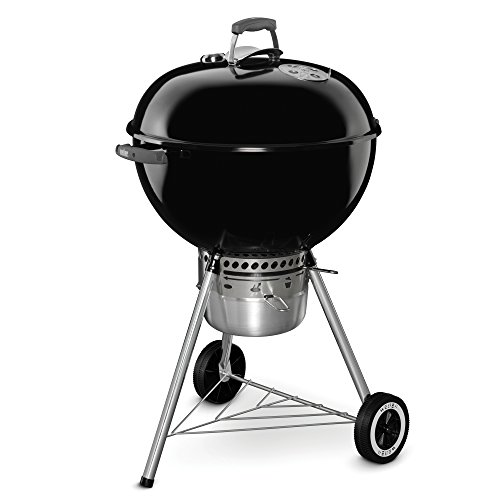
Weber Original Kettle Premium Charcoal Grill 22-Inch

Coleman Cascade 18 1-Burner Camping Stove
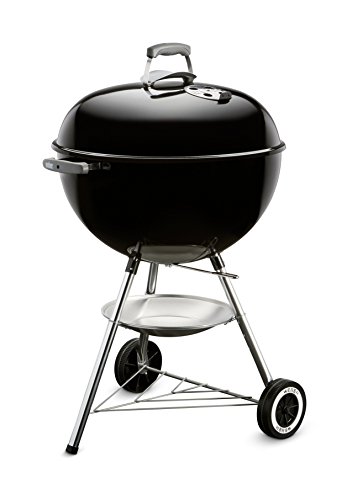
Weber Original Kettle Charcoal Grill 22-Inch

Weber Jumbo Joe Charcoal Grill 18-Inch

Coleman Tabletop 2-in-1 Grill & Stove

Pit Boss 500 FB2 Series Wood Pellet Grill & Smoker

Pit Boss 150 Wood Pellet Grill & Smoker

Pit Boss 4-Burner Propane Fold & Go Griddle

Pit Boss 1300 Navigator WiFi Pellet Grill & Smoker
More Details On Our Top Picks
The Premium version of Weber’s classic kettle earns its place by solving two frustrations people hit on the original: adding fuel mid-cook and cleaning up afterward. A hinged grate section lifts so you can drop in fresh charcoal without lifting the whole cooking surface, while the high-capacity ash catcher pairs with Weber’s One-Touch cleaning system to sweep debris into a removable pan.
For most backyards, the 22-inch format is the sweet spot, big enough for burgers and chicken for a family but not so large it eats the patio. Compared to the standard Weber Original Kettle reviewed below, this Premium adds the hinged grate and the upgraded ash catcher, which most people end up appreciating within the first season.
Useful Highlights
- Hinged grate section lets you add charcoal mid-cook without lifting the entire cooking surface
- One-Touch cleaning system with high-capacity ash catcher simplifies end-of-cook cleanup
- 22-inch format suits family meals while staying manageable on most patios
- Porcelain-enameled bowl and lid hold heat well and resist weather wear over time
- Angled lid hook keeps the lid off the ground while you check food
Things To Consider
- Charcoal requires more setup time than propane, so quick weeknight cooks may feel slow
- Weatherproof storage helps extend lid and bowl life in rainy climates
Right Fit For
Backyard charcoal cooks who want the iconic kettle shape with the two upgrades that matter most during real cooking sessions.
Look Elsewhere When
The Weber Jumbo Joe Charcoal Grill 18-Inch is a better match if you need something that folds down and travels to tailgates.
Coleman’s Cascade 18 is a classic propane camp stove that travels well and sets up in under a minute. The 8,000 BTU burner delivers enough heat for a 12-inch pan, and the rotary ignition means no fumbling with lighters in windy campsites. A detached grate that flips 180 degrees makes storage simple in a car trunk or gear bin.
Where this stove differs from the bulkier Weber kettles above is pure portability. You won’t get smoke flavor, but you will get fast boil times for pasta water, pancakes, and skillet dinners on a picnic table. For campers who prioritize pack size over grilling char, it earns its spot.
Points In Its Favor
- 8,000 BTU output handles a 12-inch pan for family-size meals
- Rotary ignition lights the burner without matches, helpful in wind
- Detachable grate flips 180 degrees for slimmer storage in a trunk
- Aluminized steel cooktop wipes clean fast after greasy breakfasts
- Improved knob rotation gives better simmer control than older Coleman models
Worth Noting
- Single burner limits you from running a main and a side simultaneously
- Open flame design loses heat in cold or breezy conditions without a wind screen
- Requires a separate propane cylinder, which adds packing weight
Best Suited To
Lightweight car campers and tailgaters who want a fast, controllable stove for skillet cooking rather than flame-grilled sear marks.
A Better Fit Elsewhere
The Coleman Tabletop 2-in-1 Grill & Stove is a stronger pick if you want a separate burner alongside a grilling surface at the campsite.
This is the grill that defined the modern kettle category, and it has stayed largely unchanged because it works. The porcelain-enameled lid and bowl hold heat and shrug off rust, while top and bottom dampers let you dial in temperature with the kind of precision that surprises people who associate charcoal with guesswork.
Unlike the Premium version reviewed above, this model skips the hinged grate and the upgraded ash catcher. You trade those conveniences for a lower entry point and a simpler design that has decades of parts and accessories behind it. If you want a charcoal grill that survives a decade of weekends, this is a sensible anchor.
What Works In Its Favor
- Porcelain-enameled lid and bowl hold heat consistently and resist rust
- Top and bottom dampers give precise airflow control for temperature management
- Decades of aftermarket accessories, covers, and replacement parts
- 22-inch grate covers burgers for a family in a single round
Trade Offs
- No hinged grate, so mid-cook charcoal refills require lifting the entire cooking surface
- Smaller ash catcher than the Premium version, so empty it more often
- Charcoal-only design means longer preheat than propane setups
Made For
Long-term backyard owners who want a classic charcoal kettle they can maintain for many seasons with widely available parts.
Swap It Out When
The Weber Original Kettle Premium Charcoal Grill 22-Inch is worth the upgrade if the hinged grate and larger ash catcher match how you cook.
The Jumbo Joe is Weber’s answer to the question of how much grill you can fit in a car. The 18-inch format trims down from the full-size kettles above, but it still lays down a 240-square-inch grate, which fits roughly eight to ten burgers depending on spacing. The porcelain-enameled bowl and lid match the brand’s larger kettles, so heat retention does not take a hit.
Where this grill earns its travel credentials is the locking lid and carry handle. It folds into a compact footprint that fits in most trunks, which is why tailgaters and apartment dwellers without a permanent patio reach for it. It is a smaller, simpler sibling of the Weber Original Kettle reviewed just above.
The Helpful Details
- 240-square-inch cooking area handles a family meal in one batch
- Locking lid and carry handle make transport to tailgates easier
- Porcelain-enameled bowl and lid match the heat retention of larger Weber kettles
- Rust-resistant aluminum dampers hold up well in damp climates
- Plated steel cooking grate is straightforward to clean with a wire brush
Minor Gripes
- No hinged grate means lifting the whole cooking surface to add charcoal mid-cook
- Smaller grate than the 22-inch kettles, so very large gatherings may need multiple rounds
- Plastic handle and leg components can wear faster with frequent transport
Who Should Grab It
Tailgaters, park cookout fans, and small-space dwellers who want Weber’s kettle flavor in a portable, trunk-friendly package.
Reach For A Different Pick When
The Pit Boss 150 Wood Pellet Grill & Smoker is worth considering if you want set-and-forget temperature control for low-and-slow cooks on the road.
This Coleman is the campsite workhorse for cooks who want a real grill and a separate burner at the same time. The 2-in-1 design pairs a 130-square-inch grill grate with a dedicated burner for a pot of chili, coffee, or corn on the cob. Two independently adjustable burners total 20,000 BTUs, which is enough heat to sear burgers and simmer a side simultaneously.
Compared to the single-burner Cascade 18 reviewed earlier, this model trades portability for cooking flexibility. Wind shields around the burner help in breezy conditions, and the removable chrome-plated grate drops out for washing. For groups who want more than a hot plate, the upgrade is justified.
What Earns Its Place
- Two independently adjustable burners total 20,000 BTUs for simultaneous cooking
- Built-in wind shields around the burner for steadier flame in breezy campsites
- Push-button ignition lights both burners without matches
- Removable chrome-plated grate simplifies post-meal cleanup
- Non-skid feet keep the unit steady on tailgate surfaces
Points To Note
- Bulkier than a single-burner stove, so it takes more trunk space
- Grease tray needs regular emptying during longer cookouts
The Right Fit
Group campers and tailgaters who want to sear burgers and simmer a side dish at the same time on one tabletop unit.
Not Your Match When
The Coleman Cascade 18 1-Burner Camping Stove is a better fit for solo travelers who need the lightest possible cooking footprint.
Feature Snapshot
The Pit Boss 500 is a versatile pellet cooker that handles smoke, bake, braise, roast, grill, barbecue, char-grill, and sear in one cabinet. The 518-square-inch, two-tier porcelain-coated steel cooking area fits family dinners, and the LCD digital controller holds a temperature range from 180°F to 500°F with a flame broiler for direct-heat sears.
For backyard cooks who want low-and-slow smoking without babysitting a fire, a pellet hopper and digital controller do the heavy lifting. The included meat probe helps track doneness without opening the lid and losing heat, which makes long cooks less stressful. Compared to the charcoal kettles reviewed earlier, this trades hands-on fire management for set-and-forget automation.
Reasons It Performs
- Eight-in-one cooking versatility covers smoke, bake, sear, and grill in one unit
- 518-square-inch two-tier cooking surface handles family-size meals
- Digital controller maintains 180°F to 500°F with steady pellet feed
- Flame broiler opens for direct-flame searing when you want grill marks
- Included meat probe tracks internal temperature without lifting the lid
Room For Improvement
- Pellet grills depend on an electrical outlet, so placement near power matters
- Hopper holds 5 lb of pellets, so long overnight cooks require refilling
- Porcelain-coated grates need gentle cleaning to preserve the coating
Who It Suits Best
Backyard pitmasters who want one cooker that handles weeknight grilling and weekend brisket without switching equipment.
Where Another Pick Suits Better
The Weber Original Kettle Premium Charcoal Grill 22-Inch is a stronger match if you want the charcoal flavor profile without an outlet or pellets.
Technical Highlights
The Pit Boss 150 brings pellet cooking to tailgates and campsites with a latch-lock lid and dual carry handles. The 256-square-inch cooking surface is smaller than the 500-series above, but it is plenty for a pregame spread of burgers, sausages, or chicken thighs. Automatic start-up and cool-down cycles keep the on-site routine simple.
Where this model differs from the Weber Jumbo Joe reviewed earlier is the pellet system. You trade charcoal’s hands-on feel for a controller that holds temperature between 180°F and 500°F with a flame broiler for direct heat. For traveling pitmasters who want smoke flavor on the road, it earns real consideration.
Everyday Advantages
- Latch-lock lid and dual handles make transport straightforward for one person
- Automatic start-up and cool-down cycles simplify the on-site routine
- 256-square-inch surface handles a pregame spread in one round
- 7 lb pellet hopper supports longer cooks between refills
Softer Spots
- Still requires a power outlet, which limits truly remote campsites
- Smaller grate than full-size pellet grills, so very large gatherings need batch cooking
- Pellet flavor is milder than charcoal, depending on wood blend
Perfect Match For
Traveling pitmasters and tailgaters who want set-and-forget pellet cooking in a portable cabinet rather than charcoal babysitting.
Consider Something Else When
The Weber Jumbo Joe Charcoal Grill 18-Inch is a stronger match if you camp without reliable power and want the simplest possible fuel source.
Key Attributes
Big-batch outdoor cooks lean toward flat-top griddles, and the Pit Boss 4-Burner Deluxe lays down 753 square inches of cooking space across a 37-inch by 20-inch surface. Four separately controlled propane burners total 62,000 BTUs, which is plenty for pancakes, smash burgers, stir-fry, and bacon in the same session without temperature compromises.
Compared to the round grates of the Weber kettles reviewed earlier, this griddle changes the cooking style entirely. You will get even sear marks and drip-free zones instead of flame char, and the included hard cover protects the cooktop during transport. For tailgate crews feeding a crowd before kickoff, the surface area justifies the size.
Noteworthy Benefits
- 753-square-inch cooktop handles pancakes, smash burgers, and stir-fry at the same time
- Four independently adjustable burners give precise zone control across the griddle
- Hard cover protects the cooking surface during transport and storage
- Fold-and-go design saves truck bed space between events
- Propane heat reaches cooking temperature fast for short preheats
A Few Limitations
- Larger and heavier than the portable charcoal and pellet options above
- Griddle surface requires oiling and careful cleaning to prevent rust
- Propane tank adds to packing list for tailgates and campsites
Whose Shelf It Belongs On
Tailgate hosts and family campers who cook breakfast spreads and smash burgers for a crowd on a single, even-heated surface.
Another Choice May Suit
The Pit Boss 500 FB2 Series Wood Pellet Grill & Smoker is a better match if you want smoky low-and-slow cooks rather than flat-top searing.
The 1300 Navigator is Pit Boss’s top-tier pellet cooker for cooks who want tech and capacity working together. WiFi and Bluetooth pair with a touchscreen controller so you can adjust temperature and monitor cooks from a phone, while a 30 lb pellet hopper supports overnight brisket sessions without a refill. The 1,329-square-inch cook space fits several racks of ribs or a full hog’s worth of food.
Where this differs from the 500-series and the 150 reviewed above is scale and connectivity. Two included meat probes track multiple cuts at once, and the flame broiler opens for direct-heat searing when you want grill marks at the end of a long smoke. For pitmasters who want a flagship pellet rig, the Navigator covers nearly every angle.
Advantages To Know
- WiFi and Bluetooth connectivity let you adjust settings from a phone
- 1,329-square-inch cook space handles large gatherings without batch rotations
- 30 lb pellet hopper supports long overnight cooks between refills
- Touchscreen controller offers precise temperature adjustments
- Two included meat probes monitor multiple cuts simultaneously
Honest Caveats
- Larger and heavier than the portable options above, so it suits a fixed outdoor space
- WiFi features depend on a stable network signal at the cook site
- Touchscreen controller requires care around heavy rain without the cover closed
Built With In Mind
Tech-forward backyard pitmasters who want a flagship pellet cooker with enough capacity and connectivity for serious, long cooks.
Skip It When
The Pit Boss 150 Wood Pellet Grill & Smoker is a smarter pick if you want pellet flavor in a portable cabinet you can take to a tailgate.
The Key Facts
What Matters When Picking Camping Bbq Grills
Match The Fuel To The Setting
Charcoal gives you the deepest sear and smoke profile, but it asks for patience and ash cleanup. Propane lights fast and gives tight temperature control, which suits quick weeknight sessions. Pellets sit between the two, adding wood-fired flavor with set-and-forget automation, though they need an outlet.
Portable camp stoves lean on propane for fast boil times, while backyard rigs benefit from the heat retention of a kettle. Runners logging weekend miles at a state park will value a Coleman camp stove’s low weight. Homeowners with a permanent patio get more from a kettle or a pellet cabinet.
Size And Capacity Decide The Menu
Grate area drives what you can cook in a single round. A 240-square-inch surface handles family burgers; a 753-square-inch griddle handles pancakes for ten. Depth matters too, since a kettle lid holds heat for roasting, while an open camp stove is best for skillets and pots.
Think about realistic gatherings rather than best-case scenarios. Couples and small families often overbuy grate space and end up with longer preheats than needed. Larger crews under-buy and end up cooking in frustrating batches.
Build Quality And Travel Reality
Portable grills take more abuse than stationary ones. Latch-lock lids, plated steel grates, and rust-resistant dampers all extend service life on rough roads. Stationary backyard grills benefit from porcelain-enameled bowls and lids that shrug off weather between sessions.
Weight and folded size determine whether a portable grill actually travels. A 40-pound pellet cabinet with carry handles may fit in a truck bed but not a sedan trunk. Match the grill’s footprint to the vehicle you actually use for outings.
Smart Considerations Before Choosing
Where Shoppers Slip Up
Going too big too soon leaves many new grill owners with a unit that takes 30 minutes to preheat for two burgers. Smaller, well-matched grills heat faster, cook cleaner, and store easier in apartments. Match the grill size to your average cookout, not the largest one you might host this decade.
Another common miss is ignoring fuel logistics. Pellets require storage space and an outlet. Propane needs extra cylinders for long weekends. Charcoal stays stable in a garage but takes longer to light. Skipping this step leaves cooks stranded mid-meal.
Where The Premium Tier Earns Its Keep
Higher-tier pellet grills add WiFi connectivity, larger hoppers, and dual meat probes that remove the most stressful parts of long cooks. Backyard pitmasters running overnight briskets benefit most from these upgrades, since the controller handles temperature swings that would otherwise demand a wake-up refill.
Tech-forward features like touchscreen controllers and flame broilers pay off when you cook a wide range of styles in one rig. If you only sear burgers once a week, a simple kettle serves you just as well and lasts just as long. The premium tier is for cooks who actually use the extra capacity and connectivity it offers.
Frequently Asked Questions
What Size Camping Bbq Grill Do Most People Need?
For two to four people, a 200 to 300-square-inch grate covers most meals without long preheats. Larger families or tailgate crews benefit from 500 to 750 square inches, especially on flat-top griddles where pancakes and smash burgers stack up fast.
Is Charcoal Or Propane Better For Camping Bbq Grills?
Charcoal gives deeper smoke flavor but takes longer to light and produces ash that needs disposal. Propane lights fast, controls temperature precisely, and packs down smaller for transport, which suits most casual campers.
Are Pellet Grills Worth The Extra Weight For Camping?
Pellet grills deliver set-and-forget temperature control and wood-fired flavor, but they weigh more and require a power outlet. For tailgates and car camping with electricity, they shine; for backpack or backcountry cooking, a lighter propane stove is a better fit.
How Do You Clean A Camping Bbq Grill On The Road?
Brushing the grate while still warm, wiping down surfaces with a damp cloth, and emptying ash or grease trays before storage covers most cleaning needs. Owners commonly report that covering the grill between trips extends its service life significantly.
Can A Camping Bbq Grill Double As A Backyard Grill?
Portable camp stoves and pellet grills can serve light backyard duty, though their smaller grates limit large gatherings. For frequent backyard hosting, a full-size kettle or larger pellet cabinet is a more comfortable long-term option.
Closing Remarks
Pick the grill that matches how you actually cook outside, not the one that looks the most impressive on a product page. Backyard purists will be happiest with a Weber kettle, traveling pitmasters will appreciate the Pit Boss pellet options, and tailgate crews will get the most out of the Pit Boss griddle. The right grill is the one that ends up on every weekend, not the one that sits in a box after the first use.