
Choosing the right pack shapes every mile on the trail. A well-fit backpack keeps your back cool, your gear stable, and your hands free, while a poor fit can turn a two-hour hike into an aching slog. This roundup focuses on packs built for real outdoor days, from ultralight day-trippers to multi-day haulers ready for serious elevation. Every option below pulls from a different strength: trauma kit readiness, full-torso adjustability, heavy-load hauling, youth-friendly sizing, and packable convenience for travelers who like a safety net on the road.
An Overview Of The Picks

Camoredy First Aid Bag Empty Red Emergency Trauma Multi-Pocket

Osprey Rook 50L Men’s Backpacking Backpack

Osprey Aether Plus 70L Men’s Backpacking Backpack
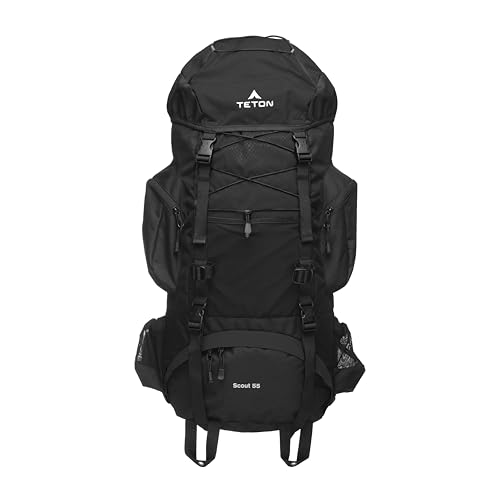
Teton 55L Scout Internal Frame Backpack

Nanobag 16L Ultralight Packable Travel Backpack
A Deeper Look At The Lineup
Field-ready medical kits demand a bag that organizes trauma gear without slowing you down, and the Camoredy trauma bag fills that role. Sized for first responders and group leaders who carry supplies on outings, the red exterior reads as a medical pack from a distance. Reflective strips add visibility during roadside calls or dusk evacuations, which matters when seconds count.
Group leaders on field trips, camp counselors, and outdoor first-aid volunteers get the most value here. Unlike the Osprey packs below, this one focuses on organized storage rather than long-distance hauling, so think of it as a companion pack to keep inside a vehicle or cabin.
Positive Points
- Reflective exterior trim improves low-light visibility during roadside or trailhead emergencies.
- Multi-pocket interior layout lets you sort bandages, instruments, and medications into separate zones.
- Padded construction protects glass thermometers and fragile supplies from jolts on rough roads.
- Red coloring signals medical contents quickly, helpful when handing off to another responder.
Points To Note
- The pack ships empty, so all medical contents must be sourced and assembled separately.
Feature Snapshot
Whose Shelf It Belongs On
Group trip leaders, camp staff, and first-aid volunteers who need organized trauma storage for field outings.
Skip It When
You want a true trekking pack, since the Osprey Rook 50L carries your own clothing and food far better for multi-mile routes.
The Osprey Rook 50L gives first-time backpackers a forgiving entry point into multi-day trips. The injection-molded ladder lock torso adjustment dials in fit quickly, which matters when you share gear between friends or grow into the pack over a season. Compared with the Camoredy trauma bag above, this is a real carrying system built for the trail, not a supply organizer.
Weekend hikers and newer backpackers carrying 30 to 35 pounds across two or three days will find the most comfort here. The AirSpeed suspension keeps airflow moving against your back, which can matter most during humid summer ascents.
What Makes Sense
- Ladder lock torso adjustment simplifies fit tuning for first-time users without a fitting session at a shop.
- Integrated rain cover deploys fast when afternoon storms roll over ridges.
- AirSpeed suspension channels air along the back panel, helping reduce sweat buildup on warm climbs.
- Bluesign certification signals the fabric meets responsible manufacturing standards.
Soft Spots
- 50 liters runs tight for week-long trips with bulky cold-weather gear.
- Hipbelt pockets are minimal, so snacks and phones often end up in the lid or main compartment.
Built With In Mind
Beginner backpackers tackling two or three-day trips who want an adjustable, ventilated carry without advanced suspension tuning.
Consider Something Else When
You regularly haul a week of cold-weather gear, since the Osprey Aether Plus 70L offers the volume and load-hauling stability those trips demand.
The Osprey Aether Plus 70L is the choice for backpackers who treat 40-plus pounds as routine. A Custom Fit-on-the-Fly hipbelt and shoulder strap system lets you calibrate the carry while walking, which matters when a heavy load shifts over rough terrain. The removable top lid converts into a daypack for side hikes from basecamp, sparing you from leaving a heavy pack unattended.
Thru-hikers, mountaineers staging from lower camps, and gear-intensive weekend warriors benefit most. Versus the Rook 50L reviewed above, this pack trades light-and-fast for sheer volume and load management.
Useful Strengths
- Fit-on-the-Fly hipbelt and shoulder harness adjust on the move, helping stabilize heavy loads over long descents.
- Top lid converts to a separate daypack, useful for summit pushes from a lower camp.
- Included rain cover deploys from a dedicated compartment when weather shifts mid-route.
- Stow-on-the-Go trekking pole attachment lets you stash poles without removing the pack.
Trade-Offs
- The 70L capacity can tempt overpacking, which adds fatigue on steep climbs.
- At full load the pack feels bulky in tight tree cover and scrambles.
Technical Highlights
The Right Fit
Thru-hikers and gear-heavy weekend backpackers who need a stable, high-volume carry for multi-day routes.
Look Elsewhere When
You only need a single overnight or day-hike pack, since the Nanobag 16L handles casual mileage with almost no weight penalty.
The Teton 55L Scout solves a problem most adult packs ignore: fitting smaller torsos properly. A 3/4 internal frame, adjustable torso panel, and multi-position straps let the pack sit high on the back rather than sliding down. The integrated rain cover keeps sleeping bags dry when weather rolls through camp.
Youth campers, smaller-framed adults, and parents buying a first pack for a teenager will find this size honest and approachable. Compared with the Osprey Aether Plus 70L, it sheds capacity but gains fit flexibility for bodies still growing.
Real-World Strengths
- Adjustable torso and straps fit smaller frames without floating weight on the hips.
- Internal frame transfers load to the hips, reducing shoulder strain on younger hikers.
- Included rain cover protects gear during unexpected showers, removing a separate purchase.
Honest Caveats
- 55 liters limits multi-week trips for adults carrying cold-weather layers.
- The youth-focused geometry sits awkwardly on tall adult frames above 5’8″.
Best Suited To
Smaller-framed hikers and youth campers who need a properly fitting internal frame pack for weekend trips.
Reach For A Different Pick When
You are a full-size adult planning longer routes, since the Osprey Rook 50L offers better proportions for typical adult torsos.
The Nanobag 16L is less a camping pack and more a safety net for trips where you might need one. Weighing around 1.15 ounces and folding into its own attached pouch, it disappears into a carry-on or daypack until you need extra space. The 0.05mm ultra-thin fabric is light enough to forget but strong enough for groceries, a light layer, or beach gear.
Travelers, city sightseers, and backpackers heading out for casual day hikes get the best return here. This is the companion to a main pack like the Osprey Rook 50L, not a replacement.
A Few Strong Suits
- Collapses into its own attached pouch with no folding technique required.
- 1.15-ounce weight barely registers in luggage or a hydration belt.
- 16-liter capacity holds a light jacket, snacks, and a water bottle for short outings.
Points To Keep In Mind
- Ultra-thin fabric offers no frame or padding, so heavy books or laptops dig into the shoulders.
- Not suited for rough trails where thorns or abrasion could tear the material.
Quick Facts
Who Should Grab It
Travelers and casual day hikers who want an emergency carry option that stows inside luggage or a larger pack.
Swap It Out When
You need real load support for multi-hour hikes, since the Teton 55L Scout offers the frame and hipbelt the Nanobag cannot.
What To Weigh Before Choosing A Camping Backpack
Sizing And Torso Fit
A backpack that fits your torso length transfers weight to your hips, not your shoulders. Torso length is measured from the base of your neck to the top of your hips, and many packs in the 50 to 70L range only fit adults above 5’8″. Smaller-framed hikers should look at packs like the Teton 55L Scout, which adjusts for shorter backs and growing teens.
Capacity Versus Trip Length
Match liters to the nights you plan to spend out. A 16L pack handles day hikes and travel days, while 50 to 55L suits two to three-night weekends. Multi-week routes with cold-weather gear push you toward 65 to 75L. You may find that buying more volume than you need encourages overpacking, which slows you on the trail.
Ventilation And Suspension
Suspension systems like Osprey’s AirSpeed use a tensioned mesh back panel to keep airflow moving across your spine. Ventilation matters most in humid climates and summer hiking, where a soaked shirt against solid foam can turn an afternoon climb miserable.
Weather Protection And Durability
Built-in rain covers, coated fabrics, and sealed zippers guard gear during pop-up storms. Field organizers and group leaders may want a secondary trauma or first-aid bag to keep medical gear separate from sleeping supplies.
Key Considerations Across These Picks
Mistakes Worth Dodging
Buying a pack sized for future trips leads to overpacking today. Volume feels generous until you fill it with extra weight that your hips were not trained to carry. Try a pack with your typical kit before committing. Skipping torso adjustment is another common slip: a ladder lock or sliding harness only helps when it is actually dialed in, so take the five minutes to fit it on a loaded walk.
When Paying More Pays Off
Higher-tier packs earn their premium through materials, suspension refinement, and modular features. The Osprey Aether Plus 70L, for example, converts its lid into a daypack and adjusts fit on the move, two features that reduce fatigue and gear redundancy on long routes. For weekend trips and shorter miles, a value-tier pack like the Teton 55L Scout or the Rook 50L delivers most of the comfort at lower cost.
Frequently Asked Questions
How many liters do most weekend backpackers need?
A 50 to 55 liter pack handles two to three-night trips for most hikers carrying standard three-season gear. You may find larger volumes useful if you haul cold-weather layers or share cooking gear across a group.
Are internal frame backpacks better than external frame models?
Internal frames hug your back and feel more stable on uneven terrain, which is why most modern backpacking packs use them. External frames still appear in some specialty hauling packs but are less common in the camping category.
Can a 16L daypack really work for hiking?
A 16L pack handles short day hikes, city walks, and travel days where you carry a light jacket, water, and snacks. It will not replace a framed pack on longer routes with food and shelter.
How do I clean a nylon backpack?
Most nylon packs clean up well with lukewarm water, mild soap, and a soft brush, then air dry away from direct sunlight. Owners commonly skip machine washing to avoid stressing seams and zippers.
Do I need a separate rain cover if my pack claims water resistance?
Coated nylon resists light rain but most seams and zippers eventually let moisture in during heavy storms. A dedicated rain cover or pack liner adds reliable protection for multi-day trips in wet climates.
Closing Remarks
The right camping backpack depends more on your trips than your gear closet. Match volume and torso fit to the miles ahead, and let the trail teach you what features matter next. Any pack from this lineup gives you a starting point you can trust, then refine over seasons of use.