
A long trail has a way of exposing the gaps in your kit. A leaking bottle, a forgotten spork, or a dead phone can swing the whole weekend. This roundup focuses on compact, durable supplies that solve the specific headaches hikers and car campers actually hit, so your pack pulls more weight and your evenings feel less improvised.
A Closer Look At The Lineup

KeepGoing Travel First Aid Kit for Kids, 130 Pc.

HotHands Hand Warmers Bulk Pack, 40 Pairs
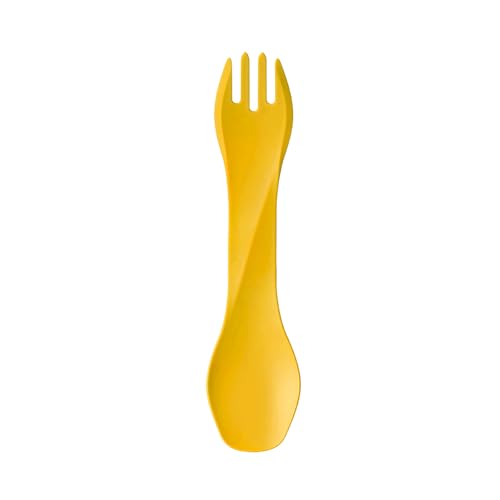
humangear GoBites Uno Spork (Yellow)

Aquatabs 49mg Water Purification Tablets, 50 Pack

Aquatabs 397mg Water Purification Tablets, 100 Pack

FosPower NOAA Emergency Weather Radio A1 (Orange)

FosPower NOAA Emergency Weather Radio A3 (Orange)

FosPower NOAA Emergency Weather Radio A6 (Orange)

FosPower Emergency Weather Radio Model D9
What Each Pick Brings To The Table
Designed for families rather than solo backcountry travelers, this TSA-friendly pouch slides into a backpack, diaper bag, or carry-on without dominating the space. The 130-piece count covers the everyday cuts and scrapes that come with curious kids exploring a trailhead or a roadside stop.
Where it earns its keep is the labeling, which leans toward the playful side so younger campers can actually engage with the kit. For car-camping weekends with kids in tow, it’s the kind of low-fuss supply you toss in the trunk and forget about until someone trips over a campfire ring.
Everyday Perks
- Travel-sized profile fits purses, backpacks, and diaper bags without bulk complaints
- Wide assortment of bandages handles routine trail and campsite owies
- Child-friendly aesthetic makes it approachable for younger campers
- TSA-friendly design simplifies air-travel transitions on family trips
Things To Consider
- Not built for serious backcountry injuries, so pack a wilderness kit for remote routes
- Quantity per category runs thin once the kit covers a multi-day family outing
Who It Suits Best
Parents leading family car-camping trips or quick weekend hikes with children who need a starter kit that handles minor scrapes.
Look Elsewhere When
Solo adventurers tackling multi-day backcountry routes will find the FosPower NOAA Emergency Weather Radio A6 better aligned with deeper preparedness planning.
Cold hands end trips faster than bad weather, and these air-activated warmers are the classic stash-and-forget solution. Each pair slips into a glove or pocket and starts producing heat the moment the packaging opens, no prep time, no chargers, no fuss.
The 40-pair count is overkill for a quick overnighter, which is exactly the point. You can hand them out to a whole group, drop a pair in every jacket, and still have a stockpile for next season. Where it sits apart from the rest of this list is sheer volume per dollar spent on disposables.
What Stands Out
- Long burn time covers a full day of cold-weather hiking
- Disposable format removes any charging or maintenance step
- Bulk packaging suits groups, guides, or season-long stockpiling
- Compact individual packets barely register in a pocket or glove
Worth Noting
- Single-use design generates ongoing waste across repeated trips
- Heat output is shorter on extremely windy, wet, or sub-freezing days
Made For
Winter campers, scout leaders, and cold-weather hikers who want grabbable heat without managing a rechargeable system.
Consider Something Else When
Through-hikers chasing ultralight setups may prefer the humangear GoBites Uno Spork for its reusable, ounce-counting design over more disposable supplies.
Most backpacking utensils fail at one of their two jobs, bending under soup duty or losing twirl on pasta. The GoBites Uno borrows a squared-off spoon profile for better scraping and adds serrated tine edges that split softer foods cleanly, which is a real advantage on dehydrated meal nights.
Weight is the headline number here. Built for backpackers counting every gram, this spork compresses to a flat profile that disappears into a cook kit. For thru-hikers weighing total pack weight, it’s a small upgrade that pays off across thousands of bites.
Good Reasons To Consider
- Featherweight construction barely registers against your base weight
- Dual-purpose spoon-fork design handles soup and pasta without swapping tools
- Serrated tine edges split dehydrated meals efficiently
- Bright yellow color stays easy to spot on a busy campsite
Trade Offs
- Single-utensil format means no knife edge for tougher prep work
- Plastic build can scuff or stress-crack with rough, repeated handling
Best Suited To
Long-distance hikers and ultralight backpackers who want one utensil that handles rehydrated dinners without adding weight.
Swap It Out When
Family campers packing a full cook kit will find the Aquatabs 49mg Water Purification Tablets a more useful trail upgrade than an ultralight utensil.
Filtering water bottle by bottle gets old fast on a long trail, and a chlorine-based tablet removes that hassle entirely. Drop one of these 49mg tablets into a quart of water, wait, and you’ve got potable drinking water without pumping, squeezing, or backflushing anything.
Day hikers and section hikers will appreciate the compact 50-count size. The lighter dose treats smaller volumes per tablet, which makes it well matched to refillable bottles rather than large base-camp reservoirs.
Key Advantages
- Tiny footprint slips into any pack pocket or ditty bag
- No pumping, squeezing, or moving parts to maintain in the field
- Treats clear stream and lake water where filters struggle with viruses
- Long shelf life covers multi-season kit storage
Room For Improvement
- Lower dose per tablet means more tablets per gallon versus the 397mg version
- Chlorine taste takes some getting used to on sensitive palates
- Requires a wait time before drinking, so plan ahead at camp
Quick Facts
Whose Shelf It Belongs On
Day hikers, fastpackers, and section hikers who refill bottles from streams and want a treatment that fits in a hip belt pocket.
A Better Fit Elsewhere
Groups treating multiple gallons at a base camp should reach for the Aquatabs 397mg tablets, which dose larger volumes per tab.
Where the 49mg version is a bottle-by-bottle solution, this 397mg tablet steps up to gallon-scale treatment. One tab purifies roughly four gallons, which means a single tablet can hydrate a small group without anyone waiting in line.
The 100-tablet count suits emergency kits and base-camp scenarios. It also doubles as a household prep item, since the same tablets handle drinking water in a power outage or a contaminated-water advisory without pumps or filters.
Strengths Worth Knowing
- Higher dose handles larger volumes per tablet
- Ideal for base camps, group trips, and emergency water storage
- Same bacteria, virus, and cyst coverage as the lower-dose sibling
- Long shelf stability supports long-term preparedness storage
Points To Note
- Bigger tablets need careful dosing for smaller bottles, or you’ll waste treatment capacity
- Bulk count adds pack weight compared to the lighter 49mg alternative
Feature Snapshot
The Right Fit
Group leaders, base-camp cooks, and prep-minded households who need gallon-scale water treatment in a single, low-tech step.
Reach For A Different Pick When
Solo fastpackers chasing a minimalist kit will be happier with the Aquatabs 49mg tablets and their smaller per-ticket footprint.
An emergency radio earns its place by working when everything else has died, and this A1 model covers the basics without overcomplicating the controls. NOAA weather band access gives you the forecasts that matter when a storm is rolling across your campsite.
Three charging sources (USB, solar, and a hand crank) keep it operational in nearly any situation. The 7400mWh battery is on the modest side, so think of it as a phone top-up rather than a full recharge station.
Advantages To Know
- NOAA weather alerts broadcast storm warnings directly to the radio
- Tri-source charging covers sunny, cloudy, and cable-only situations
- Compact body fits comfortably in a daypack or glove compartment
- Built-in flashlight covers nighttime trail navigation
Soft Spots
- Smaller battery caps how many phone recharges you’ll get in a stretch
- Solar panel charging is slow unless you dedicate direct midday sun
Who Should Grab It
First-time kit builders and casual campers who want a dependable weather radio without paying for higher-capacity battery features.
Skip It When
Off-grid campers needing multi-day device charging will find the FosPower NOAA Emergency Weather Radio A6 a stronger match for sustained runtime.
The A3 doubles the battery capacity of the entry-level A1, jumping to 14800mWh, which roughly translates to a couple of full phone charges in a pinch. It also adds an SOS alarm to the feature set, useful if you need to flag your position to a search team or signal a passing vehicle.
Compared to the A1, this radio covers weekend trip planning more comfortably, especially when your phone battery and your radio are both running low by Sunday morning. AM/FM bands sit alongside NOAA for entertainment and information.
Positive Points
- Larger 14800mWh bank handles multi-day device top-ups
- SOS alarm adds a real safety signal for emergencies
- Triple charging inputs match the entry-level model’s flexibility
- AM/FM bands expand beyond weather to news and entertainment
Honest Caveats
- Heavier than the A1, so it earns less space in a featherweight kit
- Flashlight output is functional rather than long-throw
Feature Rundown
Perfect Match For
Weekend campers and van-lifers who want a stronger battery and an SOS feature without stepping into the largest-capacity tier.
Where A Sibling Pick Shines
Long-haul campers needing the largest available capacity will prefer the FosPower NOAA Emergency Weather Radio A6 with its 19240mWh battery.
When your camping trip stretches into a week or your van is parked far from an outlet, runtime matters more than feature count. The A6 packs a 19240mWh battery, the largest in this lineup, so it acts as a real power bank for phones, headlamps, and small tablets.
Four charging paths add an extra input versus the A3, giving you more ways to keep the unit alive without electricity. For off-grid stays, this is the radio most likely to outlast the trip itself.
Useful Touches
- Highest battery capacity in the FosPower A-series at 19240mWh
- Four charging sources improve redundancy in poor weather
- Doubles as a multi-day power bank for personal electronics
- NOAA coverage stays consistent with the rest of the lineup
Practical Considerations
- Bulk and weight climb with battery size, so pack space gets eaten
- Higher cost compared to the A1 entry point
Built With In Mind
Off-grid campers, overlanders, and extended-stay adventurers who need the largest available capacity without going to a separate power station.
Not Your Match When
Casual weekend campers who recharge nightly will find the FosPower NOAA Emergency Weather Radio A1 lighter and easier to justify.
The D9 model takes the FosPower formula in a more capability-driven direction. Shortwave reception joins NOAA, AM, and FM, which opens up international broadcasts and amateur radio content when you’re well off the grid. Bluetooth 5.4 audio is a unique addition for a weather radio, letting you stream music or podcasts from a phone.
IPX3 water resistance handles light rain and the occasional splash, though it isn’t built for full submersion. Compared to the A3, you’re trading some battery capacity for richer input and output options, so think of this as the feature-led choice.
Real-World Strengths
- Shortwave band expands listening options beyond standard AM/FM
- Bluetooth 5.4 streaming turns it into a campsite speaker
- IPX3 splash resistance handles light rain and accidental spills
- 14800mWh battery matches the A3 for solid device top-ups
Less Ideal Details
- More features mean a steeper learning curve on the controls
- IPX3 rating stops short of the protection a true downpour demands
Technical Highlights
Who Will Love This
Preparedness-focused campers and shortwave enthusiasts who want richer listening options plus Bluetooth audio in one device.
Another Choice May Suit
Runners wanting pure runtime over features should consider the FosPower NOAA Emergency Weather Radio A6 for its larger 19240mWh battery.
Matching Your Kit To The Way You Actually Camp
Camping and hiking supplies work best when each piece solves a real friction point on your trip. Start by listing the conditions you’ll actually face: cold mornings, long water carries, group meals, multi-day off-grid stretches. The items in this roundup map to those scenarios directly, so a quick scan of your itinerary usually reveals which supplies pull their weight.
Weight is the next filter. Ultralight backpackers should weigh every gram, since a stainless spork and a feature-rich radio can both add up. Car campers have more room to spare, which means a higher-capacity emergency radio or a bulkier first aid kit becomes a reasonable trade. Hikers in between usually land on hybrid kits that balance portability and function.
Durability and weather exposure matter too. Anything that sits in rain, dust, or river spray should hold up to its rated conditions. IPX ratings, splash-resistant bodies, and tough polymer construction all extend a product’s working life, especially when the trip involves a river crossing or a sudden downpour. Read beyond the marketing and match the rating to your environment.
Finally, think about maintenance. Reusable gear needs cleaning and care, while disposable supplies need resupply. Choose based on whether you prefer a low-effort routine or a long-term reusable tool.
Cross-Cutting Notes Across These Picks
Where Shoppers Go Wrong
The biggest mistake is buying a high-capacity radio without realizing the solar panel recharges slowly, then expecting it to cover a week of cloudy skies. Match charging capacity to your typical trip length, and consider how often you’ll actually be near an outlet. Another trap is under-dosing water treatment. A 49mg tablet in a four-gallon jug won’t purify what a 397mg tablet will, so check the volume you’ll carry before settling on a pack size.
What The Higher Tier Buys
Stepping up from the A1 to the A6 in the FosPower line delivers roughly two and a half times the battery capacity, which translates into actual multi-day phone charging and longer runtime for the radio itself. Higher-tier kits also tend to add safety features like SOS alarms and broader band coverage, which matter most on extended off-grid trips where the consequences of being out of touch are real. The upgrade pays off when your trip length and remoteness demand it.