
A good night at a campground usually comes down to one quiet decision: how well your sleeping bag handles the temperature, the ground, and your body’s quirks. Cold feet, restless tossing, or damp layers can ruin an otherwise perfect trip, and the wrong bag makes you feel every pebble beneath your tent. The right bag disappears into the background so you wake up rested and ready for the trail, the coffee, and the morning light. This roundup narrows down five options built around real campground needs, from deep-winter trips to warm-weather overnights.
A Snapshot Of The Selections
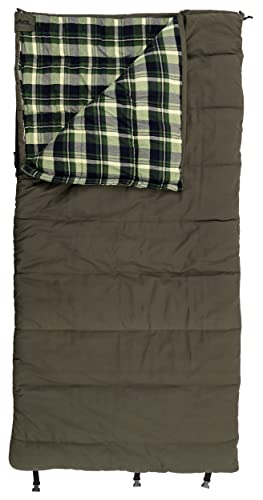
ALPS OutdoorZ Redwood -25 Sleeping Bag
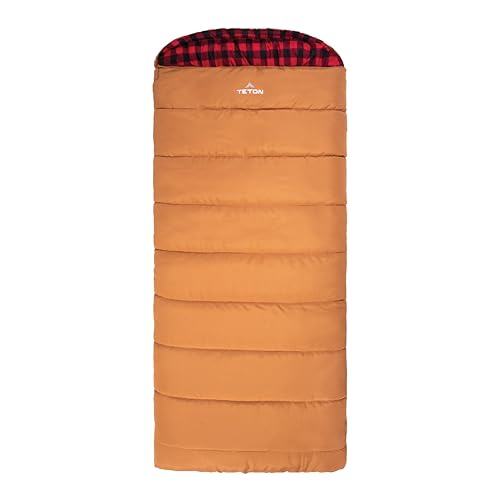
TETON Sports Deer Hunter Sleeping Bag

ORTHOMTEX Waterproof Sleeping Bag

PTEROMY Lightweight Backpacking Sleeping Bag

TANSTRIDER Cotton Flannel XXL Sleeping Bag
What Each Pick Brings To The Table
Built for campers who chase shoulder-season trips into genuine cold, the ALPS OutdoorZ Redwood -25 earns its spot at the top of the list with a rating aimed at sub-freezing nights. The oversized rectangle cut gives you freedom to roll, stash a water bottle inside, or curl up without feeling hemmed in by tapered walls. For anyone car camping in late autumn or setting up at high-elevation sites, the extra elbow room pays off when temperatures drop fast after sundown.
Inside, multi-hole staple-length micro-denier fibers with a siliconized finish trap warm air while keeping the overall loft soft rather than stiff. The result feels closer to a heavy down comforter than a crinkly synthetic, which matters when you’re trying to fall asleep in a cold tent. Compared to the TETON Deer Hunter’s rugged canvas shell coming up next, this bag prioritizes thermal performance over brute durability.
Where It Delivers
- Rated for deep cold, so you stay comfortable when overnight temperatures plunge well below freezing
- Oversized rectangle shape lets restless sleepers stretch, roll, and shift without fighting the fabric
- Siliconized synthetic insulation keeps warmth even when conditions turn damp
- Soft hand-feel makes it easier to drift off compared to stiff, crinkly shells
Things To Consider
- The bulk makes it a poor match for long-distance backpacking where pack space matters
- Canvas-style shells from other picks tend to handle abrasion better on rocky ground
Who It Suits Best
Car campers and basecampers facing genuine winter cold who value warmth and room to move over packable weight.
Reach For A Different Pick When
The PTEROMY Lightweight Backpacking Sleeping Bag fits backpackers much better, since it packs down smaller and suits warmer three-season trips.
The TETON Sports Deer Hunter trades synthetic lightness for old-school toughness, wrapping a fiber fill in a poly-cotton canvas shell. For hunters, ranchers, and campers who drag gear through brush or set up on rough platforms, that rugged exterior shrugs off scrapes that would shred a nylon bag. The mummy-style hood cinches around your head to seal in warmth on cold nights and keeps your pillow cleaner than a flat-opening design.
Unlike the ALPS Redwood’s roomy rectangle build, this one uses a more traditional tapered cut to lock in heat around your core. Owners commonly describe the canvas as breaking in over time, gaining a soft, broken-in feel after a few trips. The trade-off is weight: this bag earns its place at a fixed camp, not on a multi-mile trail.
What Earns Its Place
- Durable canvas shell handles abrasive surfaces and rough handling year after year
- Fiber fill rated for below-freezing conditions keeps warmth reliable in cold camps
- Cinchable mummy hood seals in heat and keeps your sleeping pillow cleaner
- Traditional construction appeals to campers who prefer time-tested materials
Worth Noting
- Heavier than synthetic ultralight options, so it’s a poor match for long hikes
- Canvas requires more drying time if it gets wet, and it’s bulkier to store than nylon bags
Made For
Hunters, fixed-base campers, and anyone who prioritizes a tough, long-lasting shell over minimal pack weight.
Where A Sibling Pick Shines
The ALPS OutdoorZ Redwood -25 Sleeping Bag suits campers who want a roomier rectangle cut with comparable cold-weather performance.
Designed for households that share gear between adults, kids, and weekend guests, the ORTHOMTEX Waterproof Sleeping Bag covers three- to four-season use with a broad temperature range. The waterproof outer shell matters on damp campground mornings when dew soaks everything left on the ground. For families rotating bags between a teenager and a parent, the versatile fit removes the headache of buying separate setups.
That waterproof layer is the real differentiator here, since many entry-level bags only resist light moisture. In practice, that means a spilled drink or a wet tent floor won’t immediately soak through to the insulation. Compared to the TANSTRIDER XXL coming up later, this one aims at moderate cold rather than roomy, big-and-tall comfort.
The Upside
- Waterproof shell keeps insulation dry on damp ground or in misty conditions
- Three- to four-season versatility suits spring, summer, fall, and mild winter trips
- Sizing works for adults and older kids, simplifying family packing
- Polyester build dries faster than cotton-blend alternatives after a wet night
Points To Note
- Temperature ratings are general guidance, so personal cold sensitivity plays a real role
- Not as generously cut as dedicated XXL bags for restless or larger sleepers
Right Fit For
Families and casual campers who want one bag that flexes between adults and older kids across three mild seasons.
Consider Something Else When
The TANSTRIDER Cotton Flannel XXL Sleeping Bag fits big-and-tall sleepers who want maximum interior space and a soft flannel lining.
Built for backpackers who count every ounce, the PTEROMY Lightweight Backpacking Sleeping Bag keeps its comfort range in the mild-to-warm zone. At roughly 7 feet 2 inches long and 2 feet 7.5 inches wide, it fits most adults up to about 6 or 7 feet tall without forcing a fetal position. Machine washability sounds mundane until you’ve tried cleaning a bag by hand at a trailhead, and this one solves that headache.
The water-resistant shell handles light drizzle and morning dew but isn’t a substitute for a proper rain fly. Where the ALPS Redwood aims at sub-freezing cold, this PTEROMY targets the opposite end: spring through fall comfort where overheating is the real concern. The double S-shaped stitching pattern, in plain terms, means the seams hold insulation in place rather than letting cold spots develop along stitch lines.
What Helps Most
- Lightweight build suits backpacking trips where every pound in your pack matters
- Machine washable fabric simplifies post-trip cleanup after dusty or sandy camps
- Double S-shaped stitching (a seam pattern that holds fill evenly) prevents cold spots from forming along stitch lines
- Generous length accommodates adults up to roughly 6 to 7 feet tall
Trade Offs
- Comfort range tops out around mild cold, so winter campers will need a warmer bag
- Water-resistant shell handles drizzle but not sustained downpours without a rain fly overhead
Who Will Love This
Backpackers and warm-weather campers who want a packable, easy-care bag for spring, summer, and fall trips.
Skip It When
The ALPS OutdoorZ Redwood -25 Sleeping Bag is the better fit for campers heading into genuinely cold weather.
For campers who feel squeezed by standard bags, the TANSTRIDER Cotton Flannel XXL offers a generous 90.5 by 39.4 inch footprint that finally leaves room to sprawl. The flannel lining is a small luxury that turns cold nights into something closer to sleeping in soft sheets than crunching through nylon. At roughly 6.2 pounds, this is firmly a car-camping bag, but the comfort tradeoff is real for anyone who tosses and turns.
The comfort range sits around 40 to 45 degrees Fahrenheit, which covers most three-season campground nights outside of true winter. The waterproof outer shell handles wet grass and surprise drizzles without soaking through to that soft flannel. Compared to the ORTHOMTEX covered earlier, this one prioritizes roomy dimensions and a soft hand-feel over multi-user family versatility.
Positive Points
- XXL dimensions give big-and-tall sleepers genuine room to stretch and turn
- Flannel lining feels softer and warmer against skin than standard nylon interiors
- Waterproof shell keeps the flannel dry on wet ground or in light rain
- Machine washable construction simplifies post-trip cleaning
Honest Caveats
- At 6.2 pounds, it’s too heavy for backpacking and eats cargo space on motorcycle trips
- Comfort range bottoms out near 40 degrees, so deep-winter campers need a warmer option
- Flannel takes longer to dry than pure synthetic linings if it gets soaked
Best Suited To
Big, tall, or restless car campers who want roomy comfort and a soft flannel feel on cool nights.
A Better Fit Elsewhere
The PTEROMY Lightweight Backpacking Sleeping Bag is the smarter pick for backpackers who need to save weight and pack space.
Picking The Right Campground Sleeping Bag For Your Trips
Match The Temperature Rating To Your Real Conditions
A bag’s temperature rating tells you the lower limit at which an average sleeper stays comfortable, but personal cold sensitivity shifts that number significantly. Campers who run cold at night should treat ratings as a starting point and lean toward a warmer bag than the forecast suggests. For shoulder-season trips into genuine cold, look for synthetic or treated fills that hold insulation value when damp, since condensation and morning dew are unavoidable at most campgrounds.
Shape Changes How You Sleep
Mummy bags taper at the feet and shoulders, which traps heat efficiently but limits movement for restless sleepers. Rectangle bags, like the ALPS Redwood and TANSTRIDER XXL, feel closer to a bed at home and let you stretch, but they carry more dead air that your body must heat. Semi-rectangular shapes split the difference, giving some taper for warmth without the full claustrophobic feel of a tight mummy.
Weight And Packability Matter More Than You Think
Backpackers count ounces, but even car campers benefit from a bag that compresses to a reasonable size for storage between trips. Heavy canvas and flannel-lined bags reward you with comfort and durability, yet they demand trunk space and longer drying times. Synthetic shells pack smaller and dry faster than cotton blends, which is a real advantage on multi-day trips or wet campground mornings.
Shell Fabric And Lining Set The Daily Feel
Nylon and polyester shells stay light and dry quickly, while canvas and poly-cotton blends trade weight for abrasion resistance. Flannel and brushed linings feel soft against the skin but add weight and slow drying compared to smooth synthetics. Think about how often you’ll hand-wash the bag, how rough your typical campsite is, and whether softness or durability matters more on your trips.
Smart Choices That Save You Money
Where Shoppers Go Wrong
Plenty of shoppers grab the cheapest bag on the shelf without checking the temperature rating, then shiver through a 35-degree night because the bag was only rated for 50 degrees. Others assume “water-resistant” means “waterproof” and wake up soaked when a surprise shower rolls through. Match the bag’s rating to your lowest expected temperature, and pair any water-resistant shell with a proper rain fly or footprint for real storms.
When Paying More Pays Off
A higher-tier bag usually buys you better fill quality, tighter stitching, and a shell that holds up after years of stuffing and unstuffing. For campers who hit the campground more than a handful of weekends each season, that durability shows up quickly in fewer cold spots and longer service life. Occasional campers can save by choosing a solid mid-range option, but frequent travelers usually find the upgrade pays for itself in comfort and longevity.
Frequently Asked Questions
What temperature rating should I look for?
Add about 10 to 15 degrees of buffer to the coldest temperature you expect at your campsite, since ratings assume an average sleeper and a warm sleeping pad beneath you.
Are synthetic fills better than down for campground use?
Synthetic insulation handles moisture better and dries faster, which matters at campgrounds where damp ground and morning dew are common. Down compresses smaller and weighs less, yet loses loft when wet and takes longer to dry.
How do I clean a campground sleeping bag?
Most modern bags are machine washable on a gentle cycle with mild detergent, then tumble-dried on low with clean tennis balls to break up clumped fill. Always check the care label first, since canvas and flannel-lined bags sometimes need different handling.
Can I use a campground sleeping bag for backpacking?
Only if the bag’s packed weight and compressed size fit your pack capacity. Lightweight options like the PTEROMY work for trails, while heavier XXL and canvas bags are better suited to car camping.
Do I need a sleeping pad under my bag?
A sleeping pad is essential, since it insulates you from the cold ground and prevents heat loss that no bag can fully replace. Even the warmest bag loses much of its effectiveness without a pad beneath you.
The Takeaway
The best campground sleeping bag is the one that matches your typical weather, your sleep style, and how you actually travel. Cold-weather campers chasing shoulder-season trips gravitate toward the ALPS Redwood or TETON Deer Hunter, while families and casual campers find solid value in the ORTHOMTEX. Backpackers and warm-weather travelers reach for the PTEROMY, and anyone who simply needs room to sprawl lands on the TANSTRIDER XXL. Pick the bag that fits your nights, and the rest of the trip falls into place.