
A wet morning at a state park, or a stubborn log in a backyard fire pit, can turn a relaxed cookout into a wrestling match with kindling. The right campfire starter removes that friction: one match, a few minutes of burn time, and you’re working with steady flame instead of fighting damp wood. This roundup covers nine options across different counts, materials, and burn profiles, so a casual griller, a frequent car camper, and someone stocking an emergency kit can each find a sensible match.
A Fast Comparison Of The Options

JDZKOMKE 72pcs Waterproof Fire Starters

JDZKOMKE 216pcs Waterproof Fire Starters

JDZKOMKE 150pcs Waterproof Fire Starters

JDZKOMKE 110pcs Waterproof Fire Starters

Superior Trading Fire Starter Pods (30 Pods)
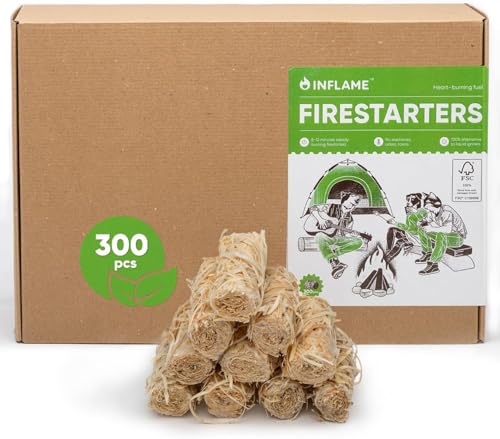
Inflame Fire Starters 300 pcs

Rutland Fire Starter Cubes

Kamado Joe Fire Starter Cubes (48 Pack)

Inflame Fire Starters 130 pcs
More On The Choices That Made The List
The JDZKOMKE 72-piece bundle sits in a comfortable middle for someone who lights a fire pit a few weekends a month and wants a simple, consistent tool. Each stick is woven from natural pine fiber bound with food-grade wax, which means no chemical taste drifting into food cooked over the flames. That matters if you plan to grill skewers or toast marshmallows directly above the starter, since petroleum-based cubes can leave a faint aftertaste in sensitive dishes.
Compared with the larger JDZKOMKE bundle reviewed below, this count is friendlier for a single household, and the storage footprint stays modest in a garage shelf or camping bin. For most weekend cooks, one stick is enough to catch even slightly stubborn kiln-dried logs, and the natural wax coating helps ignition stay reliable when kindling has been sitting in damp air.
A Favorable Mix
- Natural pine and wax build skips the chemical smell common with petroleum starters
- Waterproofing helps when wood or charcoal has absorbed overnight moisture
- 72 sticks is enough for several months of casual fires without bulk-buy storage
- Each stick burns long enough to ignite mid-sized logs without extra tinder
- Compact form factor slips into a backpack pocket for trail-side cooking
Things To Consider
- Sticks need to be stored dry long-term; a sealed bin helps in humid garages
- A single stick burns out faster than the heavier cube-format options later in this roundup
Made For
Casual backyard fire-pit hosts and weekend campers who want a natural-material starter without committing to a huge count.
Swap It Out When
Light-volume users should look at the Rutland Fire Starter Cubes, which fit better in a small apartment hearth drawer.
Three times the count of the first pick, the JDZKOMKE 216-piece bundle is built for households that burn through starters fast or share gear with neighbors and family. The same pine-and-wax recipe applies here, so the flavor profile over a cooking fire stays neutral. For a household hosting weekly summer cookouts, a stockpile this size means you stop rationing and start using one stick per fire, even for quick chimney-light sessions.
The trade-off is purely about storage: a 216-count box takes up meaningful space, and you’ll want a lidded bin in a shed or garage to keep everything dry between uses. For most families lighting fires almost daily through summer, the math works out; for occasional users, the 72-count is the saner starting point.
Notable Upsides
- Highest count on the list, ideal for group camping, rentals, or extended cabin stays
- Same natural composition as the smaller JDZKOMKE bundles for consistent performance
- Wax-bound sticks stay usable even after accidental exposure to rain or dew
- Allows single-stick-per-fire habits without worrying about running out mid-season
Worth Noting
- Requires a sealed container or shelf space to prevent long-term moisture creep
- Overkill for apartment dwellers who only light a fire a handful of times a year
- Box itself is bulky and not designed for portable backpack carry
Right Fit For
Large families, outdoor enthusiasts, and small rental properties that cycle through starters at a steady pace.
A Better Fit Elsewhere
Casual cooks might prefer the 110-count JDZKOMKE bundle reviewed next, which balances bulk with realistic shelf-life.
The 150-piece JDZKOMKE bundle lands in the practical middle: more than a casual user typically needs, but not so much that you forget what’s in the box. It uses the same pine wood and food-grade wax recipe as its siblings, so you get predictable ignition behavior whether you’re lighting a backyard chimenea, a fire pit, or a charcoal chimney on the deck.
For households running a weekly ritual, this bundle often outlasts a single season, and the natural composition makes it suitable for food-adjacent fires like pizza ovens and rotisserie setups. The format is the same stick design across the brand, so switching between bundles never requires rethinking your lighting technique.
Well-Handled Touches
- Mid-tier count suits families with a steady fire routine
- Natural wax coating lights reliably even when wood has been stored outside
- Stick format works in chimneys, fire pits, and wood stoves without modification
- Food-safe materials keep grilled foods free of chemical aftertaste
- Easier to portion into smaller ziplock bags for camping trips
Room For Improvement
- Bulk format can feel wasteful for occasional single-fire weekends
- Sticks can crack if roughly handled during transport between sites
Key Specs
Best Suited To
Active outdoor households and grill enthusiasts who light fires often enough to justify stocking up without going to extreme bulk.
Skip It When
You want a smaller footprint indoors: consider the Rutland Safe Lite Squares reviewed later, which tuck into a hearth-side tin.
The 110-piece bundle shares the same pine-and-wax composition as the rest of the JDZKOMKE family, but slots into a smaller, more manageable box that suits couples and small families. You get enough sticks to handle an entire season of weekend fires without committing to the heavier 150 or 216-count options.
Storage is the quiet win here. The box sits comfortably on a garage shelf next to a charcoal bag without dominating the space, and splitting it into two smaller containers makes it easy to keep some at home and some in a camping bin. For most suburban backyards, this count hits the realistic sweet spot.
Strengths Worth Knowing
- Count lands in a realistic range for typical suburban use
- Natural pine and food-grade wax composition is friendly for food-cooking fires
- Waterproofing helps when kindling has been stored under a tarp or open shed
- Easy to split into smaller quantities for travel or guest kits
A Few Limitations
- Still bulkier than cube-format alternatives for indoor-only fireplaces
- Wax coating can soften in extreme summer heat during shipping storage
Who Should Grab It
Couples and small families who light a fire a few times a month and want a sensible stockpile without committing to bulk.
Look Elsewhere When
High-volume grill masters should step up to the Inflame 300-piece bundle reviewed below.
The Superior Trading pods take a different approach from the JDZKOMKE sticks. Each pod is a compressed cylinder of natural wood shavings and food-grade wax, sized roughly 1.5 by 1.75 inches, with a 15 to 20 minute burn window. That longer flame time is the headline feature: it gives dense hardwoods and stubborn charcoal plenty of time to catch before the pod burns out.
The pod format also handles damp conditions well. A pod placed under slightly wet kindling tends to sustain a flame long enough to dry the surrounding wood, which is a real advantage during shoulder-season camping trips. The resealable pack keeps the remaining pods dry between sessions.
What Helps Most
- Extended burn window handles dense logs and stubborn charcoal piles
- Compressed pod format resists breakage during transport better than long sticks
- Resealable outer pack simplifies storage and keeps moisture out
- Natural wood-and-wax composition keeps food flavor clean over cooking fires
Some Limits To Know
- Only 30 pods per pack means frequent users will run out quickly
- Larger pod size is awkward to split for smaller fire setups
Feature Snapshot
Perfect Match For
Campers and homeowners dealing with dense oak, hickory, or older kiln-dried logs that resist quick ignition.
Where Another Pick Suits Better
Casual users wanting more pieces per purchase should look at the Inflame 300-piece bundle later in this list.
The Inflame 300-piece bundle is the largest count in this roundup and caters to group camping, rental cabins, scout troops, and households that keep multiple fire pits lit across the year. Each cube burns for 8 to 12 minutes, enough to ignite dry kindling and small logs without help from additional tinder.
Compared with the JDZKOMKE sticks, Inflame uses a cube format that stacks neatly into storage totes. For most home users, this much material means you’re effectively buying a season or two in advance, so you’ll want a dry location to park the box. For serious fire users, though, that scale is exactly the point.
Why It Works Well
- Massive count for the lowest per-piece refill cost among the sticks and cubes
- Cube format stacks efficiently in totes, bins, and RV storage compartments
- 8 to 12 minute burn window handles typical campfire and grill startups
- Useful for indoor fireplaces, outdoor pits, and charcoal chimneys alike
- Lights quickly when placed under logs and ignited from the side
Potential Drawbacks
- Requires a sizeable storage bin to keep the bulk count organized
- Shorter burn window than the Superior Trading pods for tough hardwoods
- Overkill for users who light fewer than a dozen fires per year
Who It Suits Best
Group leaders, RV owners, and homeowners with multiple fire features who need a single purchase to last.
Consider Something Else When
Light users wanting fewer pieces in a smaller box should pivot to the Inflame 130-count bundle reviewed near the end.
Rutland has been a familiar name in fireplaces and wood stoves for years, and these Safe Lite squares target the indoor hearth crowd more than the open-pit griller. The small square cubes tuck into a hearth-side tin or a junk drawer without complaint, and they don’t add the chemical smell that some petroleum-based starters do on cold winter nights.
They work outdoors too, but the format and the modest per-pack count make them most useful for fireplaces, wood stoves, and pellet stove startups. If your main concern is lighting a clean flame in a controlled environment without dragging around a 100-piece box, this is the form factor to reach for.
Points In Its Favor
- Compact square format fits in tight hearth storage and small camping kits
- Designed for indoor fireplaces, wood stoves, and pellet stove ignitions
- Lights reliably when wet, useful for outdoor storage between seasons
- Doesn’t transfer odor to food when used under charcoal or kindling
Trade Offs
- Smaller pack count means more frequent repurchasing for heavy users
- Burn window is shorter than the Superior Trading pods for stubborn logs
Feature Card
Whose Shelf It Belongs On
Indoor fireplace owners and wood stove users who want a discreet, low-odor starter stored near the hearth.
Where A Sibling Pick Shines
Outdoor grill enthusiasts should consider the Kamado Joe cubes reviewed next, which reach higher ignition temperatures.
The Kamado Joe cubes are tuned for the high-heat demands of charcoal grills, kamado cookers, and chimney starters. Each cube burns odorless and smokeless, reaching temperatures up to 1300 degrees Fahrenheit over an 8 to 12 minute window. That profile matters when you’re lighting a chimney full of lump charcoal and need a starter that won’t taper out before the top coals catch.
The other appeal is clean air compliance. The cubes are designed to meet strict air quality codes, which makes them a sensible pick for users in regions with smoke restrictions or for grillers who simply want a flame that doesn’t introduce chemical smell to their cook. Wet ignition is also built in, so a stray rain shower doesn’t ruin the cookout.
What Works In Its Favor
- High-heat output handles charcoal chimneys and kamado grills efficiently
- Odorless and smokeless flame keeps food flavor clean
- Designed to meet strict regional air quality codes
- Lights reliably even after exposure to moisture
- 48-count pack balances capacity with manageable storage
Points To Note
- Higher temperature means more ash residue inside chimneys to clean
- Per-piece cost runs higher than the bulk JDZKOMKE and Inflame bundles
Who Will Love This
Charcoal grill enthusiasts and kamado owners who want a clean, high-temperature ignition source without chemical flavor.
Reach For A Different Pick When
Budget-focused users lighting mostly low-temperature fire pits should choose the Inflame 300-count bundle instead.
The Inflame 130-count bundle is the smaller sibling to the 300-count reviewed earlier, and it targets users who want Inflame’s consistent cube format without the bulk-storage commitment. Each cube burns 8 to 12 minutes, fitting the same use cases across campfires, fireplaces, wood stoves, charcoal chimneys, and grills.
For a household running monthly backyard cooks or a couple of weekend camping trips per season, 130 cubes typically covers the year without leaving a half-empty box sitting in the garage. It’s the safer entry point for users who haven’t committed to a brand yet but want enough count to judge whether the format fits their routine.
Strong Points
- Manageable count suits users easing into regular fire routines
- Cube format lights quickly and burns steadily for typical fire setups
- Versatile across indoor and outdoor fire features
- Natural composition keeps food flavors clean over cooking fires
Trade-Offs To Consider
- Per-piece cost runs higher than the 300-count sibling bundle
- Burn window is shorter than the Superior Trading pods for thick hardwoods
Feature Rundown
Built With In Mind
Casual outdoor households and first-time stockpile builders testing whether cube-format starters fit their routine.
Not Your Match When
Heavy fire users who already know they cycle through dozens of cubes monthly should step up to the Inflame 300-count bundle.
Picking The Right Campfire Starter For Your Setup
The first attribute that matters is the material. Natural pine fiber, wood shavings, and food-grade wax compositions burn cleaner than petroleum-based cubes, which is a real consideration when you’re cooking food directly over the flame. For indoor fireplaces, odorless and smokeless profiles keep the living room comfortable, while outdoor pit users can prioritize longer burn windows over scent.
The second factor is burn duration. Sticks and cubes in this list range from roughly 8 to 20 minutes of flame, and that window determines whether they can ignite dense hardwood or only dry kindling. The Superior Trading pods lead on burn time for tough logs, while the JDZKOMKE sticks and Inflame cubes handle everyday kindling and charcoal without issue.
Format shapes how you store and use the product. Long sticks break if roughly handled but pack efficiently in ziplock bags for travel. Compact cubes stack in bins and chimneys but require dedicated storage for larger counts. If you only light a fire occasionally, a smaller count prevents waste; if you host regularly, larger bundles like the Inflame 300 or JDZKOMKE 216 save repeated repurchasing.
Wet-weather performance is a real-world consideration for outdoor users. Most of the picks in this list claim waterproofing, and the natural wax coating on sticks and cubes does help when kindling has absorbed overnight moisture. Still, long-term storage in a sealed bin extends shelf life and keeps ignition behavior consistent.
Common Ground And Differences Across The Lineup
Pitfalls Shoppers Hit
A common mistake is buying a giant bundle before confirming the format works for your fire pit. If a cube doesn’t fit your chimney or a stick breaks during transport, you’re stuck with material you’ll never use. Starting with a smaller count and a familiar brand lets you confirm fit before committing to bulk.
Another trap is ignoring storage. A 300-count box left open in a humid garage loses ignition reliability over time, even with waterproofing claims. Plan a sealed bin or lidded tote before the product arrives, and split large bundles into smaller working containers so the main stash stays untouched.
Where The Extra Money Goes
Premium-tier cubes like the Kamado Joe offer higher ignition temperatures and cleaner burn profiles, which matter when cooking on charcoal or in regions with strict air quality codes. The upgrade pays off for serious grillers and kamado owners who fire up weekly. For casual fire pit use, that extra heat capability is rarely necessary, and a budget bundle performs identically. The honest read: spending more only buys benefits you can actually feel during the cookout.