
Cooking outdoors hits differently when your kitchen shrinks to a duffel bag. The right portable grill turns a campsite, a tailgate, or a cramped RV pad into a real meal, and the wrong one means squaring off against uneven heat or a unit that barely fits in the trunk. This lineup covers charcoal classics and propane workhorses that travel well, set up fast, and clean up without a fight.
A Fast Comparison Of The Options
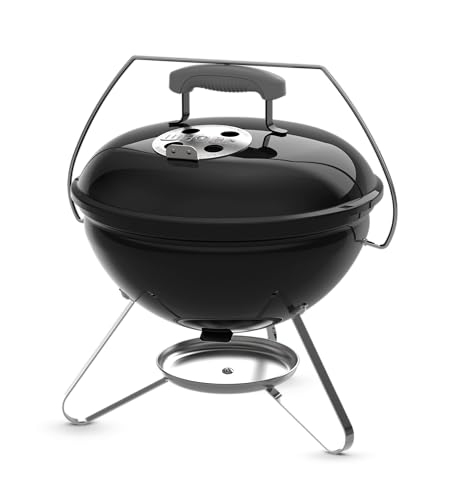
Weber Smokey Joe 14-Inch Portable Charcoal Grill

Weber Jumbo Joe 18-Inch Charcoal Grill
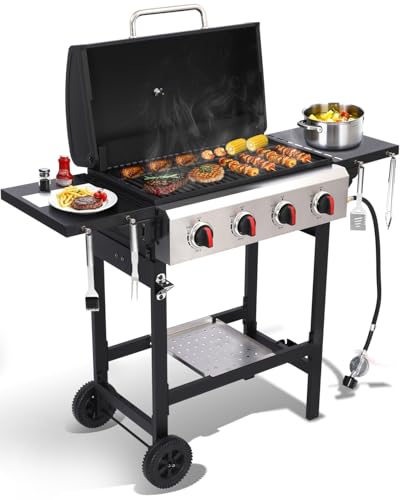
Grill Depots 4-Burner Portable Propane Grill

Royal Gourmet CC1830S Charcoal Grill and Offset Smoker

Royal Gourmet CD1519 Portable Charcoal Grill with Warming Rack

Royal Gourmet CD1824ET Movable Charcoal BBQ Grill

Grill Depots 3-Burner Propane Gas Grill with Double-Layer Lid
Taking A Closer Look At The Options
The Smokey Joe has earned its reputation for a reason: it scales the classic Weber kettle shape down to a footprint that disappears into a car trunk or a kayak hatch. The Tuck-N-Carry lid lock keeps the bowl and lid together while you walk, which sounds small until you’ve tried balancing a hot grill across a campsite.
Fire up enough charcoal for a couple of burgers or four steaks, and the porcelain-enameled bowl (a glass-fused coating on steel that resists rust and cleans up easily) holds heat surprisingly well for a 14-inch unit. Solo travelers and couples running tight meal plans tend to love the size. Bigger crews will feel pinched.
Good Reasons To Consider
- The lid lock means one-handed carry across gravel, sand, or uneven ground.
- Porcelain-enamel finish holds up to weather and scrubs clean with a brush.
- Real charcoal flavor from a unit that lives in your trunk, not your garage.
- Feeds two to four people without crowding the grate.
Things To Consider
- Charcoal takes longer to light and reach cooking temp than propane.
- No ash-catching convenience beyond standard cleanup, so plan a disposal spot.
Who It Suits Best
Solo campers, couples, and anyone tailgating who values charcoal flavor over speed will feel right at home with the Smokey Joe.
Consider Something Else When
Groups feeding six or more should look at the Weber Jumbo Joe for a similar kettle feel with more grate real estate.
The Jumbo Joe takes everything the Smokey Joe does well and stretches the cooking surface to 240 square inches, which roughly translates to eight burgers at once instead of four. Camp hosts cooking for extended family or a tight crew of friends will notice the breathing room immediately.
Compared to the smaller Weber on this list, the plated steel cooking grate (a chrome-coated steel rack that heats evenly and resists corrosion) and the rust-resistant aluminum dampers make the Jumbo Joe feel like a real grill rather than a compromise. It still travels, just with a wider footprint in the trunk.
What Pays Off
- The 240-square-inch grate handles a full meal for a small group without batching.
- Adjustable dampers give genuine temperature control, not just guesswork.
- Porcelain-enamel bowl and lid shrug off weather between trips.
Room For Improvement
- Bigger than the Smokey Joe, so verify trunk space before committing.
- Still charcoal-only, with the longer startup time that implies.
Made For
Group campers and tailgaters who cook for five to eight people on a regular schedule.
Look Elsewhere When
Anyone prioritizing quick weeknight dinners should step over to the Grill Depots 4-Burner Propane Grill for push-button heat.
Four burners, a folding side table, and 40,000 BTU (British Thermal Units, a measure of heat output where higher numbers mean faster cooking and hotter grates) make this the closest thing to a full backyard grill that still folds into a vehicle. Cast iron grates hold heat for proper sear marks, while the included griddle pan covers breakfast duty.
For base-camp cooks feeding a hungry crowd, the propane heat means dinner happens in minutes, not after a charcoal chimney (a metal cylinder that ignites coals evenly without lighter fluid) warms up. You’ll need a propane tank and a flat surface, but the folding table helps with the second part.
A Favorable Mix
- 40,000 BTU split across four burners handles simultaneous searing and simmering.
- Porcelain-enameled cast iron grates hold heat for solid sear marks.
- Folding side table gives prep space that disappears for transport.
Small Caveats
- Heavier and bulkier than charcoal kettles, so verify your vehicle setup.
- Propane tanks and refills add an extra logistics layer to every trip.
Best Suited To
Base-camp hosts and family campers who cook full meals and want propane convenience without sacrificing burner count.
A Better Fit Elsewhere
Backpackers and ultralight travelers will find the Royal Gourmet CD1519 easier to lug to a remote site.
The CC1830S pairs a charcoal grill with a compact offset smoker (a small side firebox that lets smoke flow into the main cooking chamber for low-and-slow flavor), which means ribs and pulled pork become possible without buying a second piece of gear. A built-in temperature monitor takes the guesswork out of long cooks.
Beginners often get overwhelmed juggling fuel, vents, and timing all at once. The lifting racks here give you a tool to control heat without constant lid lifting, which keeps temperatures steady. It’s the most forgiving entry point into real smoking on this list.
Notable Upsides
- Two-in-one design means grilling tonight and smoking ribs tomorrow.
- Temp monitor gives beginners real feedback instead of pure guesswork.
- Lifting racks let you adjust heat without losing all your smoke and warmth.
Worth Noting
- Offset smokers have a learning curve even with helpful features.
- Larger footprint than a straight kettle, so storage space matters.
Right Fit For
First-time smokers and curious grillers ready to branch into low-and-slow cooking at camp.
Skip It When
Quick-grill purists who never cook past 30 minutes will get more value from a simpler kettle like the Weber Jumbo Joe.
Side handles, a compact frame, and 303 square inches of cooking area make the CD1519 a smart pick for anyone who wants real charcoal capacity without the bulk of a full kettle. The warming rack adds a layer for buns or veggies while the main grate handles the meat.
Where the Weber Smokey Joe leans into brand heritage, this Royal Gourmet offers more cooking space in a similar portable footprint. Trunk space stays manageable, and setup at a beach or park takes seconds rather than minutes.
Practical Advantages
- 303 square inches feeds a small group without splitting into batches.
- Side handles let two people share the carry without a lid lock.
- Warming rack keeps finished food hot while the rest finishes cooking.
Trade Offs
- Build feels lighter than the Weber kettles, so handle with a bit more care.
- Standard charcoal cleanup applies, with no special ash management.
Whose Shelf It Belongs On
Weekend travelers who want extra grate space over the Smokey Joe without stepping up to a full kettle.
Not Your Match When
Anyone chasing propane speed or multi-burner control will find the Grill Depots 4-Burner a better daily driver.
The CD1824ET stretches to 360 square inches on the main grate with a 101-square-inch warming rack, enough to claim roughly 24 burgers at once. Foldable side tables give you actual prep space at the campsite, not just a ledge to balance a plate on.
Wheels make it movable across a patio or campsite without a full lift, and the side tables drop down for transport. Family cooks running tight meal rotations will appreciate the extra surface area.
The Case For It
- 360-square-inch main grate covers a full family cookout in one round.
- Foldable side tables provide real prep and landing space at camp.
- Wheels reduce the lift-and-carry problem at the campsite.
Points To Keep In Mind
- Bigger frame than the CD1519, so trunk space planning matters.
- Charcoal startup still applies; the larger bowl just takes longer to fill.
Who Should Grab It
Family campers and group cooks who want a full grill experience with wheels at the campsite.
Reach For A Different Pick When
Anyone prioritizing portability above all else should stay with the Weber Smokey Joe for a tighter footprint.
The double-layer stainless steel lid sets this Grill Depots model apart: two metal walls trap heat inside the cookbox, which means steadier temperatures even with the lid open and closed repeatedly during a cook. 30,000 BTU across three burners covers most weeknight dinner needs.
Wheels and folding side shelves keep the transport story reasonable, though the stainless finish and heavier build lean more toward car camping than backpacking. For campers who want backyard-style results in a portable package, this lands in the right zone.
Features That Help
- Double-layer lid holds heat for steadier cooking temperatures.
- Three burners cover direct grilling and indirect cooking at the same time.
- Stainless steel finish resists rust and wipes clean after messy cooks.
- Folding sides and wheels simplify transport between car and campsite.
Honest Caveats
- Requires a propane tank and the refills that come with it.
- Stainless steel shows fingerprints and needs a wipe-down to stay presentable.
Built With In Mind
Car campers and tailgaters who want gas convenience with the kind of heat retention you’d expect from a larger home grill.
Where A Sibling Pick Shines
Cooks chasing raw charcoal flavor should turn to the Royal Gourmet CC1830S for grilling and smoking in one unit.
What Matters Most Before Choosing Camper Bbqs
Fuel Type Sets The Pace
Charcoal rewards patience with deep flavor and higher cooking temperatures, but you’ll wait for the coals to light and clean ash afterward. Propane starts fast and lets you dial in temperature, though you trade flavor nuance for convenience. Match the fuel to your typical meal plan rather than the other way around.
Portability Vs. Cooking Area
Every portable grill trades grate size for footprint. The Smokey Joe fits in a closet but feeds two; the Grill Depots 4-Burner feeds a crowd but claims real estate in your vehicle. Map your trunk, your campsite pad, and your average cookout headcount before choosing.
Build Quality And Cleanup
Porcelain enamel on the bowl and lid resists rust and scrubs clean with a wire brush. Cast iron grates hold heat beautifully but need oiling between sessions. Stainless steel looks sharp but shows every fingerprint and requires consistent wiping to stay presentable.
Extras That Change The Cook
Warming racks, folding side tables, and offset smoker boxes add real function without much weight. A unit like the Royal Gourmet CC1830S handles grilling and smoking in one frame, which matters when packing space is tight.
Key Considerations Across These Picks
Pitfalls Shoppers Hit
The most common miss is underestimating trunk space. A grill that barely fits at home becomes a hassle at the campsite, and many shoppers only realize it after the first trip. Another slip is buying the largest grate possible without considering fuel logistics: charcoal in bulk is heavy, and propane tanks need spares for longer stays. Finally, ignoring weight matters more than expected, especially if you’re unloading solo.
Where The Extra Money Goes
Higher-tier models typically add heat retention, better materials, and real prep space. The double-layer lid on the Grill Depots 3-Burner, the offset smoker on the Royal Gourmet CC1830S, and the cast iron grates on the 4-Burner each solve a specific frustration. The upgrade pays off when you cook often enough to feel those frustrations. Weekend-only cooks may not notice the difference.
Frequently Asked Questions
What size grill do I need for camping?
For two people, a 14-inch kettle handles most meals. Groups of four to six benefit from 240 to 360 square inches. Larger crews should consider a full-size portable with multiple burners or accept cooking in batches.
Is charcoal or propane better for camper bbqs?
Charcoal delivers deeper flavor and higher searing heat, while propane offers faster startup and easier temperature control. Pick charcoal for flavor-focused cooks and propane for convenience and quick meals.
Can I use a portable grill on a wooden deck?
Most manufacturers warn against placing any grill directly on combustible surfaces. Use a grill mat, a heat-resistant pad, or set up on a concrete or stone surface. Check the specific unit’s manual before placing it on anything wood.
How do I clean a portable grill at the campsite?
Let the grill cool partially, then brush the grate with a wire brush while still warm. Empty ash into a metal container once fully cooled. Wipe down porcelain or stainless surfaces with a damp cloth before packing up.
Do I need to bring extra propane or charcoal?
Yes. A standard 1-pound propane cylinder lasts roughly an hour or two of cooking, while a small bag of charcoal covers two to three meals. Bring spares, especially for multi-day trips where resupply is limited.
The Takeaway
The right camper bbq depends on how you actually cook in the wild. Solo travelers and couples will feel right at home with the Weber Smokey Joe or the Royal Gourmet CD1519, while families and group cooks get more room to work with the Jumbo Joe or the CD1824ET. Propane loyalists should look at the two Grill Depots models for fast, controlled heat, and curious beginners can learn smoking basics on the Royal Gourmet CC1830S without buying a second piece of gear. Match the grill to your meal plan, your vehicle, and your patience for startup time, and the rest takes care of itself at the campsite.