
Hydration matters more than most campers realize until they’re four miles down a dusty trail, sweat-soaked, with an empty bottle and no creek in sight. The right bottle keeps you topped up through long afternoons at basecamp, fits your pack without rattling around, and survives the inevitable drop on the trail. Whether you’re filtering at a backcountry lake or just refilling at the car, this list covers seven options that earn their spot in your kit.
The Shortlist At A Glance

Nalgene 32 oz Narrow Mouth Water Bottle (Flame w/Blue Atoll)
Nalgene 16 oz Wide Mouth Water Bottle (Amethyst)

Nalgene Sustain Tritan 32 oz Narrow Mouth (Orange)
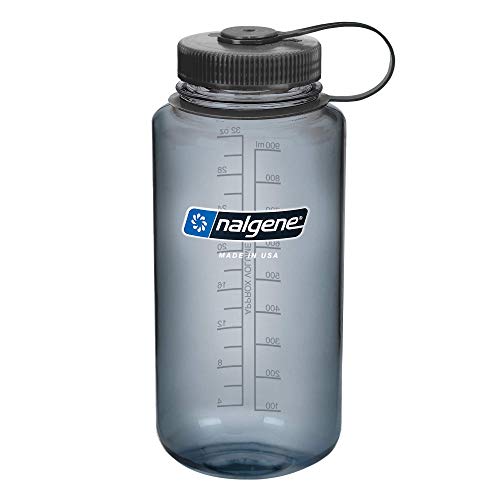
Nalgene 32 oz Wide Mouth Water Bottle (Gray)

Nalgene 32 oz Wide Mouth Water Bottle

FR Collapsible Soft Hydration Flask 500ml (Slate Blue)

FR Collapsible Soft Hydration Flask 500ml (White)
What Each Pick Brings To The Table
A narrow-neck liter bottle is the classic backcountry shape for a reason, and this Nalgene sits squarely in that tradition. The 32 oz capacity carries enough water to handle a hot afternoon on a ridge or a long shift setting up camp, while the slim profile slides into pack side pockets without wobbling.
Compared to the wide-mouth 16 oz bottle coming later, this one trades ice-cube clearance for easier one-handed chugging while moving. Climbers and fast hikers often prefer the narrow opening because it doubles as a precise pour for cooking dehydrated meals at the campsite.
Noteworthy Benefits
- Narrow mouth design supports steady one-handed drinking on the move.
- One-liter capacity covers most half-day excursions without a refill.
- Tritan-style plastic tolerates drops and pack pressure far better than glass or thin aluminum.
- Tall slim shape slips into standard pack side pockets and most bottle cages.
Trade Offs
- Narrow opening limits ice cube size and makes hand-washing the interior slightly fussier.
- Larger size may feel bulky on fast day-hikes where lighter bottles shine.
Built With In Mind
Hikers, climbers, and paddlers who want a full liter that survives rough handling without weighing down the pack.
Reach For A Different Pick When
Pack-light hikers should grab the FR Collapsible Soft Hydration Flask 500ml (Slate Blue) instead, which folds flat when empty.
Half the volume of the flagship 32 oz, this 16 oz wide-mouth bottle earns its place by fitting where larger ones cannot. It’s short enough to slip into a fanny pack, a sling bag, or a lunchbox without reorganizing everything else.
Compared to the narrow-mouth liter at the top of the list, this version opens wide enough to drop in ice cubes, fit common water filters, and rinse clean with a quick scrub. Day-trippers and parents packing kid lunches tend to reach for this size more than any other.
The Case For It
- Compact 16 oz capacity works well for short hikes and shorter attention spans.
- Wide mouth fits ice cubes and makes the interior easy to scrub between uses.
- Slim profile drops into cupholders, bottle cages, and narrow pack pockets.
Softer Spots
- Smaller capacity means refills on anything longer than a couple of hours.
- Lightweight plastic can rattle around loosely in larger packs unless cinched into a sleeve.
Feature Snapshot
Whose Shelf It Belongs On
Day-trippers, parents, and anyone who wants a low-profile bottle for short outings and crowded packs.
Look Elsewhere When
Long-haul backpackers should consider the Nalgene 32 oz Wide Mouth Water Bottle (Gray) for fewer refills.
This Sustain bottle looks nearly identical to the classic narrow-mouth liter, except for what’s inside the resin. Half of the plastic content comes from recycled waste streams that would otherwise end up in landfill, processed through Tritan Renew technology.
For campers who care about footprint without giving up ruggedness, the trade feels reasonable. The bottle performs like a standard Nalgene: tough, BPA-free, and built for bangs and drops in the pack.
Key Advantages
- Made with resin that incorporates 50 percent recycled plastic waste.
- Retains the impact resistance of traditional Tritan copolyester.
- BPA-free construction for safe drinking across hot and cold conditions.
Small Caveats
- Recycled resin can show minor color variation between production runs.
- Narrow mouth limits ice and slows interior cleaning compared to wide-mouth siblings.
Spec Overview
Made For
Eco-conscious campers who want a recycled-content bottle that still takes a beating on real trails.
Skip It When
Cold-weather campers who pack ice should reach for the Nalgene 32 oz Wide Mouth Water Bottle (Gray) instead.
This is the wide-mouth workhorse that many campers already own. The opening accommodates full-sized ice cubes, accepts common water filter threads, and lets you actually reach inside to scrub.
Compared to the narrow-mouth liter at the top of the list, this version trades one-handed chugging for versatility around camp. It’s the bottle you grab when dinner prep, hydration, and cleanup all happen with the same container.
Features That Help
- Wide mouth fits ice cubes and threaded water filters cleanly.
- Interior is easy to hand-wash after powdered drinks or soup.
- One-liter capacity reduces refill stops on longer routes.
- BPA-free Tritan body holds up to drops and pack compression.
Honest Caveats
- Wider body is less comfortable for one-handed drinking while moving.
- Lid threads can collect debris if the bottle is tossed loose in a dusty pack pocket.
Quick Facts
Best Suited To
Basecamp cooks and group trip leaders who use one container for drinking, cooking, and refilling.
Swap It Out When
Solo distance hikers should pick the Nalgene 32 oz Narrow Mouth Water Bottle (Flame w/Blue Atoll) for steadier drinking on the move.
Minimalists who want the wide-mouth liter without extra color or branding will appreciate this stripped-down variant. Same 32 oz capacity and same opening as the gray version above, with no extra graphics or themed finish.
Functionally, you get the same hand-washable interior and ice-friendly opening that make wide-mouth bottles a camp kitchen staple. The cleaner look appeals to campers who prefer their gear to fade into the background.
Notable Gains
- Clean, unbranded exterior appeals to gear minimalists.
- Wide mouth supports ice cubes and water filter attachments.
- Full liter cuts down on refill frequency at basecamp.
Worth Noting
- Same bulky dimensions as the gray version, less ideal for fast day-hikes.
- Plain finish can be harder to spot if left on the ground near leaf litter.
Who It Suits Best
Minimalist packers who want a versatile liter without graphics or themed finishes.
Where Another Pick Suits Better
Color-driven camp organizers should consider the FR Collapsible Soft Hydration Flask 500ml (White) for visibility on a crowded site.
Soft flasks earn a spot in a different corner of the packing problem. Made from flexible TPU (thermoplastic polyurethane, a bendable plastic that springs back to shape), this 500ml bottle collapses as you drink, shrinking to roughly the size of a fist when empty.
Runners, fast packers, and travelers with tight luggage find that kind of space savings hard to beat. A bite valve lets you drink without tipping the bottle, and a lanyard clips to a pack strap or belt loop for quick access.
A Few Strong Suits
- Collapses flat when empty, freeing pack space after hydration.
- TPU body is lighter than rigid plastic bottles of similar capacity.
- Bite valve supports hands-free sipping during movement.
- Lanyard attaches to pack straps, belts, or carabiners.
Less Ideal Details
- Soft walls make pouring hot liquids awkward for camp cooking.
- Bite valves commonly need extra cleaning to avoid residue buildup between trips.
- Less rigid structure is less comfortable to grip on rough descents.
Feature Card
Perfect Match For
Trail runners and fast packers who want a bottle that nearly disappears once it empties.
Not Your Match When
Camp cooks should grab the Nalgene 32 oz Wide Mouth Water Bottle (Gray) for stable pouring at the stove.
Functionally identical to the slate-blue sibling above, this version trades the muted color for a brighter white that stands out on a crowded picnic table or trail. The TPU body still collapses after drinking, and the bite valve still frees your hands for poles or handlebars.
Group campers who frequently lose track of their bottle among shared gear will appreciate the visibility. It carries the same 500ml capacity and lanyard loop as its color-matched twin.
Positive Takeaways
- Bright white finish is easier to spot among shared camp gear.
- Folds flat for tight pack space on multi-day routes.
- Bite valve supports hands-free hydration on trail runs and rides.
Possible Compromises
- White TPU shows dirt and scuffs faster than darker options.
- 500ml capacity still requires refills on longer routes.
Right Fit For
Group campers who want a bottle that’s easy to spot and quick to pack away.
A Better Fit Elsewhere
Solitary distance hikers will prefer the Nalgene 32 oz Narrow Mouth Water Bottle (Flame w/Blue Atoll) for steady, hands-free sipping and larger capacity.
Matching Camp Bottles To Real-World Use
The right bottle starts with the kind of trip you actually take, not the one you wish you took. A two-day backcountry loop has different demands than a basecamp weekend with the car parked nearby.
Capacity vs. refill access. A 32 oz bottle covers most half-day hikes between refills, but matters less when refill stations are scarce. Most backpackers overthink capacity and underthink access to clean water along their route. Map your refill points before sizing up.
Mouth width shapes versatility. Narrow mouths pour better for cooking dehydrated meals and chug cleanly on the move, while wide mouths accept ice, fit most filter threads, and let you scrub inside without specialty brushes. Camp cooks tend to gravitate toward wide; trail runners and climbers tend toward narrow.
Weight and pack behavior. Rigid plastic bottles weigh roughly the same empty or full, but soft TPU flasks shift weight and shape as you drink. For ultralight packers, that flexibility saves space after the bottle empties, though it makes pouring and gripping noticeably different.
Material trade-offs. Tritan copolyester is a tough, BPA-free plastic that balances weight and impact resistance. Recycled-content variants like Tritan Renew retain that strength while reducing landfill-bound feedstock. TPU soft flasks trade structural rigidity for packability, which matters more for runners than basecampers.
Real ownership notes. Nalgene lids and threads benefit from a quick rinse after dusty trips; bite valves on soft flasks commonly need disassembly between uses to avoid residue buildup. A bottle brush or simple bottle-cleaning tablet pays for itself across a season.
Picking Camp Bottles Without Regret
Where Shoppers Go Wrong
Treating every bottle as interchangeable is the fastest way to end up frustrated on the trail. Campers often pick by color or capacity alone, then discover at mile six that the mouth is too narrow to refill from a creek filter, or the bottle is too tall for their pack’s side pocket.
Before choosing, run through your last three trips mentally. Refill frequency, ice use, filter compatibility, and pack shape should drive the decision more than aesthetics. Bottles that look great at the trailhead but fight you on the route tend to get retired quickly.
What The Upgrade Pays For
Higher-tier bottles in this category usually buy recycled-content resin, integrated filter threads, or upgraded cap systems. Recycled-content options like the Nalgene Sustain come with a small cost bump that funds better material sourcing rather than gimmicks.
For casual weekend campers, the standard wide-mouth Nalgene is hard to beat on price-to-use ratio. Eco-conscious campers and long-haul backpackers get more value from upgraded materials and a liter capacity that holds up across longer routes without mid-trip refills.
Frequently Asked Questions
What size water bottle is best for camping?
A 32 oz bottle covers most half-day to full-day trips between refills. Shorter day hikes and kid-sized packs do well with 16 oz. Soft 500ml flasks work best for runs and ultralight travel where capacity matters less than weight and packability.
Is a wide-mouth or narrow-mouth bottle better for camping?
Wide-mouth bottles win for camp cooking, ice cubes, and filter compatibility. Narrow-mouth bottles pour more precisely and chug more easily while walking. Most campers end up owning one of each for different parts of a trip.
Are Nalgene bottles safe for hot water?
Nalgene’s Tritan bottles are BPA-free and rated for warm and cold liquids, but they are not insulated. Hot water cools quickly, and the bottle itself can become uncomfortable to hold without a sleeve. For real hot drinks, a separate insulated container works better.
How do you clean a camp water bottle?
Rinse after each use, then hand-wash weekly using warm water, a drop of dish soap, and a bottle brush for the interior. Soft flasks with bite valves benefit from a quick valve disassembly to clear residue. Dishwasher-safe Tritan bottles simplify cleanup on the top rack at home.
Can you put a water filter on any camp bottle?
Most pump-style and gravity filters thread onto standard wide-mouth bottle openings. Narrow-mouth bottles often need an adapter or specific filter model. Wide-mouth Nalgene bottles are popular because the opening accepts a broad range of filtration hardware without extra parts.
Closing Remarks
The best camp bottle is the one that matches your trip, your pack, and your refill rhythm. For most campers, a single wide-mouth liter covers weekend trips cleanly. Runners and minimalist packers get more mileage from a soft flask that disappears once it empties. Pick the one that fits how you actually move outside, and it’ll earn its spot for years.