
You want a tent that earns its space in the trunk, not one that fights you at the campsite. From a quick pop-up mesh canopy for muggy backyards to a full canvas shelter with a stove jack, the right shelter depends on how you actually camp: car-camping with the family, fast weekend trailheads, or stretching a glamping weekend into something softer. These six picks cover the spread, with honest notes on size, setup time, and what each one trades away. Think about who is going, where you’re headed, and how often you pack up before choosing your match.
A Fast Comparison Of The Options


Coody Premium Inflatable Canvas Tent
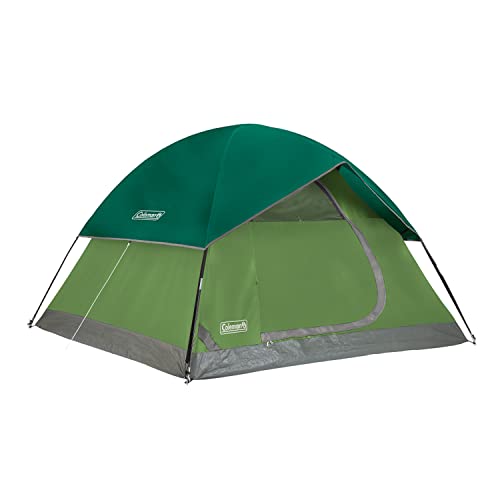
Coleman Sundome Camping Tent

PORTAL Family Camping Tent with Screen Room

Dragoon Unlimited Ridgeback One-Person Tent
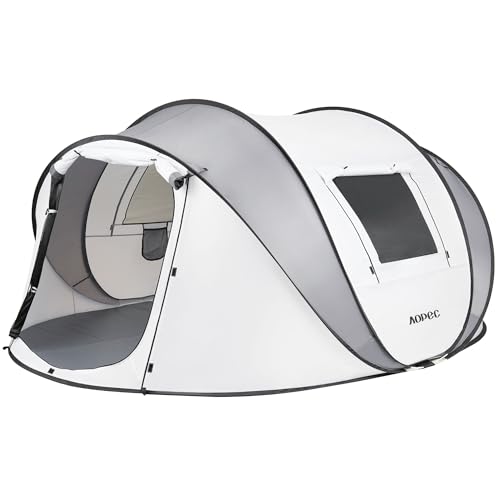
AOPEC Pop-Up Instant Camping Tent
Inside Each Recommended Option
This one isn’t a traditional tent, and that is the whole point. The Sportneer Pop-Up Mosquito Net Tent throws open in a single move: slide off the elastic strap, toss it skyward, and the mesh frame lands fully formed. It measures roughly 86 by 33 by 35 inches, which means it covers a cot or single sleep setup without hauling in a full rainfly or pole kit.
Think of it as the lightweight sibling to the heavier shelters below, useful for warm nights when biting insects are the only real threat. It works over a raised cot, on a sleeping pad, or even indoors for a kid’s sleepover when summer air conditioning is fighting a losing battle. The breathable fabric keeps airflow moving, which matters more than a fancy rain rating in muggy conditions.
The Case For It
- One-second setup means no pole sorting in the dark
- Mesh walls let breezes through for hot-weather sleepers
- Fits over most adult cots and ground pads
- Packs down small enough for backpack side pockets
Things To Consider
- Folding it back takes practice, and the figure-eight fold is fiddly
- Mesh offers no rain protection, so it is a summer-only choice
Who Will Love This
Warm-weather campers who already own a cot or pad and just need a bug barrier around their sleep setup.
Consider Something Else When
Stormy shoulder-season trips call for the Coody Premium Inflatable Canvas Tent, since that one pairs an enclosed shelter with a stove jack.
The Coody inflatable tent swaps rigid poles for air beams, so the frame stands up with a pump rather than a wrestling match. Built from canvas (a tightly woven cotton-blend fabric that breathes and resists UV better than thin polyester) and finished with a stove jack, it is sized for living, not just sleeping. Inside, there is room to stand, stretch, and turn a weekend into something more like base camp.
This is the pick for campers who treat the site as an outdoor living room. Compared with the pop-up mosquito net above, the Coody is a full enclosure with heat, shade, and weather sealing. Set it up once for the season at a long-stay campsite, and it earns its bulk. The trade-off is weight and footprint; you are not tossing this into a backpack.
A Few Highlights
- Inflatable beams remove the most painful part of canvas setup
- Stove jack allows a wood burner for cold-weather camping
- Canvas fabric handles UV exposure better than thin polyester
- Generous interior height for a real standing room
Points To Note
- Heavier and bulkier than any other pick on this list
- Canvas dries slowly after rain, so pack-down timing matters
- Requires a separate pump for inflation
Key Specs
Right Fit For
Glampers and small families running a multi-day base camp where comfort matters more than pack weight.
Skip It When
Backcountry hikers should reach for the Dragoon Unlimited Ridgeback One-Person Tent, which is built for solo travel and survival weight limits.
The Coleman Sundome has been the default first tent for so many campers that it is almost a rite of passage. Available in two- and three-person layouts, it uses a WeatherTec weather system (Coleman’s term for a combination of welded seams, inverted seams, and protected zippers aimed at keeping rain from sneaking through) and a snag-free pole design that gets new campers off the ground fast. It is the middle ground between a one-night car-camping trip and a more elaborate family setup.
Unlike the inflatable Coody above, the Sundome is a classic dome that snaps together in a few minutes without learning curve. Unlike the screen-room family tent later in this list, it stays compact enough for two adults, a kid, and a dog at a state park site. The honest read: it is not built for severe weather, but for the standard three-season weekend, it does the job without drama.
Real-World Strengths
- Continuous pole sleeves speed setup to roughly ten minutes
- WeatherTec system handles typical summer rainstorms
- Compact packed size fits a car trunk or shared gear bin
- Available sizing covers couples and small families
Trade Offs
- Limited interior height, so most adults cannot stand inside
- Floor space gets cramped at full stated capacity
Best Suited To
First-time campers and casual weekend trips where ease of setup matters more than storm-grade toughness.
Where A Sibling Pick Shines
The PORTAL Family Camping Tent with Screen Room is the better choice when a family of four or more needs true standing height and a separate bug-free lounging area.
The PORTAL family tent is built around one simple idea: split the camp into two zones. The main sleeping area fits two full-size airbeds, while a separate mesh screen room gives kids a place to hang out, play cards, or stash muddy boots without inviting the bugs into the bedroom. At 76 inches of center height, most adults can stand and walk around inside without ducking.
This is where the family trip either clicks or falls apart. Compared with the Coleman Sundome earlier, the PORTAL trades compactness for genuine livability. Compared with the Coody canvas, it is far lighter and quicker to pitch, though it lacks a stove jack. It is a car-camping tent through and through: too big to backpack, but absolutely the right shape for a loaded SUV and a base-camp weekend at a developed campground.
Features That Help
- Screen room doubles as lounging space and gear storage
- 76-inch center height lets most adults stand upright
- Sleeping area fits two queen airbeds comfortably
- Polyester build keeps packed weight manageable for car trips
Honest Caveats
- Larger footprint needs a spacious flat site
- Setup takes longer than smaller dome tents
- Not designed for backpacking distances
Whose Shelf It Belongs On
Families running a car-camp base with kids, pets, and enough gear to fill a station wagon on a single trip.
Look Elsewhere When
Solo travelers should pick the Dragoon Unlimited Ridgeback One-Person Tent, which is sized for one person and their pack rather than a full crew.
The Ridgeback sits at the serious end of the solo-tent spectrum. It gives you about 42 inches of headroom and 90 inches of legroom, which sounds modest on paper but translates to real comfort for a sleeping bag, a pack, and one adult who is not curled in a fetal position. At roughly 5.5 pounds including stakes, it is light enough for backcountry miles without edging into ultralight territory.
Built as both a camping shelter and a survival-ready bugout bivy (an emergency one-person shelter designed for fast evacuation setups), it bridges two worlds. Where the Coleman Sundome earlier is about casual weekends and the PORTAL is about family sprawl, the Ridgeback is about covering ground alone. You will feel the footprint when pitched on hard ground, but the tradeoff is genuine weather protection.
What It Does Well
- Real head and legroom for an adult inside a solo footprint
- 5.5-pound carry weight fits multi-day trail routes
- Doubles as a bugout shelter for emergency readiness
- Includes quality Y-style stakes for soft ground pitching
Room For Improvement
- Tighter on storage than larger multi-person tents
- Stove and group camping are not part of its design
- Packed size still bigger than a true ultralight bivy
Made For
Solo backpackers, hunters, and preppers who want one shelter that handles both weekend trails and emergency setups.
Not Your Match When
Group trips call for the PORTAL Family Camping Tent with Screen Room, which gives every camper their own corner of the floor plan.
The AOPEC pop-up tent lands in the “instant” category that experienced campers either love or distrust. Pre-attached poles and a one-throw design mean the shelter stands in roughly a minute, which is a real gift after a long drive when everyone is hungry and the light is fading. Available in two-, four-, and six-person footprints, it gives flexibility for couples and small families who do not want a permanent footprint choice.
The waterproof PU4500mm coating (PU stands for polyurethane, a waterproof layer applied to the underside of tent fabric; the 4500mm rating describes the hydrostatic head, or how much water pressure the coating can withstand before leaking) holds up well in moderate rain, with heat-sealed seams and taped edges to keep drips out. The front porch area acts as a covered entry for boots and packs. Compared with the Coleman Sundome earlier, the AOPEC is faster and includes a covered vestibule; compared with the PORTAL family tent, it sacrifices interior space and a true screen room.
What Stands Out
- True pop-up speed eliminates the worst part of arriving late
- Front porch provides dry space for boots and packs
- Multiple size options fit different group counts
- Heat-sealed seams boost confidence in wet weather
Some Limits To Know
- Pop-up frames pack bulky compared with traditional tents
- Ventilation in deep summer can run warm without extra airflow
- Larger sizes need a wide, clear pitch area
The Right Fit
Campers who arrive late, camp often, and want their shelter standing before the cooler opens.
A Better Fit Elsewhere
The Coleman Sundome Camping Tent is the right call for travelers who prefer a slimmer packed profile over pop-up speed.
How To Choose Camp Tents Without Overthinking It
Start with your honest campsite reality: car camping, hike-in sites, or backyard sleepovers change everything. Capacity ratings are optimistic, so add roughly 20% headroom to your group count. Floor fabric, pole material, and waterproof coatings matter more than brand reputation once you get past the basics.
Match weather rating to where you actually camp. A three-season tent covers most spring through fall weekends, but shoulder-season snow or alpine trips call for four-season geometry and sturdier pole counts. Weight follows use case: a 5-pound solo tent earns its space on the trail, while a 30-pound family cabin-style shelter only makes sense at a drive-in site.
Look past the headline waterproof number. A 2000mm rain rating is plenty for most rainstorms, while higher numbers mostly help if you camp in sustained wet weather. Taped seams and a full-coverage rainfly do more real work than a flashy spec sheet.
Setup time is worth budgeting for. If you arrive after sundown or camp with kids, an instant or pop-up design removes a lot of stress. If you camp with a routine and daylight to spare, traditional pole tents pack smaller and last longer in storage.
Key Considerations Across These Picks
Where Shoppers Go Wrong
The most common mistake is sizing down for weight. A two-person tent for two adults plus a dog becomes a tight fit once sleeping bags and packs are inside. Going up one size usually beats carrying compression straps and wishing for more space.
What The Higher Tier Buys
Premium canvas and inflatable-beam tents cost more because the materials last longer and the comfort gap is real. If you camp fewer than five nights a year, a mid-range dome delivers the same shelter value. Frequent campers and glampers feel the upgrade in setup speed, weather sealing, and interior livability, which is where the extra money goes.
Frequently Asked Questions
What size tent do I need for a family of four?
Plan for at least a six-person rated tent to give room for sleeping bags, packs, and a central area. Floor dimensions matter more than the headline count once you add gear.
How waterproof is waterproof enough?
A 1500mm to 3000mm rating handles typical summer storms. Higher ratings help in heavy or sustained rain, but taped seams and a full rainfly do more practical work than a bigger number.
Can one tent work for backpacking and car camping?
Only if you keep weight under about six pounds, which usually means a one- or two-person design. Larger family tents are drive-in only.
Are pop-up tents worth the trade-off?
Pop-ups save real time at arrival and pack out reasonably small for car trips. They run slightly bulky in storage compared with traditional pole tents, so the trade-off is space, not weather protection.
How long should a camping tent last?
With reasonable care, a quality tent runs five to ten years of regular weekends. UV exposure and improper drying shorten life faster than active use does.
The Takeaway
Your best camp tent is the one that matches how you actually get outside, not the flashiest spec sheet. Walk-ins with families will find the PORTAL screen-room tent hard to beat for livability. Solo travelers should give the Ridgeback a serious look. Anyone chasing comfort and a long stay belongs near the Coody canvas shelter. Whatever you pick, dry it before storage, patch small repairs early, and your shelter will be ready when the weekend finally arrives.