
A weekend at a developed campground with the family means car camping, and your cooking setup looks nothing like a thru-hiker’s ultralight boil kit. The gear that fits a cold-morning ridge in the Sierras would feel ridiculous at a tailgate with burgers for six. Most outdoor cooks land somewhere between those two extremes, and that’s where this roundup lives.
The six camp stoves below split into two clear camps: integrated canister systems built for backpackers and basecampers, and high-output propane burners aimed at groups, tailgates, and outdoor kitchens. A few of these items are stove accessories rather than stoves themselves, and I’ve kept them in because the best stove in the world is useless without the right fuel. Pick the system that matches how you actually cook outside.
A Fast Comparison Of The Options

Jetboil JetPower Fuel 100g 4-Pack

Pipopa 2 Burner Propane Camp Stove 150,000 BTU
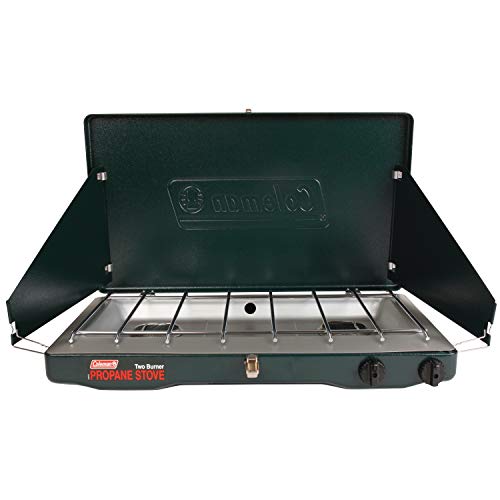
Coleman Classic Propane Camping Stove 2 Burner

Jetboil Sumo Camping and Backpacking Cooking System

Jetboil HalfGen Basecamp Camping Cooking System

Pipopa 3 Burner Propane Camp Stove 225,000 BTU
Why These Options Stand Out
Fuel is the unsexy half of any canister-stove kit, but it’s the half that decides whether dinner happens. Jetboil’s JetPower 100-gram canisters come four to a pack, sized for a Jetboil or any other camping stove that threads onto a screw-on isobutane canister. The propane/isobutane blend (a fuel mix that stays pressurized better in cold weather than straight propane) is tuned for the brand’s regulated burners, which is why the boil times match what Jetboil publishes on the stove box.
For a two- or three-night trip, two canisters typically handle morning coffee, dehydrated dinners, and the odd pot of hot cocoa. The 4-pack gives you a buffer so a slow boil on a cold morning doesn’t leave you hunting a hardware store in a small town.
Positive Points
- High vapor-pressure blend keeps output steadier in shoulder-season cold than a basic butane canister.
- Each 100g canister boils around 12 liters of water, enough for a long weekend for two campers.
- Four-pack format means you can split a season’s fuel between two trips without repacking loose canisters.
- Screw-on valve fits every Jetboil regulated stove in this roundup plus most other canister systems.
Worth Noting
- Ground shipping only, so plan ahead and don’t expect last-mile air delivery to a trailhead.
- Empty canisters have to be packed out and recycled properly; tossing them in a fire pit is a common rookie mistake.
- 100g size runs out faster than the 230g cans, which matters on multi-day group trips.
Made For
Backpackers and weekend campers who already run a Jetboil regulated stove and want to keep a steady fuel supply on hand.
Skip It When
You cook on a high-pressure propane burner like the Pipopa 2 Burner Propane Camp Stove, which uses a refillable tank rather than screw-on canisters.
Step up from a basic two-burner box and you land in high-output territory. This Pipopa puts out 75,000 BTU per burner, meaning each burner can actually sear a steak instead of just simmering a can of beans. A BTU (British Thermal Unit) is a measure of heat output, and at this level you can run cast iron with confidence. Compared with the Jetboil JetPower Fuel 100g 4-Pack we just covered, this is a different beast entirely: it’s heavy, it runs off a refillable propane tank, and it lives in your truck, not your pack.
The included dust cover is a small but thoughtful touch for anyone who leaves gear in a garage or shed between trips. You may find yourself wiping down the cast-iron grate more often than expected because the higher heat spits more, but that’s the trade-off for restaurant-grade output.
Strengths Worth Knowing
- 75,000 BTU per burner handles cast-iron searing and wok-style cooking without choking.
- High-pressure regulator hookup pairs with standard refillable propane tanks for long runtime.
- Dual burners let one person sear while another simmers, the way you’d cook at home.
- Built-in windscreen around the burners reduces flame blowout in open parking lots.
Practical Considerations
- Propane tank sold separately, so budget for a standard 20 lb cylinder to actually use it.
- Two-burner footprint is wide; you’ll want a flat parking spot or a picnic table with room to spare.
- Heat output can scorch delicate sauces, so expect a learning curve if you’re used to a low-BTU stove.
Best Suited To
Tailgaters, car campers, and anyone hosting a small outdoor dinner who wants real kitchen-grade heat.
Where Another Pick Suits Better
Backpackers heading into the alpine should look at the Jetboil Sumo Camping and Backpacking Cooking System instead, which is built to pack out, not park.
The Coleman Classic has earned its name simply by being everywhere. Two wind-blocking panels fold out to shelter the burners, the regulator keeps flame steady when the tank pressure drops, and the body is the kind of stamped steel that bounces around in a truck bed for a decade without complaint. Compared with the Pipopa 2 Burner Propane Camp Stove we just looked at, this puts out far less heat, but it’s also lighter, simpler, and more forgiving for casual cooks.
If you grew up going to a state park with a Coleman stove on a picnic table, this is that same stove, refined over the years rather than reinvented. The 12-inch and 10-inch pan fit means a standard frying pan and a small pot can run at the same time, which is the layout most weekend cooks default to.
What Stands Out
- Pressure regulator keeps the flame even as the tank empties, useful on long cook sessions.
- Wind-blocking side panels cut flame loss in breezy campground conditions.
- Compact 4.1 x 21.9 x 13.7-inch body fits on most picnic tables with room for plates beside it.
- Push-button igniter (where equipped) means no hunting for a striker in the dark.
Honest Caveats
- 20,000 BTU total is modest; searing a thick steak on this is a slow game.
- Propane cylinder is sold separately, so factor that into your setup cost.
- Stamped-steel body can dent if tossed in a trunk carelessly, a common owner complaint.
Right Fit For
Families and casual campers who want a reliable, familiar two-burner setup for a typical weekend at a developed campground.
Not Your Match When
You run a basecamp with serious cooking volume and want three burners, in which case the Pipopa 3 Burner Propane Camp Stove is the more useful choice.
The Sumo is Jetboil’s answer to the question, “What happens when two hikers want real dinner?” The 1.8-liter FluxRing pot (a finned aluminum pot that captures heat far more efficiently than a plain pot) is double the size of a personal Jetboil cup, and the regulated burner adjusts down to a true simmer rather than just blasting on and off. Unlike the Jetboil JetPower Fuel 100g 4-Pack, which is just the fuel, this is the whole cooking platform built around that fuel.
It’s still light enough for two people to split in a shared pack, but you won’t be stuffing it in a bear canister. The insulating cozy holds in heat long enough to slow-cook dehydrated meals without scorching, a real upgrade over basic boil-and-stir setups.
A Few Highlights
- 1.8-liter cooking cup handles full meals for two or generous leftovers for one hungry hiker.
- True simmer control means rehydrated dinners don’t scorch on the bottom.
- Regulated burner delivers consistent output as canister pressure drops on cold mornings.
- Insulated cozy with handle stows the system as a single compact unit.
Points To Note
- Larger and heavier than a personal Jetboil, so it’s not the right pick for ultralight solo trips.
- Pot is taller than wide, which limits the size of fry pans or freeze-dried pouches you can set inside.
- Canister (sold separately) is the only fuel option; no white-gas compatibility.
Who Should Grab It
Two-person backcountry teams and solo travelers who want a single pot that can handle both morning coffee and a real evening meal.
Look Elsewhere When
You mostly cook for one and value weight over volume, in which case a personal Jetboil and a single canister from the Jetboil JetPower Fuel 100g 4-Pack will serve you better.
The HalfGen is the modular piece in Jetboil’s line. Run it solo as a freestanding burner that boils water in roughly three minutes, or link it to other Jet link-compatible stoves to build a small outdoor cooking range. The 10,000 BTU output sits between a personal Jetboil and a full car-camping propane burner, which makes it useful for basecamp setups where you’re not carrying miles but still want the precision of a regulated canister stove.
Versus the Jetboil Sumo, this sacrifices the integrated FluxRing pot for compatibility, so you’ll need to bring your own cookware. The trade is worth it for anyone who wants a 10-inch pan on a burner rather than a tall narrow pot.
Useful Touches
- Jet link compatibility lets you pair multiple units into a wider cooking surface.
- 10,000 BTU output is enough heat for snow-melting duty on winter trips.
- Regulated heat control handles gentle simmers without the on-off blast of unregulated burners.
- Folding base and compact form factor pack flat in a car trunk or canoe.
Some Limits To Know
- Cookware is not included; factor in a pan or pot sized to your meal plan.
- Canister stove format means cold-weather runtime still depends on fuel availability and temperature.
- Higher BTU than a personal Jetboil means heavier fuel use per boil, depending on your cooking style.
Perfect Match For
Basecampers and overlanders who want regulated canister control and the option to scale up to a multi-burner setup later.
Reach For A Different Pick When
You want a turnkey two-burner box with no extra cookware to buy, in which case the Coleman Classic Propane Camping Stove 2 Burner is the simpler choice.
Three burners at 75,000 BTU each is the closest thing to a backyard kitchen you’ll find outside a built-in grill. This Pipopa comes with the works: a 600D Oxford waterproof cover (a heavy denier fabric that resists tearing and rain), foldable side shelves, a three-sided windscreen, and folding handles. Compared with its smaller sibling from the same brand, the Pipopa 2 Burner Propane Camp Stove, this adds a third burner plus dedicated prep space on the side shelves.
You may find the side shelves earn their keep on longer cooks, since you can park plates, a spice tin, and a coffee pot without taking up a separate table. The included regulator is CSA-certified (a third-party safety standard recognized across North America), which is reassuring for a high-output propane appliance.
What Makes Sense
- 225,000 BTU total across three burners means you can boil pasta, sear protein, and simmer sauce simultaneously.
- Foldable side shelves give you prep space without a separate table.
- CSA-certified regulator at 20 PSI handles the high-pressure supply safely.
- Three-sided windscreen keeps flame steady in breezy open areas.
Factors To Consider
- Propane tank is not included, so add a refillable tank to your setup budget.
- Larger footprint means it won’t fit on every picnic table; check the table size before you pack.
- Total heat output demands careful ventilation, so use it outdoors with clear airflow rather than under a tarp.
Built With In Mind
Big-family car campers, hunting-camp cooks, and tailgaters feeding six or more who want a real outdoor kitchen experience.
A Better Fit Elsewhere
Smaller groups of two to four can save space and weight with the Jetboil HalfGen Basecamp Camping Cooking System, which runs on canister fuel and packs much tighter.
Matching Camp Stoves To The Way You Actually Cook
Start with the format question: are you carrying this stove on your back, or does it ride in a car? Backpackers and thru-hikers need weight savings and boil speed, which is where integrated canister systems like the Jetboil Sumo and the Jetboil HalfGen earn their place. Their trade-off is fixed cookware geometry and limited heat output. Car campers and tailgaters can haul a heavy high-pressure propane burner that delivers real kitchen heat, and they should, because trying to sear meat on a 10,000 BTU canister stove is a slow, frustrating exercise.
Heat output, measured in BTU, is the second filter. Below 15,000 BTU total is fine for boiling water and reheating freeze-dried meals. Between 15,000 and 50,000 covers family-style breakfast cooking. Above 100,000 BTU on a propane burner puts you in true outdoor-kitchen territory with cast-iron and wok capability. Match the heat to your most ambitious meal, not your easiest one.
Fuel logistics matter more than most first-time buyers expect. Canister stoves are quiet, regulated, and light, but they’re hostage to canister availability in small towns. A refillable propane tank is heavier to haul home but buys you longer runtime and easier refills at any hardware store. Wind performance is the third axis worth checking. Wind-blocking panels, integrated windscreens, and pot-level heat exchangers all reduce flame blowout and fuel waste, and the difference shows up fast on an exposed ridge or an open parking lot.
Key Considerations Across These Picks
Pitfalls Worth Dodging
The most common mistake is buying a backpacking stove when you actually need a car-camping burner, or vice versa. Backpackers who bring a 30-pound propane box complain about the weight; car campers who bring a tiny canister stove complain about the cooking time. Match the stove to the trip first and the brand second. Another trap is forgetting to budget for fuel. A canister stove needs the right screw-on canisters, which can be hard to find in remote areas, while a propane burner needs a tank and a hose. Without fuel, the stove is a very expensive paperweight.
Where The Extra Money Goes
Higher-tier camp stoves spend your money in three places: heat output, fuel efficiency, and cookware integration. A 75,000-BTU-per-burner propane stove costs more because it moves far more air and fuel safely than a 10,000-BTU unit. A regulated Jetboil costs more than an unregulated budget canister stove because it manages pressure to deliver consistent simmer control and faster boils in cold weather. Integrated systems like the Jetboil Sumo add cost through their FluxRing cookware, which captures heat that a plain pot wastes. Whether those upgrades pay off depends entirely on how often you cook outside and how serious you are about the meals.
Frequently Asked Questions
What size camp stove do I need for a family of four?
A two-burner propane stove like the Coleman Classic Propane Camping Stove 2 Burner typically handles a family of four for breakfast and simple dinners, since you can run a pan and a pot at once. Larger groups feeding six or more usually want three burners, which is where the Pipopa 3 Burner Propane Camp Stove earns its keep.
Canister stoves versus propane stoves: which is better?
Canister stoves are lighter, quieter, and easier to light, which makes them ideal for backpacking and small basecamps. Propane stoves burn hotter and run longer on refillable tanks, making them a better fit for car camping and group cooking. Many campers end up owning one of each for different trips.
How long does a 100g fuel canister last?
A 100g isobutane canister typically boils about 12 liters of water under average conditions, which covers a long weekend for one or two campers on freeze-dried meals and coffee. Larger canisters run longer and waste less fuel in cold weather, since they maintain pressure better as they empty.
Are integrated stove systems worth the extra cost?
Integrated systems like the Jetboil Sumo bundle a burner with a heat-efficient pot, which delivers faster boils and true simmer control for a higher price. For backpackers cooking real meals rather than just boiling water, the upgrade tends to pay off in fuel savings and meal quality.
Can you use a camp stove indoors?
Camp stoves burn propane or isobutane and release carbon monoxide, so they should only be used outdoors or in extremely well-ventilated areas like an open garage door. They are not safe for indoor cooking in a tent, cabin, or enclosed shelter under any circumstances.
Closing Verdict
The right camp stove comes down to where you’re going and how you cook. Backpackers will get the most from a regulated canister system like the Jetboil Sumo or the Jetboil HalfGen, paired with the Jetboil JetPower Fuel 100g 4-Pack for fuel. Car campers and tailgaters will get more from a high-output propane burner like the Pipopa 2 Burner Propane Camp Stove or the Pipopa 3 Burner Propane Camp Stove, with the Coleman Classic Propane Camping Stove 2 Burner as the dependable middle ground. Pick the format that matches your trips, not the one with the most heat on the spec sheet.