
A good night’s sleep can make or break a camping trip, and the mat underneath you does more of the heavy lifting than most people realize. After long drives, late trail days, or a chilly shoulder-season night, the right pad keeps your back happy and your body heat where it belongs. The picks below cover backpack-ready foam, plush car-camping comfort, and everything between, so you can match a mat to the way you actually camp.
The Choices Worth Comparing

Sea to Summit Camp Plus SI Sleeping Mat (Tapered Regular)

Sea to Summit Camp Plus SI Sleeping Mat (Tapered/Large)
Sea to Summit Camp Plus SI Sleeping Mat (Rectangular/Large)
Releep 3-Inch Dual-Sided Memory Foam Camping Mattress

Therm-a-Rest Z Lite Original Sleeping Pad
Featherstone El Cordion Insulated Closed-Cell Foam Mat

Lost Horizon Self-Inflating Foam Mattress (Model Y)

Sea to Summit Camp Plus SI Sleeping Mat (Rectangular/Regular)

Lost Horizon Self-Inflating Foam Mattress (Single, 3″)

Lost Horizon Option3 Self-Inflating Foam Mattress (Full, 4.5″)
Why These Options Stand Out
The Tapered Regular Camp Plus SI is a self-inflating foam pad built for backpackers who want warmth without hauling an air-only mattress. The 2.6-inch foam core opens up on its own once you crack the valve, and the reversible design lets you top off with a few breaths for a firmer feel. Compared with bulkier rectangular pads, the tapered shape trims weight and saves space inside a pack.
For most three-season trips, the insulation rating covers cold tent floors without tipping into winter-only territory. Side sleepers under 180 pounds tend to get comfortable support, and the multi-function valve makes pack-down quick at the trailhead. Setup feels almost hands-free after the first breath.
What Helps Most
- Self-inflating foam core saves setup time after a long drive or trail day.
- Reversible valve allows fine-tuning firmness for side or back sleepers.
- Four-season insulation rating handles most shoulder-season cold floors.
- Tapered shape trims pack weight compared with rectangular options.
Trade Offs
- Heavier and bulkier than ultralight air pads for serious thru-hikers.
- Foam can take longer to fully dry if stored damp in a stuff sack.
Who It Suits Best
Three-season backpackers and weekend campers who want warm, low-effort sleep without an air pump.
Swap It Out When
Counting every ounce on a multi-week trail points you toward the Featherstone El Cordion Insulated Closed-Cell Foam Mat instead.
Stretching the same foam build into a longer, roomier footprint, the Tapered/Large Camp Plus SI gives taller campers the legroom they often miss on standard mats. The 2.6-inch thickness carries the same insulation rating as the smaller sibling, so warmth stays consistent across the line. Side sleepers appreciate the extra shoulder space when rolling over at night.
You still get the hands-free inflation and the reversible valve for tweaking pressure after the foam opens up. Pack size grows with the mat, so it leans toward car camping or shorter hikes rather than long traverses. Anyone over six feet who has felt cramped on a tapered regular will likely feel the difference immediately.
Useful Strengths
- Extra length and width suit taller side sleepers.
- Same self-inflating convenience as the regular size.
- Reversible valve supports pressure fine-tuning.
- Reliable insulation rating for shoulder-season camping.
Points To Note
- Bulkier roll than shorter tapered options.
- Not aimed at ultralight backpackers counting grams.
- Foam needs airing out if stored while damp.
The Right Fit
Taller campers and restless side sleepers who want warm comfort without stepping up to a full rectangular pad.
Reach For A Different Pick When
Backpackers prioritizing every ounce should look at the Featherstone El Cordion Insulated Closed-Cell Foam Mat.
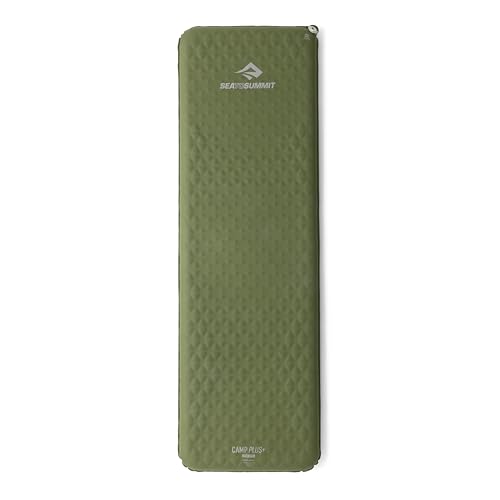
When floor space matters more than pack size, the Rectangular/Large Camp Plus SI spreads the same self-inflating foam across a generous platform. You get the full 2.6-inch thickness and the same insulation rating that the tapered versions carry, just with square edges that maximize usable surface inside a tent. Two sleepers can pair them with minimal gap.
The reversible valve still does the heavy lifting during inflation, and the foam core handles a few top-off breaths when you want a firmer feel. The trade-off shows up at pack-down: this roll is noticeably chunkier than the tapered shapes. For basecamp setups and car camping, that bulk rarely matters.
Notable Upsides
- Rectangular footprint maximizes usable sleep space.
- Self-inflating core simplifies camp setup.
- Reversible valve lets you fine-tune pressure.
- Strong insulation rating for chilly tent floors.
Worth Noting
- Heavier pack size than tapered siblings.
- Not the right shape for tight backpack loads.
Built With In Mind
Campers who prioritize sleeping comfort and tent space over pack size, especially for basecamp and car trips.
Consider Something Else When
Thru-hikers will move faster with the Therm-a-Rest Z Lite Original Sleeping Pad on their back.
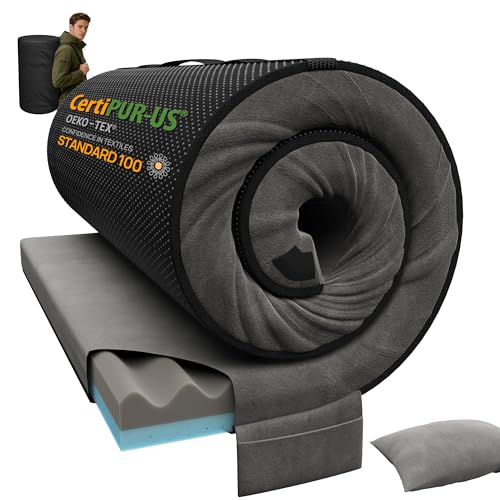
The Releep mattress skips the air-mat race entirely and leans into 3 inches of dual-sided foam for a home-bed feel. A gel-infused memory foam layer sits on top of a denser support foam, so you get pressure relief at the hips and shoulders plus a stable base underneath. It rolls up into a carry bag for transport, which is handy for car camping or hosting overnight guests.
This mat reads more like a roll-up guest bed than a backpack piece, and that shows in its weight and rolled size. Anyone sleeping in a tent for multiple nights without an air pad will appreciate the cushion, especially on hard or rocky ground. The included portable pillow rounds out the setup.
Practical Advantages
- 3-inch foam stack cushions pressure points better than thin pads.
- Memory foam over support foam balances softness and stability.
- Waterproof surface layer handles damp tent floors.
- Includes a portable pillow and carry bag.
Some Limits To Know
- Too bulky and heavy for backcountry use.
- Foam can hold moisture if sealed up while damp.
Best Suited To
Car campers, SUV sleepers, and hosts who want a plush, roll-up mattress for guests or road trips.
Look Elsewhere When
Backpackers should consider the Sea to Summit Camp Plus SI Sleeping Mat (Tapered Regular) for trail-friendly warmth instead.
The Z Lite Sol is the kind of pad that shows up on trail registers for a reason: closed-cell foam, accordion fold, no moving parts. You unfold it, lie down, and you are camping. The textured surface traps a layer of warm air underneath your bag, which helps on cool nights when you do not want to carry an insulated air pad.
You trade plush cushioning for ultralight simplicity. Expect to feel rocks and roots through the foam more than you would on a 3-inch self-inflating pad, but the trade keeps pack weight and worry low. Hikers who have used one tend to buy another.
Everyday Wins
- Closed-cell foam resists punctures and moisture.
- Accordion fold packs flat against a backpack.
- Lightweight build favors long-distance hikers.
- Trusted design used by backpackers for decades.
Less Ideal Details
- Thin profile means less cushioning on rough ground.
- Larger pack footprint than rolled self-inflating pads.
- Foam thickness limits warmth on cold nights without extra insulation.
Whose Shelf It Belongs On
Thru-hikers, section hikers, and minimalist campers who want a no-fuss pad that lasts for years.
A Better Fit Elsewhere
Side sleepers craving cushion should pick the Releep 3-Inch Dual-Sided Memory Foam Camping Mattress instead.
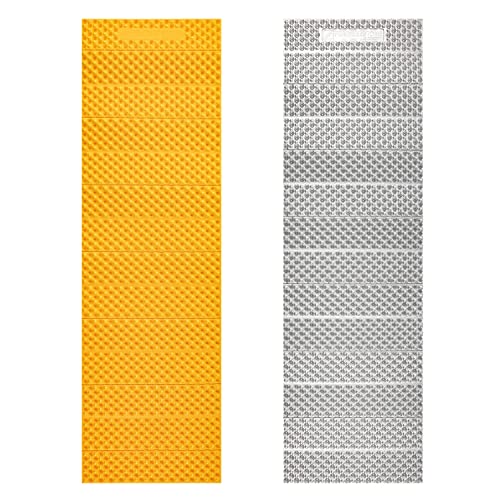
The El Cordion steps up from basic foam with irradiation cross-linked polyethylene and a heat-reflective film for a noticeably warmer sit and sleep. Hexagonal nodes give you more clearance off cold, wet ground than a flat foam mat, and the closed-cell build means a wet tent does not ruin your night. R-value of 2.1 covers three-season use for most backpackers.
It still rolls tight and light, which is the whole point. Compared with the Therm-a-Rest Z Lite Original, you pay a touch more for better insulation and slightly more height. Anyone chasing a lighter pack without switching to an air pad will appreciate the trade.
The Case For It
- Higher insulation rating than standard closed-cell pads.
- Hexagonal nodes lift you off wet, cold ground.
- Closed-cell foam resists moisture and punctures.
- Light, compact roll for ultralight loads.
Honest Caveats
- Cushioning is still thin compared with self-inflating pads.
- Not warm enough for deep-winter or high-altitude trips.
Made For
Three-season thru-hikers and ultralight backpackers who want more warmth than basic foam without adding an air pad.
Where A Sibling Pick Shines
Car campers chasing plush comfort should choose the Lost Horizon Option3 Self-Inflating Foam Mattress (Full, 4.5″) instead.
This 4.5-inch foam mattress is cut to match the cargo area of a Tesla Model Y two-row, which solves the awkward fit of standard pads inside an EV tent setup. Open the valve and the foam core expands on its own, then a few breaths dial in your preferred firmness. Owners commonly mention the custom shape filling the rear footwell without bunching.
Weight and packed size lean toward SUV camping rather than tent-only use. The 4.5-inch thickness cushions well on hard cargo floors and rough campsites, and the foam core spreads pressure across the back and hips. For Model Y owners, the fit is the main reason to choose this over a generic rectangular pad.
The Value In It
- Custom shape fits Tesla Model Y two-row cargo areas.
- 4.5-inch foam depth cushions against hard floors.
- Self-inflating core minimizes setup effort.
- Multi-layer build distributes pressure evenly.
Practical Considerations
- Vehicle-specific design limits use outside a Model Y.
- Too bulky and heavy for backpacking or tent-only trips.
Who Should Grab It
Tesla Model Y owners who want a tailored car-camping or road-trip mattress without trimming a generic pad.
Skip It When
Tent campers without a Model Y should pick the Sea to Summit Camp Plus SI Sleeping Mat (Rectangular/Large) for similar foam comfort in a standard shape.
The Rectangular/Regular rounds out the Camp Plus SI line with a square-edged footprint that fits standard tent floors without trimming the corners off your usable space. You get the same 2.6-inch self-inflating foam and insulation rating as the tapered siblings, just in a more versatile shape. For most campers, this version hits the sweet spot between warmth and packability.
The reversible valve keeps inflation and deflation straightforward, and a few breaths let you fine-tune firmness after the foam expands. Compared with the larger rectangular option, pack size drops enough to make this a viable trail pad for moderate loads. It is the kind of mat that handles a wide range of trips without being the best at any single one.
What Makes Sense
- Rectangular shape maximizes usable sleep area.
- Self-inflating core cuts setup steps.
- Reversible valve allows pressure adjustments.
- Solid insulation rating for shoulder-season camping.
Things To Weigh
- Still heavier than ultralight closed-cell foam.
- Foam can retain dampness if rolled up wet.
Who Will Love This
Versatile campers who want a single mat for car trips, basecamp setups, and shorter trail nights.
Where Another Pick Suits Better
Thru-hikers chasing the lightest possible pad will prefer the Therm-a-Rest Z Lite Original Sleeping Pad.
This 3-inch single mattress gives solo campers a generous foam platform without jumping to the bulkier 4.5-inch models. The self-inflating foam core handles the heavy lifting once the valve opens, and a few breaths dial in the rest. For tent sleepers who want a step up from thin foam without hauling a full-size pad, it sits in a comfortable middle ground.
The single footprint fits one- and two-person tents without crowding, and the 3-inch stack cushions well on moderate terrain. Owners commonly note that the foam core holds its loft after repeated uses, which matters for anyone who camps more than a handful of weekends a year.
Strengths Worth Knowing
- 3-inch foam balances cushion and pack size.
- Self-inflating valve simplifies nightly setup.
- Single-person footprint fits small tents easily.
- Foam core distributes weight evenly across the body.
Small Caveats
- Not warm enough for deep-winter ground without extra insulation.
- Heavier than ultralight foam or air pads.
Perfect Match For
Solo tent campers who want a comfortable, repeatable mat for frequent weekend trips.
Another Choice May Suit
Backpackers counting ounces will prefer the Featherstone El Cordion Insulated Closed-Cell Foam Mat for trail weight savings.
The Option3 goes big with a full-size 4.5-inch foam platform aimed at car campers, families, and anyone hosting overnight guests. The self-inflating core means minimal effort once the valve opens, and the deep foam stack makes hard floors feel almost like a real mattress. Two adults can share the surface without the usual mid-night gap.
You trade pack size for comfort, so this is firmly a car-camping or guest-room piece rather than a trail pad. Owners commonly report that the foam holds its shape across many uses, and the flat full-size footprint simplifies tent layout. It is overkill for ultralight trips and exactly right for relaxed basecamps.
Useful Touches
- Full-size platform fits two sleepers comfortably.
- 4.5-inch foam delivers home-bed-like cushioning.
- Self-inflating core reduces nightly setup work.
- Flat footprint suits tents and guest rooms alike.
Where It May Fall Short
- Heavy and bulky for anything beyond car camping.
- Needs drying time before storage if exposed to moisture.
Right Fit For
Family campers and hosts who want a plush, full-size mat for tents, guest rooms, or extended basecamps.
Not Your Match When
Solo backpackers should pick the Sea to Summit Camp Plus SI Sleeping Mat (Tapered Regular) for a lighter, trail-ready option.
What Matters Most When Choosing Camp Sleeping Mats
Warmth, weight, and comfort tend to drive the decision, and they often pull in opposite directions. R-value measures insulation from the ground, and higher numbers mean more warmth on cold nights. A self-inflating foam pad like the Camp Plus SI line lands in a versatile middle ground, while closed-cell foam options like the Z Lite Original keep pack weight low at the cost of cushioning. Air-only pads shave more weight but add pump time and puncture risk.
Your trip style shapes the right balance. Backpackers usually prioritize weight and packed size, so a tapered or closed-cell mat fits better. Car campers and families can lean into thicker foam mattresses for comfort since they are not carrying the weight on their back. Side sleepers generally want at least 2.5 inches of cushioning to keep hips and shoulders from bottoming out.
Shape and footprint matter more than people expect. Rectangular pads maximize usable sleep area, tapered shapes trim weight, and vehicle-specific cuts solve awkward fits inside SUVs like the Model Y. Storage and care also play a role: foam pads need to dry fully before being rolled up to avoid mildew, and self-inflating valves benefit from occasional cleaning to keep seals tight.
Key Considerations Across These Picks
Common Buying Traps To Sidestep
Picking a pad by thickness alone leads to cold nights, because warmth comes from insulation rating, not just loft. A 4-inch foam pad with low R-value can still leave you chilly on shoulder-season ground. The flip side is also true: a thin pad with high insulation feels firm but keeps you warm.
Weight and packed size catch shoppers out, especially when a “comfortable” pad turns out to be impossible to fit in a backpack. Match the mat to the trip before matching it to the mattress feel. Skipping a dry-out step after a wet night is the fastest way to shorten the life of any foam pad.
What The Higher Tier Buys You
Premium mats tend to add insulation layers, thicker foam, and valves that hold up to repeated inflation cycles. You also get better fabric on the surface, which reduces the noisy crinkle that cheap shells produce when you roll over. For frequent campers and cold-weather trips, the upgrade pays off in comfort and durability. Casual weekend campers in mild weather often do not need the extra thickness or insulation, and a lighter mid-tier pad serves them just as well.
Frequently Asked Questions
What R-value do I need for three-season camping?
An R-value between 2 and 4 covers most spring, summer, and fall conditions for the average sleeper. Colder ground or winter trips call for higher numbers.
Are self-inflating pads worth the extra weight?
For car camping and shorter trails, yes. The foam core handles most of the setup, and you only need a few breaths to dial in firmness. Thru-hikers chasing every ounce still tend to prefer closed-cell foam or air pads.
How do I clean and store a foam sleeping pad?
Wipe the surface with mild soap and water, let it dry fully, and store it unrolled or loosely rolled in a dry space. Avoid sealed bins while the foam is still damp.
Can I use one mat for backpacking and car camping?
A versatile mid-weight self-inflating pad like the Sea to Summit Camp Plus SI line handles both, with some compromise on each end. Dedicated backpackers and dedicated car campers get better results from purpose-built mats.
How long do foam sleeping pads typically last?
Closed-cell foam pads can last for many seasons if cared for, and self-inflating foam pads often last several years of regular use. Punctures, mildew from damp storage, and broken valves are the usual reasons for replacement.
Wrap Up
The right mat comes down to how and where you camp, and the lineup above covers most of the common ground. Match warmth, weight, and shape to your usual trips, and you will sleep better and wake up ready to move. Take a moment to think through your typical setup before you pick, and the rest tends to fall into place.