
Camping should leave you tired from the trail, not from fighting a thin mat all night. The right pad turns rocky ground, cold air, and a long day of hiking into actual rest, and it does that quietly in the background. This list focuses on pads that match how you actually camp: car camping with the family, solo backpacking, weekend trips, or sleeping in your vehicle. You will find foam classics, ultralight inflatables, plush memory-foam rolls, and pads shaped for specific uses, with honest trade-offs for every style.
A Snapshot Of The Selections
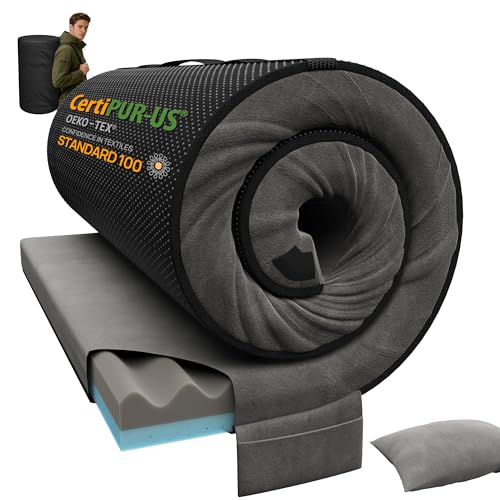
Releep 3 Inch Dual-Sided Memory Foam Camping Mattress with Pillow
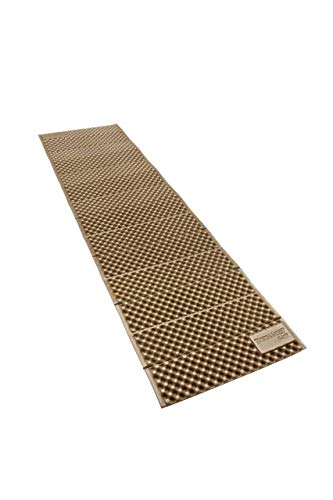
Therm-a-Rest Z Lite Original Camping and Backpacking Sleeping Pad
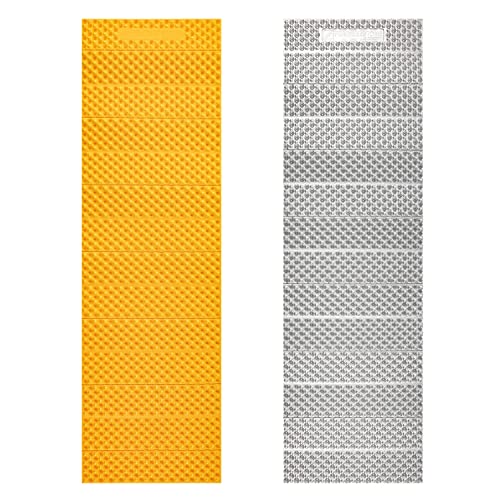
Featherstone El Cordion Insulated R-Value 2.1 Closed Cell Foam Pad

Lost Horizon Self-Inflating Foam Mattress for Tesla Model Y

Exped Ultra Ultralight Inflatable Backpacking Sleeping Pad

INVOKER Self-Inflating Camping Sleeping Pad 75 x 24 x 3.15 in

Lost Horizon Self-Inflating Foam Mattress Single 3 Inch

INVOKER Connectable Camping Sleeping Pad 75 x 24 x 4 in Blue

INVOKER Connectable Camping Sleeping Pad 75 x 24 x 4 in Green

Lost Horizon Option3 Self-Inflating Foam Mattress Full 4.5 Inch
A Breakdown Of The Leading Choices
If your idea of camping leans more toward the SUV with the hatch open than the alpine ridge, this roll-up Releep pad speaks your language. The dual-layer foam sandwiches gel-infused memory foam over a denser support base, which translates to that “real bed” feel you cannot get from a backpacking mat. Compared to the closed-cell picks later in this list, you trade pack size for genuine pressure relief across the hips and shoulders.
It ships with a portable pillow and a carry bag, rolls out flat, and tucks neatly across a tent floor or a backseat. The waterproof shell is a quiet win for damp ground or accidental spills. Set-up takes seconds, and the foam holds its shape night after night without the slow leak worries you get with air mats.
Useful Touches
- Three inches of layered foam cradle pressure points rather than just floating you above the ground.
- Waterproof shell keeps morning condensation and damp earth from soaking through to skin.
- Included pillow and carry bag remove two extra items from your packing list.
- Roll-up format suits guest beds, SUVs, and family tents without inflating anything.
Things To Consider
- Bulk and weight make it a poor fit for anyone counting ounces on a long trail.
- Memory foam can feel warm on hot summer nights when the air sits still in a tent.
Made For
Car campers, SUV sleepers, and hosts who want a plush, guest-friendly mat that rolls out flat and feels like home.
Consider Something Else When
Thru-hikers covering serious miles will prefer the Therm-a-Rest Z Lite Original for its lighter pack weight and trail-tested durability.
The Z Lite is the pad older backpackers keep recommending to younger ones, and for good reason. Its closed-cell foam construction (meaning the dense foam does not need to be inflated at all) shrugs off rocks, roots, and pine needles that would punish a thin air mat. The accordion-fold design opens into a serviceable sleep surface in seconds and folds back down small enough to strap to any pack.
Dimples molded into the foam trap warm air against your body, which adds real value on shoulder-season trips. It weighs almost nothing on the scale and has no valve, no seam, and no moving parts to fail after a thousand trail miles. Compared with the plush Releep above, this is a bare-bones pad built for movement.
Where It Helps
- Closed-cell foam handles rough terrain that would puncture inflatable pads overnight.
- Sub-pound weight keeps it realistic for multi-day routes and fastpacking days.
- Heat-trapping dimples boost warmth without adding insulation layers.
- Folding form doubles as a seat pad during breaks and at camp.
Points To Keep In Mind
- About half an inch of foam feels thin compared to the inflated and memory-foam picks in this roundup.
- Fixed length and shape may leave taller sleepers with their head or feet hanging off the edge.
Perfect Match For
Backpackers, scouts, and thru-hikers who want a no-fuss foam pad that survives rough use and shrugs off sharp ground.
Swap It Out When
Sleepers chasing more cushioning for car camping will be happier on the Lost Horizon Self-Inflating Foam Mattress Single, which adds air loft and a softer night.
The Featherstone El Cordion takes the familiar closed-cell foam formula and aims it squarely at cold nights. An ASTM-tested R-value of 2.1 (a standardized measure of insulation, where higher numbers mean more warmth against cold ground) signals real shoulder-season and winter capability rather than summer-only duty. The cross-linked polyethylene foam resists compression under body weight, so the warmth does not flatten out the way cheaper foam can.
Hexagonal nodes along the surface deliver more height and coverage than the traditional egg-crate texture you see on entry-level foam pads. Owners commonly use it as a standalone pad in mild weather or stack it beneath an inflatable for deep winter trips. It folds small, weighs little, and has nothing inside that can fail.
Well-Handled Touches
- Verified R-value of 2.1 brings measurable insulation to early spring and late fall trips.
- Hexagonal node pattern lifts you further off cold, wet ground than flat foam manages.
- Pairs cleanly with an inflatable mat for winter layering without doubling pack size.
Some Limits To Know
- Closed-cell foam still gives less cushioning than the air and memory-foam options in this list.
- Wider coverage and extra insulation add slight bulk compared with the Z Lite above.
Feature Snapshot
Who It Suits Best
Three-season backpackers and alpine travelers who camp where cold ground is the limiting factor on a good night’s sleep.
Reach For A Different Pick When
Summer backpackers chasing the lightest pad on the market will find the Exped Ultra more appealing thanks to its sub-pound air construction.
This is one of the few pads on the market designed around a specific vehicle, and it makes sense the moment you unfold it inside a Tesla Model Y. Cut to the cargo area of the two-row version, it lays flat without the bunching and gaps that generic rectangular pads leave behind. The 4.5-inch profile and roughly nine pounds of foam fill add a real-mattress feel to car camping.
The self-inflating core means you crack the valve, let the foam do its work, and top off with a breath or two. Owners of heavier body types commonly report it handles its advertised load comfortably thanks to even air and foam distribution. Compared to the Releep pad above, this one trades rolling for inflating but earns back the height.
The Upside
- Custom shape lays flat inside the Model Y cargo area without folding or bunching.
- 4.5-inch loft gives car campers far more height than standard sleeping pads provide.
- Self-inflating design minimizes setup effort after a long drive.
Honest Caveats
- Vehicle-specific cut means it cannot easily transfer to a tent or different SUV.
- Heavier than most pads in this roundup, so it stays in the car rather than riding on a pack.
Best Suited To
Tesla Model Y owners who camp in their vehicle and want a pad shaped exactly for the cargo space rather than improvising with foam squares.
Look Elsewhere When
Anyone without a two-row Model Y should consider the Lost Horizon Self-Inflating Foam Mattress Single, which works in tents, trucks, and guest setups.
The Exped Ultra is built around a single-minded goal: make the pad disappear in your pack. At under a pound and packing down to a soda-can footprint, it is the kind of mat that barely registers on the scale yet still gives you three inches of cushioned air between you and the ground. That combination is the difference between carrying a sleeping setup or skipping one.
Internal air chambers run head-to-toe, which keeps the surface stable when you roll rather than letting you bottom out on one side. It is aimed at summer backpacking, thru-hiking, and bikepacking where every ounce matters more than four-season warmth. Compared with the Featherstone pad above, this one trades insulation for weight savings.
A Few Highlights
- Sub-one-pound weight removes the pad from your “do I really need it” mental math.
- Three inches of air loft beats thin foam for side sleepers who need shoulder relief.
- Compact packed size slides into pack lids and frame bags without reorganizing gear.
Trade Offs
- Air-filled construction means punctures are a real risk on rocky or thorny ground.
- Summer-focused design leaves it light on insulation for shoulder-season trips.
Feature Snapshot
Right Fit For
Fast-and-light backpackers, thru-hikers, and bikepackers who count grams and want a real sleeping surface in summer conditions.
Where A Sibling Pick Shines
Cold-weather campers will get more mileage from the Featherstone El Cordion Insulated R-Value 2.1 Pad, which is built for shoulder-season ground temperatures.
The INVOKER self-inflating pad is the kind of straightforward, low-fuss mat that weekend campers tend to reach for. Open the valve, watch the foam core pull air in on its own, and add a few breaths to top it off. There is no pump to forget, no foot-pumping routine, and no mouth-blowing that leaves you lightheaded at altitude.
The 30D knit outer fabric feels softer against skin than the slick nylon used on many budget pads, and a waterproof TPU layer underneath keeps ground moisture from sneaking through. At roughly 75 by 24 inches, it gives average-height sleepers a familiar rectangular shape without excess material. Against the Exped Ultra above, this is the heavier, comfier, easier-to-live-with option.
What Stands Out
- Self-inflating core removes the need to carry or use a separate pump.
- Soft knit fabric feels gentler on bare arms and legs than slick nylon surfaces.
- Waterproof TPU layer fends off damp tent floors on rainy mornings.
Worth Noting
- Bulkier than ultralight inflatables, so it is better suited to car or short hike-in camping.
- Knit fabric may snag more easily than plain nylon on rough ground covers.
Whose Shelf It Belongs On
Weekend tent campers and casual overlanders who want a comfortable, no-learning-curve mat that works the first time they unroll it.
A Better Fit Elsewhere
Backpackers focused on weight will appreciate the Exped Ultra more, since it cuts ounces without sacrificing much comfort on summer trips.
The single-size Lost Horizon sits in a useful middle ground: thicker than a closed-cell foam pad, lighter and more packable than a full memory-foam mattress, and easy enough for a first-time camper to set up. Three inches of foam-and-air combination smooth out small roots and rocks that would otherwise press through thinner mats. It is the kind of pad you can leave in the gear closet and grab for almost any trip.
The internal structure distributes air and foam evenly across the surface, which helps reduce the pressure points that build up during a long night on hard ground. At roughly 5.5 pounds of foam fill, it stays manageable for short hike-ins but earns its keep most in a tent or family camping setup. Compared to the INVOKER pad above, this one leans thicker and more supportive.
Positive Points
- Three-inch profile balances cushioning and packability better than thinner foam mats.
- Even air-and-foam distribution softens pressure points across hips and shoulders.
- Self-inflating valve streamlines setup after dark or in cold hands.
Possible Compromises
- Heavier than ultralight inflatables, so it is not ideal for long-distance backpacking trips.
- Single-size layout may feel tight for taller sleepers who want shoulder room to sprawl.
Quick Facts
Who Should Grab It
Solo tent campers and casual overlanders who want a versatile, comfortable mat without the bulk of a full-size mattress.
Skip It When
Backpackers tracking every ounce will be better served by the Exped Ultra Ultralight Inflatable Pad, which trims weight without giving up comfort.
The blue INVOKER connectable pad is built around a clever idea: instead of buying one giant mattress, snap two or more pads together for a custom wide bed. The four-inch loft feels substantial under shoulders and hips, and horizontal air chambers contour gently to your body rather than letting you float on a flat balloon. A built-in pillow saves packing a separate camp pillow for shorter trips.
The integrated foot pump is the standout convenience. A few presses and the pad fills up without the huffing-and-puffing that comes with mouth inflation, which matters when you arrive at camp tired and the temperature is dropping. Owners commonly report that the 40D nylon shell with TPU coating holds up well to the grit that family camping brings along.
Standout Benefits
- Connectable edges let you build a queen-sized sleep surface from two individual pads.
- Built-in foot pump removes the need for mouth inflation or a separate pump accessory.
- Four-inch loft adds real cushioning for side sleepers and restless tossers.
Areas To Watch
- Larger packed size means it suits car camping more than long hike-in routes.
- Connectable seams can catch on uneven ground if not placed on a flat tent floor.
Built With In Mind
Couples and families who camp in larger tents and want to combine pads into a wide shared bed without hauling a full air mattress.
Not Your Match When
Solo backpackers will find the Exped Ultra much more packable, since it is designed from the ground up to disappear inside a pack.
The green version of the connectable INVOKER pad offers the same construction as the blue option in a different colorway for shoppers who want their gear to match. Horizontal air chambers and a built-in pillow deliver the kind of sleep setup that feels closer to a guest bed than a backcountry mat. Snap two of them together and you have a generous shared sleeping surface without inflating one giant mattress.
The 40D nylon shell with TPU coating handles the scrapes that come with weekend trips, and the foot-pump inflator removes the awkward handoff of blowing up a pad while bent over in a tight tent. Compared to the Lost Horizon Single above, this pad trades a thinner profile for connection-friendly modularity.
The Good Stuff
- Modular connection system scales from solo use to a wide shared surface.
- Foot-pump inflation makes setup fast even after a full day of activity.
- Built-in pillow eliminates one more loose item in the tent at night.
Less-Strong Areas
- Packed volume is large compared with a single ultralight mat.
- Air-chamber design requires occasional reinflation across multi-night trips.
Who Will Love This
Pair campers and small families who want to combine pads into a unified wide surface without committing to a full-size air mattress.
Another Choice May Suit
Solo tent campers will get a more direct fit from the Lost Horizon Self-Inflating Foam Mattress Single, which is sized and shaped for one person.
The Lost Horizon Option3 is the most residential-feeling pad in this roundup. At 4.5 inches thick and roughly 12 pounds of foam fill, it falls firmly into the category of bed-replacement rather than trail-pad. Lay it out in a large tent and two adults can stretch out without the typical “toss and turn, fight for the middle” routine that narrow pads create.
The internal structure spreads air and foam across the full surface to keep the sleep area level rather than sinking in the middle, which matters when two people of different weights share one mattress. Self-inflation cuts setup time, and the heavy-duty build feels closer to a guest-room mattress than a backcountry mat. Compared to the Releep pad at the top of this list, the Option3 brings full-size coverage rather than a single sleeper layout.
What Helps Most
- Full-size layout fits two adults without forcing them to share narrow sleeping space.
- 4.5-inch thickness delivers genuine mattress-level comfort on hard tent floors.
- Up to roughly 440 pounds of weight capacity handles a wide range of body types comfortably.
Factors To Consider
- Heavier than any other pad in this list, which limits it to car camping or short distances from the vehicle.
- Large footprint demands a roomy tent and a vehicle with cargo space to spare.
Feature Rundown
The Right Fit
Couples and families who camp in larger tents and prioritize sleep comfort over pack size when loading up the vehicle.
Where Another Pick Suits Better
Backpackers and minimal-load travelers will find the Exped Ultra a much more realistic option for trail mileage and pack weight.
What Matters Most When Choosing A Camp Sleep Pad
Type Of Pad And Setup Style
Closed-cell foam, self-inflating, and fully inflatable pads solve the same problem in very different ways. Closed-cell options like the Therm-a-Rest Z Lite are nearly indestructible and weigh almost nothing, but offer less cushioning than other styles. Self-inflating pads blend foam loft with air fill for a balance of comfort and convenience, which is why so many weekend campers gravitate toward them. Fully inflatable air mats give the most cushioning per ounce, but rely on seams and valves that can fail if mistreated.
Warmth And R-Value
R-value measures how well a pad resists heat flow into the ground, and higher numbers mean more insulation. Summer-only trips in warm climates often get by with lower R-values, while shoulder-season and winter camping demands ratings above the 2.0 range. Pairing a higher R-value pad with the right sleeping bag matters more than people expect, since cold ground steals heat faster than cold air for many sleepers.
Thickness And Comfort
Three inches has become the modern comfort benchmark for most sleepers, with thicker pads adding height at the cost of weight and packed size. Side sleepers tend to want more loft to keep shoulders and hips from pressing into the ground, while back and stomach sleepers can manage on thinner pads. The right thickness depends on your sleep position, body weight, and how forgiving the ground is at your usual campsites.
Size, Weight, And Packability
Backpackers live and die by ounces, which is why pads like the Exped Ultra exist. Car campers can ignore weight almost entirely and focus on size, comfort, and ease of setup. Hike-in campers fall in the middle, where a balance of packed size and sleep quality becomes the deciding factor. Match the pad to your usual trip distance and mode of travel, and most other decisions fall into place.
Key Considerations Across These Picks
Where Shoppers Go Wrong
Many campers pick a pad based on packed size alone and end up with something too thin to sleep on. Others buy the warmest pad on the market for a summer trip and end up overheating in a tent. The honest read is to match the pad to your most common trip, not your most extreme one, and let occasional adventures call for a rented or borrowed specialty option.
When Paying More Pays Off
Higher-tier pads in this category typically deliver better materials, more reliable valves, and verified R-values rather than marketing claims. The upgrade pays off when you camp often, sleep cold, or carry your pad over rough ground where cheaper construction can fail. For once-a-year summer campers, a more modest pad usually covers the job without stretching the budget.
Frequently Asked Questions
What R-value do I need for cold weather camping?
R-values above 2.0 handle three-season and shoulder-season use, while winter camping usually calls for ratings closer to 4.0 or higher depending on ground temperature.
How thick should a camp sleep pad be?
Three inches suits most sleepers across most conditions, while side sleepers and restless movers often want four inches or more for pressure relief.
Are self-inflating pads better than closed-cell foam?
Self-inflating pads offer more comfort and loft, while closed-cell foam wins on durability, weight, and puncture-proof simplicity for rugged trips.
Can I use a camp sleep pad for guests at home?
Roll-up memory foam and self-inflating pads work well as temporary guest bedding, especially for kids’ sleepovers, camping nights indoors, or short-stay visitors.
How do I clean and store a camp sleep pad?
Wipe down the surface with mild soap and water, dry it fully, and store it unrolled or loosely rolled in a cool, dry place to extend the life of foam and coatings.
Wrap Up
Your best camp sleep pad is the one that matches how you actually camp, whether that means a featherweight inflatable for trail mileage or a thick foam mattress for the driveway. Start with your most common trip, decide what trade-offs matter most, and pick the pad that solves those problems honestly. The rest of the night sorts itself out from there.