
A good camp stove quietly disappears into the routine: it lights on the first try, simmers without fuss, and packs down small enough that you stop thinking about it after the second trip. The wrong one humbles you, with cold coffee, scorched eggs, or a regulator that refuses to seat. This roundup sorts the current shortlist for car campers, backpackers, tailgaters, and patio cooks who need flame without drama.
The Shortlist At A Glance

Hisencn Single Burner Camp Stove with Grill Pan

Coleman Cascade 18 1-Burner Camping Stove
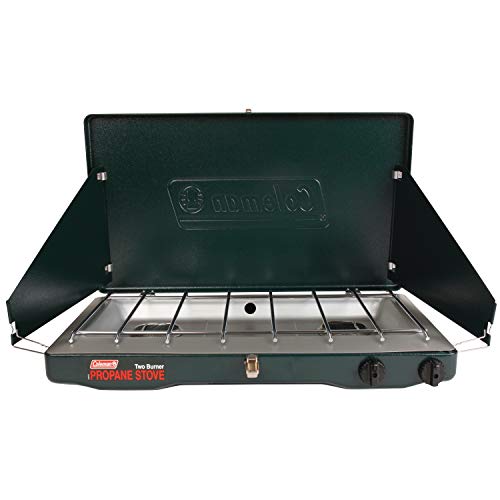
Coleman Classic Propane 2-Burner Stove

Jetboil Flash Java 1.8L Backpacking Stove

Bonnlo 2 Burner Outdoor Portable Propane Stove

Coleman Tabletop 2-in-1 Grill and Stove

Jetboil Flash 1.0L Fast Boil Camp Stove
A Deeper Look At The Lineup
Pull into a gravel pull-off after a long day, and the Hisencn kit lets you skip the usual “where is the spatula?” scavenger hunt. It bundles a single burner with a grill pan, griddle plate, and cutting board, so the whole cooking surface arrives in one tidy box. Compared with the bare Coleman Cascade 18 covered next, this set trades a little flame output for useful accessories.
For RV travelers and casual car campers who treat dinner as a flat-top project rather than a boil-and-serve chore, the layout makes sense. The included board trims the gear list, and storage stays simple because pieces stack together.
A Few Highlights
- All-in-one kit reduces packing decisions on quick overnight trips
- Flat griddle surface handles eggs, pancakes, and burgers without a separate pan
- Single burner keeps fuel draw modest, stretching small propane cylinders
- Stackable layout saves shelf space in tight RV galleys and trunks
Things To Consider
- Single flame limits high-heat searing when cooking for more than two people
- Coated surfaces call for hand washing to keep the non-stick finish intact over time
- Smaller footprint means stability can suffer on uneven picnic tables
Best Suited To
RV travelers, weekenders, and small families who want a self-contained cook station without buying accessories separately.
Consider Something Else When
You regularly cook for a hungry crew, in which case the Coleman Classic Propane 2-Burner Stove gives you two burners and more heat to work with.
The Cascade 18 is the kind of stove you hand to a friend who’s never camped and watch them figure it out in seconds. An 8,000 BTU burner fires up via a rotary ignition, so no more digging for a lighter in the dark. The 12-inch cooking surface accepts a full-sized pan, which makes meal prep feel closer to cooking at home.
Compared with the Hisencn kit covered earlier, you lose the grill pan and accessories but gain a much sturdier grate and better heat consistency. Tailgaters and weekenders who want simple coffee and a hot skillet of food will appreciate the straightforward design.
Useful Strengths
- Matchless rotary ignition removes a small but real point of failure
- Aluminized steel cooktop wipes clean with a damp cloth after most meals
- Improved knob rotation allows low, steady simmer for sauces and oatmeal
Worth Noting
- Single burner restricts you to one pot or pan at a time, so timing multi-part meals gets tricky
- The detached grate flips for storage but can feel loose until you learn the right seat
Who It Suits Best
Solo tailgaters, couples, and beginner campers who want predictable flame control without learning curves.
Look Elsewhere When
You cook breakfast and dinner simultaneously, in which case the Coleman Tabletop 2-in-1 Grill and Stove handles two surfaces side by side.
Few stoves have earned their reputation the way this Coleman Classic has. The 4.1 x 21.9 x 13.7-inch frame opens into a two-burner spread capable of running a 12-inch and 10-inch pan side by side. Up to 20,000 total BTUs split across both burners gives you real cooking flexibility when the menu goes beyond beans and franks.
Wind-blocking panels are the unsung feature here. They fold out to keep gusts from stealing your heat, which matters more than people expect at elevation or on breezy lakeshores. For family car camping trips where breakfast for four happens every morning, this is the dependable backbone.
Bright Spots
- Dual adjustable burners let you simmer and sear at the same time
- Pressure regulator keeps flame steady when fuel levels drop late in the cook
- Accommodates two pans simultaneously, ideal for full meal prep
Points To Note
- Larger footprint demands a flat picnic table or dedicated camp kitchen setup
- No built-in ignition, so you will need matches or a lighter on hand
- Runtime tops out around one hour on high with a single 16.4 oz cylinder, so pack a spare for longer trips
Key Specs
Made For
Family campers and group cooks who treat mealtime as a real cooking session rather than a quick reheat.
Not Your Match When
You hike before you cook, in which case the Jetboil Flash 1.0L Fast Boil Camp Stove collapses into a backpack-friendly system instead.
Morning camp routines have a rhythm, and the Flash Java 1.8L leans into that. The integrated system pairs Jetboil’s FluxRing pot, a stowable French press, and an insulating cozy that keeps water hot while you grind beans. The whole bundle suits groups of two to four who refuse to start a trail day without proper coffee.
The Jetboil approach differs sharply from the bulky Coleman Classic. There’s no griddle, no skillet space, and zero patience for low-heat simmering. What you trade in versatility, you get back in boil speed and pack weight, which matters when every ounce counts on the approach.
Practical Pluses
- FluxRing design cuts fuel use by transferring heat directly to the pot
- Insulating cozy keeps water above brewing temperature while you prep grounds
- Stowable press nests inside the pot, simplifying pack-out
- Turn-and-click ignition removes fumbling with lighters in cold weather
Trade Offs
- Limited to boiling and brewing, so it can’t replace a real cooking stove
- Pot size works for drinks but cramps any attempt at freeze-dried meal prep
Right Fit For
Car campers and basecamp backpackers who prioritize fast coffee for two to four people over cooking versatility.
Swap It Out When
You want hot food alongside drinks, in which case the Coleman Cascade 18 gives you a real burner with enough surface for a frying pan.
The Bonnlo lands in a different weight class than anything else on this list. Two cast iron heads, a detachable stand, and up to 150,000 BTU output make it more outdoor wok station than backpacking stove. If your camp menu includes crawfish boils, cast iron skillets, or stock pots that would shame a kitchen range, this is the unit that actually gets the job done.
Compared with the Coleman Classic covered earlier, the Bonnlo trades portability for raw flame and pot flexibility. The bracket accommodates oversized vessels, but you trade packability for that privilege. Cooks who set up a base camp and stay put will appreciate the sturdy build.
A Strong Showing
- Massive heat output handles stock pots, woks, and oversized pans
- Cast iron heads distribute flame evenly across wide cookware bottoms
- Detachable legs allow tabletop or ground-level setups depending on the site
Things To Weigh
- Heavy and bulky, making it a poor fit for any trip that involves a hike to the cook site
- Cast iron requires seasoning and dry storage to avoid rust over the long haul
Feature Snapshot
Whose Shelf It Belongs On
Campsite hosts, fish-fry crews, and tailgate chefs running big menus for crowds of six or more.
Reach For A Different Pick When
You need to fit the stove in a trunk without rearranging the cooler, in which case the Coleman Tabletop 2-in-1 Grill and Stove folds down to a much friendlier size.
Some menus demand both flame and grates, and the Coleman 2-in-1 delivers both on one compact tabletop. The split design runs a grill and a stove at the same time, so burgers and a side pan happen without burning either. Twenty thousand BTUs across two adjustable controls cover most weeknight cookouts without wasted heat.
It feels like a more versatile version of the Coleman Classic. Where the Classic sticks to stove duty, this unit adds grilling space with chrome-plated grates that lift out for cleanup. Tailgaters who want a full cookout from one box will appreciate the push-button ignition and integrated wind guards.
A Favorable Mix
- Two independently adjustable burners allow grill and stove to run at different temperatures
- Push-button ignition simplifies lighting, no matches required
- Grease tray collects drips and slides out for quick post-cook cleanup
A Few Limitations
- Tabletop size still demands a flat surface and elbow room
- Wind guards help, but uncovered grill edges lose heat faster than enclosed grills
Perfect Match For
Tailgaters and small patio hosts running burger nights or breakfast hashes for family or guests.
Skip It When
Your menu is mostly boiling or freeze-dried meals, in which case the Jetboil Flash Java 1.8L handles drinks and hot water with less setup.
The Flash 1.0L distills the backpacking stove down to its essentials. A half-turn of the knob fires the burner via auto ignition, and water boils in roughly two minutes for solo meals and instant coffee. At one liter, the cooking cup is sized for one hungry hiker rather than a group, which keeps the whole system tight in a pack.
Where the Flash Java 1.8L covered earlier leans toward camp coffee for two to four, this 1.0L version is a solo specialist. The trade-off shows up when you want to cook anything more ambitious than boiling or rehydrating, and the smaller pot gets crowded fast. For through-hikers and ultralight campers, the weight savings are worth the limit.
Where It Delivers
- One-step auto ignition works reliably in cold and damp conditions
- Compact cup nestles the burner inside for efficient packing
- Fast boil times stretch smaller fuel canisters further per trip
Practical Considerations
- Single-cup capacity leaves no room for group meals or freeze-dried bags that need real space
- Pot shape suits liquids only, so anything that needs browning or a flat sear is out of reach
Who Should Grab It
Solo backpackers, through-hikers, and ultralight campers who count ounces and want fast hot water on demand.
A Better Fit Elsewhere
You cook for a partner or group, in which case the Coleman Cascade 18 handles real meals with a single, reliable burner.
What Matters Most Before Choosing Camp Propane Stoves
Match the Stove to the Trip, Not the Other Way Around
The single biggest decision is trip style, and almost everything else falls out from there. Backpackers measure success in ounces and boil times, so canister stoves like the Jetboil systems win on those terms. Car campers care more about burner count and cooking surface area, which points toward two-burner units like the Coleman Classic or the Coleman 2-in-1. RV travelers and tailgaters often land in between, valuing quick setup and predictable flame over weight savings. Pick the category first, then narrow by fuel type and footprint.
Burner Count and Output Shape the Menu
A single burner covers most weeknight meals, from coffee to skillet dinners, but it forces sequential cooking. Two burners unlock simultaneous prep, which matters when breakfast for four involves both pancakes and bacon. BTU figures tell you how aggressively a stove can heat, though real cooking depends on wind protection, regulator consistency, and pan fit. The Coleman line uses wind-blocking panels to keep flame steady, while integrated canister stoves rely on FluxRing-style heat exchangers to push efficiency rather than brute force.
Think About Fuel Sourcing and Run Time
Standard propane cylinders are easy to find anywhere in the country, which is why most family-camping stoves use them. Backpacking canisters, often propane or isobutane blends, are lighter but harder to source in remote areas. Run time depends on output, so high-BTU burners eat fuel faster. For trips beyond a single weekend, planning around an extra cylinder avoids the awkward cold-dinner scenario at dusk.
Build Quality Affects Long-Term Ownership
Materials matter more than people expect. Aluminized steel cooktops clean up easily and shrug off heat cycles, while cast iron heads handle abuse but demand seasoning and dry storage. Chrome-plated grates resist sticking and rust when wiped down after each use. Stoves that fold into a low-profile case, like the Cascade 18 with its detached grate, tend to last longer in trunks because they put less stress on hinges and knobs.
Key Considerations Across These Picks
Mistakes Worth Dodging
Going single-burner when you actually need two is the most common miss, and it shows up the first time you try to boil pasta while warming sauce. Underestimating run time creates a second common headache: people run out of fuel mid-meal because they planned for a single dinner when a trip includes breakfast and dinner each day. Skipping wind protection is a quiet killer of camp cooking. Even mild gusts steal heat from open burners, doubling cook time and burning through fuel.
Where The Extra Money Goes
Premium camp stoves typically charge more for better regulators, tighter tolerances, and integrated ignition systems. The Coleman Cascade line adds matchless lighting and improved knob rotation, both of which feel small until you cook in rain or cold. Jetboil’s higher price reflects the engineered FluxRing pot that dramatically improves fuel efficiency. Heavy-duty cast iron burners, like the Bonnlo, cost more because they handle abuse and oversized cookware that stamped steel cannot. The upgrade is worth it once you cook often or for groups, but a basic stove handles occasional use just fine.
Frequently Asked Questions
How do I know if I need a one-burner or two-burner stove?
Count the people you cook for and the dishes per meal. One burner handles solo or duo meals with simple menus. Two burners make sense for families or anyone running a main and a side at the same time.
Can I use a backpacking stove for car camping?
Yes, it just takes longer because of the smaller pot and lower output. Backpacking stoves shine on boil speed and weight, not on cooking full meals with real heat. For weekend car trips, a larger two-burner unit saves time and frustration.
What fuel works across most of these stoves?
Standard propane cylinders fit the family-camping units, while the Jetboil systems use isobutane-propane canisters. Make sure your fuel choice matches the stove’s fitting before the trip.
How important is wind protection?
Surprisingly important. Even moderate wind robs heat and doubles fuel use. Wind-blocking panels on Coleman models solve this for tabletop cooking, while Jetboil’s enclosed pot design handles it on the trail.
How do I clean a camp stove without damaging it?
Let the stove cool fully, then wipe the cooktop with a damp cloth and mild soap. Avoid soaking regulators or burner assemblies, and store the unit dry to extend the life of seals and finishes.
Closing Remarks
The best camp stove is the one that matches how you actually cook, not the one with the longest spec list. Backpackers, family campers, and tailgaters each have a different winner here, and the right pick should disappear into the trip rather than dominate it. Start with your usual menu and your usual group size, and the rest follows.