
Picture a remote campsite at dusk, the fire going, nowhere to go. That’s the reality camp potties solve, and they come in more flavors than most people expect. This list covers the full spectrum, from disposable waste bags and gelling powders to actual flushable commodes, so you can match your setup to your style of getting outside.
The Shortlist At A Glance
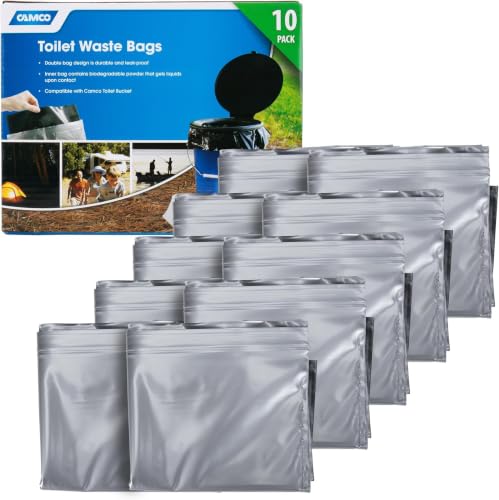
Camco Toilet Waste Bags 60-Pack

Alpcour Portable Toilet with Piston Pump Flush

The Restroom Kit Plus Hygiene Travel Kit 12 Pack

Cleanwaste Portable Poo Powder Waste Treatment

Hapoon XL Portable Toilet for Adults and Kids
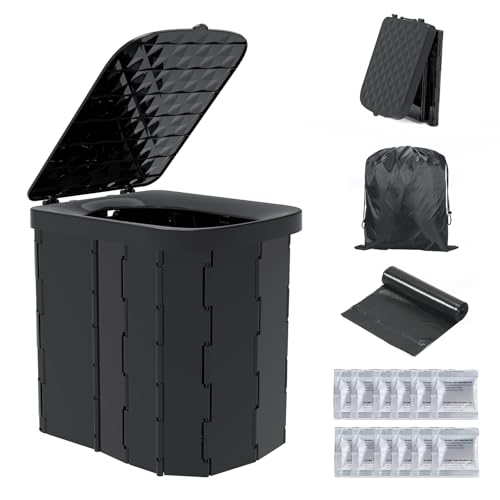
Hapoon XL Portable Folding Camping Toilet

Thetford 30111 Aqua Kem Sanitary Fluid 2 L

CRAZYTHUR Poo Powder Gel Sachets 50-Pack

Hapoon Toilet Bags and Poo Gel Set 40 Pack

Hapoon 8-Gallon Compostable Toilet Bag Set
The Picks, Examined More Closely
For backpackers who measure every ounce, a full commode isn’t always practical. Camco Toilet Waste Bags step in as a lightweight liner that pairs with a folding frame or a simple dug hole. The double-bag design layers an inner pouch with gelling powder (a treatment that locks moisture into a semi-solid gel so it can’t slosh) and an outer sleeve for backup leak protection.
The 60-count pack covers a long season of weekend trips, which matters for households that rotate through gear quickly. Compared with the bulkier Alpcour Portable Toilet reviewed below, this option trades comfort for portability and cost. Anyone who has tried to manage waste in a small tent appreciates how much the powder simplifies cleanup on the trail.
The Value In It
- Double-bag construction reduces the chance of a messy failure mid-use
- Biodegradable powder gels liquid waste quickly, cutting splash risk
- Works with a bucket frame, a folding seat, or directly in a cat hole
- Large pack size stretches across multiple trips without restocking
- Light enough to stash in a daypack for emergency relief on long hikes
Things To Consider
- Requires a separate frame or bucket to function as a seated commode
- Disposal must follow local regulations, which can rule out simple tossing
- Storage in hot vehicle trunks may cause the powder to clump before use
Key Specs
Whose Campsite It Belongs On
Backpackers, dispersed campers, and overlanders who already carry a folding seat or bucket frame and want the lightest possible waste solution.
A Better Fit Elsewhere
The Alpcour Portable Toilet suits RV travelers and car campers who want a flushable setup more than a packable bag system.
When the trip involves a tent that stays put for a week, a flushable commode changes the whole mood. The Alpcour Portable Toilet runs on a manual piston pump (a hand-operated plunger that pressurizes clean water to rinse the bowl) and holds roughly 6 gallons of waste in its sealed lower tank. No external plumbing or hookups are needed, which is the whole point for off-grid setups.
The built-in pour spout and washing sprayer make emptying less of a chore than a standard bucket. Where the Camco Waste Bags above favor portability, this unit favors comfort and repeat use. For van lifers or anyone towing a small camper, that trade-off makes sense.
Key Advantages
- Piston pump delivers a real rinse without batteries or hookups
- Six-gallon waste tank stretches between dumps for couples or small families
- Pour spout cuts down on splashing during disposal
- Washing sprayer supports basic hand hygiene off the grid
Worth Noting
- Heavier and bulkier than bag-based systems, so it suits car campers more than backpackers
- Waste tank still requires regular emptying and cleaning to control odor
- Replacement seals and gaskets can wear with heavy seasonal use
Made For
RV travelers, van lifers, and car campers who want a flushable, repeatable setup without installing permanent plumbing.
Swap It Out When
The Hapoon XL Portable Toilet fits better for families wanting a lighter folding frame that stores flat in a trunk or SUV cargo area.
Not every camp potty needs to be a seat. The Restroom Kit Plus leans into personal hygiene, bundling disposables that make public restrooms, port-a-potties, or a sketchy trail stop feel less risky. Each pack covers the basics in one tidy sleeve that drops into a purse, glove box, or daypack.
The 12-pack format works well for groups, or for one traveler stocking up for a year of festivals and road trips. It does not replace a full commode, but it complements any of the other picks on this list. For women specifically, the included panty liner adds a layer of confidence when facilities look dicey.
Why It Works Well
- Compact sleeve fits easily into a backpack or carry-on
- All-in-one packaging eliminates the need to assemble hygiene items at the trailhead
- Bulk format spreads cost across many small outings
Room For Improvement
- Does not actually contain or process waste, so it pairs with a separate camp toilet
- Single-use sleeves generate more trash than reusable options
- Limited usefulness beyond personal hygiene needs
Best Suited To
Festival-goers, solo female travelers, and anyone stocking a road-trip emergency bag with hygiene basics.
Look Elsewhere When
You need an actual seated commode. The Hapoon XL Portable Folding Camping Toilet covers that job for car campers.
Bag-only setups work, but the gelling powder inside is what keeps things sane. Cleanwaste Portable Poo Powder drops into your own bag or bucket and solidifies waste on contact. The formula blends natural enzymes (organic compounds that break down waste and absorb odor over time) with a decay catalyst, which means less smell and a more controlled cleanup.
Compared with the CRAZYTHUR sachets reviewed later, this option favors shoppers who want a single bulk container to refill as needed. For anyone already running a Cleanwaste kit, the matching powder keeps the chemistry consistent. Long-term campers tend to appreciate not repackaging individual doses.
Well-Handled Touches
- Enzyme-based formula controls odor without harsh chemical smell
- Works with any compatible bag, not just the brand’s own products
- Bulk container reduces packaging waste over time
Points To Keep In Mind
- No bags included, so you need a separate supply on hand
- Spilled powder creates a dusty mess if the container opens accidentally
- Slightly slower gelling than some single-sachet competitors
Right Fit For
Campers with an existing bag system who want a reliable refill powder that handles both liquid and solid waste.
Consider Something Else When
The CRAZYTHUR Poo Powder Gel Sachets fit backpackers who prefer pre-measured doses over a bulk container.
For families, the standard portable toilet feels small. Hapoon’s XL version stretches to roughly 14.5 inches long with a higher and wider seat, so taller adults and kids both fit comfortably. The ABS plastic body (a hard, impact-resistant synthetic that holds up to rough transport) supports up to 400 pounds, which removes the wobble that thinner folding frames often develop.
Unlike the bag-only Camco setup above, this is a true seat that you line with your own waste bag. It works just as well at a base camp as it does in a pop-up camper. The trade-off is bulk: it won’t pack down to nothing, so it’s really a car-camping or RV-adjacent product.
Useful Highlights
- Extra-wide seat suits both adults and children without cramped knees
- 400-pound capacity handles heavier users without flex
- Higher profile feels closer to a home toilet than low folding seats
- Sturdy ABS plastic cleans up with a quick rinse and wipe
Honest Caveats
- Does not fold as compactly as the lighter Hapoon model reviewed next
- Requires separate waste bags and treatment powder to function
- Taller footprint may not fit under low camper benches
Who It Suits Best
Families car camping with kids, plus taller adults who find standard portable seats too cramped for longer stays.
Not Your Match When
Storage space is tight. The Hapoon XL Portable Folding Camping Toilet collapses flatter for smaller trunks.
Same generous dimensions as the previous Hapoon, but tuned for travelers who need to save space. The folding design collapses into a flatter profile that slides behind a car seat or into a kayak hatch. For kayakers, paddle campers, and road trippers with limited cargo, that difference matters more than any spec sheet.
It still uses the same ABS plastic body, so the 400-pound capacity and seat dimensions carry over. The lighter framing is the key distinction, and it pairs naturally with any of the bag-and-gel sets on this list. Where the heavier Hapoon XL feels like a base-camp piece, this one follows you around.
Everyday Perks
- Folding frame packs down tighter than standard portable seats
- Keeps the extra-large seat that taller users prefer
- Light enough for kayak campers and paddle-board fishing setups
- Works with any standard waste bag for easy customization
Trade Offs
- Folding hinges add flex compared with the rigid XL version
- Still requires bags and powder to actually handle waste
- Setup takes an extra few seconds versus a one-piece seat
Perfect Match For
Paddle campers, kayakers, and minimalist road-trippers who need a comfortable seat that disappears into small cargo areas.
Reach For A Different Pick When
You camp with a full base setup. The Alpcour Portable Toilet gives you an actual flush, which is hard to beat for long stays.
Portable toilets with holding tanks, like the Alpcour above or built-in RV cassette systems, need treatment fluid to stay livable. Thetford Aqua Kem Blue is a 2-liter bottle designed for waste holding tanks (the sealed container that stores waste until you can dump it at a proper facility). It liquefies solids, masks odor, and reduces gas buildup between dumps.
The dosing is straightforward: a measured amount per tank, and the formula holds for several days before needing a refresh. For RV owners, this is one of those supplies you keep stocked year-round. Where the Cleanwaste powder suits bag systems, Aqua Kem is built specifically for tank-based toilets.
Useful Touches
- Controls odor strongly enough for week-long RV trips
- Liquefies waste for easier, cleaner tank emptying
- Reduces gas buildup that can build up in warm tanks
- Compact 2-liter bottle stores easily in most RV compartments
Soft Spots
- Only works for tank-based toilets, not bag or bucket systems
- Repeated dosing adds up over a full travel season
- Strong fragrance may bother users sensitive to scented products
Who Will Love This
RV and campervan owners with cassette or holding-tank toilets who want predictable odor control between dump station visits.
Where Another Pick Suits Better
Camco Toilet Waste Bags make more sense for tent campers without any tank plumbing to maintain.
For bucket-style camp toilets, pre-measured gel sachets are hard to beat. CRAZYTHUR ships each dose in its own small packet, so there’s no measuring, no mess, and no guessing. The 50-pack covers a long stretch of trips without taking up much room in a gear bin.
Each sachet treats roughly a liter of waste, which suits most bucket and bag setups in this list. Where the Cleanwaste powder above comes in a refillable container, this option favors backpackers and casual campers who want grab-and-go simplicity.
Strong Points
- Individual sachets eliminate measuring and powder spills
- Each dose targets a liter of waste, which fits most bucket toilets
- Compact packaging slides into small storage pockets
- Bulk pack keeps you stocked through a full camping season
Practical Considerations
- Single-use sachets create more packaging waste than bulk powder
- Does not include bags, so you need a separate supply
- Stronger chemical scent than enzyme-based options for some users
Built With In Mind
Bucket toilet users, kayak campers, and anyone who wants grab-and-go gel doses without measuring powder by hand.
Skip It When
Cleanwaste Portable Poo Powder suits households that prefer refillable bulk containers over individual sachets.
Bundling bags and gel in one package simplifies packing for weekend trips. The Hapoon set pairs 40 waste bags with 20 poo gel packets, sized at an 8-gallon capacity each. The HDPE plastic (high-density polyethylene, a tough, puncture-resistant material used in heavy-duty bags) holds up under rough handling better than thin kitchen-trash liners.
Compared with the 8-gallon compostable set reviewed next, this option trades eco-material for durability and consistency. For road-trippers who want everything in one box and minimal decision-making at the trailhead, that combination works well.
Standout Benefits
- Bags and gel ship together, so nothing gets forgotten at home
- HDPE material resists punctures from rough ground or sharp edges
- 8-gallon bag size fits most adult portable toilet frames
- Compact roll storage keeps bags tidy until you need them
Some Limits To Know
- HDPE bags are not compostable, which matters for leave-no-trace campers
- 20 gel packets for 40 bags means some trips run short on treatment
- Bags alone without a frame still need a folding seat to use comfortably
Who Should Grab It
Weekend road-trippers and new campers who want a complete bag-and-gel kit without sourcing components separately.
Another Choice May Suit
The Hapoon 8-Gallon Compostable Toilet Bag Set fits environmentally focused campers who prioritize biodegradability over bag toughness.
Leave-no-trace campers want bags that break down rather than linger. The Hapoon Compostable set ships 20 biodegradable bags with 20 matching poo gel packets, each heat-sealed for shipping safety. The 8-gallon capacity matches the standard Hapoon toilet seat reviewed earlier, so the two pair naturally.
Compostable materials trade a bit of puncture resistance for environmental impact. For backpackers who already pack out every scrap, that exchange feels right. Compared with the all-HDPE bundle above, this set leans lighter on plastic and heavier on eco-credentials.
A Favorable Mix
- Compostable bag material breaks down faster than standard plastic
- Matched counts of bags and gel packets simplify trip planning
- Heat-sealed outer packaging keeps each bag clean until use
- Compatible sizing with the Hapoon XL seat family
Potential Drawbacks
- Compostable material punctures more easily than HDPE under heavy use
- Biodegradation depends on proper disposal conditions, not just material
- Lower bag count per pack than the HDPE bundle above
Right Fit For
Backpackers and dispersed campers following leave-no-trace principles who want their waste system to match their ethics.
Look Elsewhere When
You prioritize puncture resistance over biodegradability. The Hapoon Toilet Bags and Poo Gel Set 40 Pack is the tougher alternative.
What Matters Most When Picking a Camp Potty
Choosing a camp potty comes down to three things: how you travel, how long you stay, and how much you want to pack out. Backpackers tend to favor lightweight bag systems, while car campers and RV owners usually pick a seat or a flushable commode. Tank treatment products matter only if your toilet actually has a holding tank.
Matching Potty Type to Travel Style
Backpackers should lean toward packable bag-and-gel kits like the Camco Waste Bags or the Hapoon compostable set. Both weigh very little and slide into a side pocket of a pack. Car campers with a trunk to spare can pick a folding seat like the Hapoon XL without worrying about ounces. RV travelers with cassette toilets need tank fluid like Thetford Aqua Kem to keep the system usable between dumps.
Capacity, Comfort, and Cleanup
Seat dimensions matter more than most shoppers realize. A 14-inch seat feels like a folding chair, while a 16-inch seat feels like a real toilet. Capacity of the waste tank or bag determines how often you’ll dump or pack out. Cleanup varies widely: piston-pump commodes rinse clean with water, bucket seats need bag liners and gel, and bag-only systems require careful sealing every time.
Odor Control and Treatment Chemistry
Most camp potties rely on gelling powder, sachets, or chemical tank fluid to manage smell. Enzyme-based formulas like Cleanwaste’s tend to neutralize odor with a milder scent profile. Chemical options like Aqua Kem work faster and last longer but carry a stronger fragrance. Matching treatment to your sensitivity and trip length keeps the experience tolerable.
Key Considerations Across These Picks
Common Shopping Slip Ups
Skipping the frame is the most common mistake. Many shoppers buy bags or gel expecting a self-contained commode, then realize they still need a folding seat or bucket to actually use the system comfortably. Planning the whole kit at once avoids that surprise at the campsite.
Another misstep is underestimating waste volume per person. A solo backpacker uses far less capacity than a family of four car camping for a week. Sizing bags or tanks to your group size prevents mid-trip overflow and awkward improvisation.
What Separates Premium From Basic
Premium camp potties like the Alpcour deliver an actual flush, sealed tank, and rinse-down sprayer for a home-like feel. Basic bag systems cost less and weigh almost nothing, but require more hands-on cleanup. The upgrade pays off for long stays, larger groups, and anyone who treats comfort as a priority rather than a luxury.
Higher-tier models also tend to use sturdier plastics, better seals, and replaceable gaskets that extend product life. For frequent campers, that durability adds up across several seasons.
Frequently Asked Questions
What is gelling powder and why does it matter?
Gelling powder is a treatment that turns liquid waste into a stable gel inside a bag or bucket. It reduces splash, contains odor, and makes sealed bags easier and safer to transport out of a campsite.
How do I dispose of camp potty waste in the backcountry?
Disposal rules depend on location. Most established campgrounds have RV dump stations for tanked toilets, and bag systems usually require packing waste out to a proper trash or composting facility. Always check local regulations before your trip.
Can portable camping toilets handle heavy use?
Models like the Hapoon XL support up to 400 pounds and hold up under repeated daily use. Bag-only systems wear through faster and suit lighter, less frequent use better.
Are compostable toilet bags actually eco-friendly?
Compostable bags break down faster than standard plastic under proper conditions, but they still need commercial composting facilities or municipal programs to fully degrade. They are a step in the right direction, not a magic fix.
Do I need a tank treatment if I use a bag system?
No. Tank treatments like Thetford Aqua Kem are designed for holding-tank toilets with plumbing. Bag and bucket setups rely on gelling powder or gel sachets instead.
The Takeaway
Camp potties cover a wide range, from ultralight bag systems for backpackers to flushable commodes for RV travelers. The right pick depends on how you travel, how long you stay, and how much cleanup you’re willing to manage. Match the system to your style, and the backcountry becomes a lot friendlier.