
Camp cooking lives in the details, and the right pot quietly shapes everything from a quick freeze-dried dinner to a slow Sunday stew. Whether you count ounces for a thru-hike or you just want a sturdy vessel that sits over coals without complaint, this roundup sorts nine well-regarded camp pots by what they actually do in the field.
A Side-By-Side Look

TOAKS Titanium 750ml Pot with Bail Handle

Stanley Adventure Stainless Steel Camping Cook Set for Two

Petromax Cast Iron Dutch Oven 5.8 Quart

Uno Casa 6Qt Cast Iron Camping Dutch Oven
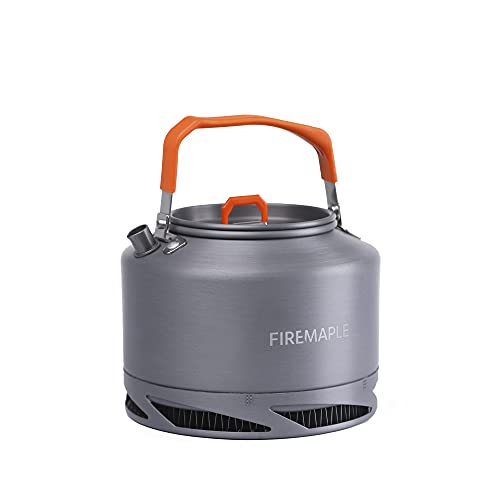
Fire-Maple XT2 1.3L Camping Kettle
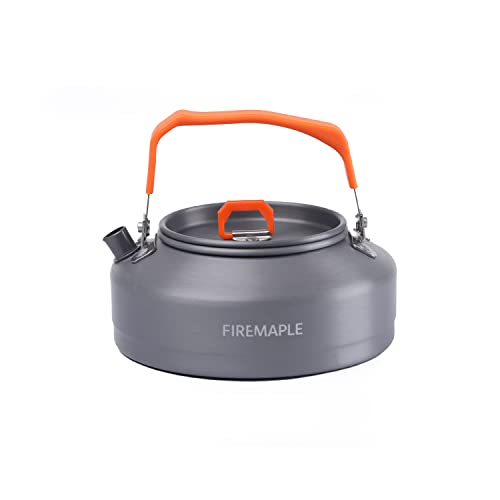
Fire-Maple Feast T3 0.7L Camping Kettle

COLETTI Classic Percolator Coffee Pot 12 Cup

COLETTI Butte Coffee Percolator 14 Cup
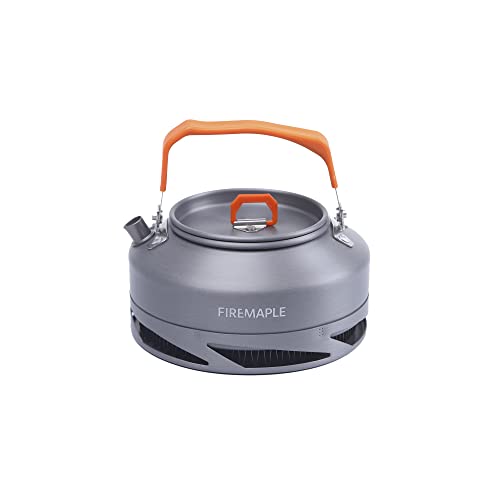
Fire-Maple XT1 0.7L Camping Kettle
A Closer Look At Each Pick
Long-distance hikers care about every gram, and titanium delivers one of the best strength-to-weight ratios you can pack. The TOAKS 750ml pot threads that needle by weighing barely more than a deck of cards, yet it handles real trail duty thanks to a pure, uncoated titanium body that shrugs off corrosion.
The detachable bail handle sets it apart from the Stanley Adventure nesting set you’ll meet next. It folds across the top for hanging over a campfire and tucks away for pack stuffing. You may find the 750ml capacity a touch snug for two hungry appetites, but solo hikers and freeze-dried meal devotees will treat it as nearly ideal.
The Good Stuff
- Lightweight titanium body resists corrosion and handles temperature swings without complaint
- Bail handle doubles as a hanging bail and folds flat, freeing up pack space
- Side folding handles stay cool enough to manage without a pot gripper in many situations
- Versatile enough to boil water, simmer a one-pot meal, or pull double duty as a mug
Small Caveats
- Capacity leans small for two campers cooking real meals rather than just rehydrating
- Titanium conducts heat unevenly, so aggressive searing or thick stews require stirring attention
Feature Snapshot
Built With In Mind
Thru-hikers and gram-conscious backpackers who want a single vessel that pulls double duty as both cookware and mug.
Consider Something Else When
Car campers feeding two people will find the Stanley Adventure nesting set a more comfortable size.
Cooking for two at a base camp means juggling multiple pieces, which is exactly the headache this Stanley set solves. The 1.0L stainless steel pot nests neatly with two bowls and two sporks, and the interior even has room for a small fuel canister. Compared with the TOAKS titanium pot above, this kit trades ultralight credentials for real shared-meal practicality.
Stainless steel is tough and predictable over a camp stove, though it adds noticeable weight to your pack. You may find the sporks feel a bit minimalist, but they collapse into the kit and one less thing to remember on a busy morning.
Well-Handled Touches
- Six-piece layout means bowls and utensils come along without separate packing
- Pot interior fits a small fuel canister for tidy, consolidated packing
- Stainless steel construction shrugs off bumps and rough handling
- Lid doubles as a plate or second cooking surface in a pinch
Honest Caveats
- Stainless steel weighs more than titanium or aluminum, so it shines more in car camping than backpacking
- No temperature-resistant handles, so a gripper or cloth is wise when removing from heat
Made For
Couples and paddling partners who want one tidy bundle that covers cooking and serving for two without guesswork.
Reach For A Different Pick When
Solo thru-hikers chasing sub-two-pound packs will be happier with the TOAKS titanium pot.
Cast iron feels at home over coals, and the Petromax 5.8-quart Dutch oven leans into that heritage without apology. It arrives pre-seasoned so you can skip the first-round oil cure, and three short legs let it sit directly over a fire or balance on a ring of coals. Compared with the compact Stanley set, this is the slow-cooking cousin that wants hours, not minutes.
Heat retention is the headline here: the thick walls keep food warm long after the fire dies down, which matters for serving a crowd or letting a stew mellow. You will pay for that performance in weight, since cast iron rewards a car-camp setup rather than a long hike.
The Helpful Details
- Pre-seasoned finish skips the first-round cure and resists rust with basic care
- Three legs stabilize the pot over a fire and let coals sit beneath the base
- Heat retention keeps stews and baked goods warm through the second helping
- Doubles as a home oven piece, extending its usefulness beyond the campsite
Some Limits To Know
- Heavy enough that hauling it to a remote campsite takes planning and a sturdy vehicle
- Cast iron demands drying and oiling after washing to keep that seasoned surface intact
- Capacity fills out a family-sized meal, which is too much for one or two campers
Best Suited To
Family campers and cooking enthusiasts who treat the Dutch oven as the centerpiece of a base-camp spread.
Not Your Match When
Backpackers will want to skip this entirely and reach for the Fire-Maple Feast T3 kettle instead.
The Uno Casa 6Qt Dutch oven leans into the 3-in-1 approach: sit it, hang it, or bury the lid in coals for oven-style baking. Long legs and a sturdy bail handle let you suspend the pot over a fire, while the included lid lifter keeps fingers away from the hot rim when you’re checking biscuits. Versus the Petromax piece above, this kit bundles the accessories most folks end up buying separately.
A storage bag makes transport cleaner, though cast iron still weighs what it weighs. You’ll want a spot in the vehicle for it and a towel to wipe the seasoned surface after meals.
Positive Points
- Lid lifter and storage bag arrive in the box, saving accessory shopping
- Pre-seasoned surface is ready for first use after a quick rinse
- Long legs and bail handle support both sitting and hanging cook styles
- Large 6Qt capacity handles stews, roasts, and bread for a hungry crew
Things To Consider
- Cast iron care takes commitment: dry thoroughly and oil the surface after each wash
- Bundled accessories add bulk, so expect a fuller loadout than a bare-bones oven
Who It Suits Best
Families and group campers who want a single pot that handles dinner and dessert without buying extras.
Where Another Pick Suits Better
Solo overlanders who want a lighter cast iron experience should look at the Petromax Dutch oven.
Kettles earn their place when fuel is tight, and the Fire-Maple XT2 1.3L kettle uses a heat-exchanger base to coax more energy from each canister burst. Hard-anodized aluminum keeps weight down and shrugs off scratches from pack life. Where the COLETTI percolators you’ll see later focus on coffee, this one is all about fast, efficient boiling for two.
You may find the kettle shape a touch awkward for cooking noodles, but it pours cleanly and handles dehydrated meals without complaint. A mesh carry pouch is usually included for stuffing it into a side pocket.
Good Reasons To Consider
- Heat-exchanger base reduces boil time and stretches canister fuel
- Hard-anodized aluminum body resists scratches and corrosion
- 1.3L capacity covers two mugs of coffee or a rehydrated meal with room to spare
- Pours cleanly without dribbling, which matters at 5 a.m. in a cold tent
Points To Keep In Mind
- Kettle shape limits you to boiling and rehydrating, not real stovetop cooking
- Heat-exchanger base adds a small amount of bulk compared with a plain pot
Right Fit For
Two-person backcountry teams who boil water for coffee, tea, and pouch meals on a small canister stove.
A Better Fit Elsewhere
Coffee-focused campers will get more use out of the COLETTI Classic Percolator Coffee Pot.
Solo hikers want a kettle that disappears in the pack, and the Fire-Maple Feast T3 keeps the weight to roughly 187 grams. The hard-anodized aluminum body tolerates the bumps of trail life, and the heat-resistant ABS handle coating stays grippable when the kettle is hot. It is the smaller sibling to the XT2 above, sized for one mug and a pouch dinner.
The compact 0.7L capacity means you’ll refill more often if you’re boiling for a partner, but solo use feels right. A mesh pocket usually ships with the kettle so it slips into a pack lid or hip belt.
What Helps Most
- Lightweight build suits long-distance hikers watching every gram
- Hard-anodized finish resists scratches from crowded packs
- Heat-resistant handle coating improves grip and adds safety
- Compact diameter nests neatly beside a small fuel canister
Potential Drawbacks
- Smaller capacity forces more refills for two campers sharing one boil
- Aluminum body requires careful cleaning to avoid long-term cosmetic wear
Perfect Match For
Solo backpackers and fastpackers who want one reliable vessel for hot drinks and dehydrated meals.
Swap It Out When
Couples sharing a stove should choose the larger Fire-Maple XT2 1.3L kettle instead.
There’s a reason percolators refuse to disappear from campsites: they brew bold, hot coffee without filters or fuss. The COLETTI Classic leans into that heritage with blue enamel over steel, a heat-toughened glass top, and an over-the-fire handle for hanging it from a tripod. The 12-cup capacity suits small groups, and compared with the Fire-Maple kettles above, this one is unapologetically a coffee pot.
The internal stainless components avoid aluminum contact with the brew, which appeals to anyone keeping their cookware simple. You may find the enamel finish susceptible to chips if you toss it loosely in a truck bed, so a soft bag or towel pays off over time.
Real-World Strengths
- Steel internals keep the brewing path free of aluminum or plastic
- Over-the-fire handle supports tripod or grate brewing setups
- 12-cup output covers a small group on a single brew cycle
- Glass knob on the lid lets you watch the percolation without lifting
Factors To Consider
- Enamel coating can chip from hard impacts, so pack it with care
- Coffee-only design means you’ll want a separate pot for cooking meals
Feature Snapshot
Who Should Grab It
Small-group campers and coffee traditionalists who want a real percolator without plastic or aluminum inside the brew path.
Skip It When
Solo trekkers chasing light loads will be better served by the Fire-Maple Feast T3 kettle.
The COLETTI Butte steps up to a 14-cup capacity for bigger crews and longer mornings. Food-grade 18/8 stainless steel runs through the entire pot, so there’s no aluminum or plastic touching the coffee. Unlike the enamel-clad Classic above, the Butte keeps a clean, all-steel look that shrugs off rough handling at base camp.
It works equally well over an open flame or on a stovetop, which matters for trips that blend camp cooking and cabin rentals. You may find it overbuilt for a two-person trip, but the capacity becomes a feature when you’re fueling a hunting camp or a family reunion.
Reasons It Performs
- All-steel construction handles open flames and stovetops with equal ease
- 14-cup capacity covers large groups on a single brew
- Stainless interior keeps the brewing path simple and clean
- Rugged build tolerates the bumps of truck-bed and base-camp transport
Things To Weigh Up
- Larger capacity adds weight, so it’s better suited to vehicle-based trips
- Pure stainless look loses the colorful enamel character of the Classic model
Whose Shelf It Belongs On
Big-group campers, hunting camps, and family base-camp setups where coffee fuels the morning.
Where A Sibling Pick Shines
Smaller groups that want a more compact pot will prefer the COLETTI Classic 12-Cup percolator.
The Fire-Maple XT1 borrows the heat-exchanger technology from its bigger XT2 sibling and shrinks it into a solo-friendly 0.7L kettle. Hard-anodized aluminum keeps weight minimal, and the compact footprint tucks neatly beside a small fuel canister. Compared with the Feast T3 reviewed earlier, this one leans harder into fuel efficiency rather than pure packing minimalism.
The kettle shape still limits you to boiling and rehydrating, though the heat-exchanger base noticeably shortens boil times on a calm morning. You will likely want to pair it with a small windscreen for best results in breezy camps.
What Works In Its Favor
- Heat-exchanger base reduces fuel use on longer trips
- 0.7L size hits a sweet spot for solo meals and one or two drinks
- Hard-anodized aluminum resists scratches and corrosion
- Stacks with a small fuel canister for a tidy kit
Where It May Fall Short
- Kettle-only design means a separate vessel for any real cooking
- Compact capacity forces more refills for shared meals
Feature Snapshot
The Right Fit
Minimalist solo campers who want a fuel-efficient kettle without adding real weight to their pack.
Look Elsewhere When
Two campers boiling together will appreciate the Fire-Maple XT2 1.3L kettle for its bigger capacity.
Factors That Actually Matter When Picking Camp Pots
Material shapes everything about how a pot cooks and carries. Titanium stays light and resists corrosion, but it spreads heat unevenly, so thick foods need attention. Stainless steel is heavier and tougher, a fine trade for car camping. Cast iron rewards patience with unmatched heat retention, though it punishes weight weenies. Aluminum splits the difference, especially when hard-anodized for scratch resistance.
Capacity and weight trade off in obvious ways. Solo backpackers usually settle between 0.7L and 1L, while two-person crews land around 1.3L to 2L for real meals. Larger groups cooking stews or baking will need a Dutch oven in the 5L-plus range and a vehicle to haul it. Match the pot to the trip before you match it to your gear list.
Cooking style drives more decisions than specs. Hanging bail handles work over fires, folding handles prefer flat stoves, and Dutch oven legs demand coals. If your mornings revolve around coffee, a percolator earns its space over a generic pot.
Accessories matter more than people expect. Lids, lid lifters, storage bags, and grippers all save burned fingers and scratched paint. A pot that nests with its bowl, spork, and fuel canister keeps packing tidy and your kit honest.
Smart Buying Advice Across These Picks
Pitfalls Shoppers Hit
Choosing a pot by capacity alone leads to bulky kits that barely fit a pack lid. Confirm the actual dimensions and whether the lid nests with the stove before buying. Cast iron also tempts buyers who underestimate the drying and oiling routine it requires after every wash.
Where The Extra Money Goes
Higher-tier models often pay for better handles, more durable finishes, and tighter-fitting lids that genuinely shorten boil times. Heat-exchanger bases are a clear example: the cost shows up in fuel savings across a long trip. Premium picks also tend to ship with accessories like lid lifters or storage bags, which keeps your kit tidy without a second purchase.
Frequently Asked Questions
How do I clean a cast iron Dutch oven at camp?
Rinse with hot water, scrape gently, and dry it thoroughly over the fire before storing. A light coat of oil preserves the seasoned surface between trips.
Is titanium really worth the extra cost for backpacking?
For long-distance hikers who count ounces, titanium pays back in pack weight and corrosion resistance. Casual weekend campers usually find stainless steel or aluminum a better value.
Can I use a percolator on a camp stove?
Yes, as long as the base sits flat on the burner grate. Adjust the flame low to avoid scorching the coffee and lift the lid occasionally to check the brew color.
What size kettle boils water for two people?
A 1.3L kettle like the Fire-Maple XT2 covers two mugs and a dehydrated meal with room to spare. Solo trips usually settle around 0.7L.
Do hard-anodized aluminum pots need special care?
Avoid harsh abrasives and dishwashers to keep the anodized layer intact. A soft sponge and mild soap handle most cleanup without dulling the finish.
Closing Thoughts
The right camp pot fades into the background on a trip and just does its job. Match the vessel to the way you actually cook, weigh it against your packing reality, and lean into the style of meal that defines your campsite. A clear answer there usually points to one pick on this list, and the rest of the kit falls into place around it.