
A solid camp light does more than chase the dark away. It sets the mood at the picnic table, helps kids find their way back to the tent, and turns a power outage into something you can manage calmly. The right pick matches your usual group size, your climate, and whether you mostly camp at developed sites or head deep into the backcountry.
After sorting through the spec sheets and design choices across ten camp lightings, the goal here is simple. You get honest takes on what each option actually offers, where it shines, and where another pick in this list does the job better.
The Essentials At A Glance

OGERY Camping Lights with Stand & Remote

PBPHX Rechargeable Camping Light with Stand
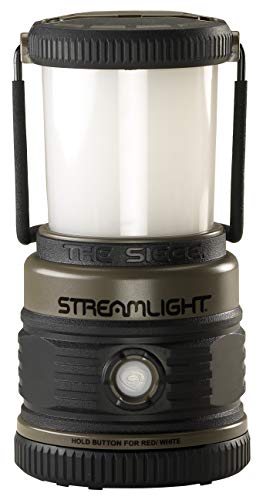
Streamlight 44931 Siege Compact Lantern (Coyote)
Consciot CL1 Mini Dual Light LED Lantern

PBPHX 21000Lumen LED Work Lights with Stand
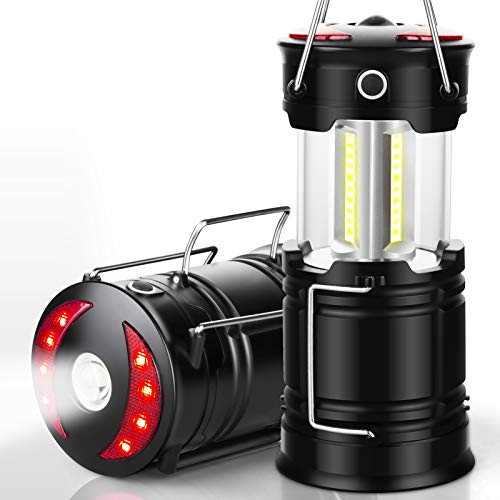
EZORKAS 2 Pack Camping Lanterns

Ropelux Rechargeable Camping Lantern 1500lm

PBPHX 14000Lumen LED Work Lights with Stand
OGERY Camping Lights with Remote 18000mAh

OGERY Rechargeable 10000mAh Camping Light with Stand
More On The Choices That Made The List
OGERY’s first entry earns its spot for sheer flexibility. A built-in stand sets it up off the ground at a useful working height, and the bundled remote lets you dim or switch modes from inside the tent or across the picnic table. The 10,000mAh battery (roughly the capacity of two-and-a-half phone charges) handles a full weekend on lower settings and tops up phones in a pinch.
Compared with smaller lanterns like the Streamlight, this one carries more weight and footprint. For a car camp or job site where space isn’t tight, that trade feels reasonable. You get five lighting modes ranging from cool white to warm, plus an emergency strobe, which makes it a strong fit for both relaxing evenings and unexpected roadside repairs.
Reasons It Performs
- Remote control operation lets you adjust settings without getting up, useful when you’re already settled into a sleeping bag.
- Five lighting modes (6500K cool white, 4500K warm white, 3500K warm, flashlight, and strobe) cover everyday camping and emergency signaling.
- Each of the first four modes offers three brightness levels, so the same light works for a soft lantern glow and brighter task lighting.
- The 10,000mAh battery doubles as a power bank for phones and small electronics during outages.
- The integrated stand lifts the light off the ground, which helps in wet grass or muddy campsites.
Things To Consider
- Larger than a backpacking lantern, so it suits car camping more than long treks where pack space matters.
- The mode count means a learning curve, though most people pick it up after a couple of evenings.
Built With In Mind
Group campers, families at developed sites, and anyone who wants one light that handles the picnic table, the tent, and a roadside repair.
Reach For A Different Pick When
Backpackers carrying every ounce should look at the Streamlight 44931 Siege Compact Lantern instead, since it slips into a pack much more easily.
PBPHX built this lantern around a 12,000mAh battery (about three full phone charges), which puts it ahead of most camp lights for staying power. The magnetic base and stand give you placement options that the OGERY above doesn’t offer, so you can stick it to a car body, a steel shelf, or a tent pole base. Three color temperatures let you shift between warm and cool depending on the mood.
It’s heavier than a basic battery lantern, but the upside is real. During a hurricane or extended blackout, the reverse-charging port keeps your phone alive while the lantern runs, which is exactly the kind of dual purpose a good emergency light should serve.
A Strong Showing
- Large 12,000mAh battery supports multi-day camping and emergency use without daily recharging.
- Type-C input and USB output mean it charges modern devices in the field, useful when outlets are scarce.
- Magnetic base offers hands-free placement on metal surfaces, which the OGERY stand model can’t match.
- Three color modes adapt to relaxing evenings or task-focused cooking and setup.
Worth Noting
- Heavier than minimalist lanterns, so backpackers may want something lighter.
- No remote control, so mode changes require getting up.
- Owners commonly report the magnetic base is strong but can scratch finished surfaces if dragged.
Key Specs
Whose Shelf It Belongs On
Hurricane prep lists, off-grid campers, and anyone who wants a single light that doubles as a phone charger.
Swap It Out When
For pure tent ambience without the bulk, the Consciot CL1 Mini Dual Light LED Lantern offers a smaller, design-led footprint.
The Streamlight Siege is the smallest, most pack-friendly light on this list. It pushes up to 540 lumens (a measure of total light output; higher numbers mean brighter light) in a body that’s easy to stash in a daypack or emergency bin. A 360-degree lit dome means it spreads light evenly rather than throwing it in a single direction.
Where the OGERY and PBPHX models lean on big batteries, this one runs on standard cells. That trade keeps weight down and means you can swap power on the trail without a charging cable. The coyote color blends into outdoor settings, and the rubberized base holds up to the usual campsite drops.
Practical Pluses
- Compact size fits in backpacks and emergency kits without taking up valuable room.
- Multiple lighting modes including a red SOS (a flashing distress signal) help preserve night vision and signal for help if needed.
- 540-lumen high setting covers a tent or small picnic area with even, 360-degree light.
- Uses standard batteries, so you can carry spares rather than depending on wall outlets.
Room For Improvement
- Lower maximum output than the tripod work lights, so it’s not the right tool for lighting a whole driveway.
- No power bank function for charging devices.
- Rubber base, while durable, can attract dust and grit in dry camps.
Made For
Backpackers, weight-conscious travelers, and anyone building a grab-and-go emergency kit.
A Better Fit Elsewhere
If you need raw output for a job site or tailgate, the PBPHX 21000Lumen LED Work Lights with Stand delivers considerably more brightness on a tripod frame.
The Consciot CL1 leans into retro looks that read more like a vintage hurricane lamp than a modern flashlight. Dual light sources pair a warm-toned bulb look with a brighter top LED, and stepless dimming (adjusting brightness smoothly rather than in fixed steps) lets you dial in the exact glow you want. It’s the most decorative pick on this list without sacrificing function.
That said, you’re not getting a massive battery or a power bank here. The CL1 is for the camper who wants a light that looks as good on the picnic table as it does lighting the tent. Compared with the OGERY models, the runtime is shorter, so it works better for shorter trips or as a secondary lamp.
A Few Strong Suits
- Vintage-inspired design adds character to a campsite, tent, or covered patio.
- Stepless dimming gives finer control over brightness than stepped modes on basic lanterns.
- Dual light sources provide both a soft mood glow and a brighter task beam.
- Compact enough to move from table to tent to nightstand without hassle.
Points To Keep In Mind
- Battery life is shorter than high-capacity options like the PBPHX 12000mAh lantern.
- No power bank function, so you’ll still need a separate charger for phones.
- The decorative styling may not appeal to those who prefer a purely utilitarian look.
Best Suited To
Glampers, patio dwellers, and anyone whose campsite aesthetic matters as much as raw output.
Consider Something Else When
For multi-day trips where battery life matters more than looks, the OGERY 18000mAh Camping Lights with Remote offers a much longer runtime.
PBPHX’s three-head tripod light isn’t really a camping lantern in the traditional sense. It’s a job-site floodlight that happens to fold into a car trunk. With a 6500K color temperature (a daylight-balanced white), it pushes out 21,000 lumens, which is more than enough to light a whole campsite, a tailgate setup, or a garage project after dark.
The trade is real: this thing is bigger and heavier than any other pick here. The retractable 80-inch tripod folds for transport, but you’re not packing it on a trail. For car campers, contractors, and anyone who works outdoors after sunset, it’s the brightest option on the list by a wide margin.
Real-World Strengths
- Three adjustable panels direct light where it’s needed, instead of flooding one area.
- 21,000-lumen output covers large spaces like driveways, work zones, and group campsites.
- 6500K daylight color temperature renders colors accurately, useful for detailed task work.
- Folding tripod design collapses for transport and storage between uses.
Trade Offs
- Significantly larger and heavier than lantern-style options, so it stays in the car.
- Cool white light isn’t as relaxing for evening ambient use as warmer color temperatures.
- Tripod footprint can be unstable on uneven tent platforms or soft ground.
Feature Snapshot
Who Should Grab It
Car campers running a base setup, contractors working after dark, and homeowners tackling big outdoor projects.
Look Elsewhere When
For a more compact tripod option that still delivers strong output, the PBPHX 14000Lumen LED Work Lights with Stand is the smaller sibling.
The EZORKAS two-pack lands on this list for a simple reason: it solves the “we need a light for the kids’ tent too” problem without stretching the gear budget. Each lantern collapses down for storage and uses COB LED panels (chip-on-board LEDs that produce wide, even light) for a 360-degree spread. You get two lights at the price most competitors charge for one.
The compromise is that they’re not as bright as the bigger OGERY or PBPHX lanterns, and the collapsible body feels less substantial than a hard-shell design. For first-time campers, scout troops, or anyone outfitting multiple tents, that’s usually a worthwhile trade.
Everyday Perks
- Two lanterns per pack means you can light the kitchen area and a sleeping tent separately.
- Collapsible design slips into a drawer or pack pocket when not in use.
- Multiple lighting modes adjust output for different tasks around camp.
- Lower cost per unit makes it easy to outfit a whole family or group.
Practical Considerations
- Output is lower than premium single-lantern options from OGERY or Streamlight.
- Plastic collapsible body is less rugged than hard-shell lantern designs.
- Battery requirements mean stocking spare cells for longer trips.
Right Fit For
First-time campers, scout groups, and anyone who needs multiple lights without a major investment.
Where Another Pick Suits Better
Solo campers who want one serious light should consider the OGERY Camping Lights with Stand & Remote, which packs more features into a single unit.
The Ropelux packs eight lighting modes into one compact body, covering front beam, tail light, side floodlight, and a red strobe for emergencies. At 1500 lumens on the main beam, it outshines smaller lanterns like the Streamlight Siege for distance lighting. The rechargeable battery adds convenience over disposable-cell designs.
You won’t find a tripod stand or a massive battery bank here. This is a multi-mode flashlight-lantern hybrid aimed at people who want one device that handles trail, tent, and signal duties. The mode count is more than most campers use, but having options pays off during power outages and roadside stops.
The Good Stuff
- Eight lighting modes including a red strobe cover hiking, camping, and emergency use in one device.
- 1500-lumen main beam reaches farther than compact lantern-style options.
- Rechargeable battery cuts down on disposable cell waste over time.
- Side floodlight function turns it into a small area lamp when you need it.
Things To Weigh
- Eight modes can feel like overkill for campers who only need two or three settings.
- Battery life varies widely depending on which mode you run, so runtime claims depend heavily on usage.
- No tripod or stand, so it works best handheld or set on a flat surface.
Quick Facts
Perfect Match For
Hikers and emergency preppers who want one light that handles trail, camp, and signal duties without carrying multiple devices.
Not Your Match When
For dedicated area lighting at a stationary camp, the OGERY Camping Lights with Stand & Remote provides wider, more even coverage.
The two-head version of PBPHX’s tripod light delivers 14,000 lumens across two adjustable panels, sitting between the company’s three-head model and a basic lantern. The 6500K daylight tone makes it a natural fit for garage projects, tailgates, and car camping where you want the campsite to read like daytime.
Compared with the bigger three-head sibling, this one is more compact and easier to haul to a weekend job. You give up one panel of coverage, but for most home and tailgate uses, two heads are plenty.
Features That Help
- Two-panel design still covers most workshops, tailgates, and campsite layouts.
- 14,000-lumen output is well above what lantern-style camp lights provide.
- 6500K daylight color renders tasks clearly without yellow tint.
- Smaller tripod footprint than the three-head PBPHX, so it fits tighter storage spots.
Some Limits To Know
- Cool tone is less pleasant for relaxed evenings than warm color temperatures.
- Still requires car transport, not a backpack option.
- Tripod base can wobble on soft or uneven ground at full extension.
Who Will Love This
DIYers working on garage projects and tailgaters who want a bright, even spread without hauling the largest model.
Where A Sibling Pick Shines
For maximum coverage at a large group site, the PBPHX 21000Lumen LED Work Lights with Stand adds a third panel and more raw output.
This is the endurance pick of the OGERY lineup. The 18,000mAh (66.6Wh) battery claims up to 59 hours in flashlight mode and over 15 hours in area lighting modes, which is genuinely useful during a weekend blackout or a remote trip without power. The remote works from up to 10 meters away, so you can adjust brightness from inside a tent or across a room.
It’s the largest battery of the camp lightings covered here, and that comes with extra weight. For emergency prep kits, the trade makes sense. For casual weekend camping, the smaller OGERY 10,000mAh model is easier to handle.
Positive Takeaways
- 18,000mAh battery outlasts nearly every other lantern on this list, which matters during extended outages.
- Remote control up to 10 meters away lets you adjust settings from inside the tent.
- Functions as a power bank to charge phones, tablets, and other small electronics.
- Long flashlight runtime (claimed 59 hours) covers multi-day trips without recharging.
Possible Compromises
- Bigger and heavier than the 10,000mAh OGERY model, so it’s less portable.
- Higher capacity also means longer recharge times when you do plug it in.
- Remote adds a small part to keep track of on longer trips.
Spec Overview
The Right Fit
Storm prep households, off-grid campers, and anyone building a kit that needs to last through extended outages.
Skip It When
For lighter weekend car camping, the OGERY 10,000mAh Camping Light with Stand is easier to handle and still delivers solid runtime.
The straightforward sibling to OGERY’s other entries skips the remote and the bigger battery, sticking to the essentials: a 10,000mAh rechargeable cell, a built-in stand, and USB-C charging. It’s the lightest of the three OGERY camp lightings here, which makes it a sensible grab for backyard evenings and short weekend trips.
You don’t get the remote control of the bigger OGERY or the long runtime of the 18,000mAh version. For most campers who just need a reliable light with a stand, this is the easy entry point.
Real Benefits
- 10,000mAh battery is enough for a weekend of low-brightness use on a single charge.
- Built-in stand lifts the light off wet ground or dusty surfaces.
- USB-C input matches modern cables you likely already carry.
- Power bank function charges a phone in a pinch.
Less Ideal Details
- No remote, so mode changes require getting up.
- Shorter runtime than the 18,000mAh OGERY model.
- Lower output than the tripod work lights for large area coverage.
Who It Suits Best
Backyard users, casual car campers, and anyone who wants a no-fuss rechargeable light with a stand.
Wrong Turns To Avoid
For remote control convenience, the OGERY Camping Lights with Stand & Remote is the better pick despite the similar battery size.
Choosing The Right Camp Lightings For Your Setup
Picking a camp lighting setup starts with where you’ll actually use it. Backpackers weight every ounce, so compact lanterns like the Streamlight Siege or the Ropelux multi-mode make more sense than tripod work lights. Car campers and base-camp setups can comfortably carry the heavier OGERY and PBPHX models with bigger batteries and built-in stands.
Runtime and power source matter next. Rechargeable batteries with power bank functions (the OGERY models and PBPHX 12000mAh) cover longer trips and emergency outages without disposable cells. Standard-battery lanterns trade convenience for the ability to swap fresh cells on the trail.
Brightness and color temperature shape the mood and the practicality of the light. Warm tones (around 3000K to 4500K) feel relaxing at the picnic table, while cool daylight tones (around 6500K) help with detailed task work. The job-site floodlights lean hard toward cool white for accuracy, while decorative picks like the Consciot CL1 prioritize warmer, ambient tones.
Mounting options also change how useful a light feels. Tripod stands free both hands for cooking or repairs, magnetic bases stick to cars and metal surfaces, and collapsible lanterns pack small but lack dedicated hands-free setups. Pick the mounting style that matches how you actually spend your evenings outdoors.
Key Considerations Across These Picks
Common Shopping Slip Ups
The biggest mistake is buying a lantern based on maximum lumen output alone. A 21,000-lumen tripod light sounds impressive, but it’s wasted on a two-person tent and weighs far too much for backpacking. Match the light to the use case rather than the spec sheet.
Another trap is ignoring battery type. Rechargeable batteries save money and reduce waste over time, but they need a power source to recharge. For trips far from outlets, a lantern that runs on standard cells, like the Streamlight Siege, gives you more flexibility to swap in fresh batteries.
Where The Extra Money Goes
Higher-tier models earn their cost through larger batteries, more mounting flexibility, and additional modes. The OGERY 18,000mAh lantern costs more than basic options because it lasts nearly three times longer between charges. Tripod lights cost more because they include height adjustment, multiple panels, and brighter output. The upgrade is worth it when you actually use those features, and wasteful when you don’t.
Frequently Asked Questions
What lumen output do you actually need for camping?
For tent lighting and small group sites, 200 to 1,500 lumens is plenty. Larger areas and job-site use call for 10,000 lumens or more on a tripod setup.
How long should a rechargeable camp light last per charge?
Most rechargeable lanterns run 8 to 15 hours on low settings. The OGERY 18,000mAh model pushes past 15 hours in area mode and well beyond that in flashlight mode.
Can a camping lantern double as a phone charger?
Yes, several picks here include a USB output for charging phones. The PBPHX 12000mAh and OGERY models all support reverse charging.
Are warm or cool color temperatures better for camping?
Warm tones feel more relaxing around the picnic table, while cool daylight tones help with cooking and task work. Picks like the Consciot CL1 lean warm, and the PBPHX work lights lean cool.
What is the best camp lighting option for emergency prep?
A high-capacity rechargeable lantern with a power bank function covers most scenarios. The OGERY 18000mAh and PBPHX 12000mAh lanterns both fit that profile well.
Closing Remarks
The best camp lighting is the one that matches how you actually spend time outside. Backpackers and weight-conscious travelers do well with compact picks like the Streamlight Siege. Group campers and emergency preppers get more value from the bigger batteries and stands of the OGERY and PBPHX models. Whichever profile fits your style, the picks above should give you a clear starting point for your next outdoor setup.