
A good kettle quietly decides how your morning goes at camp. Boiling water faster means coffee sooner, less fuel burned through, and fewer hangry faces around the fire. Whether you’re packing for a long-distance hike or just want a proper brew at the car-camping spot, this shortlist covers copper showpieces, ultralight stoveside teapots, and clever collapsible designs that actually hold up to trail life.
How The Shortlist Stacks Up

FIRESIDE Outdoor Grandma’s Copper Kettle

Fire-Maple Antarcti 1L Stainless Steel Camp Tea Pot
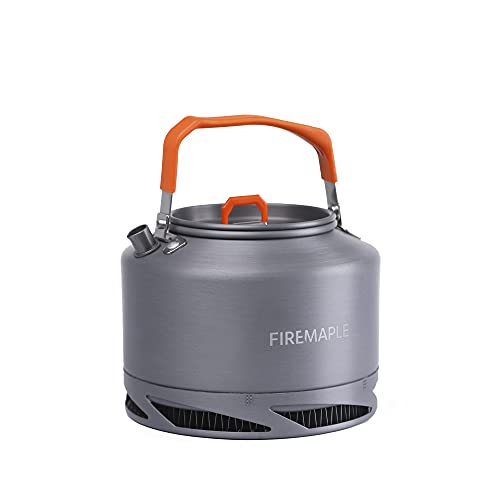
Fire-Maple XT2 1.3L Camping Teapot with Heat Exchanger
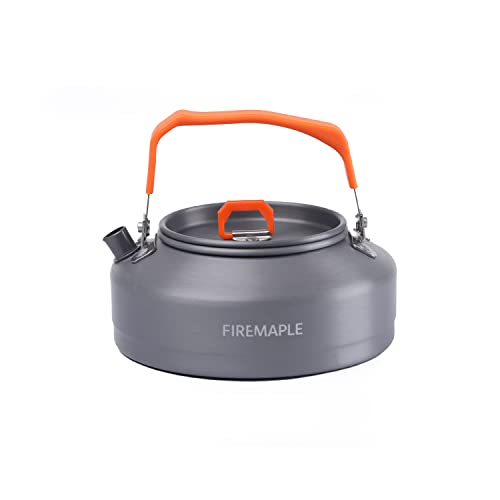
Fire-Maple Feast T3 0.7L Camping Teapot

GSI Outdoors Halulite 1.8L Tea Kettle
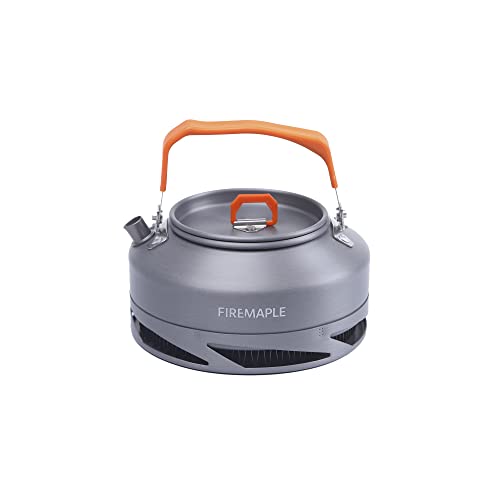
Fire-Maple XT1 0.7L Camping Teapot with Heat Exchanger

Petromax Stainless Steel Teakettle

Sea to Summit X-Pot Collapsible Kettle
Inside Each Recommended Option
This hand-formed copper kettle from Japan’s FIRESIDE is less a backpacking tool and more a hearthside statement piece. The hammered body patinas beautifully with use, so it picks up character after every fire rather than wearing out. It’s the right kettle if you’ve got a wood stove at a cabin or a permanent tent setup and want something with old-world charm.
Unlike the ultralight aluminum options later in this list, copper has real heft and needs a flat, stable surface. Wood-stove owners tend to appreciate that weight, while ultralighters should look elsewhere.
Key Advantages
- Copper construction warms quickly and develops a richer patina the more it’s used.
- The handcrafted form gives every kettle a slightly individual look.
- Sits beautifully on a wood stove as both functional kettle and decorative piece.
- Long-term ownership tends to reward you with a one-of-a-kind finish.
Things To Consider
- It’s a fairly heavy piece and isn’t built to ride in a backpack.
- Copper needs occasional polishing if you want to keep the shine, since oxidation is part of the metal’s nature.
Who It Suits Best
Anyone with a wood stove at a cabin, yurt, or homestead who wants a kettle that doubles as décor.
Where Another Pick Suits Better
For trail-friendly brewing, the Fire-Maple Feast T3 is a far better travel companion.
The Fire-Maple Antarcti keeps things simple and does the basics well. A 1-liter capacity hits the sweet spot for two campers sharing morning coffee or a dehydrated meal that needs boiling water. The 18-8 stainless steel body (an alloy with roughly 18% chromium and 8% nickel) shrugs off rust and holds heat longer than thinner aluminum pieces.
Compared to the FIRESIDE copper pick above, this is plain-looking but trail-tough. It won’t be the showpiece of your camp kitchen, but you won’t think twice about tossing it in the car.
Where It Delivers
- 1L capacity covers two mugs of coffee or a freeze-dried dinner with room to spare.
- Food-grade 18-8 stainless steel resists corrosion and cleans up easily.
- Solid base contact works well on camp stoves and grid-style burner heads.
Worth Noting
- No integrated lid handle means you may need a pot grip or glove to pour safely.
- Steel is heavier than the aluminum options further down this list, so it’s not ideal for ultralight packing.
Key Specs
Made For
Car campers and weekend basecamp cooks who want a durable steel kettle without extra bells and whistles.
Skip It When
For solo long-distance hiking, the Fire-Maple XT1 saves serious weight on your back.
The XT2’s claim to fame is its heat exchanger base, a fluted aluminum bottom that pulls hot gases up around the pot’s sides rather than wasting them past the body. The hard anodized aluminum shell (treated to resist corrosion and scratches) keeps weight down while still being tough enough for trail abuse.
If you’ve ever cursed a canister stove that ran through a fuel cartridge in a single morning brew session, this is the kettle that should change that conversation. Compared to the Antarcti’s flat steel base, the XT2 squeezes significantly more heat out of every gram of fuel.
Noteworthy Benefits
- Heat exchanger base reportedly cuts fuel use by around a third versus traditional flat-bottom pots.
- 1.3L handles two-to-three campers for coffee, soup, and rehydrated meals.
- Hard anodized aluminum resists wear from packing alongside other gear.
- Compact footprint for its capacity, roughly 6 x 7.2 inches.
Trade Offs
- Heat exchangers are tuned for small camp stove flames, so they underperform on big burner rings.
- Aluminum needs more careful cleaning around the finned base to keep soot and soot buildup from clogging the channels.
Right Fit For
Backcountry campers running canister stoves who want to stretch fuel over multi-day trips.
A Better Fit Elsewhere
For open-fire use at basecamp, the Petromax teakettle’s heavy steel is built for that environment.
The Feast T3 is built around a simple promise: boil a single mug of water with the absolute minimum of pack weight. At roughly 187 grams, it’s barely heavier than a deck of cards, and the included mesh carry sack keeps it from clanging against everything else in your pack. Hard anodized aluminum gives it scratch resistance that plain aluminum lacks.
Compared to the XT2 reviewed just above, this is the no-heat-exchanger, half-the-capacity sibling. You’re trading fuel efficiency for raw packability.
Notable Upsides
- 187-gram weight barely registers on a backpacking scale.
- Compact dimensions, roughly 6 x 5 inches, fit alongside a fuel canister.
- ABS-coated handle stays cooler and provides grip even with wet hands.
- Mesh carry pouch protects the kettle and the rest of your gear in transit.
Points To Note
- 0.7L is enough for one person; couples should size up to the XT2 or GSI Halulite.
- No heat exchanger, so boil times run longer than on Fire-Maple’s XT-series kettles.
Feature Snapshot
Best Suited To
Solo backpackers and ultralighters who boil water for one mug at a time.
Look Elsewhere When
Group cooks who need a liter-plus per boil will find the GSI Halulite a more useful size.
The Halulite’s claim is straightforward: a generous 1.8-liter capacity in a body that still packs down reasonably flat. GSI’s proprietary alloy is engineered to spread heat more evenly than titanium, which sounds technical but in plain terms means fewer hot spots and more efficient boils.
If you’ve ever tried to serve coffee to four hungry campers from a 0.7L kettle, you already know the frustration this solves. Against the Fire-Maple XT2 reviewed earlier, the Halulite offers more capacity at a similar weight class but without the heat-exchanger bottom.
The Upside
- 1.8L (about 7.6 cups) covers a family or group breakfast without multiple boil rounds.
- Hard anodized shell resists scratches and cleans up easily at home.
- Easy-pour spout profile avoids the awkward dribble common on wider pots.
Honest Caveats
- Higher capacity means it takes longer to bring up to a full boil than a smaller kettle.
- Aluminum, even anodized, can show wear faster than the steel options above.
Perfect Match For
Family or group car campers who prioritize capacity and easy pouring over ultralight specs.
Swap It Out When
Solo thru-hikers should reach for the Fire-Maple XT1 instead to save serious pack ounces.
The XT1 takes everything the larger XT2 does well and shrinks it down to solo-trip scale. You get the same heat exchanger technology, the same hard anodized aluminum shell, and roughly the same fuel savings, but in a body sized for one mug. Around 0.8L of usable capacity, it boils enough coffee or ramen for a single hiker without wasted water.
Compared to the Feast T3 above, you trade raw packability for noticeably faster boil times. Both are solo-oriented, but the XT1 is the choice when fuel conservation matters more than counting grams.
Useful Strengths
- Heat exchanger trims boil time and fuel use on small canister stoves.
- 0.8L capacity hits solo-cooking needs without leftover water weight.
- Compact 6 x 5.6-inch profile nests inside a typical pot or alongside a fuel canister.
Small Caveats
- Heat exchanger base is tuned for camp stove flames, so big burner performance drops off.
- Less forgiving for two people sharing a single morning brew.
Who Will Love This
Solo backpackers and thru-hikers who want fuel-efficient brewing without adding weight.
Another Choice May Suit
For two-cup brewing on a budget, the Fire-Maple Feast T3 is a simpler alternative.
Petromax built this kettle for the kind of cooking the rest of this list generally avoids: a real campfire, hot embers, and the kind of heat that warps lesser metals. The stainless steel body holds up where aluminum would discolor, and the multi-layered base spreads heat evenly whether you’re brewing on an induction cooktop or hanging the kettle over a hanging arm.
Compared to the Fire-Maple heat-exchanger models above, this is the antithesis of ultralight. It’s a piece you’ll keep for decades, not seasons.
What Works In Its Favor
- Stainless steel tolerates direct flame and ember contact without warping.
- Works on induction, gas, electric, and over open fire.
- Threefold bent handle folds flat for storage and provides clearance from flames when pouring.
- Available in four sizes for different household or camp volumes.
A Few Limitations
- Stainless is heavier than aluminum; backpackers will feel the difference by mile five.
- The premium build commands a higher price than most camp-focused kettles.
Whose Shelf It Belongs On
Cabin owners, van lifers, and home cooks who want one kettle that works indoors and out.
Reach For A Different Pick When
For trail-focused brewing at under 1L, the Fire-Maple XT1 is the lighter choice.
The X-Pot Kettle is built around one clever idea: a silicone sidewall that expands for use and collapses flat for storage. If you’ve ever tried to wedge a rigid kettle into an already-full pack, the appeal is immediate. The hard anodized aluminum base still spreads heat properly on a camp stove flame.
It’s a different kind of kettle than anything else on this list. Where the Fire-Maple models are rigid metal cylinders, the X-Pot folds down to roughly the thickness of the base alone.
A Favorable Mix
- Collapses flat for transit and slips into places rigid kettles won’t fit.
- Food-grade silicone walls are heat-resistant and safe for boiling.
- Hard anodized base conducts heat evenly on camp stove burners.
- Translucent lid lets you watch the boil and pull off the stove at the right moment.
Worth Bearing In Mind
- Silicone sidewalls need careful cleaning and dry storage to avoid trapping moisture.
- Open-flame use is not the design intent; this is a camp stove kettle.
Built With In Mind
Pack-light travelers, motorcycle campers, and anyone tired of rigid cookware eating pack space.
Not Your Match When
For open-fire brewing or long-term durability, the Petromax teakettle is the tougher path.
Picking the Right Camp Kettle for Your Setup
Match the Kettle to the Trip, Not the Other Way Around
The single biggest decision is where and how you’ll actually use the kettle. A thru-hiker hauling ten pounds of gear across a mountain pass cares about ounces, while a car camper with a fire pit cares about a kettle that won’t warp when the flames lick up the sides. Solo travelers under 1 liter, groups over 1.5 liters; everything in between is a compromise. Capacity also drives weight, so be honest about how much water you actually need at one boil. A 1.3L kettle sounds appealing until you’re carrying the water weight uphill before it’s boiled off.
Material Changes the Whole Feel
Aluminum kettles are light and heat up fast, but they don’t love being dragged through rough camp life and can dent more easily. Stainless steel is heavier and slower to heat, but shrugs off years of trail abuse and open-flame use. Copper is gorgeous but specialized; it’s more at home on a wood stove than in a pack. Hard anodized aluminum (regular aluminum treated with an acid bath and an electrochemical process to build a harder oxide surface) sits in the middle and is what most ultralight kettles on this list use.
Heat Exchangers Earn Their Keep on Multi-Day Trips
A heat exchanger is a fluted or finned base that pulls hot exhaust gases up the sides of the pot rather than letting them escape past the body. The payoff is real: a reported fuel savings of around 30 percent compared to a flat-bottom kettle on the same stove. For a weekend trip that barely touches one canister, you won’t notice. For a five-day trek, that fuel savings can mean leaving the spare canister at home.
Handles, Lids, and Pour Spouts Matter More Than You’d Think
Coated handles stay cooler and stay grippy when your hands are cold or wet. A lid with a small loop or knob lets you crack it open for a controlled pour without grabbing a hot edge. Long precision spouts, like the one on the Petromax teakettle, give you control when pouring into a narrow-mouth bottle or thermos. These small touches don’t show up in marketing photos but they show up on every trip.
Key Considerations Across These Picks
Pitfalls Shoppers Hit
The most common mistake is sizing up without considering pack space. A 1.8L kettle feels generous in the driveway and bulky on a backpacking trip, especially when you remember you still need to carry the water. The flip side is buying too small: a 0.7L kettle for two people means constant reboiling. The other trap is ignoring stove compatibility. A heat exchanger base performs brilliantly on a small canister stove and disappointingly on a wide burner. Match the kettle to the stove you’ll actually use.
Where The Extra Money Goes
Premium kettles, like the Petromax teakettle, charge more for stainless steel bodies, multi-layered bases, and finishes that hold up to direct flame contact. Mid-range options like Fire-Maple’s XT series cost less because aluminum is cheaper and easier to work, but you still get engineered features like heat exchangers. Budget-friendly picks skip the heat-exchanger tech but keep the core function: boil water over a flame. The honest read is that the upgrade is worth it for serious backpackers and open-fire cooks, less so for occasional car campers who just want hot water on Saturday mornings.
Frequently Asked Questions
What size camp kettle should I get?
Solo hikers typically do well with 0.7 to 1L, while couples and small groups need 1.3L or more. Bigger groups should look at 1.8L and up to avoid constant reboiling.
Is a heat exchanger base worth the extra cost?
For multi-day trips with limited fuel, the fuel savings add up fast. For weekend car camping where fuel is plentiful, you may not notice the difference.
Can I use a camp kettle over an open fire?
Stainless steel kettles like the Petromax are designed for that. Aluminum kettles can handle fire contact but may discolor and wear faster over time.
How do I clean a collapsible silicone kettle?
Rinse with warm water and mild soap, then dry thoroughly before collapsing it for storage. Trapped moisture can cause mildew in the folded-down position.
Does kettle weight really matter on a short trip?
Over a single night at a campsite, no. Over a multi-day hike, every ounce compounds, and a kettle sitting at 200 grams versus 400 grams makes a real difference by day three.
Final Verdict
The right camp kettle is the one that disappears into your routine, not the one with the most features. Pick a size that matches your group, a material that suits your heat source, and a weight you can honestly carry. Anything from this shortlist will get water boiling, so lean toward the model that fits your trips instead of chasing specs.