
You pull into a campsite after a long drive, and the wood pile sits there mocking you with logs too thick for your pocketknife. A proper camp hatchet turns that chore into a five-minute job, then disappears into your pack until the next fire. The trick is matching the tool to how you actually camp, whether that’s car camping with a full cord of wood or backpacking ten miles into the backcountry.
This roundup covers ten hatchets and short-handled axes built for campsite use, from budget-friendly polymer-handle models to hand-forged Scandinavian classics. Every pick here earns its place for a specific kind of camper, so you can match the tool to the trip instead of buying one and hoping it covers everything.
The Picks In Brief

Fiskars A-Series Chopping Axe 28″
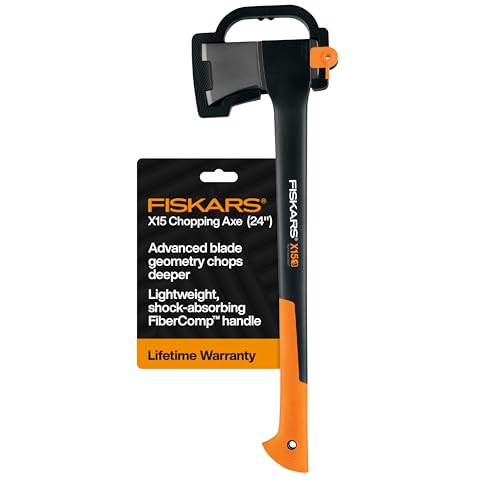
Fiskars X15 Chopping Axe 24″

Fiskars X7 Small Hatchet 14″

Fiskars U14 Universal Hatchet 14″


Gränsfors Bruks Wildlife Hatchet 13.50″
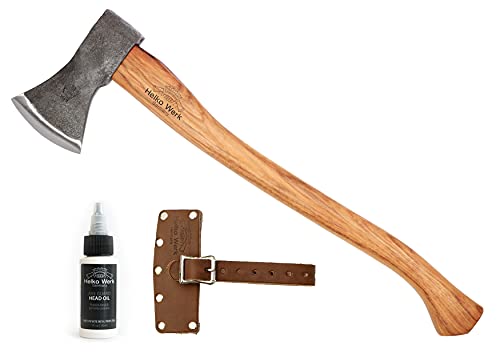
Helko Werk Black Forest Woodworker Axe 13562

Estwing Sportsman’s Axe 14″ E24A
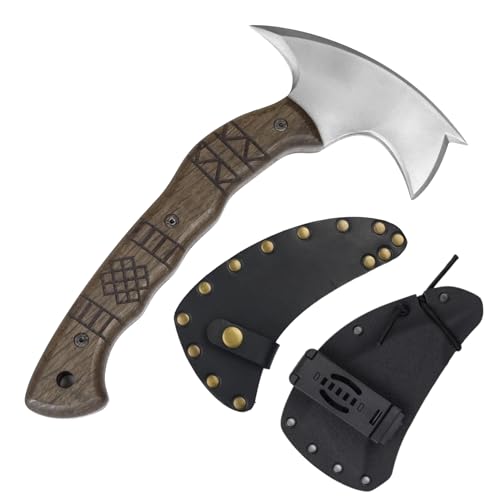
AncientSmithy Tactical Tomahawk Hatchet

Mossy Oak 12″ Camping Hatchet with Sheath
Why These Options Stand Out
The Fiskars A-Series Chopping Axe reaches a full 28 inches, which gives car campers serious leverage for splitting the kind of dense rounds you find at established campgrounds. Its balanced weight distribution is engineered to push more energy into each swing, so you spend less time hacking and more time enjoying the fire.
This is the pick for someone whose campsite setup includes a firewood pile rather than a backpack. If you’ve ever wrestled with a wrist-tiring hatchet on oak rounds, the longer handle here changes the physics of the swing entirely. It’s overkill for backcountry trips, but for truck-camping and cabin weekends, it earns its spot in the rotation.
Useful Touches
- Low-friction blade coating helps wood split cleanly instead of grabbing on the way through.
- Longer handle generates swing momentum that shorter hatchets simply cannot match.
- Forged steel head holds an edge through repeated contact with knotty hardwood.
- Composite handle absorbs vibration, which matters when you’re prepping a full evening’s wood supply.
Trade Offs To Consider
- Too long to pack on most backcountry routes, so it really only serves car-based campers.
- Head coating can wear over years of heavy contact with abrasive wood.
Made For
Car campers and cabin owners who process full rounds of firewood at a single campsite.
Swap It Out When
Reach for the Fiskars X7 Small Hatchet instead if you’re carrying gear on foot and need a pack-friendly 14-inch tool.
The Fiskars X15 Chopping Axe sits in that sweet spot between full-sized felling axes and packable hatchets, and the PermaHead over-mold design is the standout detail. The blade and handle are bonded in a way that virtually eliminates the most common failure point on budget axes: a loose head after a season of use.
This is the practical family-camp pick. It’s friendly enough for a teenager learning woodcraft, capable enough for a parent processing kindling for the fire ring, and forgiving enough that the occasional overstrike won’t split a handle. If the A-Series above feels like overkill for your usual setup, the X15 trims back without giving up the chopping authority.
Key Advantages
- PermaHead bonded construction resists the head-loosening that plagues cheaper axes.
- Low-friction blade geometry drives deeper with each swing, reducing fatigue on longer sessions.
- Versatile enough for limbing branches, splitting rounds, and driving tent stakes.
- Fiber-composite handle keeps weight manageable for campers who walk a short distance from the car.
Worth Noting
- Composite handle lacks the warm feel of wood, which matters to traditionalists.
- Still on the long side for anything more than a short hike from the parking area.
Best Suited To
Family campers who want one axe to cover splitting, limbing, and general fire prep at the campsite.
Look Elsewhere When
Pick the Fiskars X24 Universal Axe if you want a more refined Finnish-built blade that handles heavier chopping with more precision.
The Fiskars X7 Hatchet has earned its reputation as the entry-level camp hatchet for good reason. At 14 inches, it disappears into a daypack, and the balanced head makes it approachable for anyone who’s never swung an axe before.
This is the hatchet I’d hand to a first-time camper. The shorter handle keeps the swing arc controlled, which builds confidence faster than a longer tool might. Backpackers carrying a tent and a stove a few miles into the woods will appreciate how little space the X7 takes up, and the blade geometry punches above its weight on kindling.
Where It Delivers
- Compact 14-inch profile fits alongside a tent and sleeping pad in a standard backpack.
- Weight distribution makes one-strike splits realistic on kindling-sized wood.
- Hardened steel blade holds up through repeated contact without needing constant touch-ups.
- Lower price point makes it a reasonable first axe for new campers.
Honest Caveats
- Too short to generate real power on rounds thicker than your forearm.
- Plastic composite handle won’t appeal to anyone wanting a traditional wood feel.
Who Should Grab It
First-time campers and backpackers who want a lightweight hatchet that won’t dominate their pack.
Where Another Pick Suits Better
Step up to the Gränsfors Bruks Wildlife Hatchet if you want a hand-forged 13.5-inch blade with more character per swing.
The Fiskars U14 Universal Hatchet takes the compact 14-inch format of the X7 and layers in two meaningful upgrades: a precision-ground RazorEdge blade and a ToughCoat plating that reduces friction during the cut. The result is a hatchet that slips into wood more cleanly than its budget sibling.
This is the packable hatchet for someone who cares about edge retention. The double-hardened steel stays sharp longer between touch-ups, which matters when you’re a day into a trip and don’t have a sharpening stone handy. Compared to the X7 above, you pay a small premium for noticeably smoother cuts on dry, knotty wood.
Benefits That Matter
- RazorEdge grinding produces a thinner, sharper edge for cleaner wood separation.
- ToughCoat plating reduces sticking during the cut, saving energy on repeated swings.
- Compact 14-inch frame still fits in a pack or挂在 a belt loop.
- Optimized head weight delivers more authority per swing than the size suggests.
Things To Weigh Up
- Higher cost than the entry-level X7, which may not matter for occasional users.
- Coating can show wear over years of regular use in abrasive conditions.
Right Fit For
Regular campers who want a sharper, longer-lasting blade without stepping up to a full-length axe.
Not Your Match When
Choose the Mossy Oak 12″ Camping Hatchet if you want the most budget-friendly option for very occasional trips.
The Fiskars X24 Universal Axe comes out of Billnäs, Finland, where Fiskars has been refining axe geometry for generations. The 24-inch length strikes a real balance: long enough to fell small trees and split rounds, short enough to keep in a family camping kit without dominating the gear pile.
This is the axe I’d recommend to a camper who wants one tool that genuinely handles everything from limbing to splitting. The forged steel blade uses a thin, wide edge profile that disperses wood efficiently, so you spend less energy per cut. Compared to the X15 reviewed earlier, the X24 feels like a more refined tool with the same approachable character.
The Value In It
- Forged steel blade with optimized edge geometry for cleaner splits.
- Masterful weight balance amplifies swing power without adding handle length.
- 24-inch profile works for felling, splitting, and limbing without specialization.
- Proven Finnish engineering with decades of refinement behind the design.
Less Ideal Details
- Still too long for serious backpacking trips with mileage in the double digits.
- Premium positioning commands a higher price than entry-level Fiskars options.
Who Will Love This
All-purpose campers who want one well-made axe that handles felling small trees, splitting rounds, and processing kindling.
A Better Fit Elsewhere
Choose the Fiskars A-Series Chopping Axe 28″ if longer reach matters more to you than all-around handling.
The Gränsfors Bruks Wildlife Hatchet sits at a different tier than the rest of this list. Each head is hand-forged in Sweden by a smith whose initials you can find stamped into the steel. The 13.5-inch handle is shorter than a felling axe but longer than a pack hatchet, giving the tool real authority despite its compact size.
This is the hatchet for someone who treats a good axe as a lifelong companion rather than a consumable. The longer handle, compared to the brand’s Hand Hatchet, adds swing power for lopping branches and splitting small logs. The trade-off shows up in your wallet, but for the right user, it’s a tool that gets passed down.
Why It Works Well
- Hand-forged Swedish steel with a smith’s mark on every head.
- Longer 13.5-inch handle delivers more swing power than typical pack hatchets.
- Compact enough to ride in a rucksack without dominating the load.
- Build quality aimed at multi-decade service with reasonable care.
Points To Keep In Mind
- Premium pricing puts it out of reach for casual weekend campers.
- Wood handle requires more care than composite alternatives in wet conditions.
Perfect Match For
Traditionalist campers and bushcraft enthusiasts who value hand craftsmanship and plan to own the tool for years.
Reach For A Different Pick When
Choose the Fiskars X7 Small Hatchet if budget matters more than heritage and you just need a reliable packable tool.
The 1844 Helko Werk Black Forest Woodworker Axe carries the Rheinland pattern, a head shape that traces back to Germany’s Rhein River Valley cutting traditions. Hand-forged in Germany, it pairs a relatively compact handle with a head profile that handles limbing, chopping, and light felling without fuss.
This is the pick for someone who appreciates a tool with a story behind it. Compared to the Gränsfors Bruks above, you get a different European forging tradition at a lower price point, though still firmly in premium territory. The compact size makes it a versatile packing tool rather than a primary splitter.
Real Benefits
- Hand-forged in Germany with a heritage Rheinland pattern head.
- Compact size works for cutting, felling small saplings, and chopping kindling.
- Hickory handle offers the warm feel and natural shock absorption of wood.
- Build quality positions it as a long-term tool rather than a seasonal purchase.
Practical Considerations
- Premium price tier excludes budget-focused shoppers.
- Wood handle needs oiling and dry storage to last through years of use.
Whose Shelf It Belongs On
Woodworkers and bushcrafters who want a German-forged tool with traditional character and reliable cutting geometry.
Consider Something Else When
Pick the Estwing Sportsman’s Axe if you want a leather-grip hatchet that handles weather with less maintenance.
The Estwing Sportsman’s Axe has been a fixture at American campsites for decades, and the design has barely needed to change. The head and handle are forged from a single piece of steel, which means there’s no joint to loosen, no wedge to replace, and no failure point where most budget axes give up.
This is the axe for someone who buys once and keeps using it. The genuine leather grip is sanded and lacquered for comfort, and the included ballistic nylon sheath with belt loop makes it easy to carry on the trail. The honest read is that this isn’t the lightest 14-inch hatchet, but the durability trade-off is worth it for frequent campers.
Well-Handled Touches
- One-piece forged steel construction eliminates the loose-head failure point.
- Genuine leather grip provides comfort and a secure hold in cold or wet conditions.
- Includes ballistic nylon sheath with belt loop for safe carrying.
- Hand-polished finish and temper give the axe a balanced, durable feel.
Room For Improvement
- Heavier than composite-handled competitors at the same length.
- Leather grip requires occasional conditioning to stay supple in dry climates.
Built With In Mind
Long-term campers who want a near-indestructible hatchet that survives years of family trips and rough handling.
A Better Fit Elsewhere
Choose the Fiskars U14 Universal Hatchet if you want a lighter packable tool with a coated low-friction blade.
The AncientSmithy Tactical Tomahawk Hatchet is built for a specific kind of user: someone assembling a survival kit or field-expedition loadout where every gram counts. At roughly 1.76 pounds and 11 inches overall, it stakes out a compact niche between a full camp hatchet and a heavy tactical tool.
This is the hatchet for hikers and tactical gear enthusiasts who want versatility without bulk. The oak wood handle keeps weight down while delivering a natural feel, and the design covers wood processing, tent work, and trail clearing. The catch is that the smaller head limits its authority on rounds thicker than a few inches.
A Few Strong Suits
- Lightweight 1.76 lb build suits survival kits and long-distance packs.
- Compact 11-inch length fits in pack pockets and tactical bags.
- Oak handle delivers a traditional feel with low weight.
- Multi-role design covers chopping, cutting, and field utility tasks.
Small Caveats
- Smaller head limits performance on thick rounds.
- Tactical styling may not appeal to traditionalist campers.
The Right Fit
Survival kit builders, tactical gear enthusiasts, and weight-conscious hikers who want a versatile compact hatchet.
Skip It When
Pick the Fiskars X7 Small Hatchet if you want a more conventional camp hatchet shape at a friendlier price.
The Mossy Oak 12″ Camping Hatchet brings a 6-inch blade to a compact 12-inch overall package, making it one of the most pack-friendly options on this list. The black-coated blade comes sharp out of the box and resists wear through occasional camping trips, and the included sheath keeps it safe in transit.
This is the budget-friendly entry point for occasional campers. It’s not built for decades of heavy use, but for a few weekends a year at established campgrounds, it covers the basics without straining the wallet. The shorter handle means you’ll work harder on thicker wood, but that’s a reasonable trade-off for the compact profile.
What Stands Out
- Compact 12-inch length fits in daypacks and cargo areas.
- Black-coated blade comes sharp and resists wear during normal use.
- Included sheath protects the edge and adds safe carrying.
- Accessible price point for occasional campers testing the hobby.
Where It May Fall Short
- Not built for heavy or frequent chopping sessions.
- Shorter handle means more effort on thicker wood rounds.
Who It Suits Best
Occasional campers and beginners who want an affordable, compact hatchet that handles a few trips a year.
Where A Sibling Pick Shines
Choose the Fiskars X7 Small Hatchet if you want better long-term durability at a modest step up in cost.
Matching A Hatchet To Your Camp Style
A camp hatchet should fit how you actually get to the campsite, not just how the marketing photos look. Backpackers carrying gear for miles need a compact 11 to 14-inch tool that won’t punish shoulders and backs over long approaches. Car campers with a full firewood supply benefit from a 24 to 28-inch axe that brings swing momentum to thick rounds. The middle ground, around 14 inches with a well-balanced head, serves weekend warriors who carry gear a short distance and process moderate amounts of wood.
Blade material matters more than most shoppers expect. Forged steel holds an edge longer and resists chipping on knotty wood, while stamped or cut blades may dull faster but cost less. A low-friction coating helps the blade glide through wood instead of grabbing, which reduces fatigue over a long evening of fire prep. Handle material splits into wood (warm feel, traditional look, needs care) and composite or steel (lighter, weather-tolerant, less character). The right pick depends on whether you prioritize feel or low maintenance.
Weight distribution decides how a hatchet actually feels in your hand. A head-heavy tool generates more power per swing, which matters for thicker rounds, but tires wrists faster on kindling. A balanced or handle-weighted design feels nimbler and works better for limbing branches and detailed bushcraft tasks. Try to gauge the head-to-handle ratio, since two 14-inch hatchets can feel completely different based on this balance alone.
Sheath and carry options are easy to overlook. A ballistic nylon or leather sheath protects the edge, your gear, and your hands during transport, and a belt loop adds convenience on day trips. Some hatchets skip the sheath entirely to hit a lower price, so factor that into the total package if you plan to carry the tool in a pack.
Picking Smart In The Camp Hatchet Category
Pitfalls Shoppers Hit
The most common mistake is buying a hatchet that’s too long for the trip. A 24-inch axe sounds capable on paper, but it punishes you on a backpacking approach and dominates pack space. Match the handle length to your carry method first, then evaluate the head weight and blade quality. Another trap is choosing a stamped blade at a premium cost when a forged head from a known maker sits at the same price. Manufacturing method (the way the steel is shaped and hardened) shows up in edge retention and long-term durability.
Why Top Tier Costs More
Premium camp hatchets like the Gränsfors Bruks Wildlife Hatchet and the Helko Werk Black Forest Woodworker carry higher prices because each head is hand-forged by a smith rather than stamped out by the thousands. That hand attention translates to tighter quality control, better balance, and often a head that holds an edge for years instead of months. The upgrade pays off for campers who use the tool frequently, want a tool for life, or appreciate the heritage of European axe-making. For casual weekend use, mid-tier options deliver most of the functional benefit at a fraction of the cost.
Frequently Asked Questions
What size camp hatchet do I need for backpacking?
Most backpackers do best with a hatchet in the 11 to 14-inch range. Shorter tools fit alongside a tent and sleeping bag without dominating pack space, and they handle kindling and small branches well. Longer axes add capability on thick rounds but cost you weight and space on the trail.
Are forged steel hatchets worth the extra cost?
Forged steel (steel shaped under heat and pressure rather than cut from sheet) generally holds an edge longer and resists chipping better than stamped or cut alternatives, especially on knotty hardwood. For frequent campers, the upgrade pays off in fewer sharpening sessions and longer tool life. Occasional users may not notice enough difference to justify the cost.
Do I need a sheath for my camp hatchet?
A sheath protects the edge, your gear, and your hands during transport, so it’s a smart addition for any hatchet that sees pack time. Many quality models include a fitted sheath, but budget picks sometimes skip it. Factor in the cost of an aftermarket sheath if your pick doesn’t come with one.
How do I maintain a wooden hatchet handle?
Keep the handle clean and dry, and apply a light coat of boiled linseed oil once or twice a year to prevent drying and cracking. Store the hatchet in a dry place between trips, and check the head connection periodically to make sure the wedge is seated. A little care extends a wood handle’s life significantly.
Can one hatchet really handle felling small trees?
Compact 14-inch hatchets can handle saplings and small limbs, but anything thicker than your wrist quickly exceeds their comfortable range. For felling trees of any meaningful diameter, a longer axe in the 24 to 28-inch range is the realistic tool. Match the hatchet to the wood size you actually encounter, not the extremes.
The Takeaway
The right camp hatchet depends less on specs and more on how you camp. Backpackers want a compact 11 to 14-inch tool that disappears in the pack. Car campers benefit from a longer 24 to 28-inch axe that brings swing power to thick rounds. Weekend generalists land in the middle with a balanced 14-inch hatchet from a known maker. Pick the tool that fits your carry style, and the rest takes care of itself.