
Cooking outdoors changes how a trip feels. Cold beans at a campsite become seared steak on a flat-top, and the right gear makes that difference without weighing down your pack. This lineup covers backpack-sized grates, tailgate-ready stoves, full backyard smokers, and tabletop griddles, so the right setup for your kind of trip is somewhere below.
A Side-By-Side Look

BattlBox Bushcraft Grill 2-Pack, Portable Campfire Cooking Grate

Coleman Cascade 18 1-Burner Camping Stove

Oklahoma Joe’s Rambler Portable Charcoal Grill

Firebox Gen 2 Folding Stainless Steel Stove

Coleman Tabletop 2-in-1 Grill & Stove

Oklahoma Joe’s Highland Reverse Flow Smoker
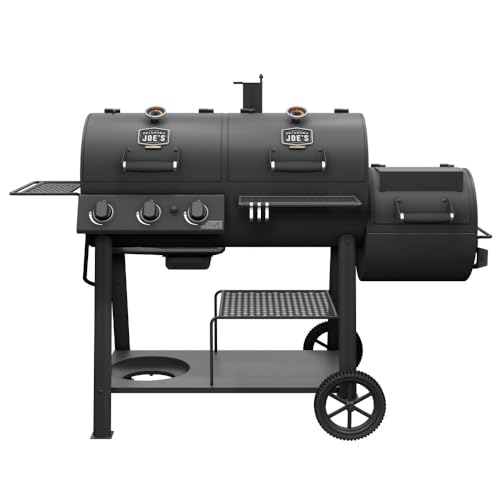
Oklahoma Joe’s Canyon Combo Dual Fuel Grill

Oklahoma Joe’s Longhorn Offset Smoker

Blackstone 22-Inch Tabletop Gas Griddle
The Picks, Examined More Closely
For backpackers counting every gram, this grate pair is a quiet problem-solver. Each mesh panel measures roughly 6 by 11 inches, the two together tip the scale near one pound, and stainless steel construction means they shrug off soot after a long evening by the fire. You lay them across coals or balanced rocks and you have an honest cook surface where there used to be none.
Unlike the Coleman Cascade stove below, there is no flame to manage, no fuel canister, no regulator. You are cooking on what the forest already gives you, and that is the whole point of bushcraft cookery. Hikers on overnight trips, winter campers, and anyone heading into fire-restricted zones that still allow ground fires will get the most out of this set.
Useful Strengths
- Sub-one-pound pair weight keeps packs honest on long approaches.
- Stainless steel mesh handles direct flame contact without warping.
- Two-panel layout lets you stage food away from the hottest coals.
- Fits inside most daypacks alongside a pot and stove setup.
- Welded frame construction survives rough handling in the woods.
Things To Consider
- No built-in handles mean hot removal takes a stick or glove.
- Small grate size limits you to one or two portions at a time.
- Requires a permitted fire ring or properly managed ground fire.
Key Specs
Made For
Backpackers and bushcraft cooks who want real food on the trail without hauling a fuel canister.
Consider Something Else When
Car campers needing group-size meals should look at the Coleman Tabletop 2-in-1 Grill & Stove, which feeds more mouths faster.
One burner, one pan, no matches needed. The Cascade 18 delivers about 8,000 BTUs through a rotary ignition system (a push-button sparker that lights the burner without a match), and the detached grate flips 180 degrees so the whole stove collapses into a flatter carry shape. It accepts a 12-inch pan, which covers most skillet dinners on the road.
For solo travelers, this is the sweet spot. You get real flame control, a windswept aluminized steel cooktop (a steel alloy coated in aluminum for fast, even heat and quick wipe-downs), and a regulator that stows on top of the unit. Tailgaters and truck-camp users will find it just as handy as weekend backpackers who keep their packs light.
Practical Pluses
- Matchless rotary ignition removes one fiddly step in cold weather.
- Improved knob rotation gives smoother simmer control at low flame.
- Aluminized steel surface wipes clean in a couple of minutes.
- Fits a standard 12-inch pan for full skillet meals.
- Regulator stores on top to keep loose parts from going missing.
Worth Noting
- Single burner limits you to one pan at a time.
- Requires a propane canister sold separately from the stove.
- Wind performance drops in fully exposed alpine conditions.
Whose Shelf It Belongs On
Solo campers and tailgaters who want quick single-pan cooking without hauling a full camp kitchen.
Look Elsewhere When
Families cooking breakfast for four should step up to the Coleman Tabletop 2-in-1 Grill & Stove, which handles a full griddle and a kettle at once.
The Rambler brings real charcoal flavor to a package that fits on a tailgate or a small apartment patio. With 218 square inches of cooking area and a height-adjustable charcoal tray, you can sear burgers high over the coals or slide the tray down for low-and-slow ribs. It is heavier than a propane stove, but the flavor payoff justifies the extra weight.
Compared to the larger Oklahoma Joe’s Highland below, this grill strips out everything you do not need for quick weeknight grilling. Apartment dwellers, RV owners, and anyone with a small deck will appreciate the modest footprint.
Real Benefits
- Adjustable charcoal tray lets you tune heat for sear or smoke.
- 218 square inches fits about six burgers or two full racks of ribs.
- Tabletop size stows in a closet or truck bed without hassle.
- Delivers authentic charcoal flavor that propane stoves cannot match.
Room For Improvement
- Charcoal lighting and ash cleanup add setup time.
- No lid limits two-zone cooking on a single grate.
- Lacks wheels, so carrying it hot requires both hands.
Feature Snapshot
Best Suited To
Patio dwellers and tailgaters craving charcoal flavor in a small footprint.
Skip It When
Anyone wanting dual-fuel flexibility should choose the Oklahoma Joe’s Canyon Combo Dual Fuel Grill, which adds propane to the mix.
The Firebox folds flat, opens into a rigid four-panel stove, and burns just about anything that fits through its feed ports. Thicker stainless steel, barrel-type hinges (sturdy cylindrical pivots, not flat stamped joints), and a four-panel design keep the structure stiffer than the accordion-style stoves common in this category. You get a contained fire that is safer than an open ring on dry ground.
Versatility defines this kit. The included Firesticks double as skewers and hold the stove closed when stored, while the optional Swedish Torch Method (lighting a vertically split log so it burns from the inside out, producing a long, even cook with zero tending) gives you a nearly hands-off hour of flame. Bushcrafters, winter campers, and overlanders tend to gravitate here.
The Helpful Details
- Thicker stainless panels resist warping across long burns.
- Firesticks lock the unit closed for pack-friendly transport.
- Two smaller feed ports keep embers from spilling out.
- Accepts wood, charcoal, or solid fuel tablets.
- Detachable ash pan simplifies cold cleanups.
Some Limits To Know
- No pot support included, so small cookware needs a stand.
- Cook surface tops out around the included Firestick length.
- Heavier than ultralight grates like the BattlBox above.
Who Will Love This
Bushcrafters and wood-fire cooks who want a contained flame without hauling a heavy camp stove.
Reach For A Different Pick When
Backpackers chasing every ounce should look at the BattlBox Bushcraft Grill, which sheds weight at the cost of structure.
Where the Cascade 18 cooks one pan, this 2-in-1 runs two burners totaling 20,000 BTUs alongside a separate grill section. Wind guards keep the flame steady in open settings, and the push-button ignition removes the match ritual. The chrome-plated grate lifts out for a quick rinse at the campsite spigot.
Family campers tend to land here. You can sear burgers on the grill side while a pot of corn simmers on a burner, no juggling required. Tailgates and car-camping weekends feel less like ration management with this kind of surface area.
Well-Handled Touches
- Independent burner knobs let you run high heat and a gentle simmer together.
- Wind guards improve flame stability on breezy ridgelines.
- Grease tray catches drippings away from the burner box.
- Push-button ignition sparks reliably in cold or damp air.
Things To Weigh
- Bulkier than single-burner stoves, so trunk space matters.
- Propane tank sold separately adds another item to pack.
- Two cooking zones mean more to clean at the end of the night.
At A Glance
Right Fit For
Family campers and tailgaters who want a grill plus a burner on one portable frame.
Swap It Out When
Cooks chasing griddle-style breakfasts should pivot to the Blackstone 22-Inch Tabletop Gas Griddle, which covers pancakes, eggs, and bacon on a single flat plate.
The Highland is a backyard machine dressed in offset-smoker clothing. Its 1,093 square inches of cooking area swallows two pork shoulders and a tray of ribs without crowding, and the reverse-flow baffle system (an internal plate that channels smoke and heat evenly across the cook chamber before reaching the stack) keeps temperatures even across the grate. Removable baffles and an adjustable smokestack let you flip from reverse flow to traditional offset smoking without buying new parts.
For pit crews running long cooks, this matters. You can load the chamber at dawn and trust the heat distribution to handle the rest. Compared to the Longhorn below, the Highland upgrades baffle control for tighter temperature management.
Notable Gains
- 1,093 square inches handles brisket, ribs, and butts in one load.
- Switchable baffles let you toggle between even and traditional flow.
- Large charcoal basket supports longer burns between refuels.
- Adjustable smokestack fine-tunes exhaust without lifting the lid.
A Few Limitations
- Heavy steel construction needs a permanent backyard spot.
- Charcoal and wood fuel require storage space and dry shelter.
- Reverse-flow setup adds learning curve for first-time pit cooks.
Technical Sheet
Who Should Grab It
Backyard pit cooks running long, low-and-slow sessions on weekends who want baffle-level control.
Where A Sibling Pick Shines
Cooks who want both charcoal smoke and propane convenience in one rig should choose the Oklahoma Joe’s Canyon Combo Dual Fuel Grill.
Dual fuel means the Canyon Combo pulls double duty. The charcoal side smokes two pork shoulders low and slow, while the propane side, with 36,000 BTUs across three burners, sears a dozen burgers in minutes. Total cooking area runs about 1,031 square inches split between the two chambers, so hosting duties get easier without sacrificing smoke flavor.
The trade-off is footprint. This is a substantial backyard rig that needs a level pad, not a tailgate. For hosts running a mixed menu, that versatility often justifies the space.
The Upside
- Charcoal chamber holds two pork shoulders for traditional smoke sessions.
- Propane burners reach grilling heat quickly without long lighting waits.
- 1,031 square inches handles crowds without batching.
- Separate chambers let you run different fuels at the same time.
Practical Considerations
- Propane tank sold separately adds to the initial setup cost.
- Full-size frame requires a dedicated outdoor space.
- Two fuel systems mean two sets of vents and dampers to learn.
Built With In Mind
Backyard hosts who entertain often and want both smoke and sear on tap.
A Better Fit Elsewhere
Cooks focused purely on offset smoking should pick the Oklahoma Joe’s Longhorn Offset Smoker, which devotes its chamber to smoke without propane distractions.
The Longhorn is the classic offset experience: a firebox on the side, smoke drawn across the cook chamber, and 1,060 square inches split between a 751-square-inch primary grate and a 309-square-inch warming rack. Hardwood splits and chunks fuel the fire, and the traditional layout rewards cooks who like managing a small flame by hand.
This is where barbecue traditions live. You feed the firebox, watch the stack, and learn the rhythm. Compared to the Highland above, the Longhorn skips baffle complexity in favor of a more direct smoke path.
What Stands Out
- Two-tier cooking surface handles main cuts and sides at once.
- Side firebox lets you add fuel without opening the main chamber.
- 1,060 square inches covers family gatherings and small events.
- Offset layout produces the layered smoke flavor traditionalists chase.
Trade-Offs To Consider
- Heat management takes practice for cooks new to offset smoking.
- Heavy construction makes relocation difficult once placed.
- Charcoal and wood storage adds a small ongoing chore.
Right Fit For
Tradition-minded smoke cooks who want a classic offset chamber without reverse-flow complexity.
Where Another Pick Suits Better
Cooks wanting baffle-managed even heat should step up to the Oklahoma Joe’s Highland Reverse Flow Smoker.
Flat-top cooking changes the menu. The Blackstone delivers 24,000 BTUs across two H-style burners (an H-shaped burner tube that distributes flame evenly along the griddle surface), heating 352 square inches of solid plate. A rear grease trap funnels drippings away from the burners, and the unit sits stable on picnic tables, tailgates, or a grassy campsite pad.
Where grates give you char lines, the griddle gives you pancakes, smash burgers, stir-fry, and eggs all on the same surface. Breakfast cooks and big-batch hash browns are where this thing earns its keep.
Positive Takeaways
- Dual H-burner layout creates two distinct heat zones.
- 352 square inches feeds a crowd without batching.
- Flat surface handles pancakes, eggs, and smash burgers alike.
- Rear grease trap keeps drippings away from the flame.
Less Ideal Details
- No hood limits wind protection and high-heat roasting.
- Propane tank sold separately from the unit itself.
- Seasoning the steel plate takes a couple of cook sessions to build patina.
Quick Facts
Who It Suits Best
Hosts and family cooks who want griddle-style versatility at the campsite or in the driveway.
Not Your Match When
Charcoal purists chasing smoke flavor should pick the Oklahoma Joe’s Rambler Portable Charcoal Grill instead.
What Matters Most Before Choosing Camp Grills
Weight and Pack Size
Backpackers measure camp gear in ounces, and car campers measure in trunk space. A 5-ounce grate and a 100-pound smoker serve different trips. Match the tool to the trip length, not the other way around.
Fuel Type and Availability
Propane lights fast and cleans up easy but requires a tank. Charcoal gives deeper flavor but adds lighting time and ash duty. Wood-burning stoves like the Firebox trade both for a self-contained flame that runs on what the woods provide. Where you cook and how often you cook there should drive this choice.
Cooking Surface and Layout
A 200-square-inch grate feeds two. A 1,000-square-inch chamber feeds a tailgate. Dual-zone burners add the flexibility to sear and simmer at once. Pick the surface that matches your typical party size without overshooting.
Cleanup and Maintenance
Aluminized steel wipes down fast. Cast iron holds heat better but wants seasoning. Removable grease trays and lift-out grates turn a 30-minute cleanup into a five-minute rinse. Think about the cleanup you will actually do, not the cleanup you wish you would do.
Key Considerations Across These Picks
Mistakes Worth Dodging
Buying a heavy offset smoker for a backpacking trip leaves it sitting in the garage. Buying an ultralight grate for a tailgate means cooking one burger at a time. The honest read is that matching the cooking style to the trip matters more than chasing specs on paper.
Why Top Tier Costs More
The jump from a tabletop propane stove to a full offset smoker brings heavier-gauge steel, larger cooking chambers, and baffle systems that hold even heat for hours. That extra steel costs more to ship, weld, and finish, and it shows up in longer cook sessions and steadier temperatures. Spending up pays off when you actually run long cooks and want the heat to behave.