
A good weekend outdoors depends on quiet, unglamorous decisions: whether your headlamp survives a wet trail, whether your first-aid kit covers the actual scrapes kids get, whether your pack has room for water and shelter. The nine picks below lean toward versatile, road-tested categories, covering lighting, repair, hygiene, food-handling, and emergency readiness, so most car-campers, backpackers, and family trips can stay equipped without overthinking it.
A Snapshot Of The Selections

LIMA-TANGO 48 Hour Survival Kit, 1-Person, 228 Pieces

KeepGoing Travel First Aid Kit for Kids, 130 Pc.

KeepGoing Large Home First Aid Kit for Kids, 270 Pc. Woodland

LIMA-TANGO 72 Hour Survival Kit, Two-Person, 291 Pieces

Energizer PRO-260 LED Headlamp

Energizer PRO-400 Rechargeable Headlamp (2-Pack)
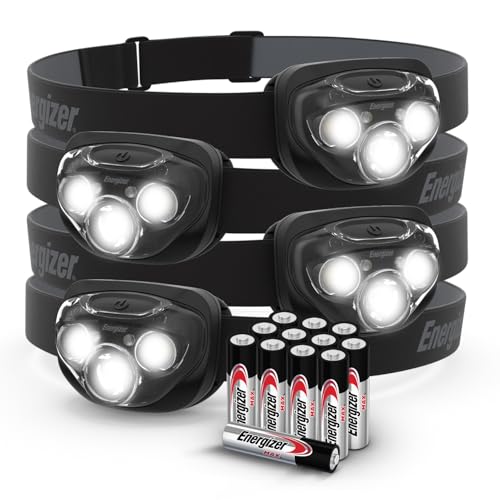
Energizer LED Headlamp PRO (4-Pack)

Victorinox Huntsman Swiss Army Knife, 15 Functions
More Details On Our Top Picks
The LIMA-TANGO 48 Hour Survival Kit packs 228 pieces into a single 45L backpack, which is a meaningful amount of redundancy for a solo traveler who wants one grab-and-go bag stashed by the door. The kit spans shelter, water filtration, food, first aid, lighting, and hand tools, which keeps the count honest: you’re not buying a “kit” that’s really just bandages.
Realistically, this works best as a starting layer for someone assembling preparedness gear around a car or a small apartment, rather than as a complete bug-out solution. Owners commonly report that the included shovel and folding saw are useful for trail tasks, but the multitool is on the lighter side, so it complements rather than replaces a heavier fixed-blade option.
Strengths Worth Knowing
- Single 45L backpack consolidates shelter, water filtration, food, lighting, and tools into one ready-to-carry bag.
- 228 pieces cover the full short-term emergency range, from shelter to first aid to navigation.
- Included shovel, wire saw, and compass handle clearing, signaling, and basic field work.
- Sensible as a base layer that you can add personal medications and documents to.
- Fishing kit, duct tape, and paracord-style accessories support improvised fixes off-grid.
Things To Consider
- The multitool is light-duty, so heavy cutting tasks are better served by a dedicated blade.
- Food and water components typically have a defined shelf life, which means periodic replacement.
- Backpack layout is fairly utilitarian, so adding extras may require packing creativity.
Who It Suits Best
Solo apartment dwellers, commuters, and weekend car-campers building a single emergency bag.
Where Another Pick Suits Better
Couples or two-adult households will get more value from the LIMA-TANGO 72 Hour Survival Kit, which is scaled for two people.
The KeepGoing Travel First Aid Kit is sized for diaper bags, backpacks, and carry-ons, with a TSA-friendly profile that clears airport security without unpacking. The 130-piece count focuses on the small injuries that come up most with kids: bandages, burn relief, sting care, and antiseptic.
It’s the kind of kit that quietly earns its space on family trips, where a scraped shin or a sudden splinter matters more than advanced trauma gear. The compact case keeps contents organized, though for longer road trips you may find yourself topping up a few items like extra bandages or children’s pain relief.
A Few Highlights
- TSA-friendly size moves easily through airport security and daypack pockets.
- Covers the high-frequency kid injuries: cuts, burns, stings, splinters, and scrapes.
- Stylish, low-clinical exterior that doesn’t look out of place in a diaper bag.
- Hard-shell-style case helps keep contents from spilling in transit.
Trade Offs
- Limited capacity for serious trauma supplies, so adult medications often need to ride alongside.
- Some consumables expire; periodic checks keep the kit ready.
Made For
Parents running day trips, weekend visits, or short flights with young kids.
Skip It When
Home-base coverage is the priority, in which case the KeepGoing Large Home First Aid Kit for Kids offers a much deeper supply list.
The KeepGoing Large Home First Aid Kit is the deeper, household-sized version of the travel kit, with 270 pieces covering a wider range of incidents. The Woodland finish leans decorative rather than clinical, which is useful if your first-aid kit lives in visible shared spaces like a kitchen shelf, dorm room, or boat cabin.
In practice, the larger count covers both small and mid-level injuries, from burns and cuts to stings and sprains. It also pulls double duty as a base for road trips, since you can pull a smaller pouch out and refill it. That said, the bulkier case isn’t optimized for backpacking, so it’s better suited to home base, RV, or cabin storage.
The Case For It
- 270-piece inventory covers burns, bandages, antiseptic, and sting care in one case.
- Decorative exterior fits home and dorm settings without the medical look.
- Useful as a refill source for the smaller KeepGoing travel kit.
- Sturdy shell handles occasional transport between home, car, and vacation rental.
Room For Improvement
- Larger case takes up shelf space and is heavier to carry on foot.
- Inventory skews toward everyday injuries rather than advanced trauma care.
Best Suited To
Families wanting a central first-aid station at home, in an RV, or at a lake cabin.
Consider Something Else When
Backcountry day trips need a lighter pouch, and the KeepGoing Travel First Aid Kit handles that role with less bulk.
The LIMA-TANGO 72 Hour Survival Kit scales the same approach as the solo bag up to two adults and 72 hours, with 291 pieces across shelter, water filtration, food, tools, hygiene, and first aid. The 45L backpack sits in bug-out territory, and the inclusion of items like a full-tang cutting tool, folding saw, and tourniquet moves the kit closer to a serious preparedness loadout.
Compared with the 48-hour solo bag, this one doubles down on redundancy, which matters when more than one person depends on the same supplies. The field-tool spread, including paracord and foil sheets, supports shelter-building tasks beyond what most kits include. For deep storage in a vehicle or closet, the scale is appropriate; for a casual weekend, it can feel like overkill.
What Works In Its Favor
- 291 pieces cover shelter, water, food, first aid, hygiene, lighting, and tools in one 45L bag.
- Includes a full-tang cutting tool, folding saw, shovel, and paracord for heavier field tasks.
- First-aid module adds chest seal, tourniquet, and burn gel for higher-acuity situations.
- Scales well to vehicle storage, garage, or remote-cabin emergency setups.
Points To Note
- Larger footprint and heavier load than the solo kit, so it’s not ideal for daily commute storage.
- Food and water components have defined shelf lives that need periodic refresh.
- Backpack organization is functional rather than minimalist, so customizing takes some effort.
Who Should Grab It
Two-adult households or couples preparing for extended shelter-in-place or evacuation scenarios.
Another Choice May Suit
Single travelers should stick with the lighter LIMA-TANGO 48 Hour Survival Kit, which covers core needs without the extra weight.
The Energizer PRO-260 LED Headlamp is the kind of battery-powered lighting that earns its place in camp kits by being simple and reliable. The IPX4 rating (a standard for splash resistance from any direction) means a passing rain shower or a dropped water bottle won’t kill it, and multiple light modes let you swap from a focused beam to a wide flood depending on whether you’re pitching a tent or sorting gear.
For most campers, the appeal is that it ships with batteries, so you can pull it out of the box and strap it on. Battery life on lower modes is comfortable for overnight tasks, though heavy use of the highest setting drains cells faster than expected. Compared with the rechargeable Energizer PRO-400, this one trades convenience for swap-and-go simplicity.
Well-Handled Touches
- IPX4 splash resistance handles rain, splashes, and damp tent nights.
- Multiple modes support both task lighting and night-preserving low beams.
- Comes with batteries, so it works the moment it’s unpacked.
- Lightweight build stays comfortable on long stretches around camp.
Small Caveats
- Disposable batteries add long-term cost if used frequently.
- Highest mode shortens runtime noticeably.
The Right Fit
Campers who want a grab-and-go light with no charging routine to remember.
Look Elsewhere When
Frequent users who run through disposable batteries quickly may prefer the Energizer PRO-400 Headlamp Rechargeable, which charges over USB.
The Energizer PRO-400 Rechargeable Headlamp steps up to USB charging and a higher output ceiling than the PRO-260, while keeping the same IPX4 splash rating. The 2-pack format suits couples or anyone who wants a primary and a backup in the same order, since one lamp can charge while the other stays in the tent.
Multiple light modes cover focused tasks like map reading or food prep, plus wide flood for setting up shelter. The rechargeable nature shifts the long-term math: there’s no battery drawer to raid, but you do need to remember to top up before trips. For weekenders who camp often, that trade usually pays off.
Bright Spots
- USB-rechargeable design removes ongoing battery costs.
- 2-pack keeps one charging while the other stays in use.
- IPX4 rating handles rain and splash exposure.
- Higher peak output than the PRO-260 for search-style tasks.
Potential Drawbacks
- Needs a charging routine before departure.
- Rechargeable cells can lose capacity over many seasons.
Perfect Match For
Regular campers, runners, and night-fishing households who prefer rechargeables.
A Better Fit Elsewhere
Emergency-stash buyers may prefer the Energizer LED Headlamp PRO (4-Pack) for quantity over rechargeability.
Feature Snapshot
The Energizer LED Headlamp PRO (4-Pack) is built around quantity rather than per-unit output, which is exactly what a group campsite or a deep emergency drawer wants. Four matching headlamps let every member of a small party have hands-free light without passing one around, and extras go into the car, garage, or bug-out bin.
The IPX4 rating keeps them usable in damp conditions, and battery-powered operation means there’s no charging hub to coordinate. The honest trade is that each unit mirrors the PRO-260’s general performance rather than matching the brighter PRO-400. For most groups, that’s plenty.
Notable Upsides
- Four headlamps equip an entire small group in one purchase.
- IPX4 splash resistance works in typical camp weather.
- Battery-powered units store indefinitely without losing charge.
- Useful as emergency spares around the house and car.
Honest Caveats
- Single-lamp output is closer to the PRO-260 than the PRO-400.
- Disposable batteries mean ongoing replacements with heavy use.
Built With In Mind
Group leaders, scout troops, and households staging multiple light sources for emergencies.
Reach For A Different Pick When
One or two strong primary lights matter more than having many spares, in which case the Energizer PRO-400 Headlamp Rechargeable (2-Pack) is the stronger call.
The BoglerCo Ultralight Backpacking Trowel weighs 0.48 oz (13.5 g), which is genuinely a few nickels’ worth of mass, and that’s the whole point. It’s a cathole trowel for backcountry bathroom breaks, sized to slip into a side pocket of a pack without anyone noticing. The capped end adds grip and lets you push with full force without the handle biting into your palm.
Realistically, this is a niche tool for backpackers and thru-hikers who count grams. It’s not built to replace a full garden trowel or to move rocks; it’s built to dig a quick hole and disappear. For car-campers, a heavier plastic trowel is usually enough, and this one’s appeal is purely about weight savings.
Reasons It Performs
- 0.48 oz weight is genuinely ultralight and disappears in a pack.
- Capped end adds palm comfort during digging.
- Stiff enough for typical soil in established camping areas.
- Compact footprint fits side pockets and hip belts.
Factors To Consider
- Light-duty design isn’t meant for rocky or root-bound ground.
- Single-purpose tool, so it doesn’t double as a stake or paddle.
Whose Shelf It Belongs On
Backpackers and thru-hikers who count every gram in their pack.
Swap It Out When
Car-campers handling sturdier soil may be happier with the Victorinox Huntsman Swiss Army Knife, which adds cutting tools alongside a fold-out blade.
Quick Facts
The Victorinox Huntsman Swiss Army Knife bundles 15 functions into a medium-sized pocket tool, including a large blade, small blade, scissors, wood saw, corkscrew, bottle opener, and screwdriver. It’s the kind of object that quietly solves camp problems, from cutting cord to opening cans to repairing a fraying pack strap.
In real kitchens and at real trailheads, the scissors and wood saw get more use than people expect, while the corkscrew still earns its spot for evenings at the picnic table. The trade-off versus a dedicated fixed-blade knife is versatility: the Huntsman trades raw cutting strength for the ability to handle many small jobs with one tool.
The Helpful Details
- 15 functions cover cutting, opening, screwing, and light sawing in one tool.
- Scissors and wood saw extend utility beyond a basic blade.
- Fits comfortably in a hand for extended camp kitchen work.
- Long-running design with replaceable components and widely available service.
Less-Strong Areas
- Smaller blade and shorter cutting edge than a dedicated camp knife.
- Folding tools need occasional cleaning to prevent pocket lint buildup.
Who Will Love This
Campers and day-hikers who want a single pocket tool that handles most small fixes and food prep.
Not Your Match When
Backcountry trips that demand ultralight packing call for a tool like the BoglerCo Ultralight Backpacking Trowel paired with a smaller blade.
Feature Card
Choosing Camp Equipment That Actually Gets Used
Weight Versus Capability
The first split is between car-campers and backpackers, and the decision reshapes everything else. Car-campers can comfortably carry the LIMA-TANGO 72 Hour Survival Kit or the heavier Energizer headlamps without noticing, while backpackers should default to lighter tools like the BoglerCo Ultralight Backpacking Trowel and a focused multi-tool rather than a full survival bag. Honestly, most people over-pack for trips they will not need to evacuate from, and a smaller, well-chosen kit gets used more often than a large one that lives in the garage.
Lighting That Matches Your Routine
Headlamps earn their slot more reliably than flashlights because they free both hands for cooking, sorting gear, or helping a kid at night. The Energizer PRO-260 covers most weekend needs with replaceable batteries, while the Energizer PRO-400 Rechargeable Headlamp fits households that camp often enough to make USB charging routine. The 4-pack earns its place in group and emergency settings, where multiple spares matter more than a single bright beam.
First Aid At The Right Scale
First-aid kits work best when they match the injury profile of the people using them. The KeepGoing Travel First Aid Kit handles kid-level scrapes on day trips, while the KeepGoing Large Home First Aid Kit covers broader incidents at home. Adults carrying prescription medications or specific medical needs should plan to add those items regardless of which base kit they choose.
Tools That Earn Their Weight
Multi-tools like the Victorinox Huntsman make sense when one object can handle cord cuts, food prep, and small repairs. Backcountry travelers should keep weight low and choose specialized items, like a dedicated trowel or a compact knife, rather than a do-everything tool. Either way, the tool should match the most common task on your trip, not the worst-case scenario.
Common Pitfalls And Premium Trade-Offs
Mistakes Worth Dodging
Overbuying for emergencies you will not actually face is the most common slip in this category. Many shoppers load up on heavy survival kits for short weekend trips and end up leaving them at home. Matching kit size to trip length, party size, and storage location, rather than worst-case planning, keeps gear in rotation. Another frequent miss is forgetting to refresh perishables like food, water filters, and medication, which quietly expire inside otherwise complete kits.
Why Top Tier Costs More
Premium options in this category typically add rechargeable batteries, more refined switches, or larger piece counts rather than dramatic feature jumps. The Energizer PRO-400 Rechargeable Headlamp costs more than the PRO-260 because it swaps disposables for USB charging, which pays off over time for frequent campers. Larger survival kits like the LIMA-TANGO 72 Hour Survival Kit scale up because of redundancy for two people and a deeper medical module, which matters most for serious preparedness rather than casual trips.
Frequently Asked Questions
How do I size a survival kit to my trip?
Match kit size to party count and trip length: solo weekend trips suit a 48-hour, single-person kit, while two-person multi-day trips benefit from a 72-hour kit. Larger kits only pay off when you actually carry or store them.
Are headlamps better than flashlights for camping?
Headlamps free both hands, which makes them more useful for cooking, sorting gear, or watching kids at night. Flashlights still earn a spot for signaling and for tasks where you want a directed beam.
What should I add to a stock first-aid kit?
Most users add personal medications, extra bandages, children’s pain relief, and any allergy or asthma supplies specific to the family. Stock kits cover general injuries well but rarely personal prescriptions.
How heavy should a backpacking trowel be?
Under one ounce is the standard target, since trowels are used briefly but carried for the entire trip. Heavier plastic trowels are fine for car camping where weight is less of a concern.
How do I store emergency food and water?
Keep sealed food and water components in a cool, dry place and check expiration dates every six months. Rotating stock into normal use keeps items from quietly expiring inside the bag.
Wrap Up
The right camp equipment is the set you actually pack and use, whether that’s a single-person emergency bag for solo trips, a kid-friendly first-aid kit for family weekends, or a rechargeable headlamp that lives in the car. Start with the categories you actually face on your trips, choose the lightest tool that handles the job, and rotate perishables so the gear is ready when you need it. The nine picks above cover lighting, first aid, survival, and tools at a range of scales, so most readers should be able to build a working kit without overbuying.