
Cooking outdoors used to mean cold beans from a can. These days, the right camp stove turns a campsite into a kitchen that genuinely performs, and the gap between a weekend car-camper and a thru-hiker has never mattered more when choosing gear. The picks below cover everything from ultralight canister stoves for backpackers to two-burner propane setups for tailgate spreads, with one wood-fired option for travelers who want to skip the fuel canisters entirely. Each option solves a real problem, so the best fit depends on how you actually use it.
The Picks In Brief

Jetboil Flash Camping and Backpacking Stove System

MSR PocketRocket Deluxe Ultralight Camping Stove

Coleman Cascade 18 1-Burner Camping Stove

Jetboil Sumo Camping and Backpacking Stove Cooking System

Jetboil MiniMo Camping Stove System with Adjustable Heat

Petromax Rocket Compact Outdoor Stove
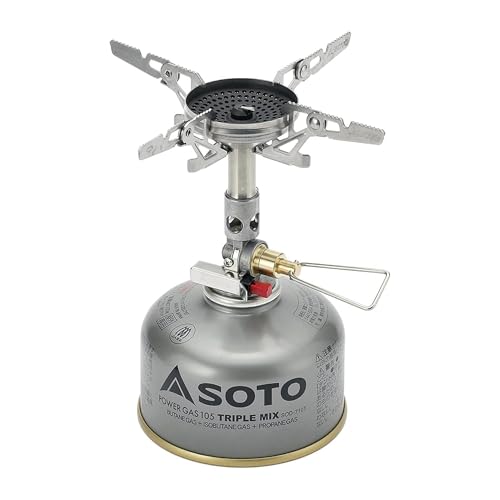
SOTO WindMaster Backpacking Stove with 4Flex

MSR PocketRocket 2 Ultralight Mini Stove Kit

Coleman Tabletop 2-in-1 Grill & Stove
The Flash earned its reputation by stripping away everything a solo traveler doesn’t actually need and doubling down on what matters: a rolling boil in roughly 100 seconds. The 1-liter FluxRing cooking cup is more than a pot. It doubles as your mug, your bowl, and the thing you eat out of at the end of a long ridge traverse.
For backpackers running tight schedules, the insulated cozy holds heat long enough that a second cup of coffee is still warm twenty minutes after the burner shuts off. You trade the open flame of a traditional backpacking stove for a contained system that resists wind and conserves fuel, and for most thru-hikers that trade is a clean win.
Advantages To Know
- Integrated design means no loose parts to lose on day three of a hike.
- Fuel efficiency is high enough that one 100g canister typically covers a weekend.
- Push-button igniter removes the need to carry a separate lighter in dry conditions.
- Stable base works on flat rocks and picnic tables without a windscreen.
Trade-Offs To Weigh
- The system cooks by boiling only; sautéing or browning is not realistic.
- Plastic threads on the fuel canister connection wear faster than metal alternatives.
- Cup volume is tight for two hungry hikers sharing dinner.
Quick Facts
Whose Pack It Belongs In
Solo backpackers, fastpackers, and ultralight hikers who want hot drinks and instant meals without fiddling with gear at the campsite.
A Better Fit Elsewhere
If you’re cooking for two on a weekend basecamp, the Jetboil Sumo handles group-size portions far more comfortably.
The PocketRocket Deluxe is the rare ultralight stove that respects the difference between “boiling water” and “actually cooking.” A built-in pressure regulator keeps the flame steady as fuel levels drop, so your simmer doesn’t suddenly roar into a boil when the canister gets cold. It’s the kind of refinement you don’t appreciate until you’ve watched cheaper stoves surge and sputter on a half-empty can.
Weighing only a few ounces, it slips into a side pocket of any pack and pairs with whatever pot you already own. For alpinists and long-distance hikers who count grams and still want a controllable flame, this is the practical middle ground between the rigid Jetboil Flash and the bare-bones PocketRocket 2 covered later.
What Stands Out
- Pressure regulation delivers consistent output until the fuel is truly empty.
- Folding pot supports lock tightly and accept a wide range of cookware diameters.
- Push-button igniter lights reliably even at altitude on cold mornings.
- Compact enough to clip onto a pack strap or fit in a hipbelt pocket.
Small Caveats
- No integrated pot, so you must bring your own cookware.
- Wind performance drops noticeably without a dedicated screen.
- Slightly heavier than the original PocketRocket 2 listed below.
Best Suited To
Minimalist backpackers, climbers, and travelers who want a controllable flame in a true ultralight package.
Swap It Out When
Wind on your route is relentless, in which case the SOTO WindMaster holds a flame under conditions this stove can’t match.
Where the Jetboil systems are built for the trail, the Coleman Cascade 18 is built for the trunk. The detachable grate flips 180° for storage, the regulator tucks neatly into the top, and the whole thing unfolds into a sturdy single burner that fits a 12-inch pan without wobble.
The 8000 BTU output is meaningful here. You can bring water to a boil and sear a burger on the same burner, which makes it a versatile pick for tailgates, family campsites, and weekend cookouts where weight matters less than doing real cooking. Rotary ignition removes the matches from your kit, and the aluminized steel cooktop wipes clean without a fight.
Reasons It Performs
- Improved knob rotation gives precise simmer control for sauces and eggs.
- Push-button matchless lighting works even after the burner has been stored wet.
- Compact folded footprint fits in most car trunks beside a cooler.
- Accepts full-size family cookware, unlike ultralight canister stoves.
A Few Limitations
- Single burner limits simultaneous dishes, a problem when cooking for four.
- Uses disposable propane cylinders that must be packed out or sourced locally.
- Wind guards are minimal; gusty conditions can slow cooking noticeably.
Right Fit For
Family campers and tailgaters who want real cooking performance without hauling a full camp kitchen.
Where A Sibling Pick Shines
Cooking for a crowd with multiple pots going at once, the Coleman Tabletop 2-in-1 offers two burners and a grill surface that this single-burner design can’t match.
The Sumo takes everything the Jetboil Flash does well and scales it for two to four people. The 1.8-liter FluxRing cup swallows a full pot of rehydrated meals at once, so the group eats together instead of in shifts. Same FluxRing efficiency, just in a package that handles a real dinner.
Compared to the Flash, the trade is purely size. This is too bulky for solo thru-hikers counting ounces, but for car-campers and basecampers it eliminates the awkward math of cooking dinner in two rounds. The proprietary regulator offers incremental adjustments from simmer to rolling boil, which is unusual in this integrated-stove category.
Everyday Perks
- Single cooking cycle covers a full group meal without reheats.
- Insulating cozy retains heat for second helpings and post-dinner drinks.
- Regulator technology supports real simmering, not just on/off output.
- Available in multiple configurations depending on the group’s needs.
Honest Caveats
- Bulky in a backpack, so it shines mostly with vehicle support.
- Larger fuel consumption than the Flash when cooking solo.
- Same cook-only limitation as other integrated boiling systems.
Technical Sheet
Who Should Grab It
Basecampers, paddling groups, and car-campers feeding multiple mouths from one stove.
Consider Something Else When
You’re backpacking solo where weight matters more than capacity, in which case the PocketRocket Deluxe is the smarter carry.
The MiniMo is the Jetboil for people who actually cook. Where the Flash boils and waits, the MiniMo gives you a regulator-driven simmer knob that walks heat up and down across the cooking cycle. You can braise, sauce, and finish dishes the way you do at home, just from the back of a campsite.
Built with backpackers in mind, the system reaches a rolling boil in just over two minutes while using roughly half the fuel of a traditional camping stove. The cup shape works as a low pot for one-pan meals, and the entire package is sized for shoulder straps rather than trunk lids.
Notable Gains
- Real simmer control supports pasta water, sauces, and rehydrated meals that need attention.
- Fuel efficiency near half that of open-flame stoves extends canister life on long trips.
- Compact form factor fits backpacking pack pockets without dedicated space.
- Integrated igniter eliminates the need for a backup lighter on most trips.
Where It May Fall Short
- Lower profile pan limits the depth of stews or large-volume dishes.
- Costs more than the Flash for a feature most casual users won’t tap into.
- Same plastic fuel connection concerns as other Jetboil systems.
Made For
Backcountry cooks making actual meals rather than just heating water, especially on multi-day routes.
Not Your Match When
You’re boiling water for instant coffee and freeze-dried dinners only, where the simpler Jetboil Flash covers the same ground for less.
The Petromax Rocket is the answer for campers who refuse to lug fuel canisters or hunt for propane refills. Drop in twigs, pine cones, or small branches, and the chimney effect pulls a fast, hot flame up through the cast iron cooking surface. Self-sufficient in the truest sense, you can run it from whatever the campsite provides.
At roughly 14 pounds, this is not a backpacker’s stove. It’s a campsite anchor, the kind of piece you set up beside the tent on a car-camping weekend and cook on all day. The cast iron top distributes heat evenly enough for frying pans, and the insulation keeps the outside cool enough to handle.
Good Reasons To Consider
- No fuel canisters to refill, repackage, or ship ahead on overseas trips.
- Cast iron cooking surface supports a wide range of pots and pans.
- Chimney design burns efficiently with surprisingly little wood.
- Durable construction handles years of road-trip abuse.
Worth Bearing In Mind
- Heavy at 14.2 pounds, so it suits vehicle-supported trips only.
- Banned during fire restrictions and dry-season campfire bans.
- Requires dry wood; wet conditions make starting and cooking slow.
Feature Snapshot
Who Will Love This
Off-grid campers, bushcraft enthusiasts, and anyone tired of chasing fuel canisters in remote areas.
Look Elsewhere When
You’re traveling light on a backpacking trip, where the MSR PocketRocket 2 keeps weight under a pound.
Wind is the silent killer of most backpacking stoves, and the SOTO WindMaster is built to ignore it. The concave burner head and surrounding flame ring create a protected combustion zone, so the flame keeps burning in conditions that knock out other canister stoves. The included 4Flex pot support adapts to four common pot sizes, which is a thoughtful touch.
Compatible with standard isobutane and butane mixtures, this stove runs on the same fuel canisters you already carry. Owners commonly report that the regulator performance holds up at altitude, though pure propane fuels are not recommended for this design.
What Makes Sense
- Maintains a steady flame in wind that defeats most competitors.
- 4Flex pot support fits narrow mugs and wide pots without wobble.
- Lightweight enough for serious backpackers at modest packed weight.
- Standard canister compatibility simplifies resupply in remote towns.
Practical Considerations
- Fuel canister sold separately, so budget for that initial purchase.
- Not compatible with 100% propane, limiting some winter setups.
- Plastic base components benefit from careful handling on rocky ground.
Feature Rundown
Built With In Mind
Exposed ridge campers and shoulder-season backpackers who regularly cook in wind their current stove can’t handle.
Another Choice May Suit
If you want an integrated cup and burner in one package, the Jetboil MiniMo trades wind tolerance for convenience.
The PocketRocket 2 Mini Stove Kit is the answer to the thru-hiker’s eternal question: how do I cook and eat with less than a pound of gear? The kit bundles the PocketRocket 2 burner with a 0.75-liter hard-anodized pot, a 16-ounce bowl, and a lid that doubles as a strainer. Everything nests into a single stuff sack.
Boil time sits around 3.5 minutes for a liter, which is slower than integrated systems but acceptable for the weight class. Compared to the Jetboil Flash covered earlier, this setup trades speed and wind protection for genuine cookware flexibility. You can actually fry an egg.
Why It Works Well
- Complete kit under one pound makes it a strong pick for thru-hikers.
- Pot doubles as eating vessel with insulated grip and measuring marks.
- Lid with straining ports handles pasta water without a separate colander.
- Bowl works hot or cold, useful for both dinner and morning oatmeal.
Less-Strong Areas
- No pressure regulator, so output drops as canister empties.
- Open flame struggles in anything beyond a light breeze.
- Aluminum pot requires careful handling to avoid denting on rough trails.
Feature Card
Perfect Match For
Solo thru-hikers, bikepackers, and gram-counters who want a complete cook system without a heavy pack.
Skip It When
You’re cooking for two or want faster boils, in which case the Jetboil Sumo serves group meals more efficiently.
The Tabletop 2-in-1 is the rare camp stove that doesn’t make you choose between grilling and cooking. Two independently controlled burners run alongside a chrome-plated grill grate, so you can sear burgers while a pot of corn simmers beside them. The 20,000 BTU total output is enough to handle a full tailgate spread without breaking a sweat.
For groups who treat the campsite like a kitchen, this design replaces an entire camp-kitchen setup with one folding unit. Wind guards on both sides help the burners perform in breezy conditions, and the removable grate makes post-cookout cleanup straightforward.
Useful Strengths
- Grill and stove run simultaneously, doubling what you can cook at once.
- Independent burner controls support precise temperatures on each side.
- Push-button igniter lights reliably even after long storage.
- Removable chrome grate simplifies cleanup after heavy use.
Factors To Consider
- Bulky and heavy; this is a vehicle-supported piece, not a backpack item.
- Uses disposable propane cylinders that must be sourced on longer trips.
- Two-burner setup is overkill for solo campers or couples.
Quick Technical Notes
Made For
Tailgaters, family campers, and group cooks who want a full outdoor kitchen without hauling a separate grill.
Where A Sibling Pick Shines
Solo car-campers who don’t need dual burners should save weight and space with the simpler Coleman Cascade 18 covered earlier.
Choosing Camp Cooking Stoves By Real-World Use
The first question is honestly where you cook. Backpackers running multi-day routes should default to integrated canister systems like the Jetboil Flash or MiniMo, where fuel efficiency and low weight matter more than cooking versatility. Car campers and tailgaters can ignore weight entirely and lean into two-burner propane rigs like the Coleman Tabletop 2-in-1, which trades packability for the ability to run two pots at once.
Fuel type shapes the whole ownership experience. Canister stoves (isobutane/propane blends) are simple, cold-tolerant, and widely available, but they require packing out empties on remote trips. Wood-burning designs like the Petromax Rocket eliminate that problem entirely but demand dry fuel and dry conditions, which you may not always have. White gas and liquid-fuel stoves used to dominate this category, but they’ve largely given way to canisters for casual use.
Wind protection is the underrated spec. Most ultralight burners lose serious performance in any breeze above 10 mph. The SOTO WindMaster and the integrated Jetboil designs both address this with shielded burners, while open-flame stoves need a separate windscreen for reliable use. For shoulder-season camping on exposed ridges, that difference matters more than any other spec.
Boil time tells you how fast you get hot food or coffee, but fuel efficiency tells you how far a canister lasts. Integrated FluxRing systems extract more heat from the same fuel, which adds up on longer trips. If you mostly weekend-camp close to the car, boil time matters more than efficiency, and almost any stove will do.
What Smart Camp Cooking Stove Shoppers Watch For
Mistakes Worth Dodging
Buying an ultralight stove for car camping, or a heavy two-burner rig for backpacking, is the most common miss. Weight class should match your transport, not your aspirations. Skipping the wind check is the next trap: a stove that performs beautifully in calm valleys can be unusable on an exposed ridge.
Forgetting fuel logistics ruins more trips than bad stove choice. Canister availability varies wildly by region, and some campgrounds restrict wood fires during dry season. Match the fuel system to where you actually go, not where you wish you went.
Where The Extra Money Goes
Premium camp cooking stoves earn their keep through regulators, simmer control, and wind tolerance. The Jetboil MiniMo costs more than the Flash because it adds real heat adjustment. The PocketRocket Deluxe costs more than the PocketRocket 2 for the same reason. For most casual campers, the base models deliver plenty of value, but backpackers who cook in rough conditions will feel the difference. Higher-tier builds also tend to use metal threads and sturdier pot supports, which extend service life over years of trail abuse.
Frequently Asked Questions
What type of camp stove is safest for beginners?
Canister stoves with built-in igniters are the easiest entry point. The Jetboil Flash and Coleman Cascade 18 both light at the push of a button and shut off cleanly, which removes most of the learning curve that older liquid-fuel stoves used to demand.
Can you use camp cooking stoves in winter?
Isobutane and propane blends perform reasonably in cold, though output drops below freezing. White gas and liquid-fuel stoves handle winter better, but most casual winter campers find a quality canister stove adequate for car camping and base camp use.
How long does a fuel canister last?
A standard 100g canister typically covers two to four days of solo use on integrated systems like the Jetboil Flash. Open-flame stoves burn through fuel faster, sometimes two to three times as quickly, depending on conditions.
Are backpacking stoves allowed on airplanes?
Most airlines permit empty or new sealed fuel canisters in checked luggage. Used canisters with residual gas are typically prohibited. Always confirm current airline rules before flying to a trip.
What size pot works with most stoves?
A 1-liter pot covers solo meals and morning drinks, while a 1.5 to 1.8-liter pot handles two-person dinners. Most stoves in this list accept a wide range of cookware diameters, so the bigger factor is how much weight you want to carry.
The Takeaway
The right camp stove depends almost entirely on how you travel. Ultralight backpackers get the most value from integrated systems like the Jetboil Flash or MiniMo, while family campers and tailgaters will appreciate the cooking surface area of the Coleman Tabletop 2-in-1. For travelers who want to skip fuel logistics entirely, the Petromax Rocket offers a self-sufficient alternative that’s hard to beat in dry conditions. Match the stove to your route, your climate, and your cooking style, and you’ll spend more time enjoying meals than fighting gear.