
Cooking outside changes the whole trip. A reliable burner means hot coffee before sunrise, a warm meal after a long hike, and one less thing to worry about when the weather turns. The nine camp burners below cover solo backpacking, group car camping, tailgate cooking, and everything in between, so the right match really comes down to how and where you cook.
A Quick View Of The Lineup

MSR PocketRocket 2 Ultralight Camping Stove

Jetboil Flash Camping Stove System

Jetboil MiniMo Stove Cooking System

Coleman Cascade 18 1-Burner Camping Stove
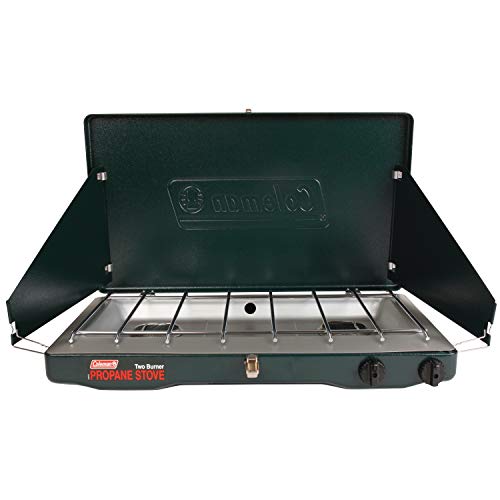
Coleman Classic Propane 2-Burner Stove

Jetboil JetPower Fuel 100-Gram Canister

Jetboil Sumo Stove Cooking System
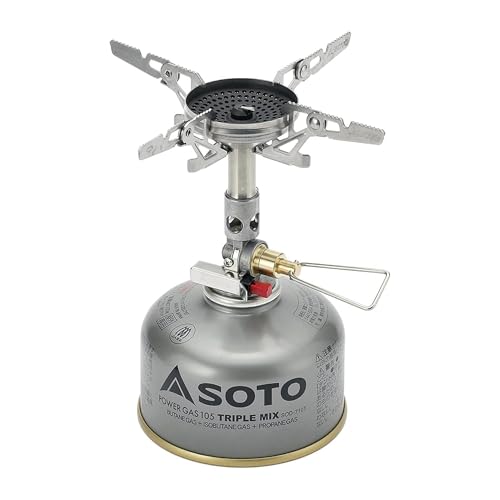
SOTO WindMaster Backpacking Stove

Coleman Tabletop 2-in-1 Grill & Stove
Taking A Closer Look At The Options
The MSR PocketRocket 2 is the kind of stove that disappears into your pack until you need it. At roughly 2.6 oz and folding down to about 2 by 2 by 3 inches, it slips into a side mesh pocket or stuffs beside your water filter without complaint. For thru-hikers counting grams or weekend backpackers who just want more room for food, that footprint is hard to beat.
Setup is about as simple as it gets: twist it onto a fuel canister, open the valve, light it. There’s no priming, no preheating, no pump action. You can expect a rolling boil on a liter of water in around three and a half minutes in calm conditions, and the flame adjusts smoothly from a low simmer for dehydrated meals to full output for melting snow.
Noteworthy Benefits
- Lightweight at roughly 2.6 oz, ideal for ounce counters.
- Folding design fits a 2x2x3 in footprint in your pack.
- Boils 1 liter in about 3.5 minutes in calm weather.
- No priming or preheating required.
- Flame adjusts from simmer to rolling boil.
Trade-Offs Worth Knowing
- No built-in wind protection, so a separate windscreen is almost essential above treeline.
- Wide pot compatibility depends on a stable base; smaller cookware may need a separate support.
- Canister fuel is sold separately and adds weight to resupply planning.
Who It Suits Best
Solo backpackers and thru-hikers who value pack weight above all else and mostly boil water for freeze-dried meals or coffee.
Skip It When
You cook real meals with simmer control, since the SOTO WindMaster handles variable heat on blustery ridges far more confidently.
The Jetboil Flash is built around speed. The integrated 1-liter FluxRing cooking cup, which has a finned base that grabs waste heat from the flame and feeds it back into the pot, brings water to a boil in roughly 100 seconds in still conditions, faster than any competitor in this roundup. The cozy wrap around the cup doubles as a handle and keeps contents hot long after the burner clicks off.
This is a sealed system, meaning the burner threads directly onto a fuel canister and the pot sits on top, capturing most of the heat that would otherwise drift upward. For backpackers chasing sunrise coffee, quick-hydration dinners, or anyone who simply hates waiting, that efficiency translates into fewer fuel canisters carried over a multi-day trip. Compared to the MSR PocketRocket 2, you trade raw packability for a major speed and fuel-efficiency upgrade.
The Helpful Details
- Boils water in about 100 seconds, the fastest in this lineup.
- FluxRing design recaptures heat that standard burners waste.
- Insulating cozy keeps water hot after the flame goes out.
- Lower fuel use per boil compared to open-burner designs.
- Color-change heat indicator on older versions signals when food is ready.
Where It May Fall Short
- Pot size is locked to roughly 1 liter, limiting meal prep for two.
- Simmer control is limited; it’s optimized for boiling, not sautéing.
- Bulkier than a folding canister stove like the PocketRocket 2.
Key Specs
Made For
Coffee-first hikers, solo backpackers, and climbers who want the fastest hot water possible without juggling a separate pot.
Consider Something Else When
You want to cook actual meals with sautéed onions or simmered sauces, since the Jetboil MiniMo delivers that level of control in the same product family.
The MiniMo takes the Jetboil formula and stretches it into real cooking territory. Where the Flash is built for speed, this system adds a regulator, a small valve that holds fuel pressure steady as the canister cools or warms, paired with fine heat adjustment, so you can drop to a true simmer without the flame flickering out. A rolling boil arrives in just over two minutes, while using roughly half the fuel of a traditional burner setup.
The shorter, wider cup profile keeps the center of gravity low, which matters when you’re stirring risotto on a sloped campsite pad. For backpackers who reject the freeze-dried aisle and actually want to cook pasta, eggs, or sauce-based meals, the MiniMo hits a sweet spot the PocketRocket and Flash both leave open.
What Works In Its Favor
- Incremental heat adjustments from simmer to rolling boil.
- Regulator technology keeps output consistent as fuel level changes.
- Uses about half the fuel of a traditional open burner.
- Reaches boil in just over two minutes.
- Low-profile cup design improves stability on uneven ground.
Honest Caveats
- Heavier than the PocketRocket 2 and noticeably bulkier.
- Smaller cup capacity than the Jetboil Sumo for group meals.
- Requires specific Jetboil-compatible fuel canisters, which may not be stocked at every trailhead outfitter.
Right Fit For
Backcountry cooks and solo adventurers who want real meal versatility, not just boiled water, and who are willing to carry a slightly heavier system.
Look Elsewhere When
You mostly need quick boil-and-go performance for coffee and freeze-dried meals, where the Jetboil Flash remains the more efficient match.
The Cascade 18 sits in the sweet spot for car campers who want a single burner that doesn’t feel like a compromise. Its footprint accepts a 12-inch pan, and the 8,000 BTU output is enough to bring a skillet of eggs and bacon to temperature without dragging. The push-button rotary ignition means no fumbling with lighters in a stiff morning breeze.
Compared to the ultralight canister stoves above, this is a propane-bottle appliance built for picnics, tailgates, and drive-in campgrounds. The detached grate flips 180° for flat storage, and the regulator tucks neatly on top of the body. Owners commonly point to the aluminized steel cooktop as the easiest surface to wipe down after a greasy breakfast.
Positive Points
- 8,000 BTU output handles 12-inch pans comfortably.
- Matchless rotary ignition for fast startup.
- Improved knob rotation for precise temperature control.
- Aluminized steel cooktop wipes clean in seconds.
- Folding grate and integrated regulator storage improve portability.
Things To Consider
- Requires a separate propane bottle, which adds to gear weight.
- Single burner limits simultaneous meal prep.
- Wind performance depends on a sheltered setup; the open flame blows out faster than a Jetboil’s sealed system.
Feature Snapshot
Who Should Grab It
Car campers, picnickers, and tailgaters who want propane simplicity and don’t need to carry a stove on their back.
Reach For A Different Pick When
You regularly cook for two or more at once, since the Coleman Classic 2-Burner stove covers full breakfast spreads on a single frame.
This is the camp stove most people picture when they think of family camping. Two independently controlled burners deliver a combined 20,000 BTUs, and the cooking surface accepts both a 10-inch and a 12-inch pan at the same time. Breakfast for four stops being a juggling act.
Wind-blocking side panels fold up to shield the flame, and a built-in pressure regulator keeps output steady as the propane cylinder drains or the temperature drops. Owners commonly cite the Classic’s longevity; it’s a unit that survives trunk rides, sand, and repeated setup cycles year after year. The 4.1 by 21.9 by 13.7-inch body folds flat for transport, though it’s clearly a car-camping piece, not a backpacking one.
Reasons It Performs
- 20,000 total BTUs across two burners.
- Fits a 10-inch and 12-inch pan simultaneously.
- Independent burner knobs allow full temperature control.
- Wind-blocking panels protect the flame.
- Pressure regulator maintains consistent output in cold weather.
Points To Keep In Mind
- Requires a 16.4 oz propane cylinder, which is sold separately.
- Too bulky and heavy for backpacking.
- Roughly 1 hour of runtime on high per cylinder, depending on conditions.
Quick Facts
Built With In Mind
Family campers and basecamp cooks who want the same setup they remember from childhood, plus the dependability that comes with a long-running design.
A Better Fit Elsewhere
You’d rather have a single burner you can pack to a picnic table, where the Cascade 18 steps in with a smaller frame and easier storage.
This isn’t a stove; it’s the fuel that keeps one running. The Jetboil JetPower 100-gram canister uses a propane/isobutane blend formulated for higher vapor pressure, which translates into steadier output in cold weather. Each small can is sized for one or two nights of solo use, depending on your meal choices and ambient temperature.
The compact format makes sense for backpackers who refuse to over-pack and want to count fuel canisters rather than carry a half-empty bottle for a weekend. A useful safety note worth remembering: never refuel a hot or burning device, since heated valves and seals can vent unexpectedly. Owners commonly rotate their stored canisters to keep pressure consistent on long expeditions.
Why It Works Well
- 100-gram size fits in a cookpot or pack lid.
- Propane/isobutane blend improves cold-weather vapor pressure.
- Higher vapor pressure helps output in winter conditions.
- Pre-threaded valve matches Jetboil systems directly.
Practical Considerations
- Limited to Jetboil and other compatible canister stoves.
- Small capacity means frequent replacement on multi-day trips.
- Cannot be refilled in the field; spares are required for longer trips.
Whose Shelf It Belongs On
Anyone already running a Jetboil Flash, MiniMo, or Sumo system who needs a clean, compatible fuel supply for short trips.
Swap It Out When
Your stove runs on a standard 1-pound propane cylinder, since the Coleman Classic 2-Burner uses a different fuel format entirely.
The Sumo is the Jetboil you pull out when two people want real meals and you’re tired of doing math on boil ratios. The 1.8-liter FluxRing cooking cup holds enough for a dehydrated meal rehydration, plus a side of hot cocoa, without splitting dinner into two rounds. The same regulator technology that powers the MiniMo gives you incremental heat control from a light simmer to full boil.
Compared to the MiniMo, the trade-off is bulk: this isn’t a fast-and-light setup. But for paddlers, basecamp hikers, and overlanders, that size pays off in fewer boil cycles and faster group meal service. The cozy wrap and integrated handle system keep the package safe to handle even when the contents are boiling.
Notable Gains
- 1.8-liter FluxRing cooking cup holds group-sized portions.
- Regulator technology offers incremental heat adjustments.
- Insulating cozy retains heat after the burner is off.
- Higher cup-to-fuel cooking ratio for batch meal prep.
- Sturdy base improves stability on uneven ground.
Trade-Offs Worth Knowing
- Heavier and larger than the MiniMo, which limits appeal for solo trips.
- Overkill if you mostly boil water for one person.
- Specific Jetboil-compatible fuel canisters required.
Who Will Love This
Group backpackers, paddlers, and basecamp cooks who prioritize real cooking capacity and don’t mind the extra weight.
Another Choice May Suit
Solo backpackers who want simmer control without the bulk, where the Jetboil MiniMo hits the same feature set in a smaller footprint.
The SOTO WindMaster earns its name honestly. The 4Flex pot support, a four-pronged flexing arm that holds small and large pots equally well, pairs with a concave burner head and a built-in flame shield that lets the burner keep cooking in conditions where most canister stoves go out. On alpine starts and exposed ridges, that resistance is the difference between hot breakfast and a cold wait.
Fuel compatibility includes butane, isobutane, and propane mixtures, which gives you more refilling flexibility on international trips than typical screw-on canister stoves. Owners commonly note that the regulator responds smoothly to small flame adjustments, similar to the MiniMo but in a smaller, lighter package.
Good Reasons To Consider
- Built-in flame resistance for wind-prone sites.
- Compatible with butane, isobutane, and propane mixtures.
- 4Flex pot support adapts to various pot diameters.
- Lightweight enough for serious backpacking routes.
Points To Note
- 100% propane fuel is not supported; only blended mixtures work.
- Keep the base clean and avoid sandy surfaces to maintain performance.
- Canister sold separately, which adds to overall cost for first-time owners.
Quick Technical Notes
Perfect Match For
Backpackers and climbers who often cook in windy, exposed terrain and want a burner that doesn’t need a windscreen to stay lit.
Where A Sibling Pick Shines
You mostly camp in sheltered forests and want maximum fuel efficiency for freeze-dried meals, where the Jetboil Flash is a faster-boil alternative.
This Coleman combines a grill grate and two independent stove burners on one frame, with 20,000 BTUs of combined power. The push-button starter removes the lighter dance, and wind guards help the burners hold a flame in a moderate breeze. Non-skid feet keep the unit planted on a tailgate or picnic table.
The chrome-plated grate lifts off for cleaning, and the grease tray catches drippings before they hit your tablecloth. Compared to the Cascade 18, you trade a smaller footprint for the ability to sear burgers while simmering beans. For tailgates, day camps, or any setup where you drive right up to the cooking spot, that flexibility is the whole point.
What Helps Most
- Grill and stove in one combined unit.
- 20,000 BTUs of total power.
- Two adjustable burners run independently.
- Push-button ignition skips the lighter.
- Removable chrome grate and integrated grease tray simplify cleanup.
Some Limits To Know
- Grilling surface area is modest; large cuts of meat won’t fit.
- Requires a propane cylinder, sold separately.
- Bulkier than a single-function stove if you only need one cooking mode.
Best Suited To
Tailgaters, day-camp hosts, and family campers who want one appliance that handles both the grill and the side dish without juggling two setups.
Not Your Match When
You’re packing light for a backcountry trip, since the Coleman Cascade 18 single-burner is the leaner alternative in the same brand family.
How To Pick The Right Camp Burner For Your Trips
Match The Burner To The Trip
Backpacking trips and car camping trips ask very different things of a stove. A solo hiker logging miles cares about ounces, packed size, and fuel efficiency, which is where the MSR PocketRocket 2 and SOTO WindMaster shine. A family setting up at a drive-in campground needs cooking surface area, two burners, and the muscle to handle a cast-iron skillet, all of which point toward the Coleman Classic 2-Burner or the Tabletop 2-in-1. Match the burner to the trip, and most other decisions get easier.
Understand Fuel Format
Canister stoves (Jetboil, MSR, SOTO) use pre-filled propane/isobutane canisters that thread onto the burner. They’re lightweight and convenient but require canisters to be purchased ahead of time. Liquid propane stoves (Coleman Classic, Cascade, Tabletop 2-in-1) use refillable 1-pound bottles that are widely available at hardware stores. Choose based on where you’ll be refueling and how much weight you can spare.
Think About Simmer Vs. Boil
Boil-only stoves like the Jetboil Flash are fast and efficient but useless for cooking eggs. If you want to sauté vegetables or simmer sauces, look for a regulated burner with fine flame control: the Jetboil MiniMo, Jetboil Sumo, and SOTO WindMaster all fit that profile. The honest read is that most backpackers overestimate how often they’ll actually cook on the trail, so be honest about your meal plan before paying for simmer capability you won’t use.
Consider Wind And Conditions
Wind can double fuel consumption or put out an open flame entirely. Sealed systems like the Jetboil line and the SOTO WindMaster handle gusts far better than open-burner designs. If your trips often take you above treeline, on exposed ridges, or to coastal sites with steady wind, factor that in before chasing the lightest stove on the market.
Key Considerations Across These Picks
Mistakes Worth Dodging
A common slip is buying a stove that’s great for one use case and then trying to make it do another. An ultralight canister stove rarely doubles as a tailgate appliance, and a two-burner propane unit will punish you on a backpacking trip. Check the canister format, weight, and BTU output against your most common trip before committing. Equally, people often underestimate how often they’ll cook in wind, only to discover their open-flame stove won’t stay lit above treeline.
When Paying More Pays Off
Higher-tier systems like the Jetboil MiniMo and Sumo carry premium price tags because of their regulators, integrated FluxRing heat exchangers (finned pot bases that recover waste heat), and refined simmer control. You pay more, but you also get steadier output as fuel levels drop, faster boils, and the ability to cook real meals instead of just hydrating pouches. If your trips involve cooking for more than one person, or you camp often enough that fuel efficiency adds up, the upgrade pays back quickly. For occasional boil-and-go use, a basic canister stove is plenty.